Vinyl siding is popular for good reason. It’s affordable, low maintenance, and holds up well to most weather. Still, no siding is indestructible, and cracks, loose panels, and warping can show up after a storm or simply with age. Timely vinyl siding repair keeps small issues from letting moisture behind your walls, where the real damage happens. Understanding the most common problems and how professionals fix them helps you decide what needs attention now and how to keep your home’s exterior strong and good looking for the long haul.
Inside this guide:
- Ten of the most common vinyl siding problems
- The methods professionals use for repairing vinyl siding
- How to tell when repair makes sense and when replacement is smarter
- Answers to common questions about cost and color matching
Why Small Siding Problems Deserve Quick Attention
Your siding is the outer layer of a system that protects your walls from rain, wind, pests, and temperature swings. When one panel cracks or comes loose, that system has a gap, and water can find its way to the sheathing and framing underneath.
- Prevents hidden water damage: A small crack can let rain reach the house wrap and sheathing, leading to rot and mold that stay out of sight until repairs get expensive.
- Keeps pests out: Gaps and holes give insects, birds, and rodents an easy entry point into wall cavities.
- Protects energy efficiency: Loose or missing panels allow drafts and reduce the insulating performance of your exterior walls.
- Maintains curb appeal and value: Clean, straight siding makes a strong first impression, while damaged panels can suggest neglect to buyers.
Fortunately, most vinyl damage is localized, and professionals usually replace a damaged section rather than patch it, which leaves a cleaner, longer lasting result. For homeowners in Fairfax and surrounding areas, where summer heat, winter freezes, and strong storms all take a toll, staying on top of these small fixes can add years to your siding.
10 Common Vinyl Siding Problems and Their Fixes
Vinyl siding problems tend to fall into a few predictable patterns. Here are ten of the most common issues homeowners run into, along with how a professional typically addresses each one.
1. Cracks and Holes
Impact from hail, flying debris, lawn equipment, or a stray baseball can crack or puncture vinyl, especially in cold weather when the material becomes more brittle. For minor holes up to about an inch, vinyl siding patch kits or an exterior grade patching compound can fill the damage without removing the entire piece. Larger cracks usually call for replacing the damaged panel so the wall stays fully sealed.
2. Loose or Missing Panels
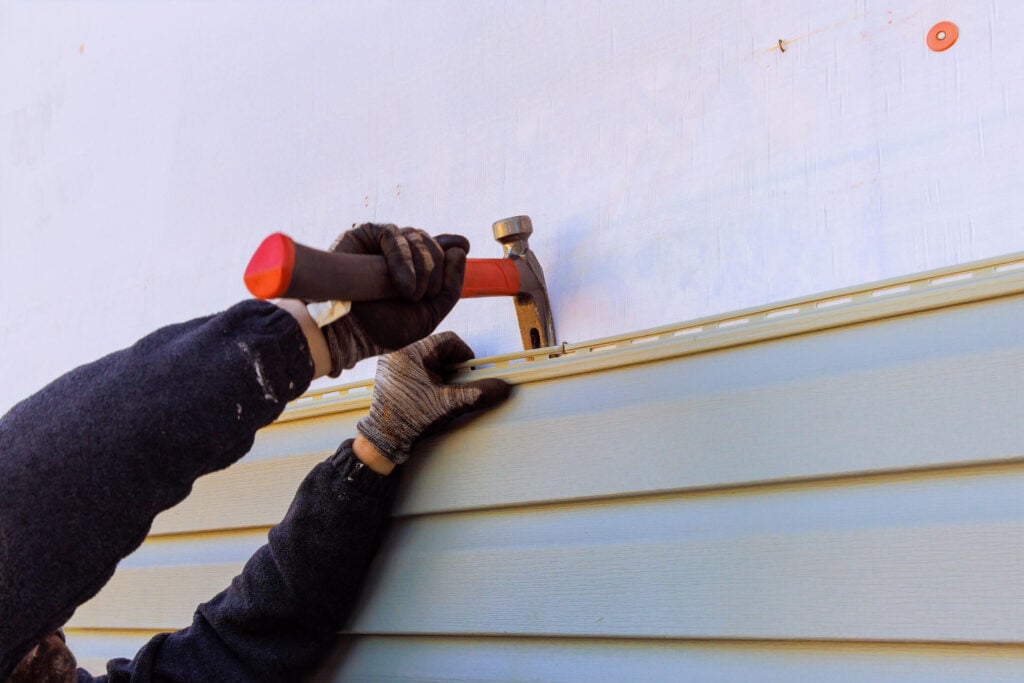
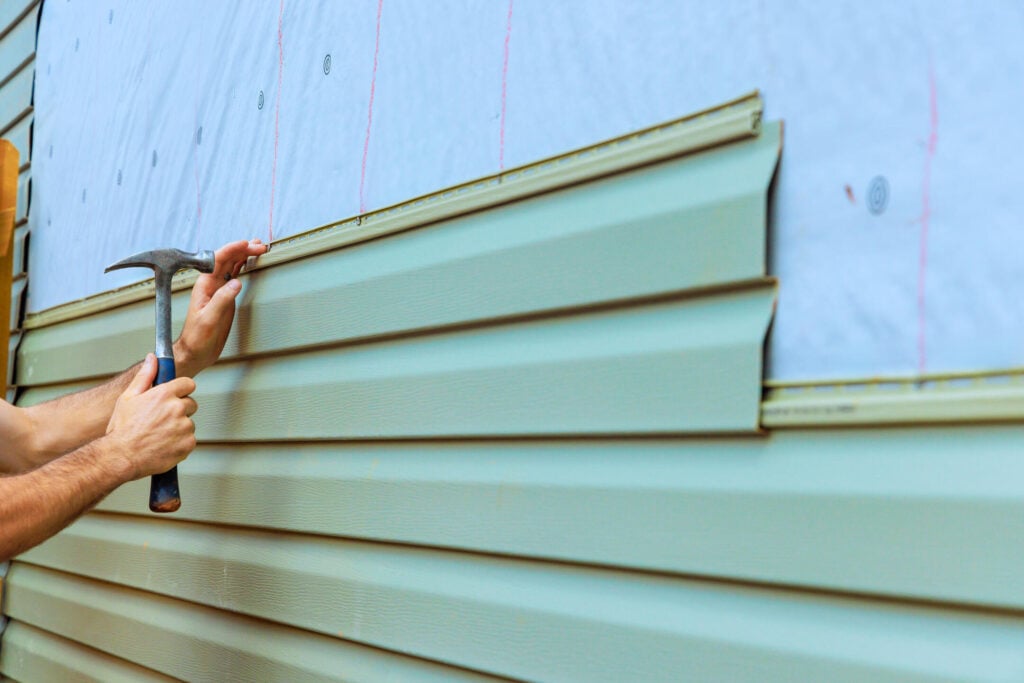
High winds can unlock panels from the course below and peel them off the wall entirely. Professionals use a zip tool to unzip the panel above, hook a new panel onto the course below, nail it through the nailing strip, and snap everything back into place.
3. Warping and Buckling
Vinyl expands and contracts with temperature changes. When panels are nailed too tightly or without room to move, they buckle and ripple. The fix involves removing the affected panels and reinstalling them with proper nail spacing and expansion gaps.
- Nails should be centered in the nailing slots
- Nail heads should leave a small gap so panels can slide
- Panels need space at trim and corners for expansion
4. Melting From Reflected Heat
Sunlight reflected off energy efficient windows, along with heat from grills or fire pits placed too close to the house, can distort vinyl. Damaged panels are replaced, and the heat source is addressed with screens, relocation, or heat resistant products.
5. Fading and Discoloration
Years of UV exposure can cause siding to fade unevenly, particularly on sunny exposures. Fading isn’t structural, but it makes color matching repairs more challenging and may signal the siding is nearing the end of a typical 30 to 40 year lifespan.
6. Dents and Hail Damage
Storms can leave dents, cracks, and chips across a whole side of the house. Contractors document the damage and replace affected panels, and widespread storm damage may be worth discussing with your insurance company.
7. Mold, Mildew, and Algae
Shaded walls and areas near sprinklers can develop green or black growth on the surface. Regular cleaning with warm, soapy water and a microfiber cloth or soft brush usually solves the problem without any repairs. If you use a power washer, keep it on a low setting and spray downward so water isn’t forced behind the panels, and remember that persistent growth may point to a moisture issue.
8. Gaps Around Trim and Corners
J channel, corner posts, and window trim can loosen or separate over time. Resecuring trim pieces and resealing where appropriate keeps water from slipping behind the siding at these vulnerable transitions.
9. Rot or Moisture Behind the Siding
Soft spots, bulging panels, or peeling interior paint near exterior walls can indicate water behind the siding. Fixing this requires removing panels, repairing damaged sheathing, and restoring the weather barrier before new siding goes back up.
10. Pest Damage
Woodpeckers, insects, and rodents sometimes create holes or nest behind loose panels. Repairs involve sealing entry points, replacing damaged sections, and addressing the source of the pest problem.
Some of these issues are simple, one panel fixes, while others reveal problems that go deeper than the surface. Identifying the cause is just as important as the repair itself, since fixing a symptom without solving the underlying problem only brings the damage back.
How Professionals Approach Vinyl Siding Repairs
A quality repair should be nearly invisible and last as long as the surrounding siding. Professionals rely on a few core techniques and best practices to make that happen.
- Panel replacement: Using a zip tool and sometimes a pry bar, installers lift the damaged panel, remove its nails, cut a replacement piece to the right length, and lock its lower edge into the course below without disturbing the rest of the wall.
- Color and profile matching: Finding a match means identifying the siding’s profile, exposure, and color. When an exact match isn’t available, some pros borrow a panel from a less visible area and use new siding there. For painted touch ups, a small sample can be taken to a paint counter for color matching.
- Patching minor damage: Small holes can be filled with caulk or an exterior grade patching compound, which should dry according to the manufacturer’s instructions before any finishing.
- Correct fastening: Nails go in the center of the nailing slot and are left slightly loose, allowing the vinyl to expand and contract without buckling.
- Weather barrier inspection: Any time panels come off, the house wrap and sheathing underneath should be checked for tears, water stains, or rot.
- Seasonal timing: Vinyl is more flexible in warm weather, so repairs are often easier and less likely to crack panels during milder months.
These details separate a lasting repair from a quick patch that fails within a season or two. Homeowners in Fairfax and surrounding areas should expect any contractor to explain how they’ll match the existing siding and what they’ll do if they find hidden damage.
Repair or Replace? Making the Right Call
Not every siding problem calls for a full replacement, and not every repair is worth doing on aging siding. The table below outlines when each option tends to make more sense, along with rough industry estimates. Keep in mind that repair costs also vary based on material quality and the skill of the professional labor involved.
| Situation | Repair | Replacement |
| Damage area | A few panels or isolated sections | Large areas or multiple sides of the home |
| Siding age | Relatively new or mid life | Older, faded, or brittle siding |
| Color matching | Matching panels are available | No acceptable match exists |
| Hidden damage | None or minimal | Widespread rot or moisture problems |
| Rough cost | Often a few hundred dollars for small repairs | Often $5 to $12 per square foot installed |
When Replacement Offers More Value
If your siding is faded, brittle, or damaged on several walls, replacement can be the more practical investment. Replacement siding restores curb appeal, gives you a fresh warranty, and creates an opportunity to upgrade insulation or switch to a different material.
Exploring Other Siding Options
Some homeowners use replacement as a chance to move to fiber cement, engineered wood, or insulated vinyl. Each offers a different balance of cost, durability, and energy efficiency.
The right answer depends on the condition of your existing siding and how long you plan to stay in your home. An honest assessment helps you avoid paying for repeated repairs when a replacement would deliver better long term value.
Frequently Asked Questions About Vinyl Siding Repair
Homeowners often have similar questions when they notice damaged siding. Here are quick answers to some of the most common ones.
Can a single vinyl siding panel be replaced?
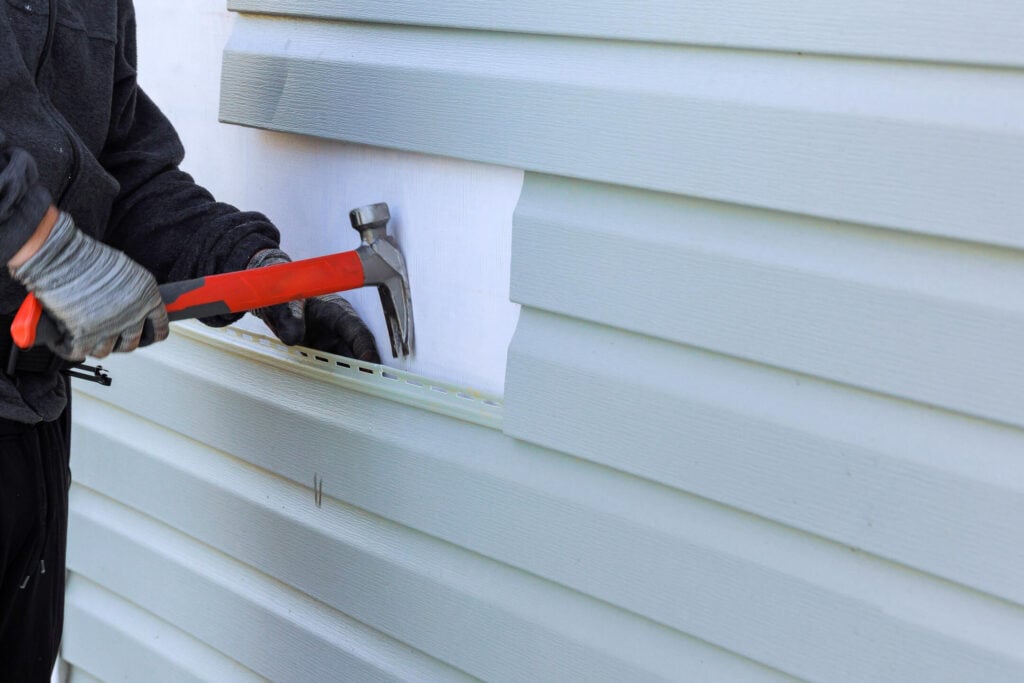
Yes. Vinyl siding is designed with interlocking panels, so a professional can unlock and replace a single damaged piece without removing the rest of the wall.
Will a repaired panel match my existing siding?
It depends on the age and color of your siding. Newer siding is usually easier to match, while older, faded siding may require borrowing panels from a less visible area.
Is it okay to caulk cracks in vinyl siding?
Caulk or vinyl siding patch kits can handle very small holes and cracks, but they rarely blend in perfectly, and quick fixes like duct tape won’t hold up outdoors. For larger damage, replacing the section offers a more reliable, cleaner result.
How much does vinyl siding repair cost?
As a rough estimate, small repairs often cost a few hundred dollars, while larger projects are priced by the square foot. Hidden damage behind the siding can increase the total.
Does homeowners insurance cover siding damage?
Insurance may cover siding damaged by sudden events like hail, wind, or falling trees. Wear, fading, and age related damage are typically not covered.
Every home is different, so these answers are a starting point rather than a final recommendation. A professional inspection can confirm the extent of the damage and the best path forward.
Keep Your Siding Working as Hard as You Do
Vinyl siding protects your home every day, and quick attention to small problems keeps that protection intact. Roof Troopers installs premium siding options, including vinyl from trusted brands like Mastic, and provides honest recommendations about whether repair or replacement makes the most sense for your home.
If you’re noticing cracks, loose panels, or warping at your home in Fairfax and surrounding areas, our team is ready to take a closer look. Contact us today to schedule a consultation and get clear guidance on your next steps.
Don’t pay for your roof until 2027!
0% APR, same as cash for 24 months
Get Started Today!
"*" indicates required fields