Picking the right shingle color is one of the most permanent decisions you’ll make for your home’s exterior. Do it well and you’ll love how your house looks every time you pull into the driveway for the next 30 years. The full palette of CertainTeed shingle colors is wider than most homeowners realize, and understanding what’s available makes the entire selection process faster and more confident. If you’re already thinking about a replacement, explore what goes into a full roof installation before you dive into color options.
Here’s what this guide covers:
- Why CertainTeed is a trusted manufacturer for color and performance
- A breakdown of CertainTeed’s Landmark series shingle lines and their color palettes
- The most popular CertainTeed colors and what homes they work best on
- How to match CertainTeed shingles to your home’s siding, trim, and architecture
- What the warranty covers and why it matters for your color investment
Why CertainTeed Stands Apart as a Shingle Manufacturer

Not all architectural shingles are built the same, and color is only one piece of the equation. CertainTeed has been manufacturing roofing products for over 100 years, and the Landmark series in particular has become the benchmark for dimensional asphalt shingles across North America by combining durability and beauty in a product line built to achieve lasting curb appeal. When a manufacturer has that kind of track record, the color options they offer carry more meaning because the color is backed by real performance longevity.
For homeowners in Alexandria and surrounding areas, choosing CertainTeed means you’re getting shingles with a Class A fire rating, the highest rating possible, along with UL 2218 Class 3 impact resistance on the Landmark and Landmark PRO lines, giving your home added safety and peace of mind. That warranty includes SureStart protection, which covers 100% of material and labor costs in the event of a manufacturing defect during the critical early years after installation. The color you choose isn’t just an aesthetic decision. It’s backed by a product built to hold that color and protect your home for decades.
Here’s why CertainTeed color selection deserves serious attention:
- Palette depth: The range of certainteed landmark colors includes 21 color options, with the PRO line adding a full range of Max Def tones for greater richness and dimensional depth.
- Algae resistance built in: Most Landmark shingles feature StreakFighter® copper-infused granules that help prevent algae growth and support long term performance with less maintenance.
- Max Def technology: The Landmark PRO and Premium lines use a richer, more varied mix of surface granules to create colors with more depth and visual complexity than standard shingles, making the color appear more realistic and less flat on the roof.
- Color visualizer tool: CertainTeed offers digital tools that help homeowners visualize shingle colors on photos of real homes before making a final decision, and importantly, see how tones work with the rest of the exterior.
- Regional availability: While the full palette is extensive, specific colors vary by location, and estimates or scheduling can reflect regional stock through local suppliers and installers.
4 CertainTeed Landmark Series: Which Line Matches Your Needs
The Landmark series is CertainTeed’s flagship residential shingle product, and it comes in multiple tiers. Each tier carries its own color options, weight, impact resistance rating, and warranty coverage. Understanding which line you’re considering helps narrow down which colors are actually available to you.
1. Landmark (Standard)
The standard Landmark shingle is the entry point of the series and one of the most widely installed architectural shingles in the country. It features a two-piece laminated fiberglass construction designed to replicate the dimensional look of natural cedar shake.
The standard Landmark line includes over 20 color options:
- Charcoal Black, Cinder Black, and Moire Black for dark, bold finishes
- Georgetown Gray, Cobblestone Gray, Granite Gray, and Thunderstorm Gray for gray families
- Colonial Slate and Pewterwood for cool, medium tones
- Weathered Wood, Driftwood, Resawn Shake, and Pewter for warm brown and wood-inspired tones
- Heather Blend and Silver Birch for lighter, cooler neutral finishes
- Burnt Sienna, Sunrise Cedar, and Terra Cotta for warm rust and amber tones
- Mojave Tan for a sand-inspired neutral
This line carries a wind rating of 110 to 130 mph depending on installation method and comes with CertainTeed’s standard SureStart warranty protection.
2. Landmark PRO
Landmark PRO is the most popular choice among professional roofing contractors, and the color range is a significant reason why. This line is heavier and thicker than the standard Landmark, carries more sealant on the underside, and is manufactured with CertainTeed’s Max Def granule technology for deeper, more vibrant color.
The Max Def palette for Landmark PRO includes colors like:
- Max Def Moire Black and Max Def Charcoal Black for dramatic dark finishes
- Max Def Georgetown Gray and Max Def Cobblestone Gray for premium gray tones
- Max Def Weathered Wood and Max Def Driftwood for dimensional wood-inspired neutrals
- Max Def Colonial Slate and Max Def Pewterwood for cool stone tones
- Max Def Heather Blend and Max Def Silver Birch for lighter finishes
- Max Def Burnt Sienna, Max Def Hunter Green, and Max Def Atlantic Blue for homeowners wanting color with real character
Landmark PRO carries a UL 2218 Class 3 impact resistance rating and is eligible for CertainTeed’s enhanced SureStart PLUS warranty coverage when installed by a credentialed contractor.
3. Landmark Premium
Landmark Premium is the top tier of the Landmark line, offering the heaviest shingle weight and maximum dual-layer protection. It’s manufactured in a more limited palette focused on the most premium Max Def tones, including Max Def Weathered Wood and Max Def Moire Black as the most requested colors. This line is a strong fit for homeowners who want the very best material performance alongside a refined color presentation with added dimension.
4. Landmark ClimateFlex
ClimateFlex is CertainTeed’s Class 4 impact-resistant option within the Landmark family. It’s engineered to withstand hail and debris impact, with Class 3 or Class 4 ratings for homeowners in areas prone to high wind and harsh weather, which makes it a relevant consideration for Northern Virginia’s storm season. Color availability on this line is more focused, which can matter when planning a roof replacement, but it includes strong performers like Charcoal Black and Weathered Wood.
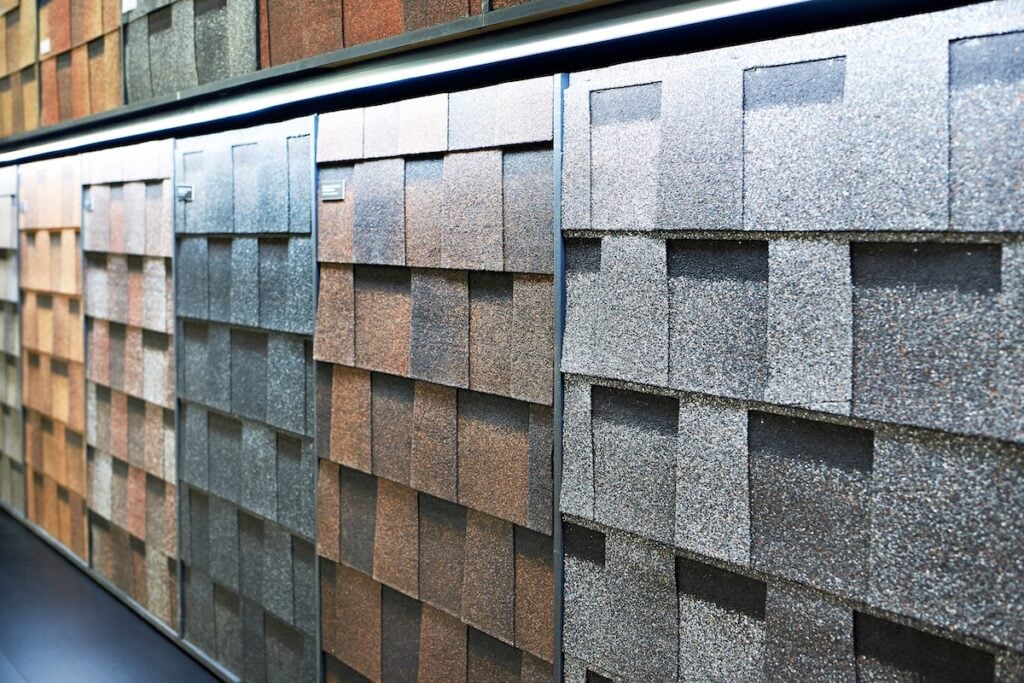
The Most Popular CertainTeed Colors and Why Homeowners Choose Them
With a palette this large, it helps to understand which colors consistently come out on top and what makes each one work well in real-world applications. These are the colors homeowners in Alexandria and surrounding areas request most often, along with the reasons they remain perennial favorites.
Weathered Wood
Weathered Wood is one of the most recognized CertainTeed colors ever produced. It blends soft browns, tans, and gray tones to create the appearance of natural aged wood without the weight, fragility, or maintenance demands of actual wood shake. The Max Def version available on the PRO and Premium lines adds even more visual complexity to an already rich blend.
This color works especially well on craftsman, colonial, and traditional-style homes with brick or earth-tone siding. Warm earth tones pair well with traditional or Craftsman homes, while sleek, darker colors suit modern and contemporary designs when matching roofing to the overall home style. It has been a consistently top-selling color across the country for decades, which is itself a strong signal of its lasting appeal.
Georgetown Gray
Georgetown Gray is a warm, mid-tone gray that sits between the cooler slate grays and the deeper charcoals. It’s versatile enough to work on nearly any architectural style and plays well with both light and medium-toned siding. The Max Def version is especially popular because the additional granule depth makes the gray feel rich rather than flat.
For homes in Alexandria and surrounding areas with the mix of colonial, contemporary, and townhome styles common across Northern Virginia, Georgetown Gray is one of the more reliable all-purpose choices in the CertainTeed lineup.
Moire Black
Moire Black is CertainTeed’s premium near-black option. Unlike a flat black shingle, Moire Black incorporates subtle tonal variation in its granule blend, with dark brown undertones that add depth in a way reminiscent of black walnut, giving the roof surface visual texture at close range while reading as a clean, bold dark tone from the street. The Max Def version intensifies that dimensional quality even further.
This color pairs beautifully with white, light gray, or cream siding and works especially well as a neutral color choice for homes with light exteriors. It is also a strong fit for modern farmhouse, contemporary, and traditional colonial styles.
Colonial Slate
Colonial Slate is a sophisticated dark slate gray with blue-gray undertones. It’s one of CertainTeed’s most distinctly architectural colors in that it creates a roof that looks almost like natural slate without the significant cost and weight of real stone. Homes with formal architecture, stone or brick exteriors, and classic proportions tend to look particularly strong with Colonial Slate overhead.
Heather Blend
Heather Blend is a lighter, cooler option in the CertainTeed palette that blends soft grays with subtle warm undertones, and in hot, sunny climates lighter shades can reflect solar heat and handle sunlight to help keep cooling costs manageable. It’s a practical choice for homeowners who want a roof that recedes visually rather than commanding attention, and it’s particularly effective in neighborhoods where homes sit close together and exterior harmony matters.
How to Match CertainTeed Colors to Your Home’s Exterior
Knowing the color names is only half the job. The other half is understanding how those colors interact with the rest of your home’s exterior so the final result looks intentional and cohesive. A few practical principles make this significantly easier.
Work From Your Fixed Elements
Your fixed elements are the things you’re not changing during this project: siding color, brick or stone accents, window trim, and architectural details on the facade. Your shingle color needs to complement those elements, not compete with them.
If your home has warm-toned brick, a warm blend like Weathered Wood or Burnt Sienna creates continuity. If your home has cool gray or blue-toned siding, Colonial Slate or Georgetown Gray creates a harmonious palette. If you have a white or cream exterior, you have maximum flexibility and can go as dark as Moire Black or as neutral as Heather Blend depending on the look you want.
Use Contrast Thoughtfully
Contrast between the roof and the exterior walls is generally a good thing. A dark roof on a light house creates drama and visual grounding. A medium-toned roof on a medium-toned exterior can feel flat and undifferentiated. If your siding is already a strong color, like a deep navy or charcoal gray, a lighter or more neutral shingle keeps the exterior from feeling too heavy.
Request Physical Sample Boards
Digital visualizers are useful, but shingle colors in photos and on screens often look slightly different than they do in natural light on an actual roof. Before finalizing your choice, ask your contractor to bring physical sample boards to your home. Holding the sample against your siding in outdoor light is the most accurate way to evaluate the actual color relationship.
Roof Troopers uses a design mockup tool that helps homeowners visualize CertainTeed color options on their actual home. Combined with physical samples, this gives you a complete and accurate picture before anything gets installed. More importantly, seeing samples on the roof is the best way to confirm your choice before installation.
Consider How the Color Ages
CertainTeed’s StreakFighter algae-resistance technology helps maintain color clarity over time, but it’s still worth thinking about how the color you choose will look as the roof naturally weathers. Granule blends that already incorporate tonal variation tend to age more gracefully than flat single-tone colors, because the natural weathering process adds to rather than detracts from the dimensional effect. Max Def colors in the Landmark PRO and Premium lines are particularly well suited to aging beautifully for this reason.
What You Should Know About Your CertainTeed Warranty
The warranty behind your shingles matters as much as the color on top of them. CertainTeed’s warranty structure is one of the more layered and comprehensive in the residential roofing industry, and understanding it helps you know exactly what protection you’re getting with your investment, with coverage that also supports reliable protection over time.
All CertainTeed Landmark shingles carry a lifetime-limited warranty for individual homeowners, which covers manufacturing defects for as long as the original homeowner owns the property. The SureStart protection period within that warranty covers 100% of material and labor costs during the critical early years after installation, with no proration.
When shingles are installed by a CertainTeed credentialed contractor, homeowners may be eligible for SureStart PLUS enhanced coverage, which extends full protection for up to 50 years depending on the coverage tier selected. This covers materials, labor, tear-off, and disposal costs in the event of a covered defect, which is a level of protection you won’t find with most competitors.
Roof Troopers is an authorized installer of CertainTeed products. Every new roof they install is automatically registered for the manufacturer warranty at no additional cost to the homeowner. On top of that, Roof Troopers backs its own work with a 10-year workmanship pledge, which means if the manufacturer warranty doesn’t cover a workmanship-related issue, Roof Troopers will take care of it directly. That combination of manufacturer and contractor coverage is among the strongest warranty packages available to homeowners in the area.

Ready to Choose Your CertainTeed Color? Start With a Free Inspection
CertainTeed’s color palette gives homeowners real options, and the quality behind every color in the Landmark series means that whatever you choose is backed by one of the most trusted names in residential roofing. The decision gets easier when you have the right support walking you through it.
Roof Troopers serves homeowners across Northern Virginia from their base in Alexandria and surrounding areas. Every inspection is free and no-obligation, every estimate is fully itemized, and the team brings the tools and expertise to help you find the right CertainTeed color for your specific home. Available recommendations can also include Solaris options designed to reflect solar heat and help reduce cooling costs where appropriate. Homeowners considering upscale alternatives can also ask about luxury shingles such as Grand Manor for a premium look, layered protection, and more color choices. Customers consistently describe the process as one where everything was explained clearly, the team worked with their needs, and the final result exceeded what they expected going in.
When you’re ready to move forward, contact us today and schedule your free inspection. Roof Troopers will bring the samples, run the mockup, and help you review complete system components like ridge, hip, and caps during planning so you can make a confident choice that protects your home for decades.
FAQs
How do I choose the best CertainTeed shingle color for my home?
Start with your home’s architectural style and the color of your siding, brick, or stone. Choose a shingle color that creates clear contrast with your exterior rather than matching it too closely. View samples in natural daylight at different times of day, and use CertainTeed’s ColorView tool or Roof Troopers’ design mockup to preview colors on your actual home before committing.
Does roof color affect energy efficiency?
It does, but the impact in Northern Virginia’s mixed climate is smaller than many homeowners expect. Lighter shingles reflect more sunlight and can reduce attic heat in summer, while darker shingles absorb more heat. However, a 2024 Oak Ridge National Laboratory study found that reflective roofing savings diminish significantly in Mid Atlantic climates compared to hot southern regions. Attic insulation and ventilation have a much larger impact on energy performance than shingle color alone. If energy efficiency is a priority, CertainTeed’s Landmark Solaris shingles offer solar reflective technology in select colors.
Will my CertainTeed shingles fade over time?
All asphalt shingles experience some degree of color change over time due to UV exposure and weathering. CertainTeed’s StreakFighter technology, which uses copper infused granules, helps prevent the black algae streaks that are common in humid climates like Northern Virginia. Multi toned and blended colors like Weathered Wood and Heather Blend tend to mask fading and surface buildup more effectively than solid single tone colors.
What is the difference between standard and Max Def colors?
Max Def is a granule blending process used on Landmark PRO and Landmark Premium shingles that creates higher contrast and richer color depth compared to the standard Landmark palette. The same color name (for example, Georgetown Gray) will look noticeably more vibrant and dimensional in its Max Def version. If color richness and curb appeal are priorities, Landmark PRO with Max Def colors is worth the upgrade.
Are CertainTeed shingles available in energy efficient colors?
Yes. CertainTeed’s Landmark Solaris line uses solar reflective granule technology that can reflect more than 40% of UV rays. Solaris shingles are rated by the Cool Roof Rating Council and are available in select colors including Weathered Wood and Graphite. They meet regulatory benchmarks in Washington, D.C. and other metro areas with cool roof requirements.
How can I visualize different shingle colors on my home?
CertainTeed offers a free online ColorView tool where you can upload a photo of your home and digitally apply different shingle colors. Roof Troopers also provides a design mockup tool during the consultation process so you can see how specific colors and styles will look on your actual home before making a final decision.
Does Roof Troopers help with color selection?
Yes. During your consultation, the Roof Troopers team walks through color options based on your home’s style, siding, and neighborhood context. We can show you physical samples, run the design mockup tool, and confirm which CertainTeed colors are currently available in the Northern Virginia market.
Sources Used
- CertainTeed: Landmark series product pages, Max Def color technology, Solaris Cool Roof specifications — https://www.certainteed.com/landmark
- U.S. Department of Energy: White roofs can reflect 60% to 90% of sunlight — referenced via GAF (https://www.gaf.com/en-us/blog/your-home/best-roofing-materials-and-colors-for-energy-efficiency-281474980274679)
- Oak Ridge National Laboratory: 2024 study on energy savings from reflective roofing across climate zones (Houston, Baltimore, Minneapolis) — referenced via Owens Corning (https://www.owenscorning.com/en-us/roofing/blog/solar-reflectivity)
- National Association of Realtors: 2025 Remodeling Impact Report, new roofing received a perfect Joy Score of 10, 37% of agents recommend roof replacement before listing — https://www.nar.realtor/research-and-statistics/research-reports/remodeling-impact
- InterNACHI: Standard Estimated Life Expectancy Chart, architectural asphalt shingles at approximately 30 years — referenced via Owens Corning (https://www.owenscorning.com/en-us/roofing/blog/when-to-replace-your-roof)
Don’t pay for your roof until 2027!
0% APR, same as cash for 24 months
Get Started Today!
"*" indicates required fields