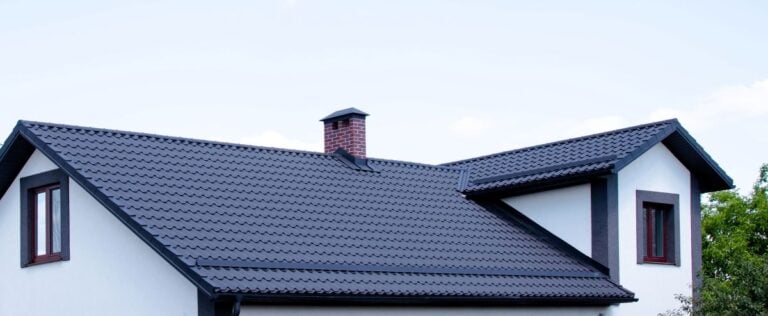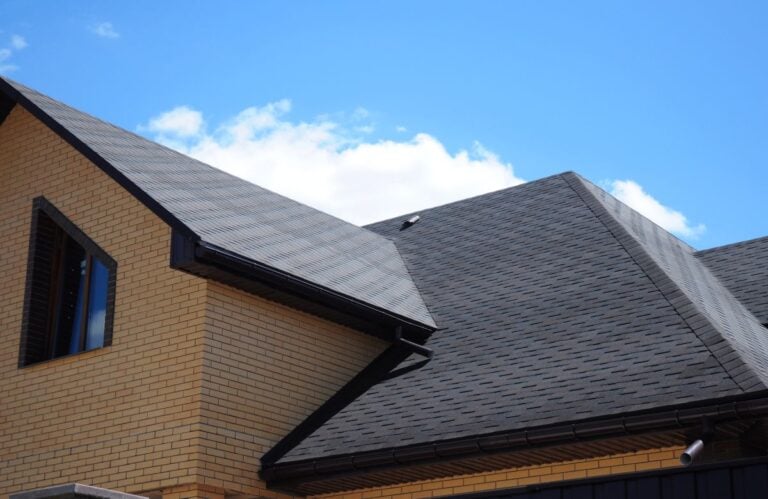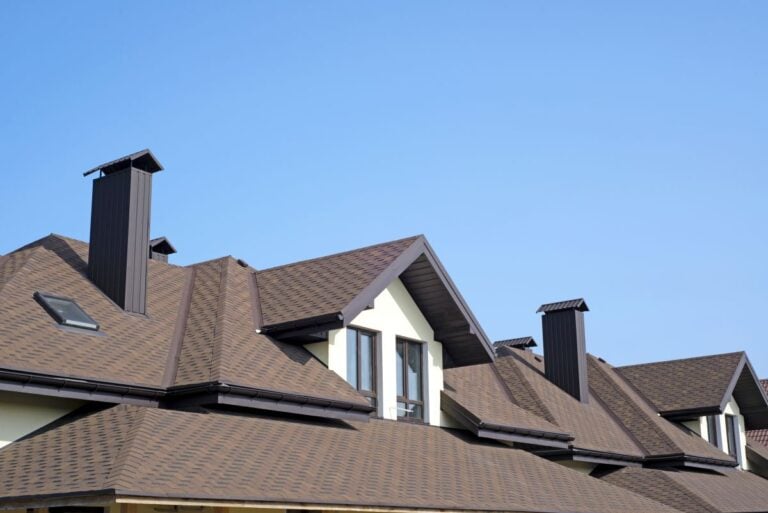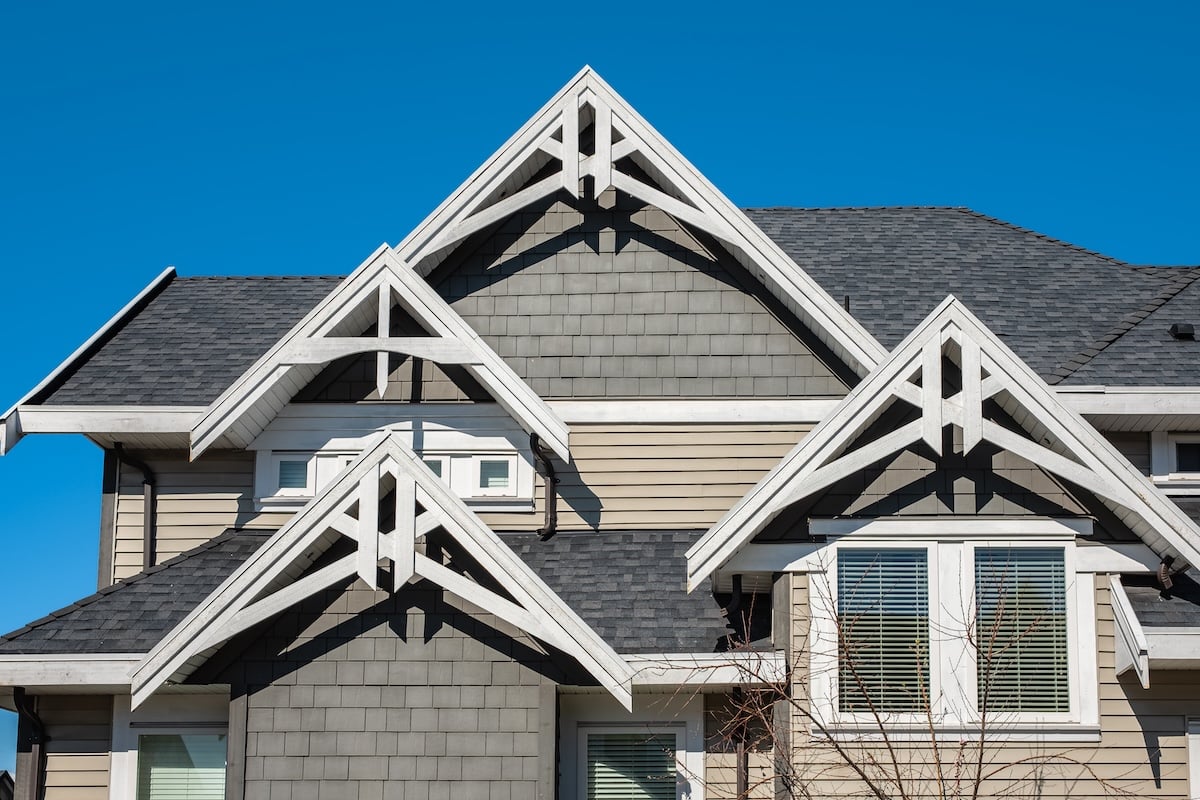

When it comes to home improvements, choosing the right roofing material is critical for both comfort and cost savings. Energy efficient roofing Virginia options not only help regulate indoor temperatures but also reduce energy bills significantly. Selecting the proper materials can transform your home’s energy profile, especially in a state where weather conditions vary seasonally. For those considering an upgrade, exploring the range of roofing solutions available through reputable general roofing services can provide valuable insights and assistance.
- Understanding energy efficiency in roofing: Why it matters in Virginia’s climate.
- Comparing common roofing materials: Benefits and drawbacks related to energy savings.
- Top energy efficient roofing materials: What works best and why.
- Installation and maintenance tips: Ensuring your roof performs optimally over time.
Why Energy Efficient Roofing is Essential in Virginia
Virginia’s climate presents unique challenges, with hot summers and cold winters requiring roofs that can adapt to thermal shifts. Energy efficient roofing in Virginia plays a crucial role in maintaining a comfortable interior environment year-round while managing energy consumption.
- Climate Adaptability: Roofs must withstand temperature extremes to reduce heating and cooling needs.
- Utility Savings: Energy efficiency translates directly into lower utility bills during peak seasons.
- Environmental Impact: Choosing the right roofing minimizes carbon footprints by reducing reliance on HVAC systems.
- Enhanced Comfort: Consistent indoor temperatures improve living conditions and protect home interiors.
- Increased Property Value: Energy-efficient homes tend to attract more buyers and have higher resale value.
5 Best Roofing Materials for Energy Efficiency in Virginia
Selecting the best roofing material involves weighing factors like durability, reflectivity, insulation, and suitability to local climates. Below are five top choices that promote energy savings effectively in Virginia homes.
1. Metal Roofing
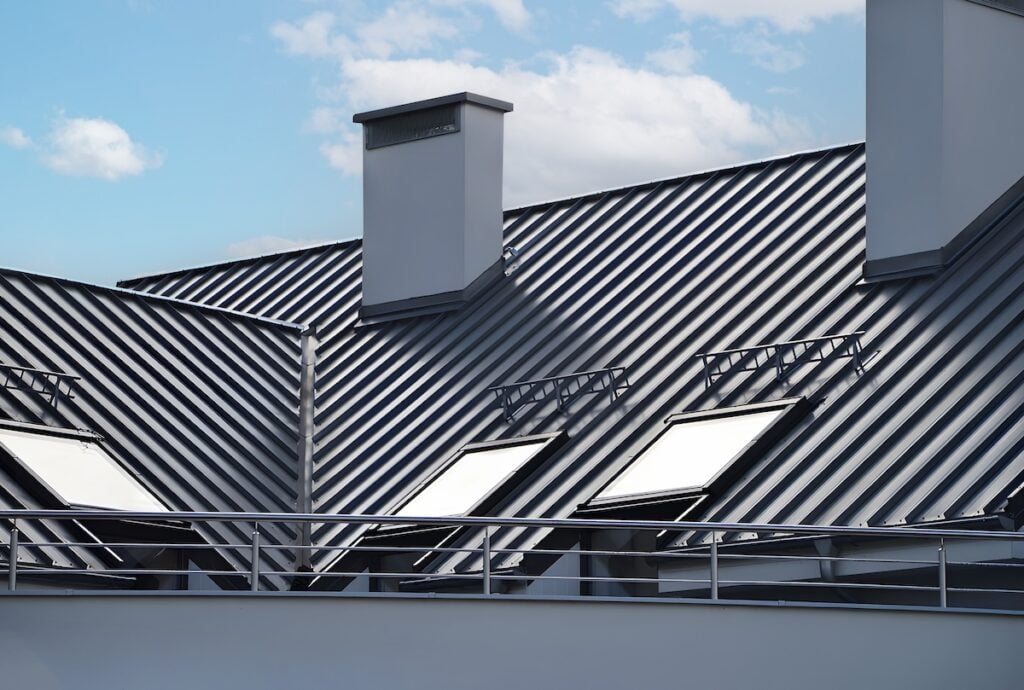
Metal roofs are highly reflective, bouncing back solar radiant heat and reducing cooling costs in warm months.
- Energy Reflectivity: Reflects up to 70% of solar radiation.
- Durability: Long lifespan with resistance to weather elements.
- Recyclability: Environmentally friendly option at the end of life cycle.
2. Clay and Concrete Tiles
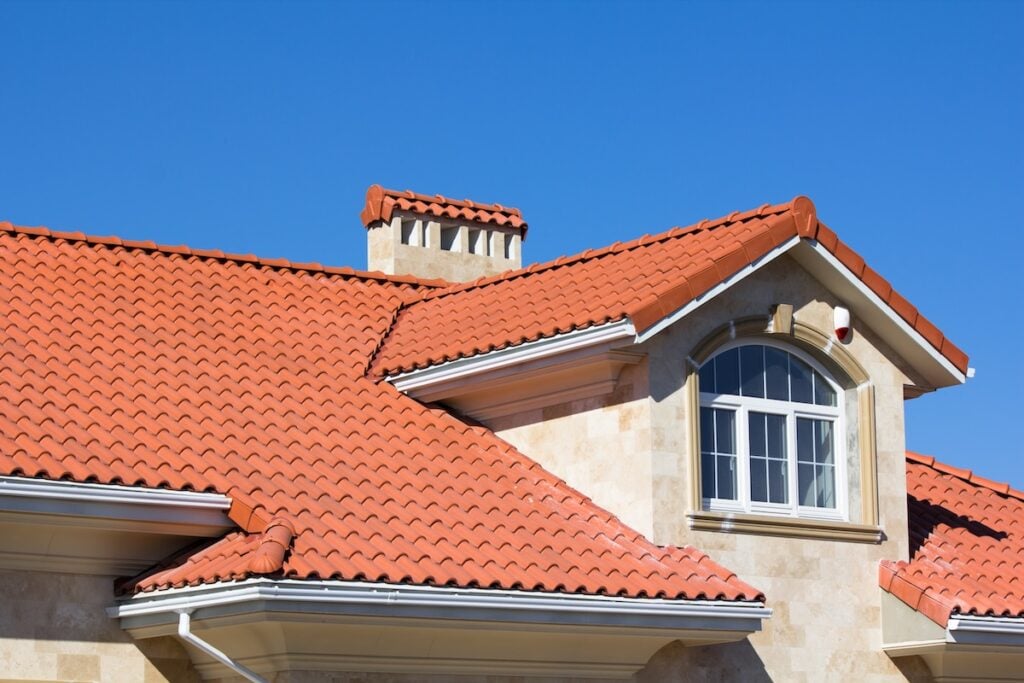
Clay and concrete tiles offer great thermal mass, meaning they absorb and slowly release heat, keeping indoor temperatures stable.
- Thermal Mass: Regulates temperature swings by slow heat transfer.
- Longevity: Extremely durable, often lasting over 50 years.
- Aesthetic Appeal: Traditional look that suits many Virginia architectural styles.
3. Asphalt Shingles with Cool Roof Coating
Asphalt shingles are common but adding a cool roof coating significantly improves their energy efficiency by reflecting more sunlight.
- Cost-Effectiveness: Affordable initial investment and widespread availability.
- Enhanced Reflectivity: Reflective coatings can reduce heat absorption.
- Maintenance: Easy to maintain and repair when necessary.
4. Synthetic Roofing Materials
Synthetic materials mimic the appearance of natural ones but often come with improved energy-saving properties and lighter weight.
- Lightweight: Easier installation and less structural strain.
- Energy Efficiency: Better constants in thermal regulation compared to traditional materials.
- Variety: Available in numerous styles and colors.
5. Green Roofs
Green roofs are layers of vegetation installed over waterproof membranes that provide natural insulation and reduce urban heat island effects.
- Insulation: Provides excellent thermal barrier, reducing heating and cooling needs.
- Environmental Benefits: Improves air quality and manages stormwater runoff.
- Cost Considerations: Higher installation costs but long-term savings and environmental rewards.
Factors Affecting Your Roofing Material Choice in Virginia
While the materials themselves are important, several contextual factors influence which roofing option is best suited for your home in Virginia.
Climate and Weather Patterns
The roofing material must be capable of handling intense summer heat, occasional snow, and humidity while preserving energy efficiency throughout these changes.
Roof Pitch and Structure
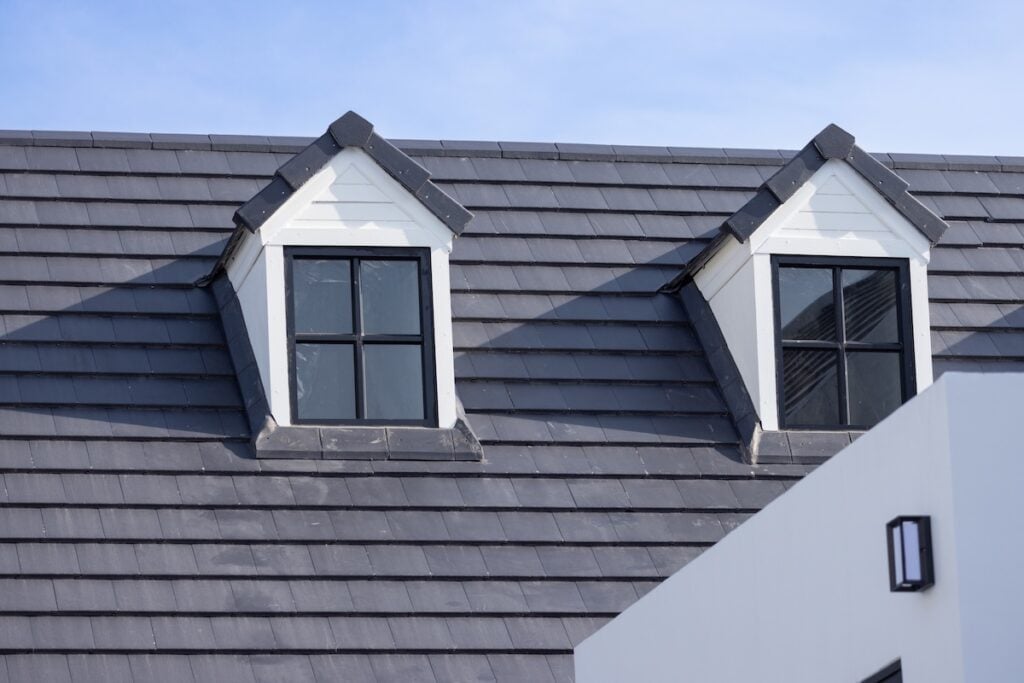
Your roof’s slope and structural integrity may limit the type of material that can be safely and effectively installed without additional reinforcements.
Budget Considerations
Initial investment varies widely among materials; balance upfront costs with long-term savings on energy bills to determine true value.
Local Building Codes and HOA Guidelines
Ensure compliance with Virginia’s building regulations and any homeowners association rules before selecting and installing a new roof.
Maintenance and Longevity
Some materials require more upkeep than others. Evaluating the time and cost for regular maintenance helps maintain energy efficiency over the roof’s lifespan.
Comparative Overview of Energy Efficient Roofing Materials
Below is a side-by-side comparison of key characteristics of popular energy efficient roofing options for Virginia homeowners considering both performance and practical factors.
| Material | Energy Efficiency | Durability | Cost Range | Maintenance |
| Metal Roofing | High reflectivity + heat resistance | 40–70 years | $$$ | Low |
| Clay/Concrete Tiles | Thermal mass moderation | 50+ years | $$$$ | Medium |
| Asphalt Shingles (Cool Roof) | Improved reflectivity with coating | 20–30 years | $–$$ | Medium |
| Synthetic Materials | Moderate to high | 30–50 years | $$$ | Low to medium |
| Green Roofs | Excellent insulation | Depends on maintenance | $$$$ | High |
Steps to Maximize Energy Efficiency with Your New Roof
Choosing an energy efficient roofing material is the first step. Proper installation and ongoing care finish the job to ensure your investment pays off in reduced energy costs and increased comfort.
Professional Installation
Work with roofing experts who understand energy efficiency principles and local Virginia building codes to achieve the best results.
Proper Insulation and Ventilation
Combine roofing materials with quality insulation and attic ventilation to maintain consistent indoor temperatures and prevent moisture buildup.
Reflective Coatings and Treatments
Consider adding reflective or cool roof coatings if your chosen material lacks inherent high reflectivity to enhance efficiency.
Regular Inspection and Maintenance
Schedule annual roof inspections to spot damage or wear that could compromise energy efficiency and address repairs promptly.
Energy Audits
Perform periodic home energy audits to measure your roof’s performance and identify potential improvements in insulation or ventilation.
Your Next Step Towards Energy Savings
Choosing the best roofing material for energy efficiency in Virginia is a smart investment that delivers both comfort and cost reduction. With diverse options like metal, clay tiles, and green roofs, it’s possible to find a solution tailored to your home’s unique needs and budget.
For expert guidance and high-quality installation, contact us today at Roof Troopers to get started on your energy efficient roofing project. Our team is ready to help you select and install the ideal roof to enhance your home’s efficiency and value.
Don’t pay for your roof until 2027!
0% APR, same as cash for 24 months
Get Started Today!
"*" indicates required fields