
Your roof silently protects your home year-round from wind, rain, heat, and snow—but most homeowners don’t think about it until there’s a leak. Regular inspections are key to catching small issues before they turn into costly repairs or replacements. Understanding roof inspection frequency Alexandria homeowners should follow helps you protect one of your home’s most valuable investments. To better understand what local experts recommend and how inspections fit into broader maintenance plans, explore trusted roofing insights for Alexandria that guide homeowners toward smart, preventive care.
Here’s what you’ll learn in this guide:
- How often your roof should be inspected based on climate and materials
- The key benefits of consistent roof inspections
- Signs that your roof needs professional attention sooner
- What to expect during a professional inspection
- Tips for maintaining your roof between visits
Why Regular Roof Inspections Matter
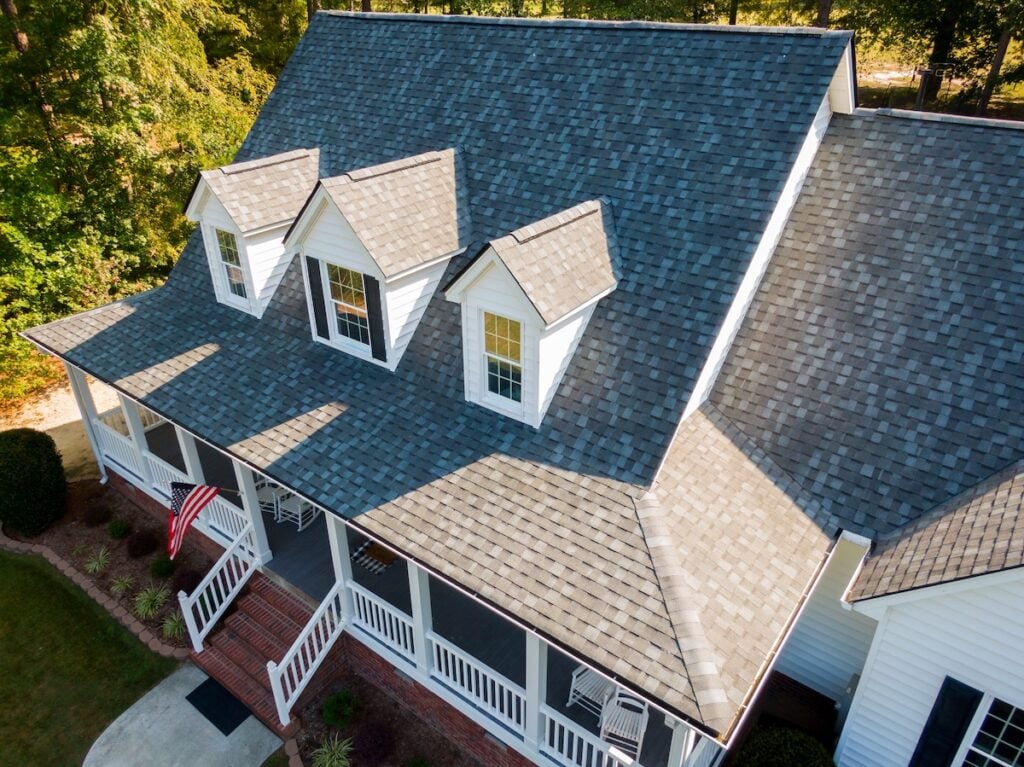
Your roof endures extreme weather conditions, from humid summers to freezing winters. Over time, even high-quality materials wear down, and small issues like lifted shingles or clogged gutters can lead to leaks, rot, or insulation problems. Scheduling regular inspections ensures your roof remains durable, efficient, and safe.
Here’s why consistent inspections are worth it:
- Prevents Costly Repairs: Catching small issues early avoids expensive damage to shingles, decking, or your home’s interior.
- Extends Roof Lifespan: Routine maintenance helps maximize the lifespan of your materials, often adding years to your roof’s life.
- Improves Energy Efficiency: A well-maintained roof keeps conditioned air inside, lowering utility bills in Alexandria’s hot summers and cold winters.
- Protects Home Value: A strong, damage-free roof enhances curb appeal and reassures buyers during resale.
- Maintains Warranty Coverage: Many manufacturers require regular inspections to keep warranties valid.
When you view roof care as a proactive step rather than a reaction to damage, you’ll save both time and money in the long run.
5 Key Times to Schedule a Roof Inspection
Homeowners often ask how frequently inspections should happen, but the answer depends on factors like material type, roof age, and local weather. In general, experts recommend professional roof inspections at least twice per year, plus additional checkups after severe storms or major weather events. Here’s a breakdown of when inspections matter most.
1. Twice a Year for Routine Maintenance
Spring and fall are ideal seasons for routine inspections.
In spring, inspectors look for damage caused by winter storms, snow, or ice buildup. They check flashing, gutters, and attic ventilation to make sure everything is functioning properly.
In fall, the focus shifts to clearing debris, checking seals, and preparing for incoming cold weather. Addressing small cracks or leaks before freezing temperatures arrive prevents water infiltration and ice damage.
2. After Major Storms
High winds, hail, and heavy rain can cause damage that isn’t immediately visible from the ground. After any severe weather event in Alexandria or surrounding areas like Arlington or Mount Vernon, it’s smart to have a professional assess your roof for:
- Missing or lifted shingles
- Cracked flashing or seals
- Dented metal panels
- Gutter or downspout blockages
- Water stains in the attic or ceilings
Timely post-storm inspections protect your home and make it easier to document damage for insurance claims.
3. When Buying or Selling a Home
A roof inspection is one of the most valuable steps in the real estate process. Buyers get peace of mind knowing the roof is sound, while sellers can identify issues that might delay a sale.
An inspection report also helps determine a fair home value and may serve as leverage during negotiations if repairs are needed.
4. After Roof Repairs or Installation
If you’ve recently had a repair or full roof replacement, schedule an inspection afterward to ensure all work meets building standards and warranty conditions.
A follow-up visit confirms that:
- New materials were installed correctly
- Flashing and underlayment are sealed
- Proper ventilation and drainage are in place
Verifying quality after major work adds another layer of protection for your investment.
5. If Your Roof Is 10 Years Old or Older
Even if your roof looks fine from the ground, aging materials can hide weaknesses. Older roofs require more frequent inspections because components like flashing, sealant, and shingles lose effectiveness over time.
Once your roof reaches 10 years, annual professional inspections become essential. This keeps small issues in check and helps plan for future repairs or replacements before emergencies arise.
What Happens During a Professional Roof Inspection
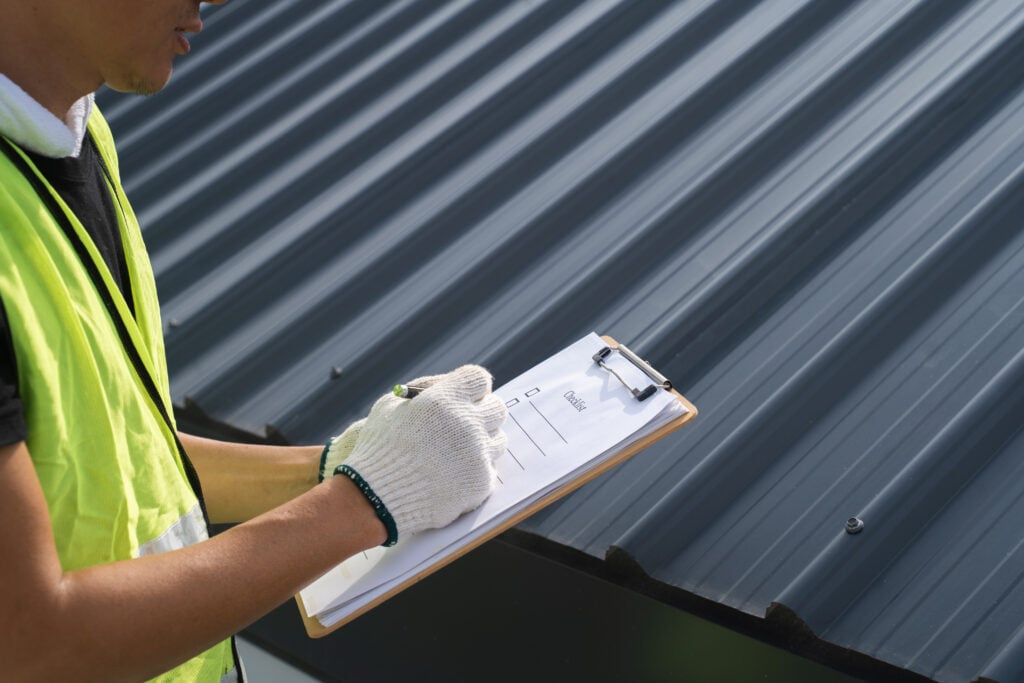
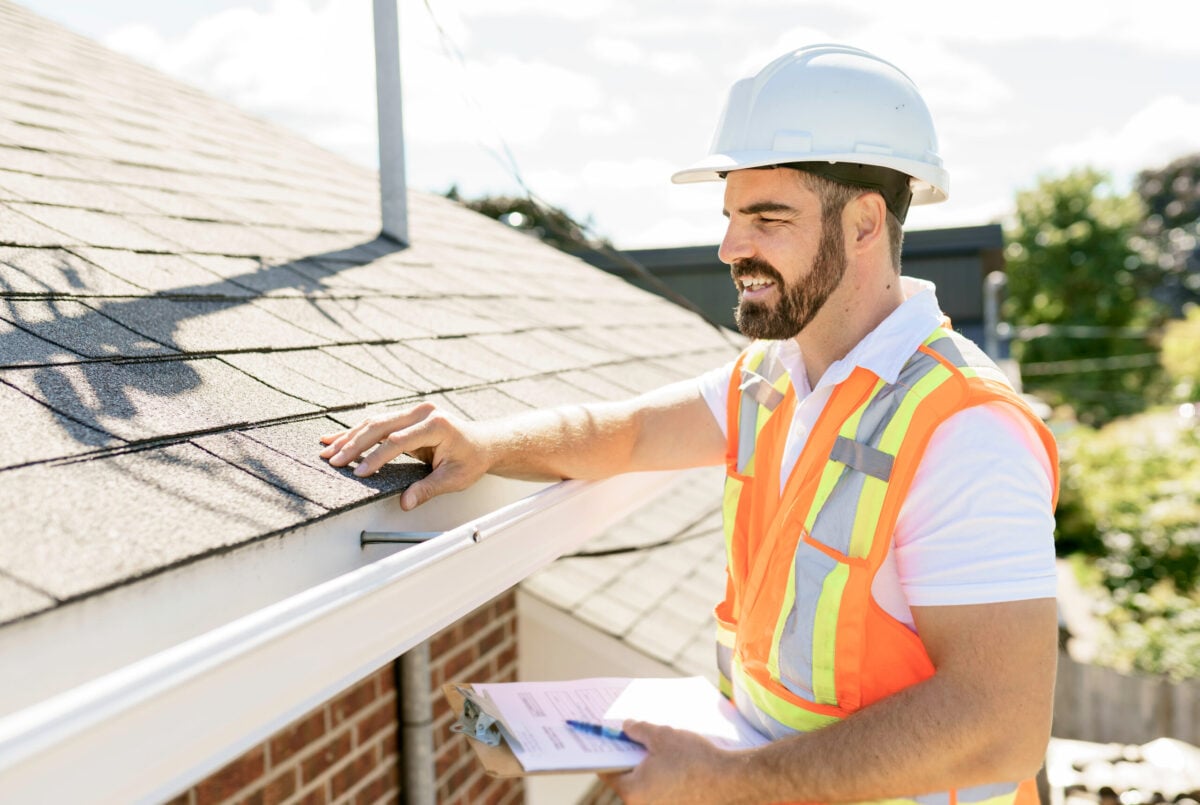
Understanding what’s included in an inspection helps homeowners see its value. A professional roofer follows a detailed checklist that covers both exterior and interior evaluations.
Typical inspection components include:
- Shingle or Material Condition: Checking for cracks, curling, granule loss, or punctures.
- Flashing and Seal Integrity: Ensuring watertight seals around chimneys, skylights, and vents.
- Gutter and Drainage System: Removing debris and confirming proper water flow.
- Attic Ventilation and Insulation: Evaluating airflow and moisture levels to prevent mold growth.
- Structural Stability: Looking for sagging, rot, or compromised decking.
- Signs of Leaks: Examining ceilings, walls, and insulation for water stains or dampness.
Your roofer may also use drones or moisture-detection tools for more accurate results, especially after severe weather.
Benefits of Following a Consistent Inspection Schedule
Committing to a routine inspection schedule does more than prevent leaks—it helps you manage your entire home’s condition.
- Early Problem Detection: Finding damage before it spreads can save thousands in repairs.
- Increased Energy Efficiency: Tight seals and proper insulation keep your heating and cooling systems running efficiently.
- Insurance and Warranty Protection: Documentation from regular inspections supports claims and validates product warranties.
- Peace of Mind: Knowing your roof is structurally sound helps you rest easier during storms and seasonal changes.
Regular professional inspections give you a clear picture of your roof’s condition and eliminate unpleasant surprises.
How to Handle Issues Found During an Inspection
If an inspection reveals damage or wear, addressing it quickly prevents long-term consequences.
- Minor Repairs: Small cracks, lifted shingles, or worn flashing can be fixed easily if caught early. Quick attention prevents leaks and preserves the surrounding structure.
- Moderate Repairs: If inspectors find multiple damaged sections, they may recommend partial re-roofing or material replacement. This strengthens weak areas and extends overall lifespan.
- Major Repairs or Replacement: For older or severely damaged roofs, a full roof replacement may be the safest and most cost-effective solution. Your contractor can provide a detailed estimate, help secure necessary permits, and complete the project according to Alexandria’s building codes.
DIY Roof Checks Between Professional Inspections
While professional inspections are essential, homeowners can perform simple visual checks between visits to spot potential problems early.
Here’s what you can safely do from the ground:
- Look for missing or curling shingles.
- Check gutters for shingle granules or buildup.
- Scan for dark streaks, mold, or sagging spots.
- Watch for signs of water leaks indoors, like ceiling stains.
If anything seems off, contact a professional before climbing onto the roof. Roof safety requires specialized equipment and training—always let experts handle detailed inspections or repairs.
Seasonal Roof Maintenance Tips for Alexandria Homeowners
Northern Virginia’s changing weather can take a toll on your roof. Tailoring your maintenance routine to the seasons helps you stay ahead of potential issues.
Spring:
- Clean gutters and downspouts.
- Check for storm damage or debris accumulation.
- Remove moss or algae buildup.
Summer:
- Inspect attic ventilation to prevent heat buildup.
- Look for signs of sun damage on shingles.
Fall:
- Clear leaves and branches from the roof surface.
- Check flashing and caulking before winter storms.
Winter:
- Watch for ice dams or icicle formation along roof edges.
- Schedule post-winter inspections once the weather warms up.
These habits complement your professional inspections and help maintain long-term roof performance.
Comparing Roof Inspection Frequency by Roof Type
Different roofing materials have different lifespans and maintenance needs. Here’s a quick comparison:
| Roof Type | Recommended Inspection Frequency | Expected Lifespan |
| Asphalt Shingle | Twice a year + after major storms | 20–30 years |
| Metal Roofing | Once a year + after hail or wind events | 40–70 years |
| Cedar Shake | Twice a year due to organic material maintenance | 25–40 years |
| Slate or Tile | Once a year + after seismic or wind activity | 50–100 years |
| Flat Roofing (TPO, EPDM) | Twice a year + after heavy rain | 20–30 years |
If your roof is made of multiple materials or includes skylights and complex angles, inspections may need to happen more often.

Protect Your Roof With Regular Inspections
Your roof is one of the most critical components of your home, and keeping it in top shape requires consistent attention. Regular inspections not only extend your roof’s lifespan but also protect your family and investment from costly repairs.
At Roof Troopers, we proudly serve Alexandria and surrounding areas with professional inspections, maintenance, and repairs. Our experts know exactly how to assess roofs in the region’s unique climate and ensure every system meets high standards of safety and performance. If it’s been a while since your last inspection—or you’re unsure of your roof’s current condition—contact us today to schedule a professional inspection and gain confidence in your roof’s strength year-round.
Don’t pay for your roof until 2027!
0% APR, same as cash for 24 months
Get Started Today!
"*" indicates required fields