
A roof inspection is one of those things homeowners know they should schedule but often put off until something goes wrong. Understanding what an inspection actually involves, and how it connects to the broader health of a home’s roofing system, can make the whole process feel a lot less intimidating. Below are answers to the questions Northern Virginia homeowners ask most often before booking one, from what gets checked to what happens once the report is in hand.
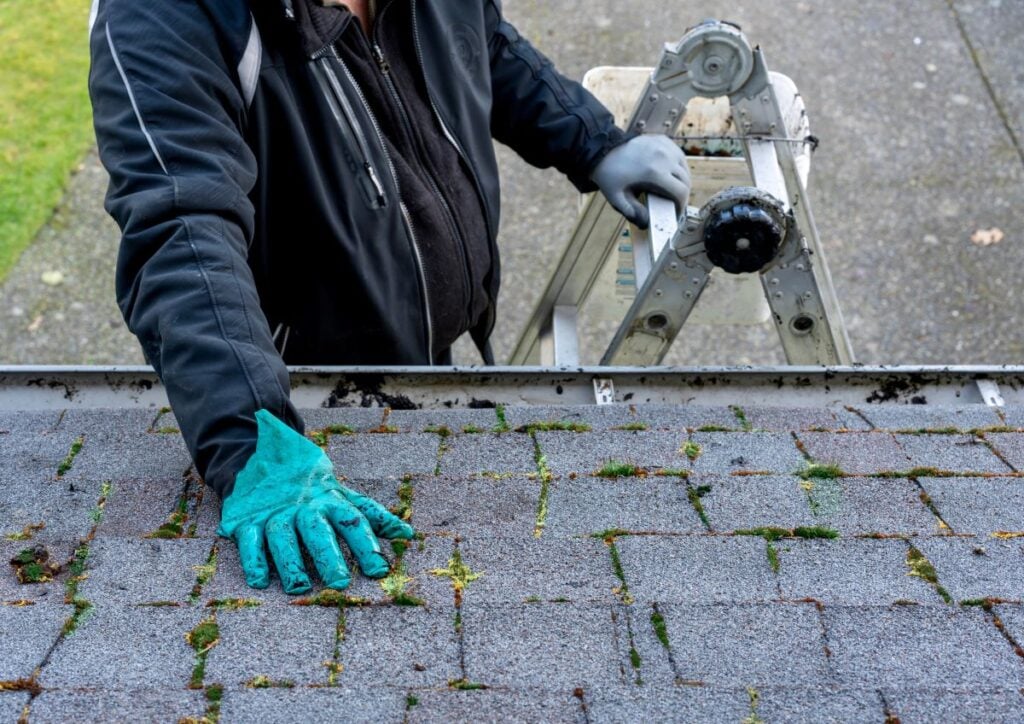
Understanding Roof Inspections
Q: What exactly does a roof inspection cover?
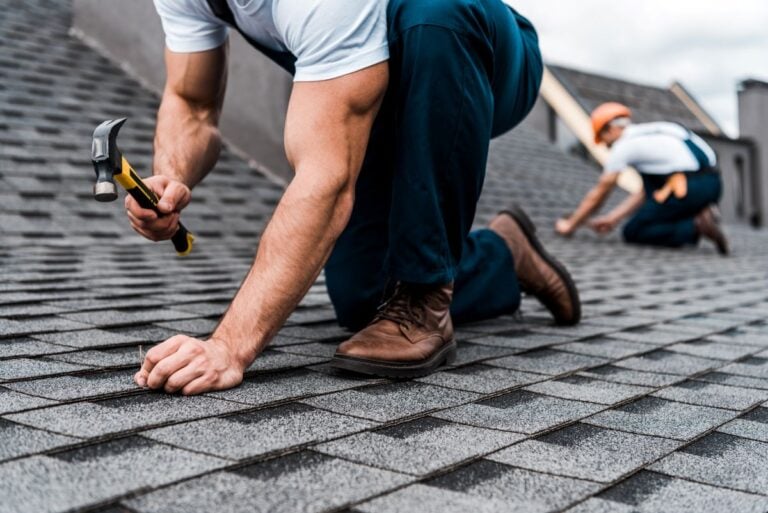
A: A thorough inspection typically checks shingles, flashing, gutters, vents, and the attic space for signs of damage or wear. The goal is to catch small issues, like lifted shingles or minor leaks, before they turn into larger, more expensive problems down the road, giving homeowners a clearer picture of the roof’s overall condition.
Q: Do I need an inspection if my roof looks fine?
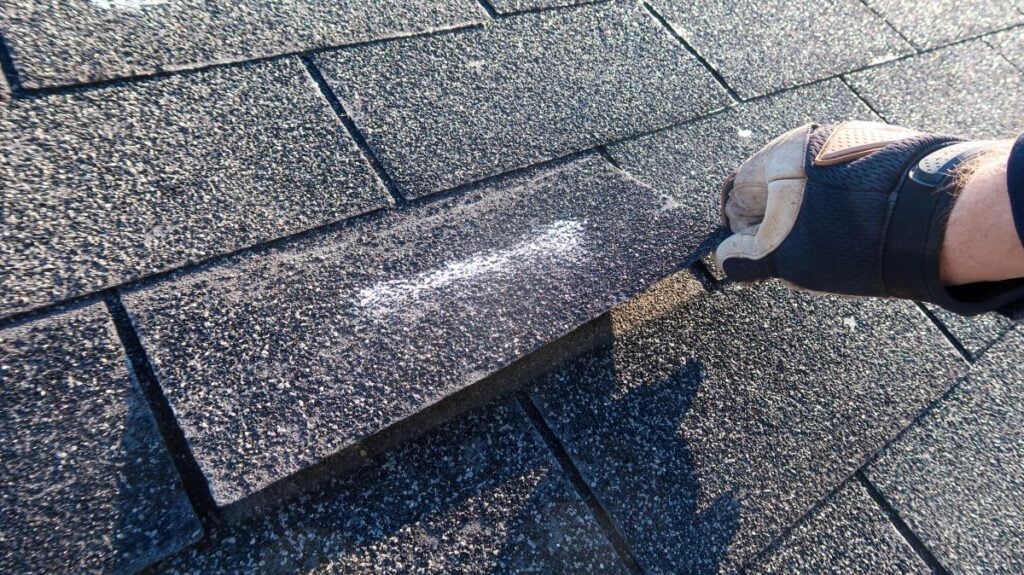
A: Yes, since many issues are not visible from the ground. Cracked flashing, granule loss, and early signs of moisture damage often go unnoticed until a trained inspector takes a closer look at both the exterior surface and the attic space from the inside.
Q: Is a roof inspection different from an insurance adjuster’s visit?
A: Yes. A roofing contractor’s inspection focuses on the overall condition and maintenance needs of the roof, while an insurance adjuster is evaluating specific damage for a claim. Homeowners often benefit from having both perspectives after a major storm passes through the area.
Q: What qualifies someone to perform a roof inspection?
A: A qualified inspector typically has hands on roofing experience and training in identifying material specific issues, from asphalt shingle wear to flashing failures. Choosing an experienced, licensed roofing contractor helps ensure the findings are accurate and the recommendations are appropriate.
Timing and Frequency
Q: How often should a roof be inspected?
A: Most homes benefit from an inspection at least once a year, with an additional check after any major storm. In fact, the National Roofing Contractors Association recommends biannual inspections, in the spring and fall, since older roofs or those nearing the end of their expected lifespan can develop issues more quickly.
Q: Is there a best time of year to schedule one?
A: Spring and fall tend to be ideal, since they fall between the extreme temperatures of summer and winter. A fall inspection can also help identify issues before winter weather has a chance to make them worse, while a spring visit catches any damage left behind by ice and snow.
Q: Should I get an inspection before buying a home?
A: Absolutely. A pre purchase roof inspection can reveal issues that might not be obvious during a general home inspection, giving buyers a clearer picture of upcoming maintenance costs before closing on the property and helping avoid unexpected repair expenses later.
Q: Does the roof’s age affect how often it should be inspected?
A: Yes. Roofs approaching the end of their expected lifespan generally benefit from more frequent inspections, since materials become more prone to wear and small issues can develop into leaks more quickly than they would on a newer roof.
What Happens During an Inspection
Q: How long does a typical inspection take?
A: Most residential roof inspections take between thirty minutes and an hour, depending on the size and complexity of the roof. Steeper rooflines or homes with multiple sections may take a bit longer to fully assess, especially if the attic space also needs a closer look.
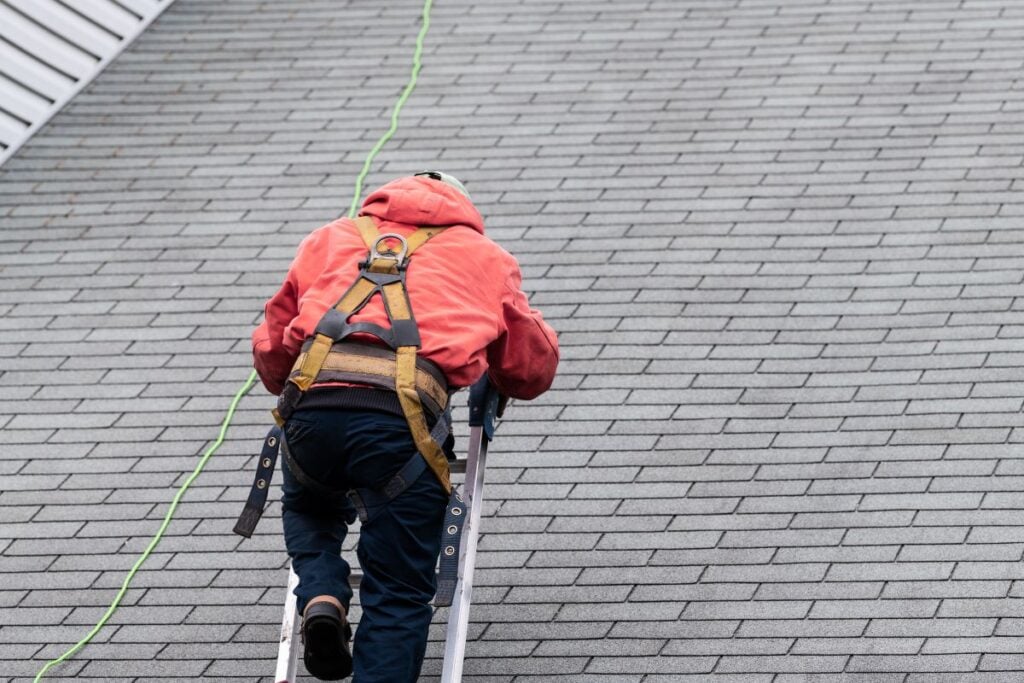
Q: Will the inspector go up on my roof?
A: In most cases, yes, along with a check of the attic space from inside. Some inspections also include drone technology to capture aerial images of hard to reach areas without the need to walk the entire roof surface, which can be especially useful on steep or complex rooflines.
Q: What happens if damage is found?
A: The inspector will typically document the issue with photos and provide a written report outlining recommended next steps. This report can also be useful if the damage needs to be submitted as part of an insurance claim down the line.
Q: Can an inspection help me plan for future repairs?
A: Yes. A thorough inspection often flags minor wear before it becomes a bigger issue, giving homeowners time to budget for repairs on their own schedule rather than being caught off guard by an emergency later on.
Cost and Next Steps
Q: How much does a roof inspection typically cost?
A: Many roofing companies offer free inspections, especially after a storm, while more detailed inspections tied to a home sale may carry a fee. It is worth asking upfront what is included before scheduling, so there are no surprises once the inspector arrives.
Q: What should I do after receiving my inspection report?
A: Review the findings and ask questions about anything that is unclear, especially around timelines and whether an issue needs immediate attention. A reputable contractor should be able to walk through the report with you in plain language and explain the reasoning behind each recommendation.
Staying Ahead of Roof Problems
Regular roof inspections are one of the simplest ways homeowners can avoid costly surprises down the road. Whether it has been a while since your last check up or you are dealing with a specific concern after recent weather, understanding what to expect makes the process far less stressful and helps you plan with more confidence.
Roof Troopers has helped homeowners throughout Northern Virginia stay ahead of roof problems with thorough, honest inspections. If it has been a while since your last inspection, contact us today to schedule one.
Don’t pay for your roof until 2027!
0% APR, same as cash for 24 months
Get Started Today!
"*" indicates required fields