
Choosing the right roofing material in Falls Church isn’t just about looks—it’s about performance, longevity, and protection against the region’s changing weather. From humid summers to occasional winter storms, local homes need materials that can handle it all. This FAQ-style guide answers common questions homeowners have when selecting the best roofing option. Whether you’re replacing an aging roof or building new, understanding your options can help you make a confident, long-lasting investment.
Understanding Climate Compatibility for Roofing Materials
Falls Church weather can be unpredictable, making climate compatibility a top priority for homeowners. Roofing materials must be able to handle moisture, heat, and occasional severe storms without deteriorating quickly. Choosing the right material helps prevent costly repairs and extends the lifespan of your roof.
Q: What roofing materials perform best in Falls Church’s climate?
A: Falls Church experiences heat, humidity, rain, and occasional snow, so materials like asphalt shingles, metal roofing, and architectural shingles perform well. These options offer durability and weather resistance while handling temperature fluctuations. Choosing materials designed for moisture resistance is especially important in this region.
Q: Does humidity affect roofing materials over time?
A: Yes, high humidity can lead to mold, algae growth, and material degradation. Asphalt shingles with algae-resistant coatings and properly installed ventilation systems can help prevent these issues. Metal roofs also perform well in humid conditions since they resist moisture buildup and corrosion when coated properly.
Q: How important is wind resistance for local roofs?
A: Wind resistance is crucial, especially during storms. Many modern shingles are rated for high wind speeds, often up to 110–130 mph. Proper installation techniques, including secure fastening and underlayment, are just as important as the material itself in ensuring your roof stays intact during strong winds.
Comparing Popular Roofing Material Options
Homeowners have several roofing material choices, each with unique benefits and drawbacks. Understanding how these materials compare can help you narrow down the best fit for your home and budget. Factors like lifespan, maintenance, and appearance all play a role in the decision-making process.
Q: Are asphalt shingles still the most popular choice?
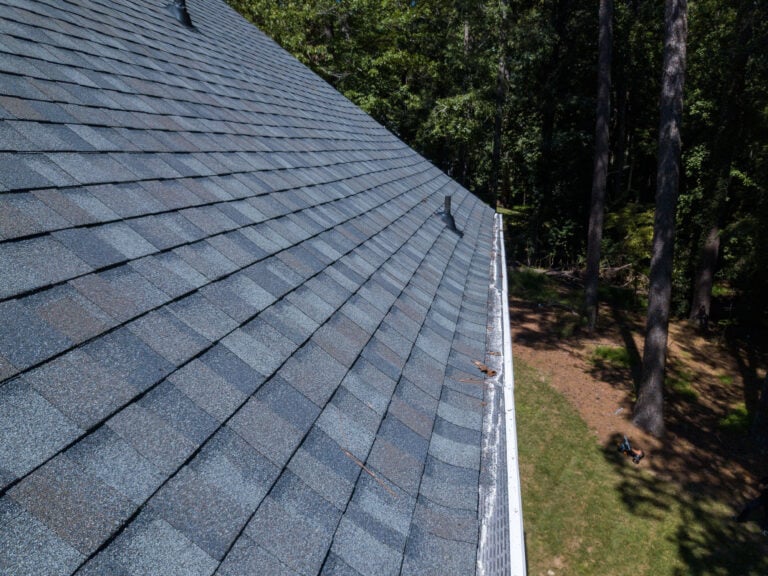
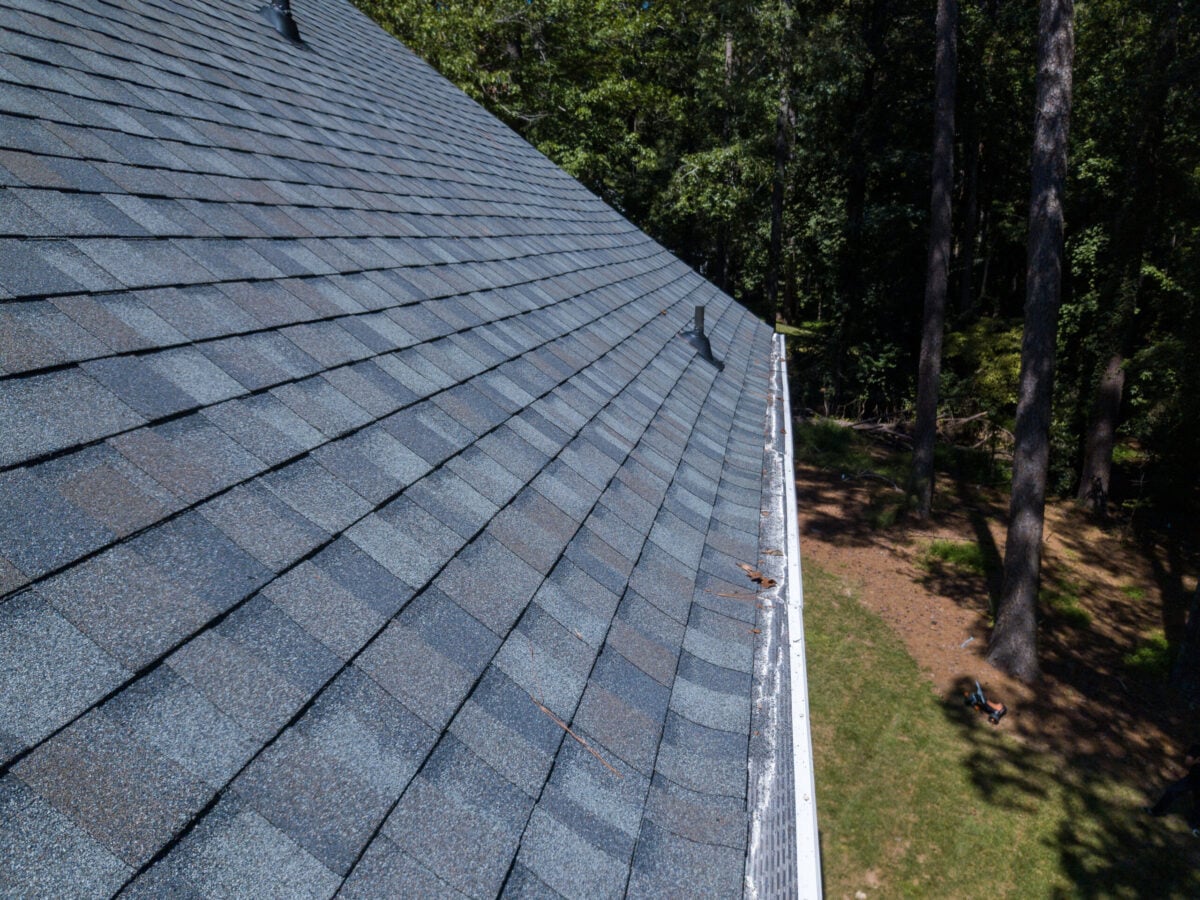
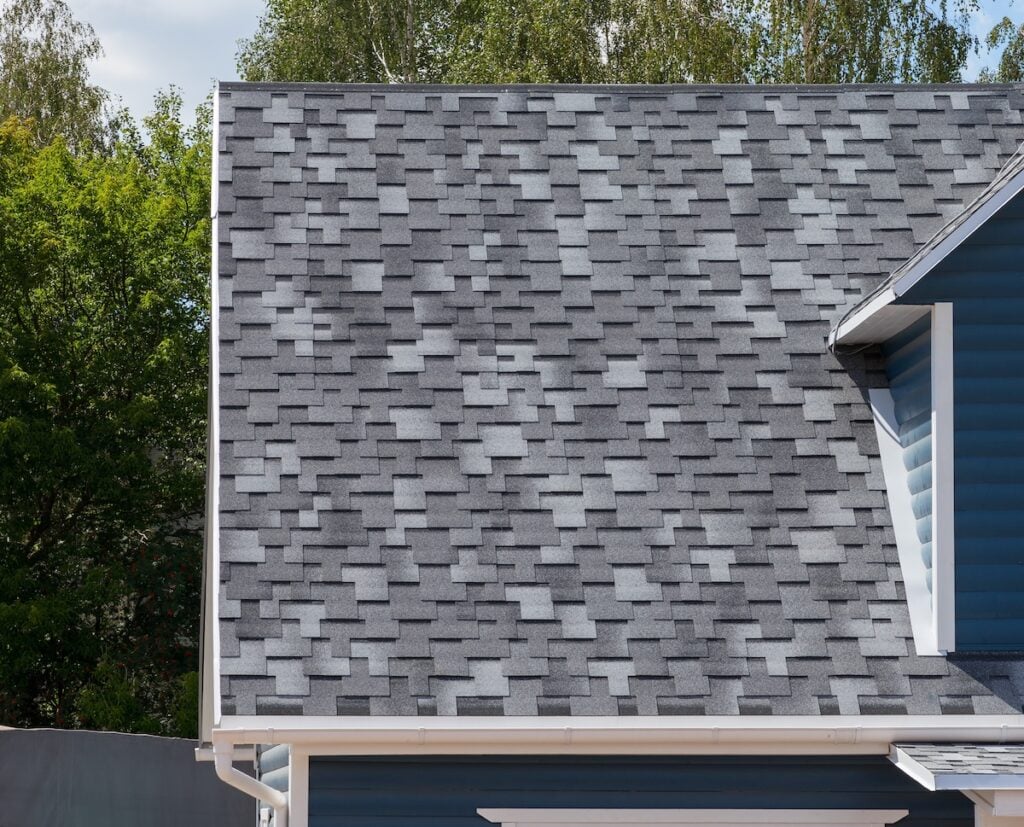
A: Yes, asphalt shingles remain the most common roofing material due to their affordability, versatility, and ease of installation. They come in various styles and colors, making them suitable for many home designs. Their lifespan typically ranges from 20 to 30 years, depending on quality.
Q: What are the benefits of metal roofing?
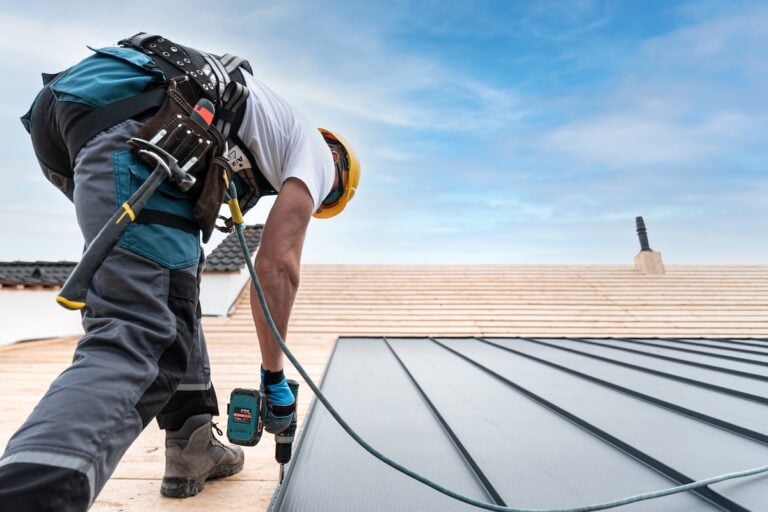
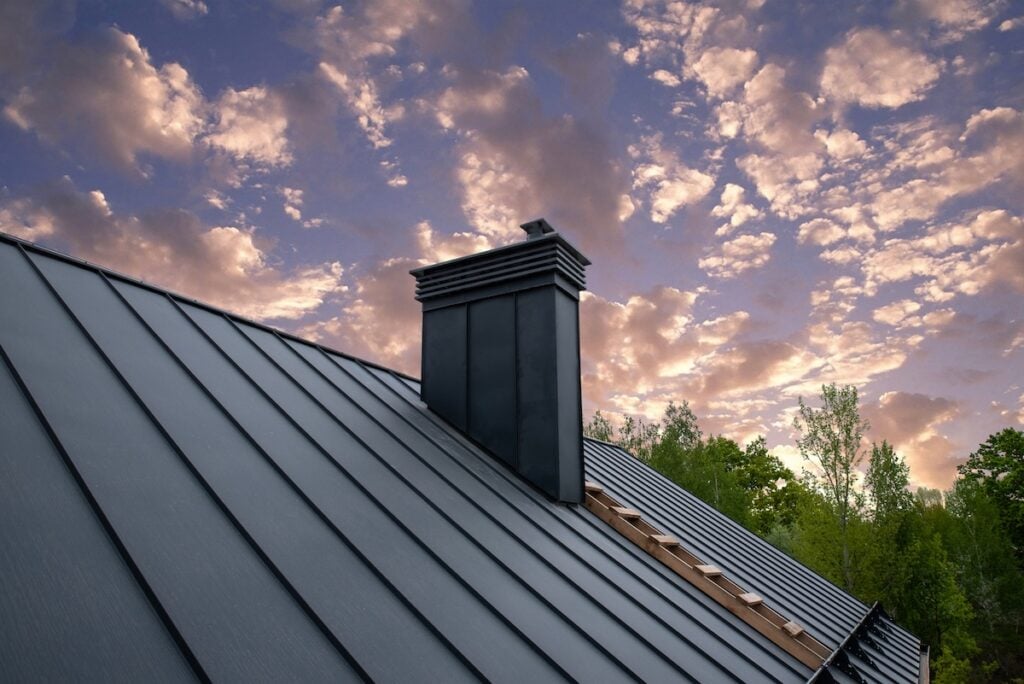
A: Metal roofing is known for its durability, longevity, and energy efficiency. It can last 40–70 years and reflects sunlight, reducing cooling costs in the summer. It’s also resistant to fire, mildew, and pests, making it a strong long-term investment for homeowners in Falls Church.
Q: Is slate roofing a good option for local homes?
A: Slate roofing offers exceptional durability and a classic, high-end appearance. It can last over 100 years but comes with a higher upfront cost and requires a structurally strong home due to its weight. It’s ideal for historic or upscale properties where aesthetics and longevity are priorities.
Q: How do architectural shingles differ from standard shingles?
A: Architectural shingles are thicker and more durable than traditional 3-tab shingles. They provide better wind resistance, longer lifespans, and enhanced visual appeal. While slightly more expensive, they offer improved performance and are a popular upgrade for homeowners seeking added value.
Energy Efficiency and Cost Considerations
Energy efficiency is an increasingly important factor when selecting roofing materials. The right choice can help reduce utility bills and improve indoor comfort throughout the year. Balancing upfront costs with long-term savings is key when evaluating roofing options.
Q: Which roofing materials are most energy-efficient?
A: Metal roofs and reflective shingles are among the most energy-efficient options. They reflect solar heat rather than absorbing it, helping reduce indoor temperatures and lowering cooling costs. Some materials are also ENERGY STAR® rated, making them ideal for eco-conscious homeowners.
Q: How does roof color impact energy efficiency?
A: Lighter-colored roofs reflect more sunlight, which helps keep homes cooler during hot summers. Darker roofs absorb heat, which can increase indoor temperatures. Choosing the right color can make a noticeable difference in energy bills, especially during peak summer months in Falls Church.
Q: What is the average cost difference between materials?
A: Asphalt shingles are the most budget-friendly, while metal and slate are more expensive upfront. However, higher-cost materials often last longer and require less maintenance, which can offset the initial investment over time. It’s important to consider both short-term and long-term costs.
Installation, Maintenance, and Longevity
Proper installation and maintenance are just as important as the material itself. Even high-quality roofing products can fail prematurely if not installed correctly. Understanding upkeep requirements can help you protect your investment and avoid unnecessary repairs.
Q: Does installation quality affect material performance?
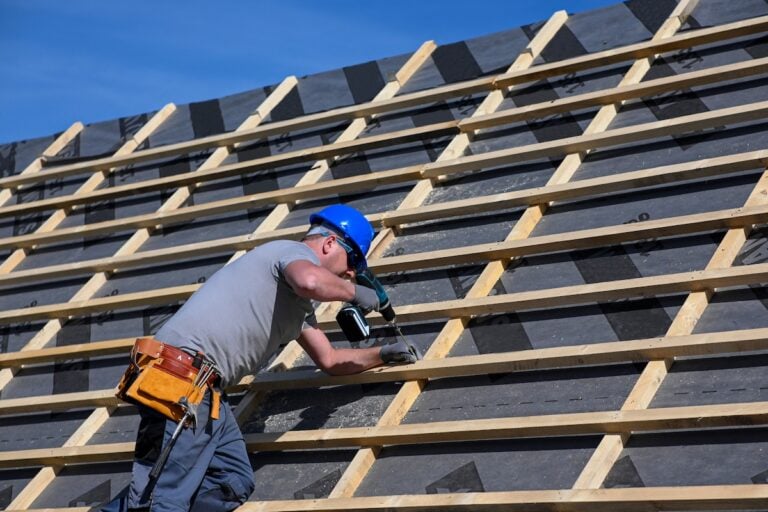
A: Absolutely. Even the best roofing materials can fail if installed improperly. Proper flashing, ventilation, and sealing are essential for maximizing lifespan and preventing leaks. Hiring experienced professionals ensures your roof performs as expected for years to come.
Q: How often should different roofing materials be maintained?
A: Asphalt shingles should be inspected annually and after storms, while metal and slate roofs require less frequent maintenance. Regular inspections help catch small issues early, such as loose shingles or debris buildup, which can extend the life of your roof significantly.
Q: What roofing material lasts the longest?
A: Slate roofing has the longest lifespan, often exceeding 100 years. Metal roofs can last 40–70 years, while asphalt shingles typically last 20–30 years. The best choice depends on your budget, home structure, and how long you plan to stay in your home.
Q: When is it time to replace instead of repair?
A: If your roof has widespread damage, frequent leaks, or is nearing the end of its lifespan, replacement is often more cost-effective than ongoing repairs. A professional inspection can help determine whether repairs are sufficient or if a full replacement is the better option.
Choosing the Best Roof for Your Falls Church Home
Making the right roofing decision involves weighing performance, aesthetics, and long-term value. With so many options available, it’s important to choose a solution that fits both your home and the local climate. Roof Troopers can help guide you through the process and ensure your roof is built to last.
Don’t pay for your roof until 2027!
0% APR, same as cash for 24 months
Get Started Today!
"*" indicates required fields