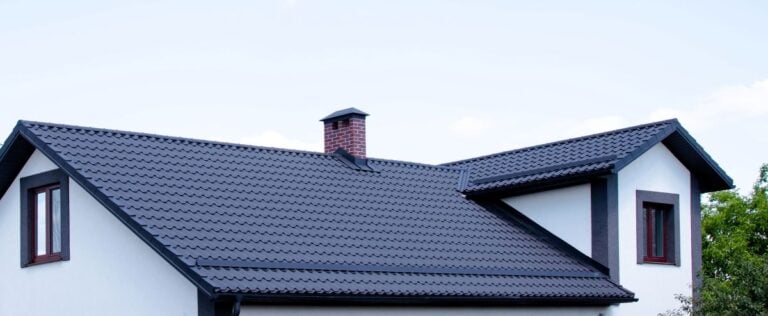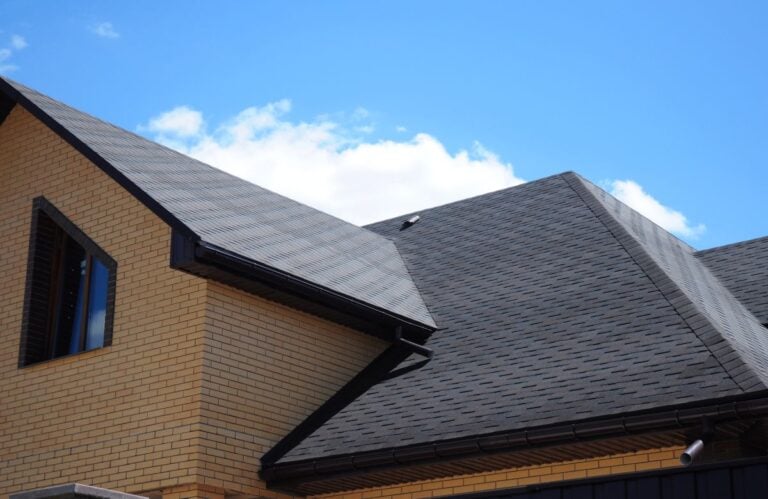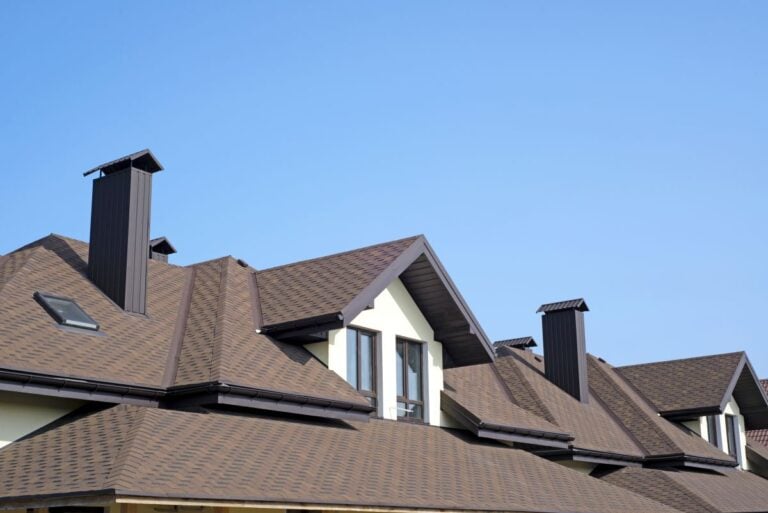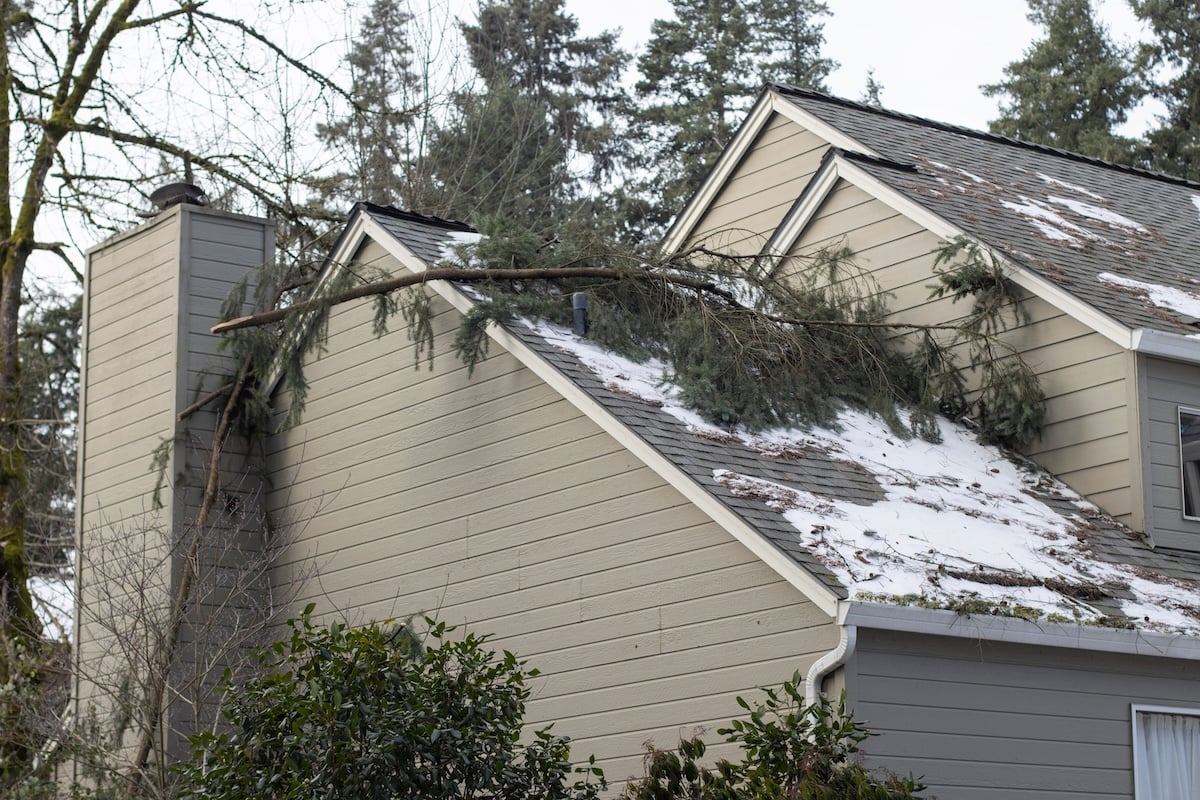

Winter in Virginia brings a mix of challenges—freezing temperatures, unpredictable snow, and occasional ice storms. For homeowners already dealing with roof leaks or damage, those conditions raise an important question: can you safely perform winter roof replacement Virginia homes without risking quality or performance? While it’s true that cold weather complicates the process, professional roofers can still deliver excellent results with the right techniques and materials. If you’re considering scheduling work during the colder months, learning about roofing in Alexandria can help you understand what’s possible and what precautions are essential.
Here’s what you’ll learn in this guide:
- Whether roof replacements are safe and practical in winter
- Challenges of cold-weather roofing and how professionals handle them
- Benefits of tackling a winter roofing project
- Materials best suited for winter installation
- Tips for choosing a qualified contractor for cold-weather work
Why Roof Replacement Timing Matters
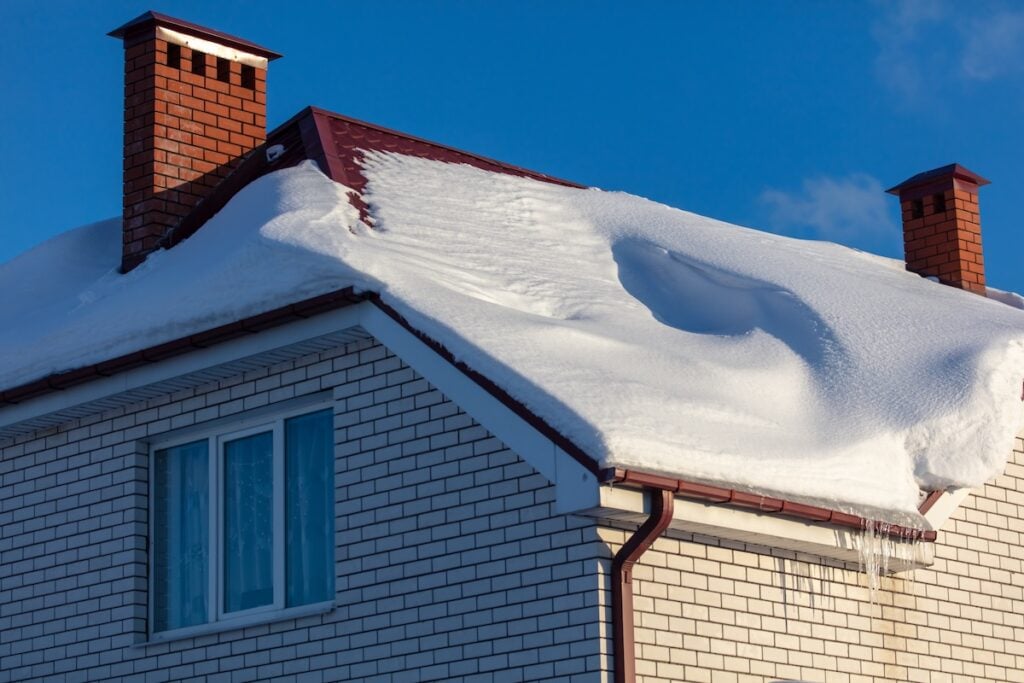
Timing plays a major role in the success and longevity of your roofing system. While spring and fall are often considered “ideal” seasons, waiting too long to replace a failing roof can lead to far greater issues—especially during Virginia’s wet, windy winters.
Here’s why scheduling your roof replacement strategically matters:
- Prevents Interior Damage: A leaking or cracked roof can allow water and melted snow to seep into your attic and walls.
- Improves Home Efficiency: New roofing materials provide better insulation, keeping heating costs down during colder months.
- Avoids Emergency Repairs: Replacing a roof before winter storms hit reduces the risk of costly mid-season emergencies.
- Protects Structural Integrity: Timely replacements prevent moisture from weakening your decking or rafters.
- Increases Property Value: A new, professionally installed roof enhances your home’s overall appeal and resale potential.
For homeowners in Alexandria and surrounding areas like Burke and Fairfax, planning ahead ensures your home stays protected no matter the temperature outside.
5 Key Factors That Determine if You Can Replace a Roof in Winter
Roof replacement in cold weather requires more planning, precision, and experience than summer installations. Here are the five main considerations professionals evaluate before starting work.
1. Temperature and Material Flexibility
Most asphalt shingles perform best when installed at temperatures above 40°F. Below that, the adhesive strips may not bond correctly, and the shingles can become brittle. However, expert roofers adapt by using special techniques and storing materials in temperature-controlled environments.
For optimal installation:
- Keep shingles warm before use.
- Use hand-sealing methods to ensure strong adhesion.
- Handle materials carefully to avoid cracking.
Metal roofing, on the other hand, can be installed in colder weather with fewer concerns, making it a strong choice for winter projects.
2. Moisture and Weather Conditions
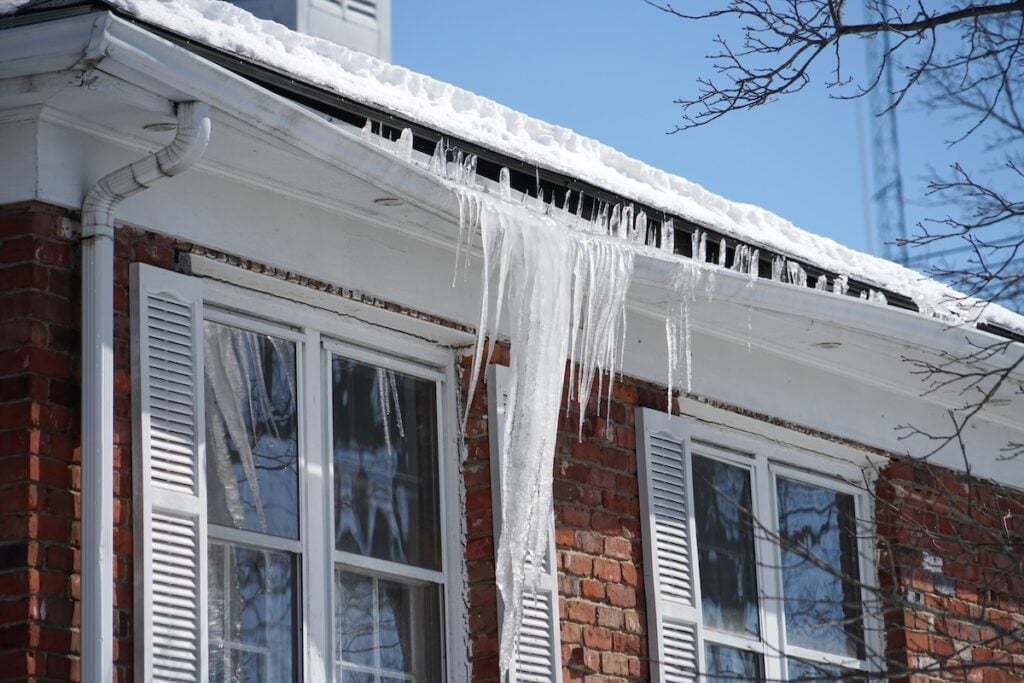
Moisture is one of the biggest challenges for cold-weather roofing. Ice, snow, or sleet can make surfaces slippery and prevent sealants from adhering properly. Roofing contractors monitor forecasts closely to choose dry, stable days for installation.
Best practices include:
- Clearing all moisture from the decking before applying underlayment.
- Using synthetic, moisture-resistant underlayment materials.
- Scheduling shorter workdays with early starts to maximize daylight.
If weather conditions are too harsh, a professional will delay installation rather than risk quality or safety.
3. Safety Precautions for Crews
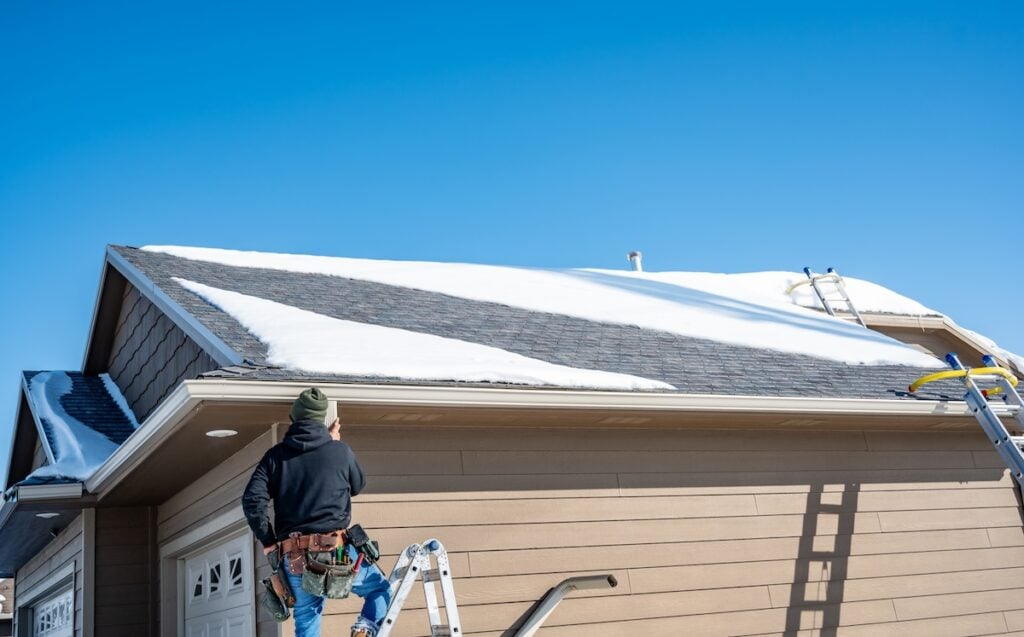
Cold-weather roofing requires additional safety measures. Ice on ladders, slick shingles, and wind exposure increase the risk of slips and falls. Professional roofing teams use specialized gear and safety equipment to manage these challenges.
Safety steps include:
- Wearing insulated, non-slip boots for traction.
- Using harnesses and guardrails on steep roofs.
- Clearing all ice and snow before work begins.
A qualified roofing contractor will never compromise safety for speed, ensuring every step of your project meets high standards.
4. Adhesives and Sealants Performance
Many roofing products rely on adhesives that need heat to activate. In winter, those products require manual sealing using roofing cement or heat guns. Skilled installers know when and how to apply these techniques for lasting results.
Roofers adapt by:
- Using cold-weather adhesive formulas rated for lower temperatures.
- Warming materials before application.
- Allowing extra curing time before foot traffic or additional layers.
By understanding how temperature impacts bonding, professionals ensure your new roof performs as expected—even during freezing conditions.
5. Contractor Experience and Equipment
Not all contractors have the tools or expertise to handle winter installations. Choosing a team experienced with Virginia’s climate is crucial. From temperature-controlled storage to specialized sealants, preparation makes the difference between a quick fix and a long-lasting roof.
Before hiring, ask your contractor:
- Have they completed winter roofing projects before?
- Do they use cold-weather-rated materials?
- How do they handle safety and weather delays?
A seasoned roofer will plan your project around temperature patterns, ensuring a smooth process and dependable outcome.
Pros and Cons of Winter Roof Replacement
Every season has its advantages and challenges for roof work. Winter projects can be successful, but homeowners should understand what to expect.
| Advantages | Challenges |
| Easier scheduling and faster availability from contractors | Shorter daylight hours may slow progress |
| Potential for off-season pricing discounts | Adhesive-based materials require extra care |
| Immediate protection against leaks or winter damage | Weather delays possible due to ice or snow |
| Prevents small issues from worsening before spring | Safety precautions increase setup time |
For many homeowners, the benefits outweigh the drawbacks—especially if your roof is already showing signs of damage or nearing the end of its lifespan.
Materials That Work Best for Cold-Weather Roofing
The material you choose can determine whether winter replacement is practical. Some roofing types handle cold and moisture better than others.
Best Options for Winter Installation:
- Metal Roofing: Highly durable and unaffected by cold; panels can be installed in almost any temperature.
- EPDM Rubber Roofing: Common for flat roofs, this flexible material performs well in winter with proper adhesive handling.
- Synthetic Slate or Shingles: Designed for resilience and less prone to cracking in lower temperatures.
Challenging Options:
- Standard Asphalt Shingles: Require extra care and hand-sealing to prevent brittleness.
- Clay or Concrete Tiles: Heavier materials that can crack easily in freezing conditions.
Your contractor can guide you toward the best option based on your roof’s slope, structure, and exposure to winter weather.
How to Prepare Your Home for a Winter Roof Replacement
Preparation ensures your project goes smoothly, even during cold weather. Homeowners play a key role in setting up for success.
Before your installation date:
- Clear driveways and pathways of snow or ice for crew access.
- Remove outdoor furniture, grills, and decorations near the work area.
- Protect attic items with plastic sheeting to prevent dust or debris.
- Schedule your replacement on days with clear, mild weather forecasts.
Professional contractors handle most of the logistics, but proactive homeowners help reduce delays and improve safety.
Why Waiting for Spring Isn’t Always the Best Option
Many homeowners assume winter is the wrong time for roof replacement, but waiting until spring can sometimes make matters worse. If your roof is already compromised, months of snow, ice, and fluctuating temperatures can intensify existing damage.
Reasons not to delay:
- Water Damage Escalation: Leaks can spread through insulation and ceilings.
- Structural Weakening: Continuous moisture exposure rots decking and rafters.
- Higher Costs Later: Emergency repairs are always more expensive than planned replacements.
If your roof shows signs of major wear, scheduling work during mild winter periods ensures your home stays protected through the season.
Choosing the Right Roofing Contractor for Winter Work
Winter roofing requires experience, precision, and the right materials. Choosing a contractor who understands Virginia’s cold-weather challenges ensures long-lasting performance.
Look for professionals who:
- Offer detailed project timelines and weather plans.
- Use cold-weather adhesives and installation techniques.
- Provide manufacturer-backed warranties for winter work.
- Are licensed, insured, and locally based.
Reputable local companies understand regional weather and can adapt scheduling to fit the safest, most effective windows for installation.
You Can Replace Your Roof in Winter—With the Right Team
Cold weather doesn’t have to stop you from improving your home. With proper planning, materials, and experienced professionals, winter roof replacement in Virginia can be done safely and effectively. Acting before spring can even save money and prevent additional damage from harsh winter conditions.
At Roof Troopers, we proudly serve homeowners across Alexandria and nearby communities, offering expert guidance on roof repairs and replacements year-round. Our team uses proven techniques and high-quality materials to ensure every project withstands Virginia’s seasonal challenges. If your roof is showing signs of wear, don’t wait for warmer days—contact us today to schedule a professional consultation and keep your home protected through every season.
Don’t pay for your roof until 2027!
0% APR, same as cash for 24 months
Get Started Today!
"*" indicates required fields