
A damaged asphalt roof rarely announces itself all at once. It starts small, a lifted shingle here, a soft spot there, and grows quietly until it becomes a real problem. Understanding asphalt roof repair early can save homeowners thousands of dollars and years of frustration. Getting ahead of small issues before they spread is one of the smartest moves a homeowner can make, especially with the unpredictable weather that hits Burke and surrounding areas throughout the year.
What you’ll learn in this guide:
- Why asphalt roof repair matters more than most homeowners realize
- The six most common causes of asphalt shingle damage
- How to spot repairable issues before they become costly
- How repair compares to full replacement
- When to call in a professional for an inspection
Why Timely Roof Repairs Make Sense
Asphalt shingles are one of the most popular roofing materials in the country, and for good reason. Compared to metal or tile, an asphalt shingle roof is generally more cost effective to install and repair. They are affordable, durable, and relatively easy to repair when damage occurs. But that affordability only holds up if problems are addressed quickly. A small leak left unattended can lead to rotted decking, mold growth, and interior water damage that costs far more to fix than the original repair ever would have.
Homeowners in Burke and surrounding areas deal with a mix of humid summers, cold winters, and occasional severe storms, all of which put extra stress on a roof over time. Heavy rain and winter snow can settle into weak spots just as easily as wind or hail, whether the roof is new or getting up in years. Here is why staying on top of repairs matters so much:
- Protects your investment: A roof is one of the most expensive parts of a home, and timely repairs extend its usable life.
- Prevents hidden damage: Water intrusion often affects insulation, framing, and drywall long before it becomes visible.
- Preserves curb appeal: Missing or curling shingles are noticeable and can affect resale value.
- Reduces energy waste: Damaged shingles compromise a roof’s ability to regulate temperature, driving up utility bills.
Ignoring minor damage almost never saves money in the long run. What starts as a single cracked shingle can turn into a full section replacement if moisture works its way underneath the roofing system. Addressing issues as they appear is one of the simplest ways to protect the rest of the home.
6 Common Causes Of Asphalt Shingle Damage
Understanding what actually causes asphalt roof damage makes it much easier to catch problems early. Most issues fall into a handful of predictable categories, and knowing what to look for helps homeowners describe the problem accurately when they do call for help. Below are the six most frequent culprits behind the need for asphalt roof repair.
1. Wind Uplift
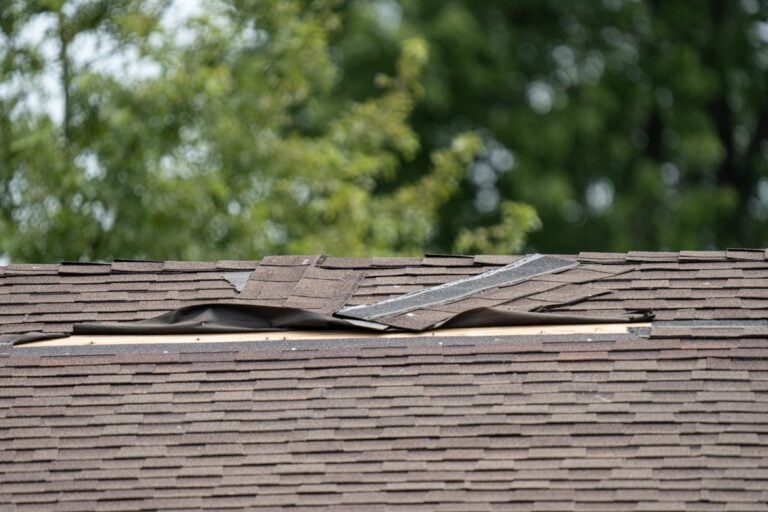
Strong winds can lift the edges of shingles, breaking the seal that keeps them flat against the roof deck. Once that seal is broken, water can slip underneath even without any visible cracking. Homes in more open areas around Burke and surrounding areas tend to see this more often after seasonal storms.
- Look for shingles that appear slightly raised or curled at the edges
- Check for shingles in the yard or gutters after windy days
2. Hail Impact
Hail can bruise or crack the granule surface of a shingle, weakening it without necessarily causing an obvious hole. This kind of damage is sneaky because it often does not leak right away, but it shortens the lifespan of the affected shingles considerably.
3. Age And UV Exposure
Every asphalt shingle has a lifespan, typically somewhere between 20 and 30 years depending on the product and installation quality. Years of sun exposure slowly dry out the asphalt, making shingles brittle and more prone to cracking.
- Granules that dislodge and collect in gutters or downspouts
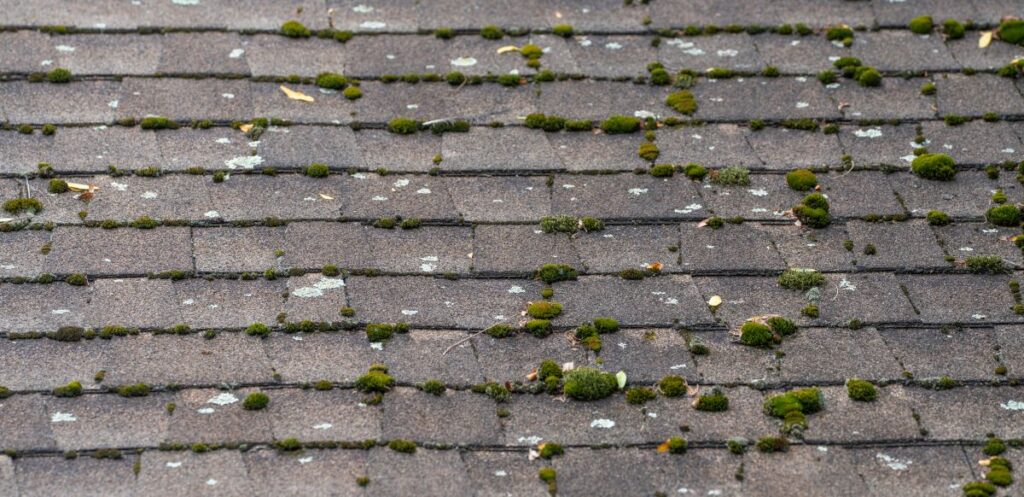
- Shingles that look faded, develop moss or algae growth, or feel brittle to the touch
4. Poor Ventilation
A roof that cannot properly release heat and moisture from the attic will age faster than one with good airflow. Excess heat buildup can warp shingles from underneath, while trapped moisture encourages rot in the decking below.
5. Improper Installation
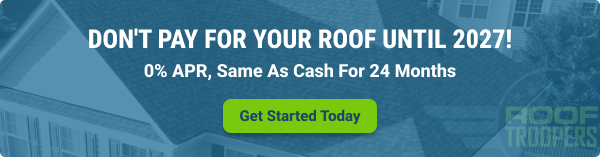
Not every roof problem starts with weather. Nail placement, flashing details, and underlayment choices all matter, and mistakes made during installation often surface as leaks years later. Loose roofing nails or a small tear in the underlayment can go unnoticed for months before finally causing leaks, and gaps in the sheathing beneath the shingles only make the problem worse. This is one of the reasons experienced crews matter so much when a roof is first put on.
6. Debris And Tree Damage
Overhanging branches can scrape shingles during windy weather, while falling limbs and debris can crack or puncture them outright. Homes surrounded by mature trees, common throughout parts of Burke and surrounding areas, tend to need more frequent inspections for this reason. Trimming overhanging branches and keeping gutters clear of leaves and debris go a long way toward preventing this type of damage, since clogged gutters can cause water to back up under shingles and lead to leaks that are easy to miss.
Recognizing which of these six issues is affecting a roof helps homeowners have a more productive conversation with their roofing contractor. In many cases, more than one cause is at play, which is exactly why a trained eye makes such a difference. Most repairs come down to straightforward solutions like roofing cement, replacement nails, and a caulking gun for resealing flashing, though the right fix always depends on what a proper inspection determines is actually happening at the roof deck.
Spotting Repairable Damage Early
Catching damage while it is still repairable is the difference between a quick fix and a much larger project. Many of the clearest warning signs show up inside the home before they are ever visible from the ground, which is why a whole home approach to inspection matters. Paying attention to both the interior and exterior of the house gives a much more complete picture of roof health.
Warning Signs Inside Your Home
- Water stains or discoloration on ceilings, especially near exterior walls
- A musty smell in the attic that suggests trapped moisture
- Visible daylight through the attic roof boards
- Sagging or soft spots in ceiling drywall
Warning Signs From The Curb
- Shingles that appear curled, cracked, or missing altogether
- Dark streaks or patches that may indicate algae or moisture retention
- Sagging rooflines, which can point to structural issues beneath the shingles
- Granules collecting in gutters or at the base of downspouts
When A Professional Inspection Matters
Some damage is easy to spot from the driveway, but plenty of it is not. Flashing around chimneys, skylights, and vents, for example, is a common leak point that most homeowners never think to check. A professional inspection, ideally including a close look at both the roof surface and the attic space, catches issues long before they become emergencies. This is especially important after a major storm, even if no obvious damage is visible right away.
Repair Or Replace: Weighing The Options
Not every roofing issue calls for a full replacement, but not every problem can be solved with a patch either. The right choice depends on the extent of the damage, the age of the roof, and how many previous repairs it has already had. A roof that is well past its expected lifespan, or one that has needed frequent patching, often reaches a point where replacement becomes the more practical long term option.
The table below breaks down how repair and replacement typically compare across the factors homeowners care about most.
| Factor | Asphalt Roof Repair | Full Roof Replacement |
| Typical cost | Lower upfront investment | Higher upfront investment |
| Timeline | Often completed same day or next day | Usually one to two days for most homes |
| Best suited for | Isolated damage on a roof under 15 years old | Widespread damage or roofs nearing end of life |
| Long term value | Extends life of an otherwise sound roof | Resets the clock with a full new warranty |
To put those differences in perspective, minor shingle replacement typically runs somewhere between $150 and $500, while flashing repair tends to fall between $300 and $1,000. Leak repair paired with underlayment patching often lands in the $500 to $1,500 range, and a larger partial roof section replacement can run $1,500 to $5,000 depending on size and materials. These figures are rough industry ballparks rather than fixed pricing, and only a proper inspection can determine the real cost for a specific roof. As a general rule of thumb, if more than 25 percent of the roof needs repair, or if the roof is already over 20 years old, replacement usually becomes the more practical and cost effective path forward.
A qualified roofer should always be transparent about which option makes more sense for a given situation, rather than defaulting to the more expensive choice. Homeowners deserve a clear explanation of the reasoning behind the recommendation, including how the roof’s age, condition, and damage pattern factored into it.
Don’t Let Small Damage Become A Big Problem
Asphalt roof repair is not something to put off once warning signs appear. Small issues rarely stay small, and the sooner they are addressed, the less they tend to cost in the long run. Whether the damage came from wind, hail, age, or a tree limb, getting an honest assessment is the best first step toward protecting the rest of the home.
Roof Troopers has helped homeowners throughout Burke and surrounding areas diagnose and repair asphalt shingle damage with the kind of straightforward guidance that makes the process easier to understand. If you are noticing any of the warning signs covered in this guide, do not wait for the problem to grow. Contact us today to schedule an inspection and get a clear, honest recommendation for your roof.
Don’t pay for your roof until 2027!
0% APR, same as cash for 24 months
Get Started Today!
"*" indicates required fields