
Figuring out what a roof replacement actually costs can feel confusing once quotes start coming in with wildly different numbers attached. Homeowners in Vienna often want a clearer picture of what drives the price up or down before they commit to a project this size. This guide answers the pricing questions that come up most often, from material choices to financing options. Having a general framework in mind makes it much easier to evaluate any quote you receive.
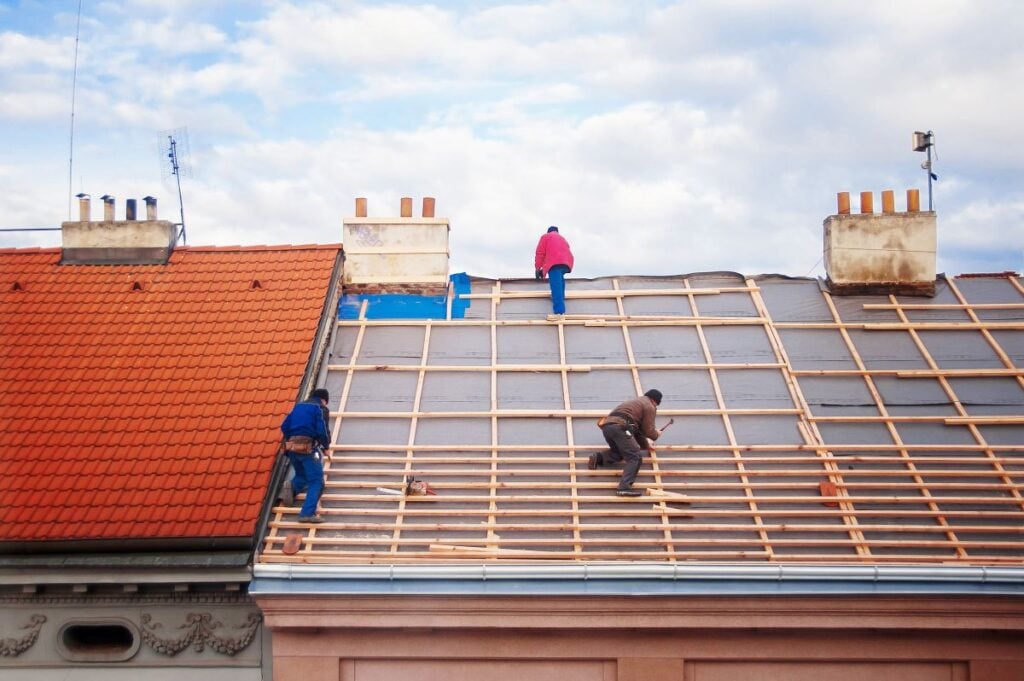
Understanding Roof Replacement Costs
Q: How much does a roof replacement typically cost in Vienna?
A: As a rough industry estimate, a full asphalt shingle roof replacement generally falls somewhere in the range of $8,000 to $20,000 for an average sized home, with premium materials pushing costs higher. The exact number depends heavily on roof size, material choice, and the complexity of the job. A written estimate remains the only reliable way to know your specific cost.
Q: What’s included in a typical roof replacement quote?
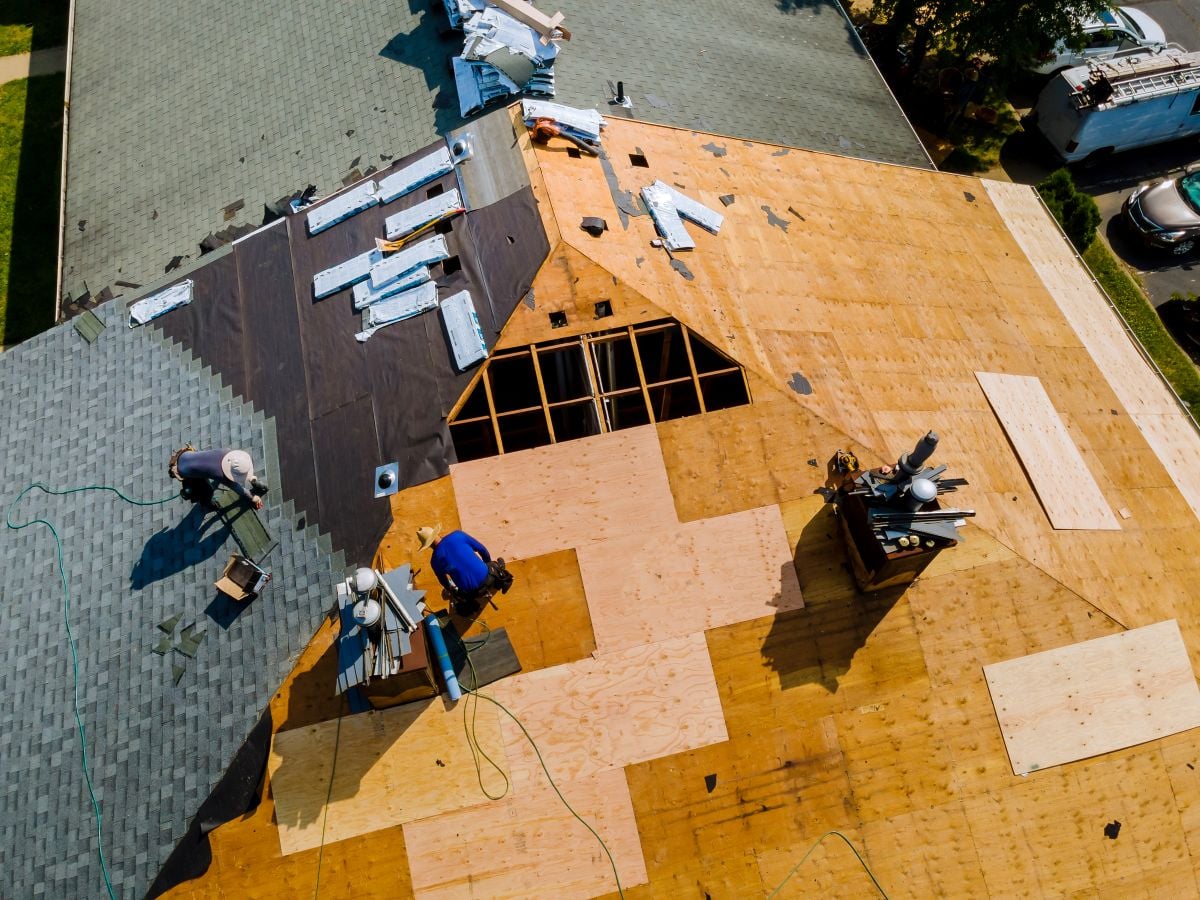
A: A complete quote should cover tear off and disposal of the old roof, new underlayment, flashing, the roofing material itself, and labor. Many quotes also include a basic warranty on workmanship. If a quote seems unusually low, it’s worth asking directly what has been left out.
Q: Why do roof replacement quotes vary so much between contractors?
A: Differences in material quality, crew experience, warranty terms, and overhead costs all contribute to the range you’ll see across quotes. Some contractors also include extras like enhanced ventilation or premium underlayment that others treat as optional add ons. Comparing quotes line by line rather than just the bottom number is the best way to understand what you’re actually paying for.
Vienna, VA · Cost estimator
Roof Replacement Cost By Roof Size
Move the slider to your roof size to see an estimated range for a full asphalt shingle replacement.
1,0003,500 sq ft
That’s 17.0 squares of roofing. Asphalt shingles sit at the low end of this range. Metal, synthetic slate, and synthetic cedar shake all run higher.
High estimate Low estimate $8k–$20k typical range
How much does a roof replacement cost in Vienna, VA?
A full asphalt shingle roof replacement in Vienna generally runs $8,000 to $20,000 for an average-sized home, with premium materials pushing higher. Contractors price by the square — 100 square feet of roof — which is what makes estimates comparable across homes of different sizes. Roof size is usually the single biggest factor in the final number, followed by material choice, then pitch and complexity. A complete quote should cover tear-off and disposal, new underlayment, flashing, the roofing material, labor, and a workmanship warranty.
Estimates above use $5 to $12 per square foot, which reconciles with the $8,000 to $20,000 range cited for an average-sized home. Steeper pitches, multiple valleys, dormers, skylights, and unexpected decking repairs all move the final figure. This is a planning tool, not a quote — a written estimate is the only reliable way to know your cost.
Cost Factors and Materials
Q: How does roof size affect the overall price?
A: Larger roofs require more material and more labor hours, so total cost scales fairly directly with square footage. Contractors typically price by the square, meaning 100 square feet of roofing, which makes it easier to compare estimates across homes of different sizes. Roof size is usually the single biggest factor in the final number.
Q: Do different materials significantly change the cost?
A: Yes, material choice can shift the price considerably. Standard asphalt shingles sit at the lower end of the range, while metal roofing, synthetic slate, and synthetic cedar shake all cost more upfront in exchange for longer expected lifespans. The right choice often comes down to balancing budget against how long you plan to stay in the home.
Q: Does roof pitch or complexity add to the price?
A: Steeper roofs and complex rooflines with multiple valleys, dormers, or skylights generally cost more to replace than a simple, low pitch roof. Additional safety equipment and slower installation both factor into that higher price. A contractor's estimate should reflect the specific shape and pitch of your roof rather than a flat per square rate alone.
Financing and Insurance Questions
Q: Are financing options available for a roof replacement?
A: Many roofing companies offer financing plans, sometimes including promotional periods with reduced or deferred interest for qualified homeowners. Terms vary significantly between lenders and contractors, so comparing the total cost over the life of the loan matters as much as the monthly payment. Ask for full terms in writing before agreeing to any financing plan.
Q: Will homeowners insurance help cover a full replacement?
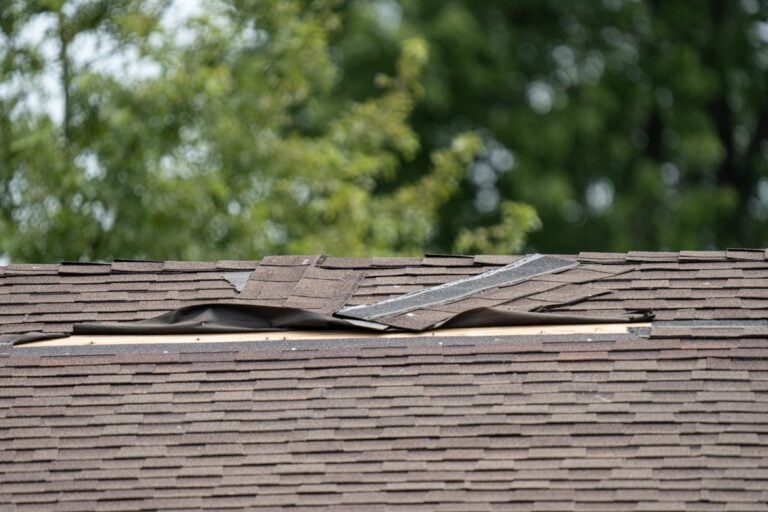
A: Insurance typically covers roof replacement when the damage stems from a sudden event like a storm, rather than general wear and tear from age. A roof that simply needs replacing due to normal aging is usually considered a maintenance expense rather than an insurance matter. Reviewing your specific policy is the best way to know what applies to your situation.
Q: Is it worth getting multiple quotes before deciding?
A: Getting two or three quotes gives you a much clearer sense of a fair price range for your specific roof. It also helps you compare not just cost but warranty terms, material options, and communication style across contractors. Rushing into the first quote you receive makes it harder to know if you're getting good value.
Timeline and Process Questions
Q: How long does a full roof replacement take?
A: Most residential asphalt roof replacements are completed in one to two days once work begins, weather permitting. Premium materials or more complex rooflines can extend that timeline somewhat. The overall process, including the initial estimate and scheduling, typically takes longer than the actual installation itself.
Q: What happens during the initial estimate visit?
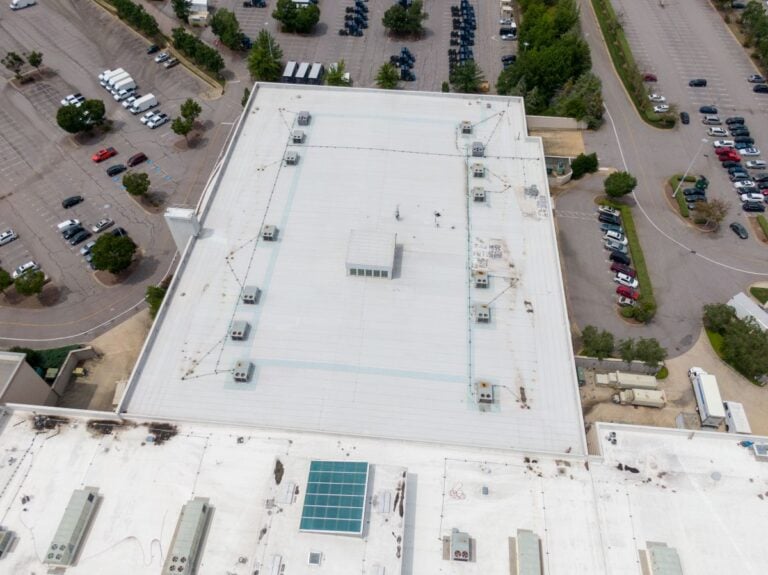
A: A contractor typically inspects the current roof, measures the structure, discusses material options, and answers questions about the process before providing a written estimate. Many companies now use drone photography to assess hard to reach areas without requiring anyone to climb onto the roof during that first visit.
Q: When is the best time of year to replace a roof?
A: Roof replacement can generally happen in most seasons, though moderate temperatures in spring and fall tend to be ideal for material flexibility and crew comfort. Scheduling can also get tighter during peak season, so booking early is worth considering if your timeline allows for it.
Planning Your Roof Replacement Budget with Confidence
Knowing what actually drives roof replacement costs makes it much easier to compare quotes and set realistic expectations before a project begins. Rather than focusing on a single number, paying attention to materials, warranty terms, and what's actually included gives you a far clearer picture of value. Roof Troopers has helped homeowners throughout Vienna plan roof replacements with transparent, itemized estimates and honest guidance on material choices. If you're ready to get a clear picture of what your roof replacement will actually cost, contact Roof Troopers today for a straightforward estimate.
Don’t pay for your roof until 2027!
0% APR, same as cash for 24 months
Get Started Today!
"*" indicates required fields