
A commercial roof protects far more than the building underneath it. It shields tenants, inventory, equipment, and the day to day operations that keep your business running. Choosing between commercial roofing systems can feel overwhelming, especially when every option promises durability and value. Understanding how each system performs, what it typically costs, and how long it lasts gives you a clear path toward a roof that keeps your property protected for decades instead of a few short years.
Here’s a quick rundown of what this guide covers:
- Why your roofing system choice affects your bottom line
- Seven common commercial roofing systems and where each fits best
- What shortens or extends a commercial roof’s lifespan
- A side by side look at costs and lifespans
- Answers to questions property owners ask most
Why the Right System Pays Off for Property Owners
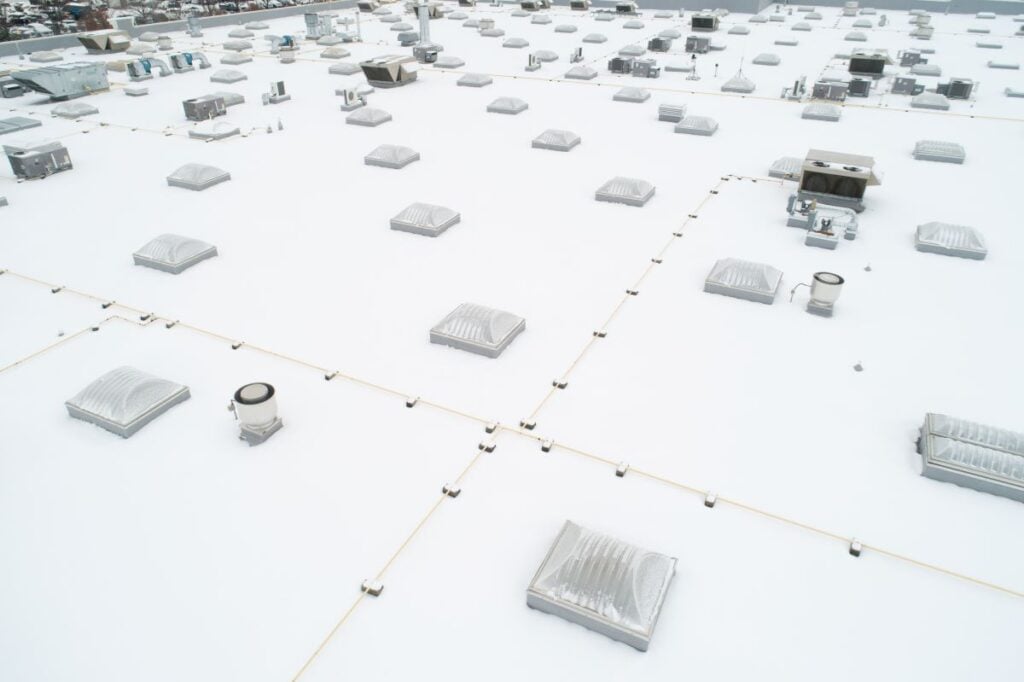
A commercial roof is one of the largest capital investments building owners make, and the roof type you choose shapes your costs for years to come. The wrong fit can mean frequent leaks, higher energy bills, and an early replacement that throws off your budget. Reviewing typical installed costs is a helpful starting point, but price alone never tells the whole story. Property owners in Alexandria and surrounding areas also deal with hot, humid summers, heavy rain, and winter freeze and thaw cycles, all of which put real stress on a low slope roof.
Here’s what a well matched system delivers:
- Predictable budgeting: Knowing a system’s expected lifespan helps you plan capital expenses instead of scrambling when the roof fails.
- Lower operating costs: Reflective membranes and higher R values from proper insulation reduce heat penetration and can trim cooling and heating bills across a large roof area.
- Fewer business interruptions: A durable, well installed roof means fewer leaks, fewer emergency repairs, and fewer disruptions for tenants or customers.
- Stronger property value: Buyers, lenders, and insurers all look closely at roof condition, and a solid roof makes every one of those conversations easier.
Several factors, from building codes and certifications to structural load capacity, affect which systems suit your building, so the “best” option depends on how your property is used. The breakdown below walks through the most common options and what each brings to the table.
7 Common Commercial Roofing Systems
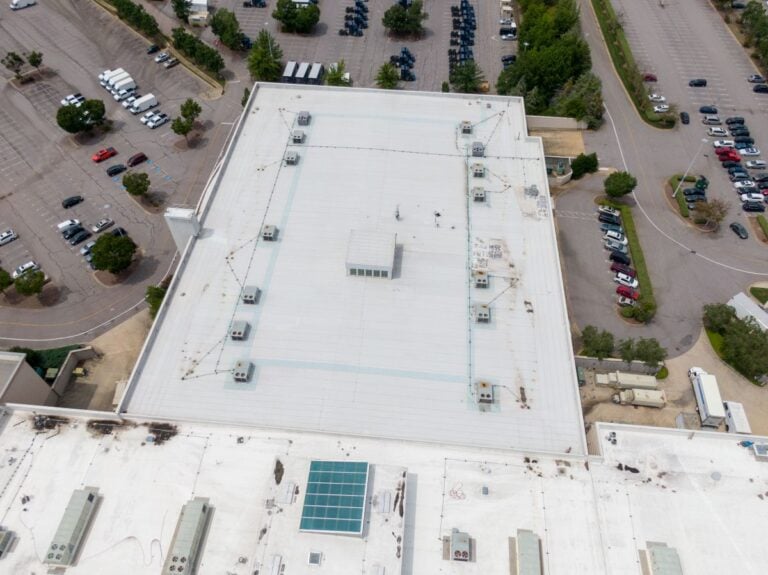
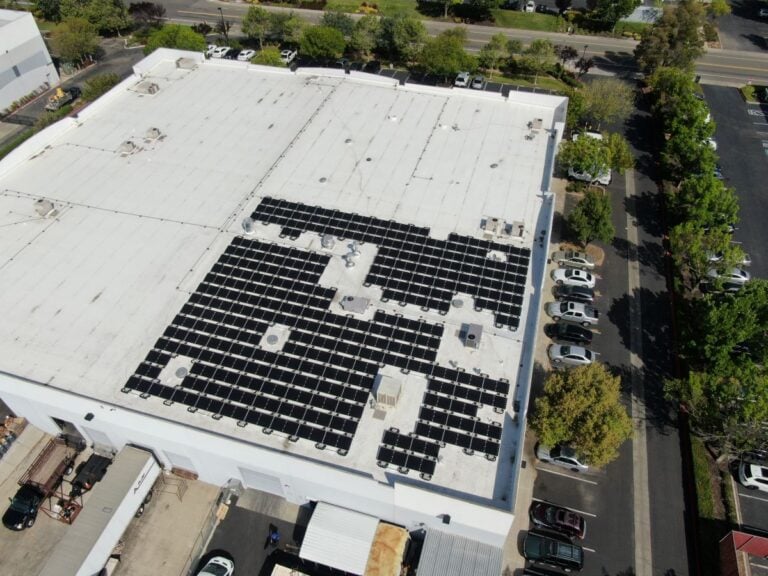
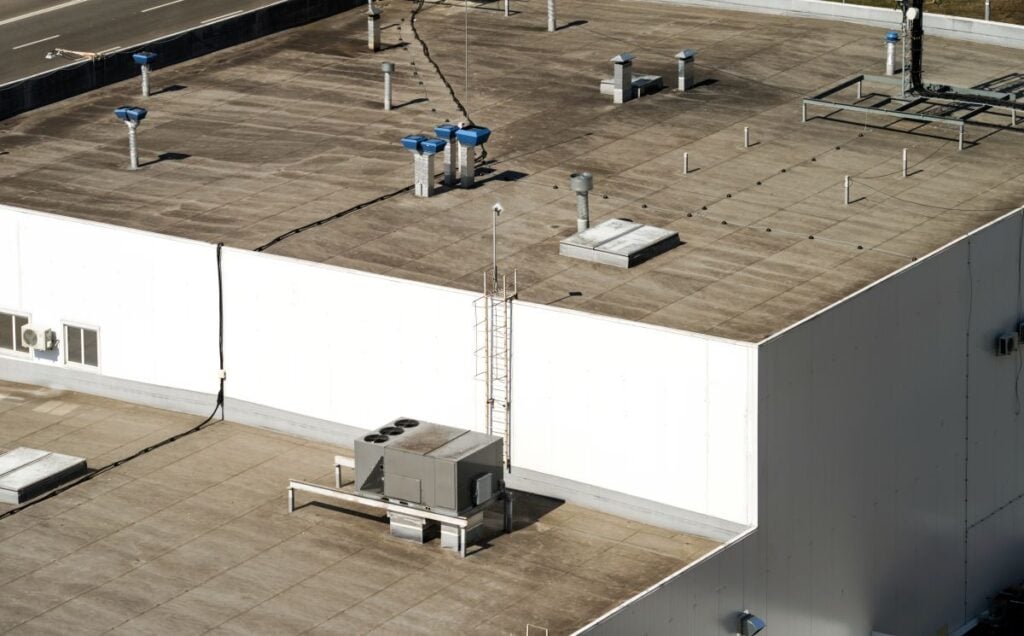
Most commercial buildings in Northern Virginia have a flat roof or low slope design, and several proven types of commercial roofing are built specifically for that surface. Many of the same materials also appear on residential flat roofs and larger industrial roofing projects. Here’s how the most popular options compare.
1. TPO (Thermoplastic Polyolefin)
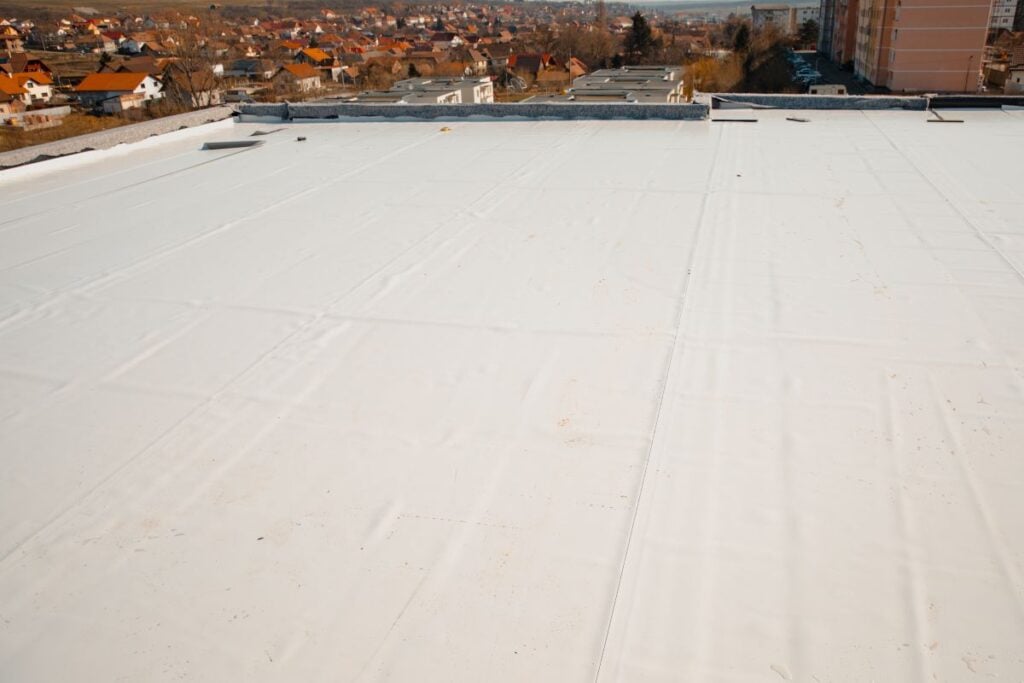
TPO is a lightweight, flexible single ply roofing membrane, usually white, with heat welded seams that create a strong, watertight bond. Its reflective surface helps reduce cooling costs, and some single ply roofs are even Energy Star rated, which makes it a popular choice for offices, retail centers, and warehouses.
- Rough cost: About $5 to $10 per square foot installed
- Typical lifespan: 15 to 25 years or more
- Best for: Energy efficiency on large, open roofs
2. EPDM (Rubber Roofing)
EPDM is a synthetic rubber membrane that has protected low slope roofs for decades. This highly durable material handles extreme temperatures and hail well, and repairs are usually simple and affordable.
- Rough cost: About $4 to $12 per square foot installed
- Typical lifespan: 20 to 30 years or more
- Best for: Owners who want proven longevity at a moderate price
3. PVC (Polyvinyl Chloride)
PVC is another heat welded single ply membrane, prized for being highly resistant to grease, chemical exposure, and fire. Restaurants, industrial buildings, and manufacturing facilities often choose PVC because rooftop exhaust can break down other materials, and reinforced sheets offer good dimensional stability through seasonal temperature swings.
4. Modified Bitumen
Modified bitumen roofing, often called mod bit, combines asphalt with rubber or plastic modifiers such as atactic polypropylene and is installed over a base sheet in multiple layers using torches, heat, or cold adhesives. Its thickness and puncture resistance make it tough enough for roofs with heavy foot traffic.
5. Built Up Roofing (BUR)
Built up roofing is one of the oldest commercial systems, made from alternating layers of hot asphalt and reinforcing fiberglass felts topped with gravel or a cap sheet. It offers excellent redundancy, though its weight may require additional structural support.
6. Metal Roofing
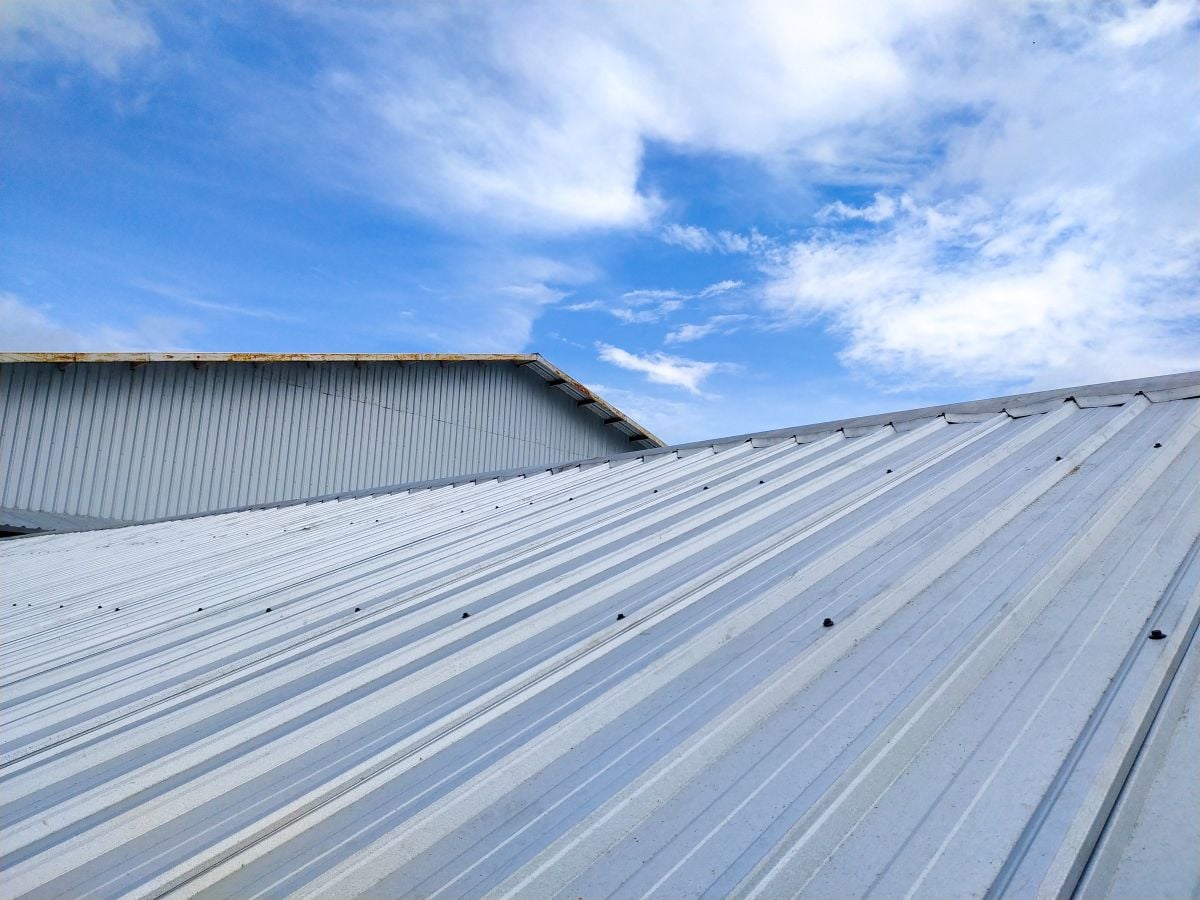
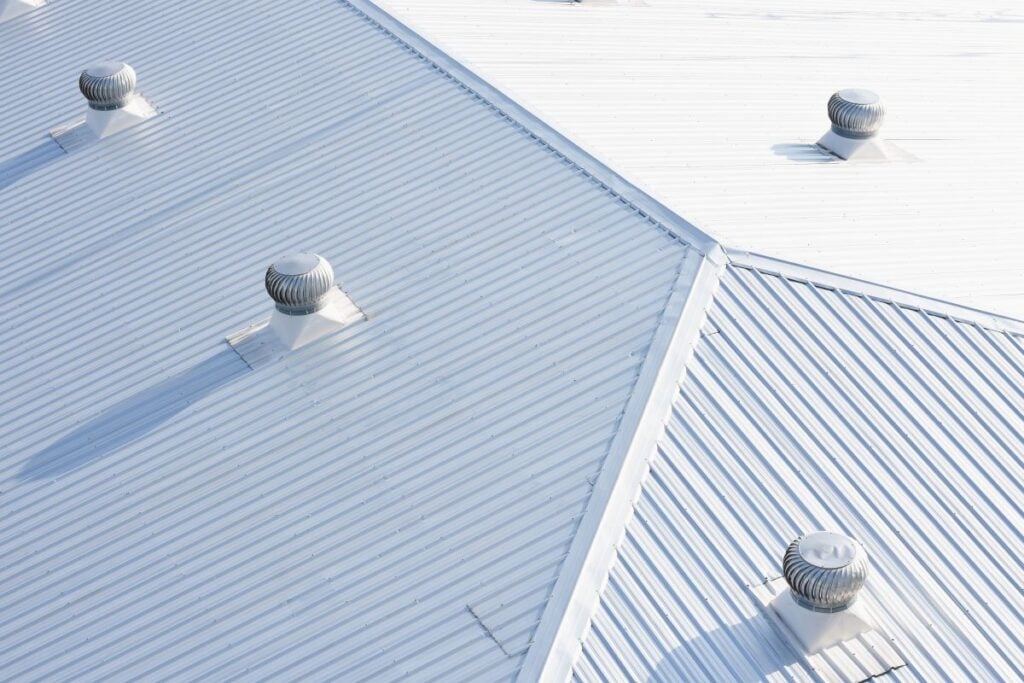
Standing seam roofing and other steel roofing panel systems work well on low slope and steeper commercial roofs. They cost more upfront but offer one of the longest lifespans of any commercial system, with low maintenance requirements and strong wind and fire resistance.
- Rough cost: About $8 to $20 per square foot installed
- Typical lifespan: 40 to 70 years
- Best for: Long term ownership and buildings that want a distinctive look
7. Spray Polyurethane Foam (SPF)
SPF is sprayed on as a liquid that expands into a seamless, insulating layer, then sealed with a protective coating. It’s lightweight and conforms easily to roofs with lots of equipment and penetrations, but the coating needs periodic renewal to protect the foam. SPF belongs to the broader family of liquid applied roofing systems, and acrylic coatings and other roof coatings are also common in retrofit projects that extend the life of an existing roof.
Each of these systems can perform beautifully when it’s matched to the right building and installed correctly. Hybrid systems and vegetative roofing also offer custom solutions for buildings with unique goals, and the next step is understanding the key factors that help any roof reach the high end of its expected lifespan.
What Shortens or Extends a Commercial Roof’s Lifespan
Two buildings with the same roofing system can see dramatically different results. Lifespan ranges published across the roofing industry are only a starting point, and the details below often decide whether your roof reaches its potential.
- Installation quality: Even premium materials fail early when seams, flashing, and the attachment method don’t follow manufacturer specifications. Crews with hands on training in specific commercial roofing products make a real difference in how long a roof lasts.
- Roof assembly design: The membrane is just one layer. Cover boards, polyisocyanurate insulation (often preferred for energy performance), and the roof deck beneath all affect durability and efficiency.
- Drainage design: Water that ponds on a roof for days adds weight and stresses seams. Tapered insulation, crickets, and clear drains keep water moving off the surface.
- Rooftop traffic: HVAC technicians and other service crews can puncture membranes with tools and equipment. Walkway pads along common routes protect the roof where it takes the most wear.
- Climate exposure: UV rays, hail, high winds, and freeze and thaw cycles all age roofing materials. Choosing a system suited to the local climate helps it hold up longer.
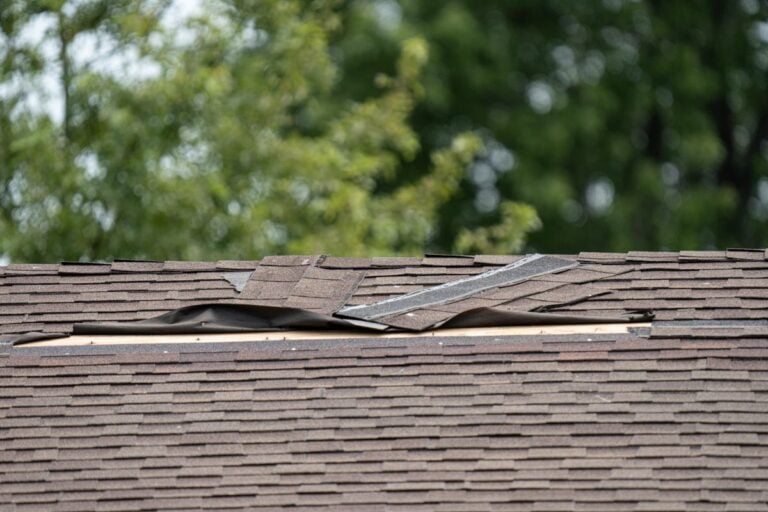
- Routine maintenance: Twice yearly inspections catch small problems like open seams, cracked flashing, and clogged drains before they turn into major leaks, and many warranties won’t cover damage caused by improper maintenance.
Many property owners in Alexandria and surrounding areas schedule inspections each spring and fall, plus a quick check after major storms. That simple habit can add years to a roof’s service life and protect your investment.
Comparing Costs and Lifespans Side by Side
Seeing every option in one place makes it easier to narrow your choices. The table below offers rough industry estimates for installed cost and typical lifespan, which can vary based on building size, insulation needs, and roof access.
| Roofing System | Rough Installed Cost (per sq. ft.) | Typical Lifespan | Key Strength |
| TPO | $5 to $10 | 15 to 25+ years | Reflective and energy efficient |
| EPDM | $4 to $12 | 20 to 30+ years | Durable and easy to repair |
| PVC | $7 to $13 | 20 to 30 years | Resists chemical exposure and grease |
| Modified Bitumen | $5 to $10 | 15 to 20 years | Handles heavy foot traffic |
| Built Up Roofing | $5 to $10 | 20 to 30 years | Multiple layers of protection |
| Metal | $8 to $20 | 40 to 70 years | Longest service life |
| Spray Polyurethane Foam | $4 to $7 | 20 to 30 years with recoating | Seamless and insulating |
Keep in mind that the lowest upfront price doesn’t always deliver the lowest lifetime cost. Dividing the installed cost by expected years of service often reveals that a longer lasting system is the smarter investment.
It’s also worth asking about tear off costs, insulation upgrades, and warranty options when comparing quotes. Manufacturer warranties typically cover defects in roof membranes, while workmanship coverage depends on your roofing contractor, so these details can shift the true value of a bid significantly.
Frequently Asked Questions About Commercial Roofing Systems
Property owners tend to share a lot of the same questions when planning a new roof. Here are clear answers to the ones that come up most often.
What is the most common commercial roofing system?
Single ply roofing like TPO and EPDM is among the most widely used commercial roofing materials on low slope buildings. Roof Troopers can help you decide which membrane fits your building’s use and budget.
How long does a commercial roof last?
Most commercial roofs last 15 to 30 years, while metal systems can last much longer. Roof Troopers looks at installation quality, drainage, and maintenance history when estimating your roof’s remaining life.
Can a new roof go over my existing commercial roof?
Sometimes, in retrofit projects where the current roof has only one layer and the insulation underneath is dry. Roof Troopers will inspect what’s beneath the surface before recommending a recover or full tear off.
How often should a commercial roof be inspected?
Twice a year, ideally in spring and fall, plus after any major storm. Roof Troopers uses drone inspections to capture detailed images of large roofs quickly and safely.
Which roofing system is the most energy efficient?
Reflective membranes like white TPO and PVC, paired with polyisocyanurate insulation and higher R values, tend to lower cooling costs the most. Roof Troopers can walk you through energy efficient options for your property.
Every property is different, so these answers are a starting point rather than a final recommendation. An onsite inspection gives you specifics you can plan and budget around.
Find the Right Roof for Your Commercial Property
Your roof protects everything happening inside your building, so choosing the right system is a decision worth getting right. Roof Troopers is a family owned, BBB A+ accredited roofing company that brings drone inspections, honest recommendations, and a project manager on every site to property owners in Alexandria and surrounding areas. Whether you’re planning a full roof replacement or a smaller commercial roofing project, we’ll explain your options clearly, help you weigh costs against lifespan, and build a plan that fits your property and budget. Ready to explore the best system for your building? Contact us today to schedule a no obligation inspection.
Don’t pay for your roof until 2027!
0% APR, same as cash for 24 months
Get Started Today!
"*" indicates required fields