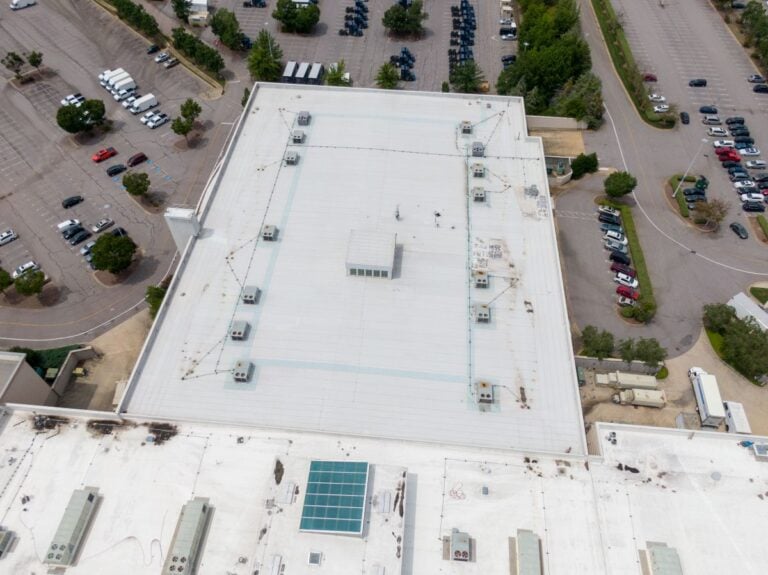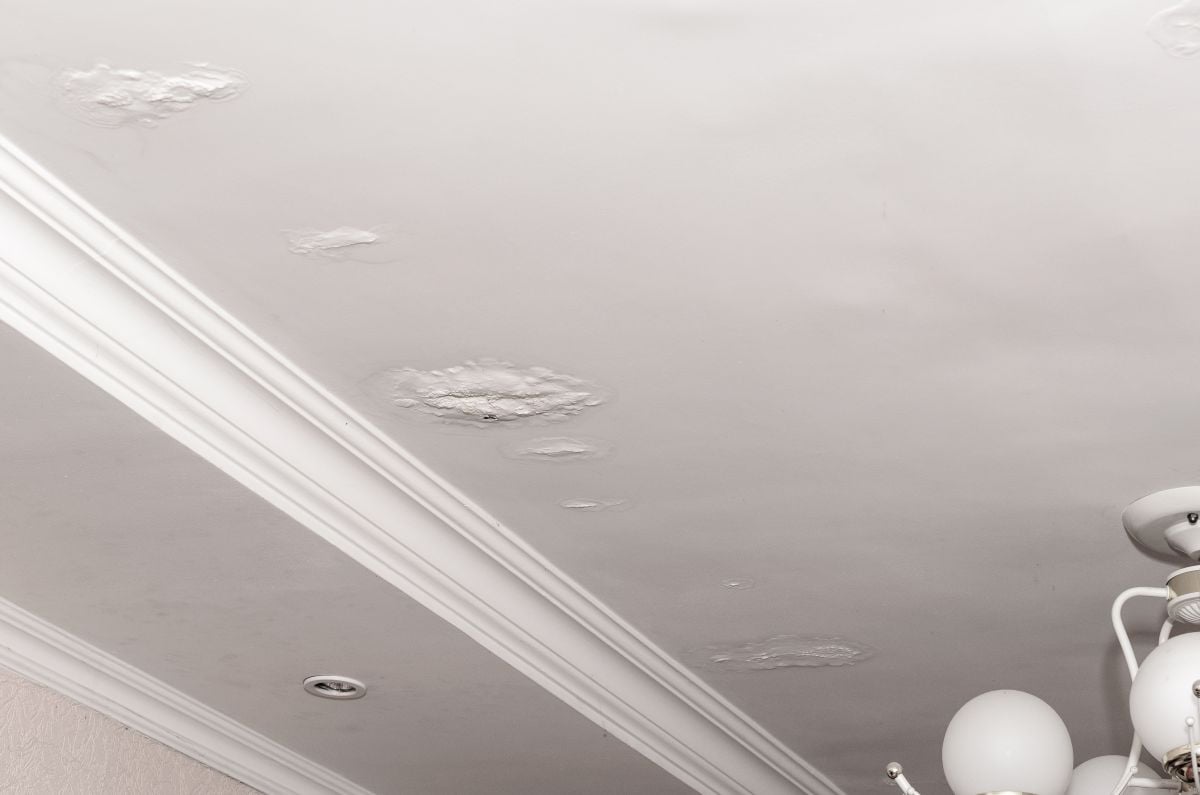

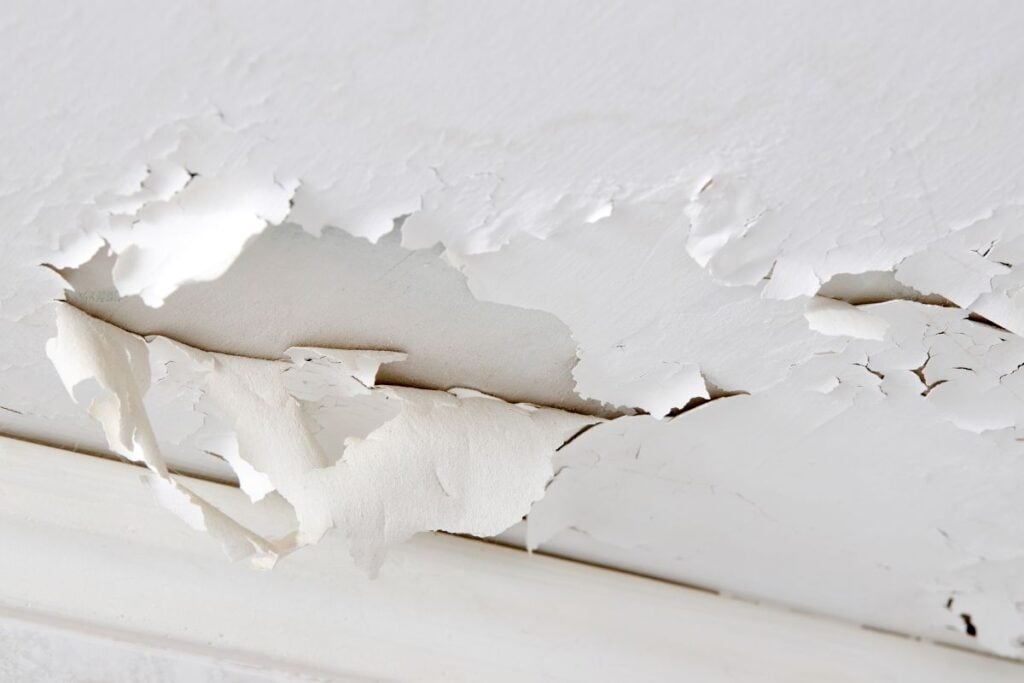
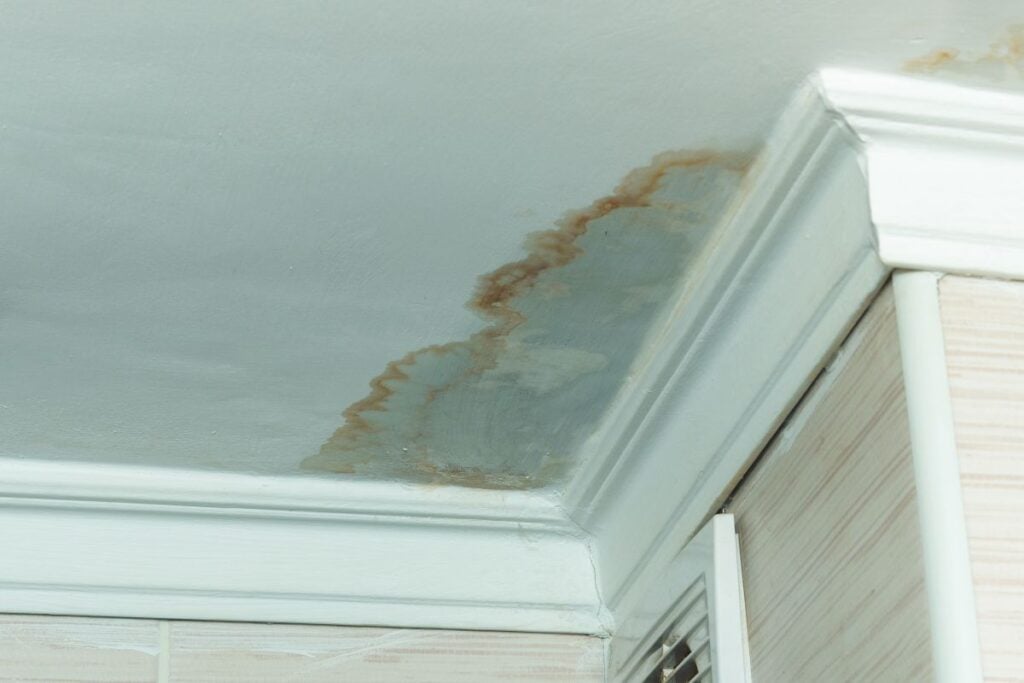
A small water stain on the ceiling can be the first hint of a much bigger problem hiding above your head. Understanding the most common roof leak causes helps you catch issues early, limit water damage, and know when it’s time to call in a professional. Northern Virginia’s heavy summer storms, humid air, and occasional winter ice all put extra stress on shingles, flashing, and gutters. Below, we answer the questions homeowners ask most so you can act fast and schedule timely roof repairs before a minor drip turns into a costly headache.
Common Sources of Roof Leaks
Q: Can damaged or missing shingles cause a roof leak?
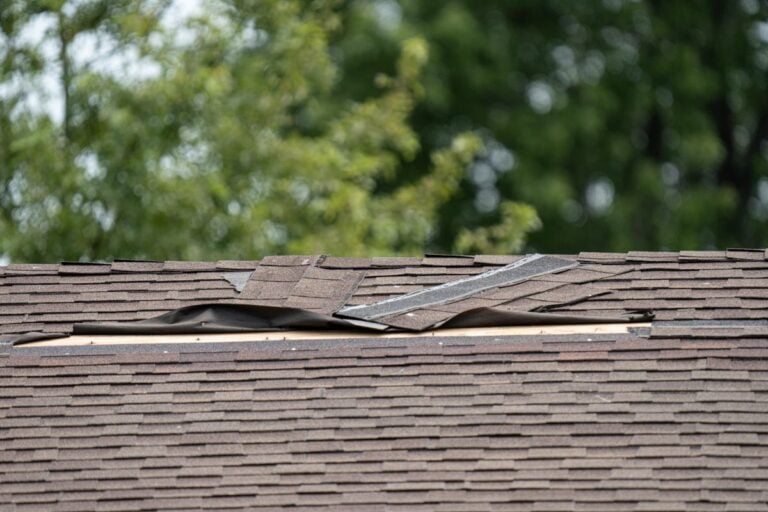
A: Yes, and they’re one of the most frequent culprits. When shingles crack, curl, or blow off, the underlayment and roof deck are left exposed to rain. Over time, water soaks through and finds its way into the attic. Roof Troopers often traces leaks back to a few missing shingles after a windstorm.
Q: How does failed flashing lead to leaks?
A: Flashing seals the joints around chimneys, skylights, walls, and valleys, which are the most vulnerable spots on any roof. When flashing rusts, loosens, or pulls away, water slips behind it and runs into the structure. Roof Troopers checks every flashing detail during inspections because problems there are easy to miss from the ground.
Q: Can vent pipes cause a roof to leak?
A: They can. Plumbing vents usually have a rubber boot that seals around the pipe, and that rubber cracks and shrinks as it ages in the sun. Once the seal fails, rain runs straight down the pipe into the attic. Replacing worn vent boots is a quick fix that Roof Troopers handles regularly.
Weather and Seasonal Leak Triggers in Northern Virginia
Q: How do summer storms cause roof leaks?
A: Heavy downpours, strong winds, and hail can lift shingles, crack seals, and drive rain sideways under roofing materials. Even a roof in decent shape can leak when wind driven rain hits a weak spot. After major storms, Roof Troopers uses drone inspections to spot damage quickly and document it for insurance purposes.
Q: Can ice dams cause leaks in Northern Virginia?
A: Yes, especially during winters with repeated snow and freezing temperatures. Ice dams form when attic heat melts snow on the roof and that water refreezes at the colder eaves, and university research on ice dams points to poor ventilation and insulation as the underlying cause. Trapped water then backs up under shingles.
Q: Can humidity or condensation look like a roof leak?
A: Absolutely. When warm, moist air from your living space reaches a cold attic, it can condense on the underside of the roof deck and drip onto insulation or ceilings. This often happens in homes with poor attic ventilation. Roof Troopers checks attic conditions to tell the difference between condensation and a true roof leak.
Hidden and Overlooked Leak Causes
Q: Can clogged gutters cause a roof leak?
A: Yes. When gutters fill with leaves and debris, water backs up along the roof edge and can seep under the first rows of shingles or into the fascia. Over time, that moisture can rot the roof deck near the eaves. Keeping gutters clear is one of the easiest ways to prevent leaks.
Q: Can poor installation lead to leaks years later?
A: It can. Improper nailing, missing underlayment, poorly lapped flashing, or inadequate ventilation may not cause problems right away but can lead to leaks as the roof ages. Roof Troopers often finds that recurring leaks trace back to original installation shortcuts rather than storm damage or normal wear.
Q: What are nail pops, and do they cause leaks?
A: Nail pops happen when roofing nails back out of the deck, often because of temperature swings or wood movement. The raised nail lifts the shingle above it and creates a gap where water can enter. Roof Troopers resets or replaces popped nails and seals the area to restore a watertight surface.

Finding and Fixing a Roof Leak
Q: Why doesn’t the leak appear directly under the damaged spot?
A: Water often travels along rafters, decking, or pipes before it drips onto your ceiling, so the stain inside may be several feet away from the actual entry point. That’s why guessing can be frustrating. Roof Troopers combines drone imaging with attic inspections to trace water back to its true source.
Q: What should I do as soon as I notice a leak?
A: Move valuables, place a bucket under the drip, and take photos of any interior damage. Avoid climbing onto a wet roof yourself. If water is actively coming in, Roof Troopers can provide emergency tarping to prevent further damage while we put together a permanent repair plan for your home.
Q: Will a leak mean I need a full roof replacement?
A: Not usually. Many leaks come from isolated problems like a cracked vent boot or a few missing shingles. Replacement makes more sense when a roof is older or damage is widespread. Roof Troopers weighs the roof’s age, condition, and extent of damage and always gives an honest recommendation.
Q: How quickly can a roof leak be repaired?
A: Many repairs can be completed the next day, depending on weather and the scope of the damage. Fast action limits water damage to insulation, drywall, and framing. Every repair from Roof Troopers comes with a 10 year worry free workmanship warranty on the repaired area for added peace of mind.
Stopping Leaks Before They Spread
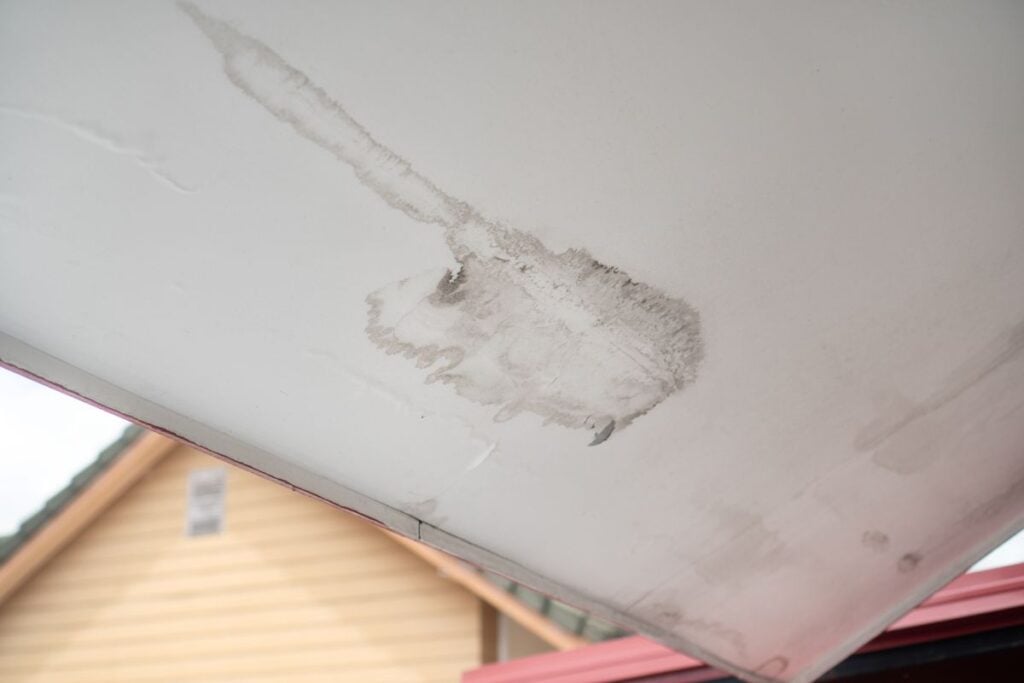
Roof leaks rarely fix themselves, and the longer water finds its way inside, the more damage it does to insulation, drywall, and the structure of your home. Knowing the most common causes, from worn shingles and failed flashing to clogged gutters and ice dams, helps you spot trouble early and respond quickly. If you’ve noticed a stain, drip, or damp attic, Roof Troopers is ready to track down the source and get your roof watertight again, so contact us today to schedule a no obligation inspection.
Don’t pay for your roof until 2027!
0% APR, same as cash for 24 months
Get Started Today!
"*" indicates required fields