
A storm can turn a stable roof into an urgent problem within minutes, and knowing how to respond to emergency roof repair situations can make a real difference in how much damage a home ultimately sustains. Understanding the right steps to take, along with how emergency work fits into the broader picture of a home’s roofing system, helps homeowners stay calm and act effectively when something goes wrong. Below are answers to the questions Fairfax County homeowners ask most often during these situations, from the first moments after damage occurs to working with a contractor afterward.
Immediate Safety Steps
Q: What should I do first if I notice roof damage during a storm?
A: Stay inside and away from windows until the storm passes. Move furniture or valuables away from any active leaks, and avoid going outside to inspect the roof until conditions are safe and calm enough to do so without added risk.
Q: Is it ever safe to go up on the roof myself?
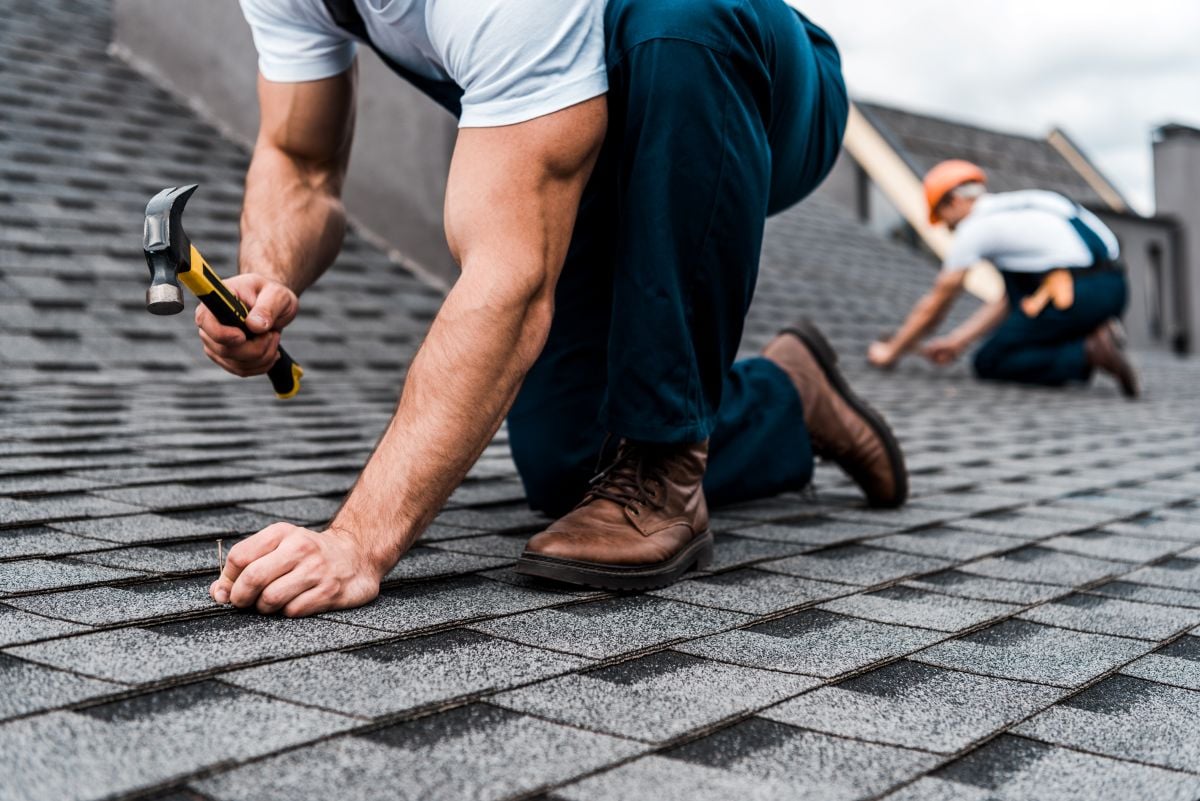
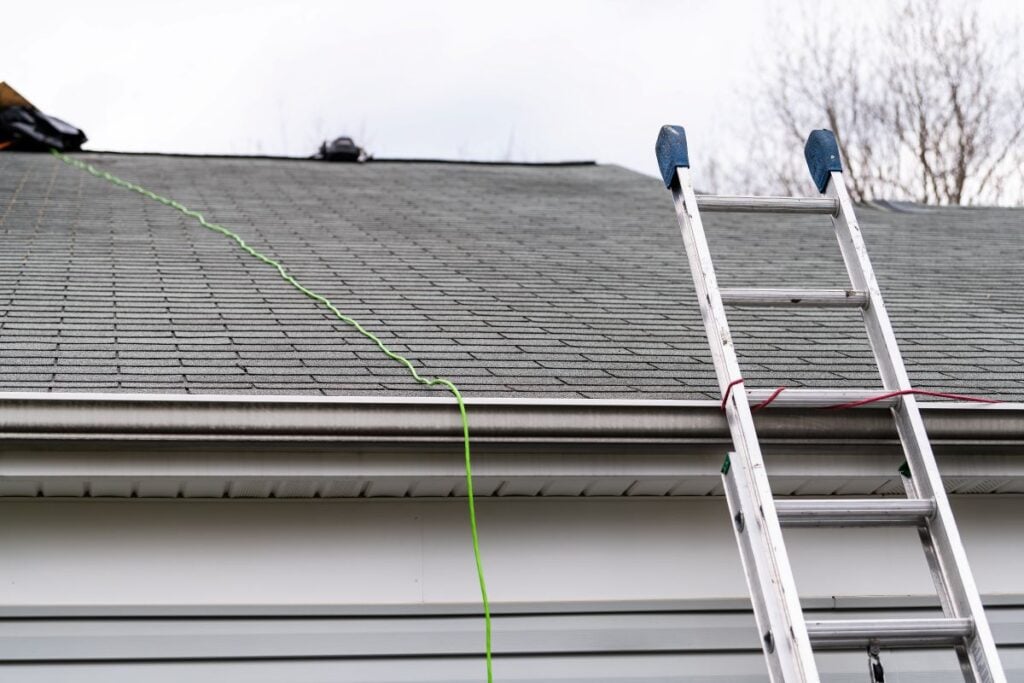
A: Generally, no. Wet, damaged, or unstable roofing surfaces pose a serious fall risk, and structural damage may not be obvious from the surface. Emergency roof assessments and temporary repairs are best left to trained professionals with the right equipment and experience.
Q: What if a tree or large debris has fallen on my roof?
A: Stay away from the affected area and do not attempt to remove debris yourself, especially if power lines are nearby. Contact a professional immediately, since large debris can indicate structural damage that requires careful handling and assessment.
Assessing and Documenting the Damage
Q: How should I document damage for insurance purposes?
A: Take photos and videos from multiple angles as soon as it is safe to do so, both from the ground and from inside the attic if accessible. Thorough documentation before any cleanup begins gives your insurance company a clear record of the damage and supports a smoother claims process.
Q: Should I wait for an adjuster before covering damaged areas?
A: No. Most policies expect homeowners to take reasonable steps to prevent further damage, which may include temporary tarping before the adjuster arrives. Photograph the damage first, then proceed with protective measures as soon as possible.
Q: What signs indicate the damage is more serious than it looks?
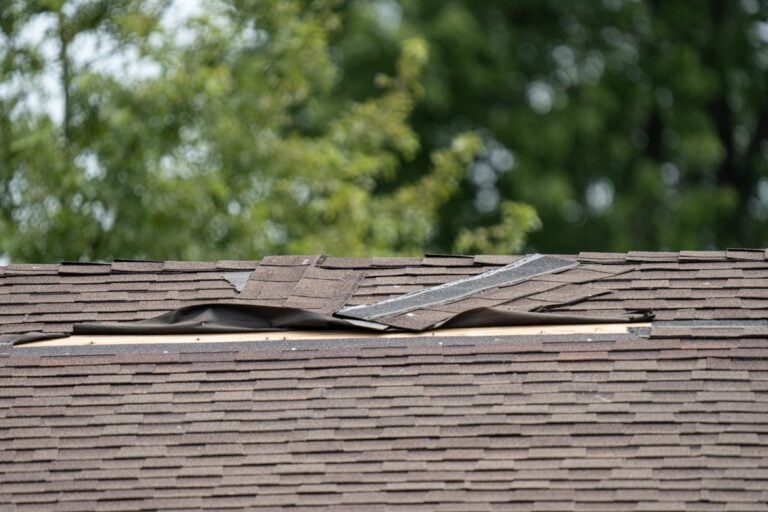
A: Sagging ceilings, large sections of missing shingles, and visible daylight through the roof decking all suggest damage that goes beyond a simple repair. These signs warrant an immediate professional inspection rather than a wait and see approach to the situation.
Temporary Protection Measures
Q: Why does covering the damage quickly matter so much?
A: Delayed action allows more water to enter the home, increasing both repair costs and health risks. According to EPA guidance on mold prevention, water damaged areas should be dried within 24 to 48 hours to prevent mold growth, which makes fast temporary protection especially important after a storm.
Q: What is typically used for emergency tarping?
A: Heavy duty, waterproof tarps are secured over damaged sections to prevent further water intrusion until permanent repairs can be scheduled. Proper installation matters, since a poorly secured tarp can fail during additional wind or rain and leave the home exposed again.
Q: How long can a tarp stay on before permanent repairs are needed?
A: A tarp is meant as a short term solution, not a long term fix. Permanent repairs should generally be scheduled as soon as possible, and the tarped area should be checked periodically in the meantime to make sure it is still holding.
Q: Can emergency tarping cause additional damage to the roof?
A: When installed correctly by a professional, tarping should not add meaningful damage. Improvised methods, however, can sometimes create new openings or fail to hold securely, which is why professional installation is generally the safer choice.
Working With Insurance and Contractors
Q: Will homeowners insurance cover emergency roof repair?
A: In most cases, yes, particularly when the damage results from a sudden event like a storm. Reviewing your specific policy or speaking directly with your insurer is the best way to understand what is covered before assuming coverage either way.
Q: How quickly should I contact a roofing contractor after storm damage?
A: As soon as it is safe to do so. Prompt contact helps ensure temporary protection gets installed quickly and that a full assessment can begin before additional weather causes further damage to the home.
Q: What should I ask a contractor before hiring them for emergency work?
A: Ask about licensing, insurance, and whether they provide a written estimate before starting work. A reputable contractor should be transparent about pricing and willing to explain the scope of emergency versus permanent repairs clearly.
Responding With Confidence When Storms Hit
Emergency roof damage is stressful, but knowing what to expect and having a plan in place can make the situation far more manageable. Prioritizing safety, documenting damage thoroughly, and acting quickly on temporary protection all help limit the impact on your home and set the stage for a smoother repair process overall.
Roof Troopers provides prompt, reliable emergency roof repair services for homeowners throughout Fairfax County and the surrounding area. If your roof has been damaged, contact us today for immediate assistance.
Don’t pay for your roof until 2027!
0% APR, same as cash for 24 months
Get Started Today!
"*" indicates required fields