
A flat roof does a lot of quiet work over a commercial building, and most owners only think about it when water shows up on a ceiling tile. EPDM roofing is one of the most trusted membranes for low slope buildings, offering decades of weather resistance at a reasonable price. Knowing how this rubber membrane performs, what affects its lifespan, and how it compares to other systems helps you plan for a roof that holds up through every Virginia season instead of reacting to leaks after tenants start calling.
A quick look at what’s ahead:
- What EPDM is and why so many commercial buildings rely on it
- Six factors that decide how long an EPDM roof actually lasts
- How the three installation methods differ
- How EPDM stacks up against TPO and modified bitumen
- Straight answers to common property owner questions
Why EPDM Makes Sense for Commercial Buildings
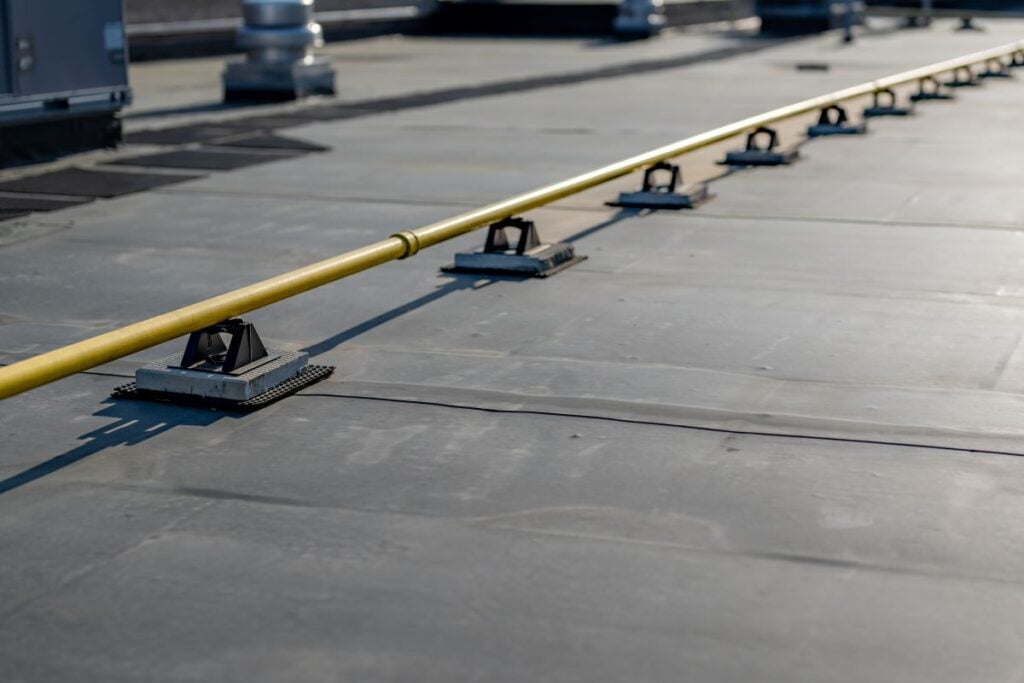
EPDM stands for ethylene propylene diene monomer (often listed as ethylene propylene diene terpolymer), a synthetic rubber manufactured to protect flat and low slope roofs. It’s widely recognized as a single ply rubber membrane built specifically for surfaces where shingles and tile simply won’t work. Many building owners in Burke and surrounding areas choose this style of rubber roofing for offices, retail centers, warehouses, and multifamily properties because it handles summer heat, winter cold, and heavy rain without much fuss.
Here’s why it keeps earning a spot on so many commercial projects:
- Proven durability: A well installed EPDM membrane is highly UV resistant and often lasts 25 to 30 years or more, standing up to ozone and the freeze and thaw cycles Northern Virginia sees every winter.
- Manageable installed cost: Compared to many single ply systems, EPDM lands on the lower end of the price range, and wide sheets mean fewer seams and lower labor costs across the entire roof.
- Simple, fast repairs: Punctures and seam issues can usually be patched with compatible primer and seam tape, so a small roof leak doesn’t become a major repair bill.
- Hail and weather resistance: The rubber’s flexibility lets it absorb impact from hail and stretch with temperature swings instead of cracking.
None of these benefits happen automatically, though. The membrane is only as reliable as the materials, details, and workmanship around it, and that’s where most of the real differences between a 15 year roof and a 30 year roof show up.
6 Factors That Determine How Long Your EPDM Roof Lasts
Two buildings can have the exact same roofing membrane on top and get very different results. The factors below are what separate a roof that quietly does its job for decades from one that keeps your maintenance team on a first name basis with the local roofer.
1. Membrane Thickness
EPDM is measured in mils, and thickness has a direct effect on puncture resistance and service life. Thicker sheets cost more up front but extend roof life on buildings that see weather extremes or regular service visits.
- 45 mil: A lighter, lower cost option better suited to smaller or low traffic roofs
- 60 mil: The common commercial standard, balancing cost and durability
- 90 mil: Maximum toughness for roofs with heavy foot traffic or long ownership plans
2. Seam Quality
Seams are where EPDM roofs most often fail. Older systems relied on liquid adhesives that could dry out and separate over time, while modern seam tape creates a much stronger, more consistent bond. Clean surfaces, proper primer, and careful rolling during installation make an enormous difference in how well those seams stay sealed 15 years later. Manufacturers like Carlisle Syntec and Johns Manville publish detailed seaming requirements, and crews with hands on training in those methods produce far more reliable results.
3. Drainage and Ponding Water
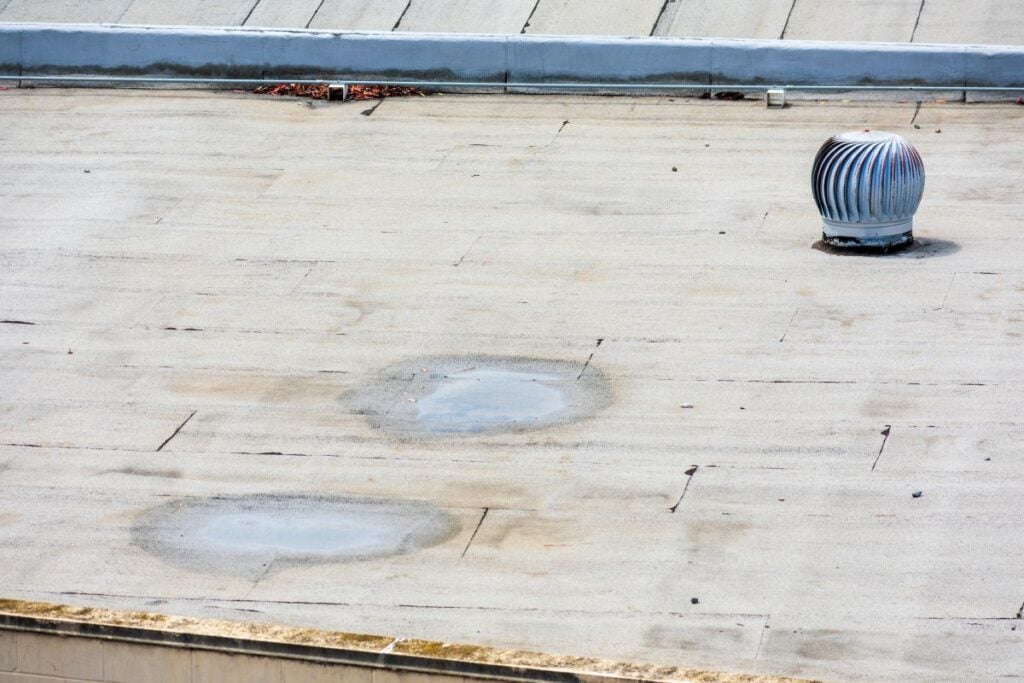
A “flat” roof should never be perfectly flat. Water that sits on the membrane for more than a couple of days adds weight, collects debris, and puts constant stress on seams and the deck below. Tapered insulation, crickets around equipment, and clear drains or scuppers keep water moving where it belongs.
4. Flashing Around Penetrations
Every hole cut through the roof is a potential leak point. Commercial roofs tend to have plenty of them, so flashing details deserve as much attention as the field of the roof.
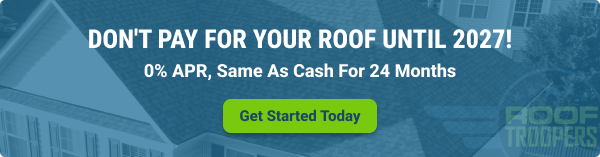
- Rooftop HVAC curbs and units
- Plumbing vents, pipe boots, and exhaust fans
- Parapet walls, edge metal, and expansion joints
5. Rooftop Foot Traffic
HVAC technicians, cable installers, and other service crews all walk on your roof, sometimes carrying sharp tools. Dropped screws and dragged equipment are common causes of punctures. Adding walkway pads along service routes protects the membrane where it takes the most abuse.
6. Insulation and Deck Condition
The membrane is just the top layer of the system. If the insulation underneath is wet or the deck is deteriorating, a new membrane won’t fix the real problem. Where the building calls for them, vapor barriers help keep interior moisture out of the insulation, because trapped moisture reduces insulation value and quietly drives up heating costs year after year.
Taken together, these six factors show why choosing EPDM is only half the decision. The other half is making sure the system is designed and installed with your building’s specific use, layout, and drainage in mind.
Choosing the Right EPDM Installation Method
Once you’ve settled on EPDM, the next decision is how the membrane will be secured, since EPDM roofing systems can be installed three different ways. Each method has its own strengths, and the right choice depends on your roof deck, wind exposure, structural capacity, and budget.
- Fully adhered: The membrane is bonded directly to a cover board or insulation with adhesive. This method creates a smooth, clean finish and strong wind uplift resistance, making it a solid fit for roofs with complex layouts or lots of penetrations. It typically involves more labor, so the installed cost runs a bit higher.
- Mechanically fastened: The membrane is secured through the insulation into the deck using plates and screws, with seams covering the fasteners. It installs quickly and is cost effective for large, open roofs, but it requires a deck that can hold fasteners securely.
- Ballasted: Ballasted assemblies use a loose laid membrane held in place by river rock or concrete pavers. It’s often the lowest cost option per square foot, but the building must be able to carry the extra weight, and tracing leaks under the ballast takes more effort.
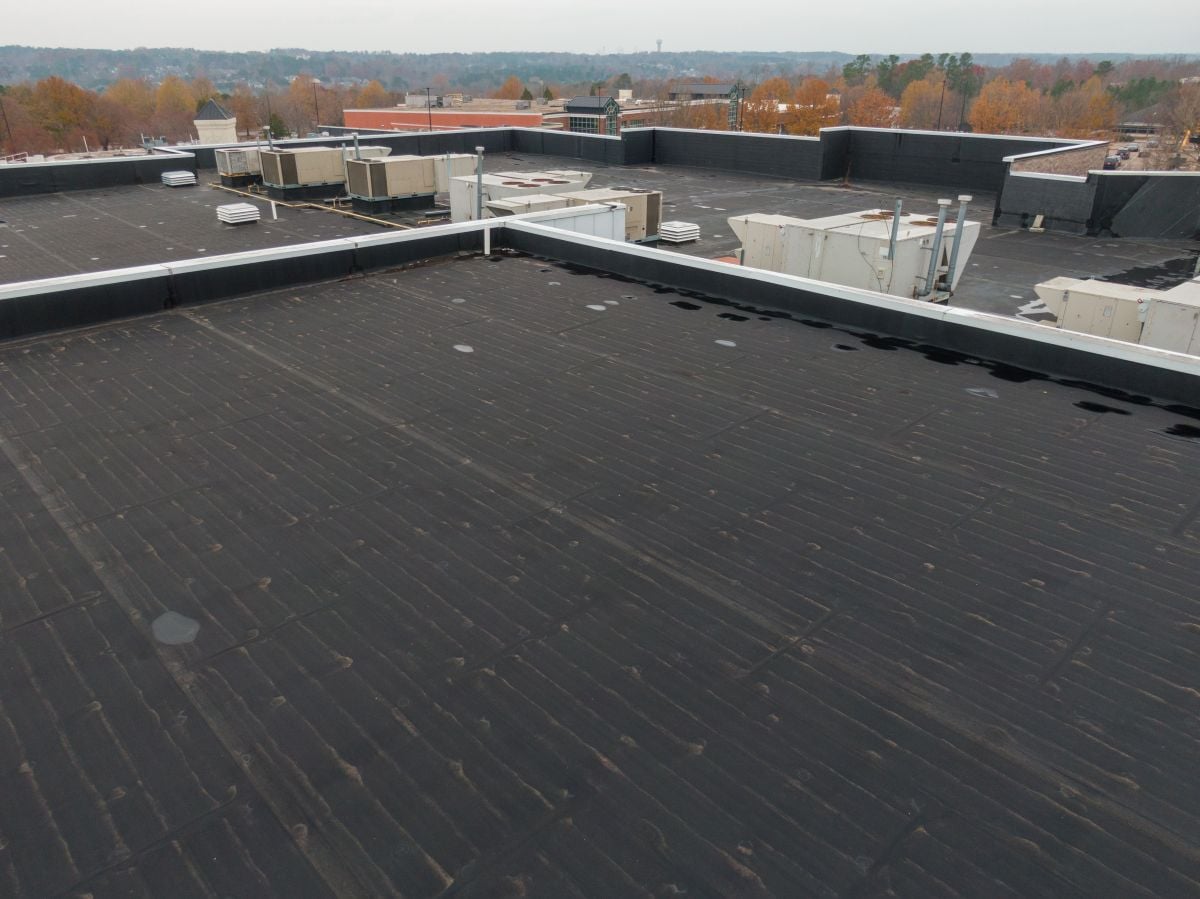
Color is another choice worth discussing. Black EPDM absorbs heat, which can help in colder climates, while white EPDM reflects sunlight and is popular in warmer climates. Northern Virginia sits between the two, so the right color depends on your building. Your roofer should walk you through how each option affects energy use, warranty terms, and long term maintenance before anything is ordered.
How EPDM Compares to Other Commercial Roofing Systems
EPDM isn’t the only single ply roofing system available, and a good contractor should be willing to explain where it shines and where another system might fit better. The comparison below covers the three membranes property owners most often consider.
| Feature | EPDM | TPO | Modified Bitumen |
| Material | Synthetic rubber | Thermoplastic polyolefin (polypropylene blend) | Asphalt with polymer modifiers |
| Typical lifespan | 25 to 30+ years | 15 to 25 years | 15 to 20 years |
| Seam method | Seam tape or adhesive | Heat welded | Torch, heat, or cold adhesive |
| Standard color | Black (white available) | White | Varies, often granulated |
| Puncture resistance | Moderate, better with thicker sheets | Good | High |
| Ease of repair | Very easy | Moderate | Moderate |
EPDM generally wins on longevity and repair simplicity, which makes it appealing for owners who plan to hold a property for many years. TPO’s heat welded seams and reflective surface attract owners focused on energy efficiency, while modified bitumen’s toughness suits roofs with heavy foot traffic. PVC is another heat welded single ply option, often chosen for restaurants because it resists grease and chemicals. For an aging roof that’s still sound, a silicone, acrylic, or urethane coating may also buy a few extra years before replacement.
The best choice ultimately comes down to how your building is used, how long you plan to own it, and what’s underneath the current roof. A thorough inspection is the only reliable way to weigh those factors honestly.
Frequently Asked Questions About EPDM Roofing
Commercial property owners tend to ask many of the same questions when they’re weighing a new flat roof. Here are clear answers to the ones that come up most often.
How much does EPDM roofing cost for a commercial building?
As a rough industry estimate, EPDM often runs between $4 and $14 per square foot installed. Roof Troopers bases every estimate on membrane thickness, installation method, insulation needs, and the condition of the existing roof.
Can EPDM be installed over an existing roof?
In some cases, yes. If the building has only one existing layer and the insulation underneath is dry, a recover may be possible, but local building codes limit how many layers a roof can carry, and Roof Troopers will always confirm what’s underneath before recommending one.
How often should a commercial EPDM roof be inspected?
Twice a year, ideally in spring and fall, plus after any major storm. Regular inspections from Roof Troopers help catch seam separation, flashing issues, and punctures while they’re still small, and many owners in Burke and surrounding areas schedule them around seasonal HVAC service.
Is white EPDM worth the extra cost?
White EPDM reflects more sunlight than black, which can lower cooling costs for buildings with large roof areas. Roof Troopers can help you weigh the energy savings against the price difference based on your building’s use and Northern Virginia’s mixed climate.
Can a leaking EPDM roof be repaired instead of replaced?
Often, yes. Localized punctures and seam failures are usually straightforward fixes, but if moisture has spread through the insulation or the roof is near the end of its life, Roof Troopers will tell you honestly when replacement is the smarter long term solution.
Every building is a little different, so these answers are a starting point rather than a final verdict. An onsite inspection gives you specifics for your property and a plan you can actually budget around.
Keep Your Commercial Property Covered for the Long Haul
A commercial roof protects your tenants, your inventory, and the value of the building itself, so the decisions you make about it deserve real attention. EPDM offers a durable, cost conscious path forward when it’s matched to the right building and installed with care. At Roof Troopers, we bring drone inspections, clear and honest recommendations, and a project manager on every site to property owners in Burke and surrounding areas. As a BBB A+ accredited, family owned company, we treat every roof like it’s our own. Ready to find out whether EPDM is the right fit for your building? Contact us today to schedule a no obligation inspection.
Don’t pay for your roof until 2027!
0% APR, same as cash for 24 months
Get Started Today!
"*" indicates required fields