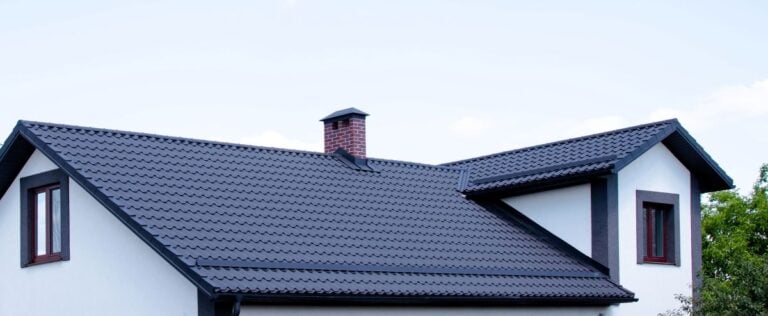
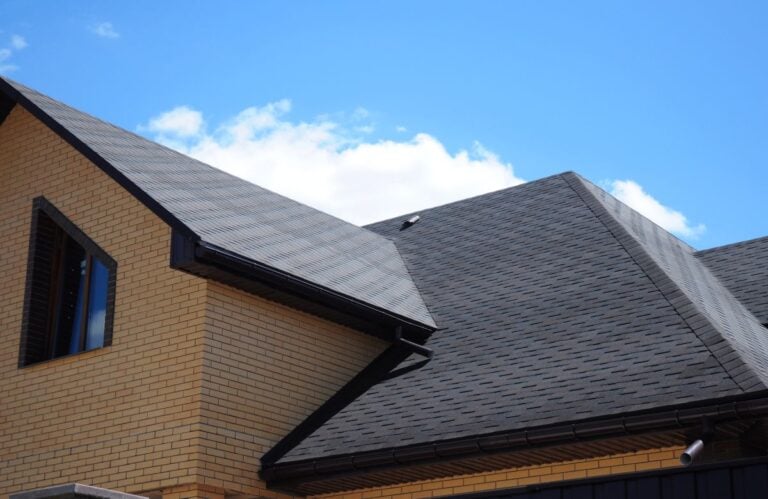
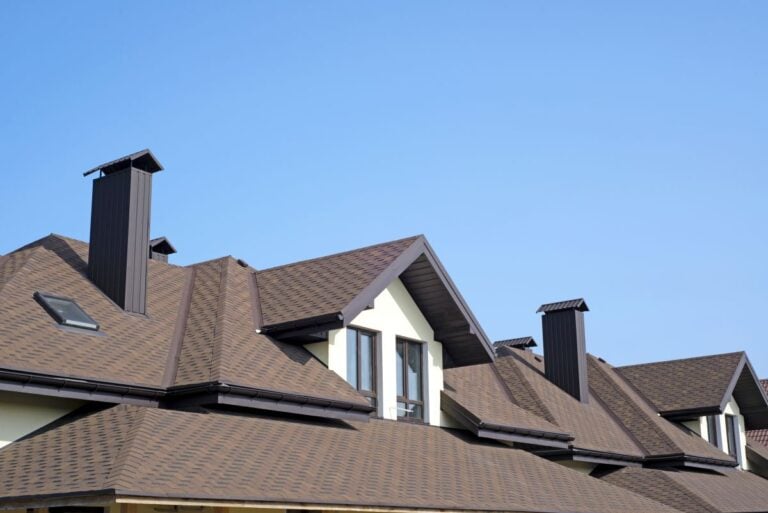
When homeowners focus on roofing components, shingles and flashing often get all the attention. However, the frieze board plays an important structural and aesthetic role along the edge of your roofline. This horizontal trim board sits where the roof meets the exterior wall, supporting soffits and improving overall durability. If you are reviewing exterior upgrades or exploring improvements through our roofing solutions, understanding this feature can help protect your home in Burke and surrounding areas.
In this guide, you will learn:
- What a frieze board is and where it is located
- Six key benefits it provides to your roof and exterior
- Common materials used for frieze boards
- Signs it may need repair or replacement
- Answers to common homeowner questions
Why The Frieze Board Is An Important Roofing Component

The frieze board may appear to be a simple trim piece, but it serves several practical purposes that impact roof stability and exterior protection. It creates a clean transition between the roof structure and siding while supporting other components like soffits and gutters.
In Burke and surrounding areas, where seasonal weather can stress exterior materials, ensuring your trim and roofline components remain intact helps prevent long term damage.
Key reasons this board matters include:
- Structural Support: Provides a secure nailing surface for soffits and stabilizes the roof edge.
- Moisture Defense: Helps block water intrusion at the joint between siding and roofline.
- Pest Prevention: Seals small gaps that insects or rodents might otherwise exploit.
- Improved Ventilation Support: Works with soffits to maintain airflow in the attic.
- Enhanced Curb Appeal: Creates a polished, finished look along the roof’s perimeter.
When properly installed and maintained, this trim board contributes to both form and function.
6 Benefits To Your Roof And Exterior
Understanding the direct advantages of a frieze board helps homeowners appreciate why it should not be overlooked during inspections or upgrades.
1. Strengthens The Roof Edge
The roof edge is one of the most vulnerable areas of any home. Wind uplift, water runoff, and temperature shifts all affect this junction.
A properly installed frieze board reinforces the roof perimeter by:
- Providing a stable attachment point
- Supporting the soffit panels
- Maintaining alignment between roof and siding
This added stability reduces stress on adjacent materials.
2. Supports Soffit Installation
Soffits rely on secure backing for proper installation. The frieze board acts as a solid anchor point, helping soffits remain level and secure over time.
Without this support, soffits may sag or detach, which can:
- Compromise attic ventilation
- Allow moisture infiltration
- Reduce overall roof efficiency
In Burke and surrounding areas, where humidity levels fluctuate seasonally, strong soffit support is essential.
3. Improves Water Management
Rainwater travels down the roof surface and toward gutters. The frieze board helps manage this transition point by creating a clean edge beneath the fascia.
When properly sealed, it:
- Minimizes water penetration behind siding
- Reduces risk of rot at the roofline
- Protects structural framing
Effective water management at this joint helps prevent hidden damage.
4. Enhances Exterior Appearance
Beyond structural benefits, the frieze board adds visual definition to your roofline. It creates a finished look that ties together siding, trim, and roofing materials.
This aesthetic improvement:
- Adds architectural detail
- Increases curb appeal
- Complements other exterior trim features
Even subtle trim enhancements can improve property value.
5. Contributes To Energy Efficiency
Properly installed frieze boards work in coordination with soffits and ventilation systems. By supporting vented soffits, they help regulate attic airflow.
Improved airflow:
- Reduces heat buildup in summer
- Limits moisture accumulation in winter
- Protects insulation performance
Balanced ventilation extends roof lifespan and lowers energy strain.
6. Extends Roof System Longevity
When all roofline components function together, stress on individual materials decreases. The frieze board supports this balance.
Its role in sealing gaps and stabilizing edges:
- Reduces shingle movement
- Prevents water related deterioration
- Protects structural framing
Over time, this protection contributes to a longer lasting roofing system.
Common Materials Used For Frieze Boards

Frieze boards come in several material options, each with advantages and limitations. Choosing the right one depends on climate, maintenance preferences, and overall design goals.
Wood
Traditional wood trim remains a popular choice due to its classic appearance and ease of customization.
Benefits:
- Natural look
- Easy to paint or stain
- Strong structural support
However, wood requires regular maintenance and can be vulnerable to rot if not sealed properly.
Fiber Cement
Fiber cement boards offer improved durability compared to wood. They resist moisture, pests, and fire.
Advantages include:
- Low maintenance
- Strong resistance to warping
- Long lifespan
This option performs well in regions with variable weather conditions.
PVC Or Composite Trim
PVC and composite boards provide high resistance to moisture and insects. They are lightweight and easy to install.
Pros:
- Minimal maintenance
- Rot resistant
- Consistent finish
While slightly more expensive than basic wood, their durability often offsets long term upkeep costs.
Signs Your Frieze Board May Need Attention
Over time, even well installed trim boards can deteriorate. Recognizing early warning signs helps prevent larger repairs.
Homeowners in Burke and surrounding areas should look for:
- Peeling paint or visible cracking
- Soft spots indicating rot
- Gaps between siding and roofline
- Insect activity near the eaves
- Water stains on exterior walls
If these symptoms appear, a professional inspection can determine whether repair or replacement is necessary.
Repair Or Replace? Making The Right Choice
Determining whether to repair or fully replace a frieze board depends on the extent of damage and overall roof condition.
Minor Repairs
If damage is limited to small sections, repairs may involve:
- Replacing a short board segment
- Resealing joints
- Repainting and caulking
This option is often cost effective when caught early.
Full Replacement
Widespread rot or structural weakness may require complete replacement. This is especially common when water intrusion has gone unnoticed for extended periods.
Replacement may be recommended when:
- Multiple sections show decay
- The board no longer supports soffits properly
- Adjacent framing has been affected
Addressing the issue promptly prevents further structural complications.
Frieze Board And Overall Roof System Integration
The frieze board does not function independently. It works alongside fascia, soffits, gutters, and shingles as part of a complete roofing system.
When evaluating roof upgrades, professionals consider how each element connects. A well integrated system:
- Improves structural integrity
- Enhances water control
- Boosts long term durability
- Maintains consistent appearance
During roof replacements in Burke and surrounding areas, evaluating trim components ensures no weak points remain along the roofline.
Frequently Asked Questions

A frieze board may seem like a small detail, but homeowners often have important questions about its purpose and maintenance. Below are answers to common concerns.
What is the difference between a frieze board and fascia?
The frieze board runs horizontally beneath the soffit where the roof meets the exterior wall. The fascia board is attached to the ends of rafters and supports the gutters along the roof edge.
Does every home have a frieze board?
Not all homes use a traditional frieze board design. Some modern construction styles integrate similar structural components under different trim configurations.
How long does a frieze board last?
Lifespan depends on material and maintenance. Wood may last 10 to 20 years with proper care, while composite or fiber cement options often last significantly longer.
Can damaged frieze boards cause roof leaks?
Yes, if the board deteriorates and allows water to enter behind siding or soffits, leaks and structural damage can occur over time.
Is replacing a frieze board expensive?
Costs vary based on material choice and extent of damage. Addressing issues early generally reduces overall repair expenses.
Protect Your Roofline With Expert Support
The frieze board may not be the most visible part of your roofing system, but it plays a crucial role in protecting your home’s structure and appearance. From supporting soffits to preventing moisture intrusion, this trim component strengthens your roof’s performance and enhances curb appeal.
If you have concerns about your roofline or exterior trim in Burke and surrounding areas, Roof Troopers is here to help. Our experienced team evaluates every component of your roofing system to ensure lasting durability and protection. If you would like a professional assessment or guidance on repairs, contact us today and let Roof Troopers safeguard your home with dependable craftsmanship and attention to detail.
Don’t pay for your roof until 2027!
0% APR, same as cash for 24 months
Get Started Today!
"*" indicates required fields