
A small drip today can turn into a major headache tomorrow, which is why understanding roof leak repair matters long before water ever reaches your ceiling. Whether it’s a small roof leak from a single missing shingle or a fully leaking roof after a storm, catching the warning signs early is often the difference between a quick fix and a costly rebuild, and knowing what the repair process actually involves can help you make faster, more confident decisions when trouble shows up overhead.
Here’s a quick look at what this guide covers:
- Why leaks deserve prompt attention
- The most common causes behind roof leaks
- What a professional repair visit typically looks like
- How to decide between repairing and replacing
- Answers to common homeowner questions
What’s at Stake When a Leak Goes Unchecked
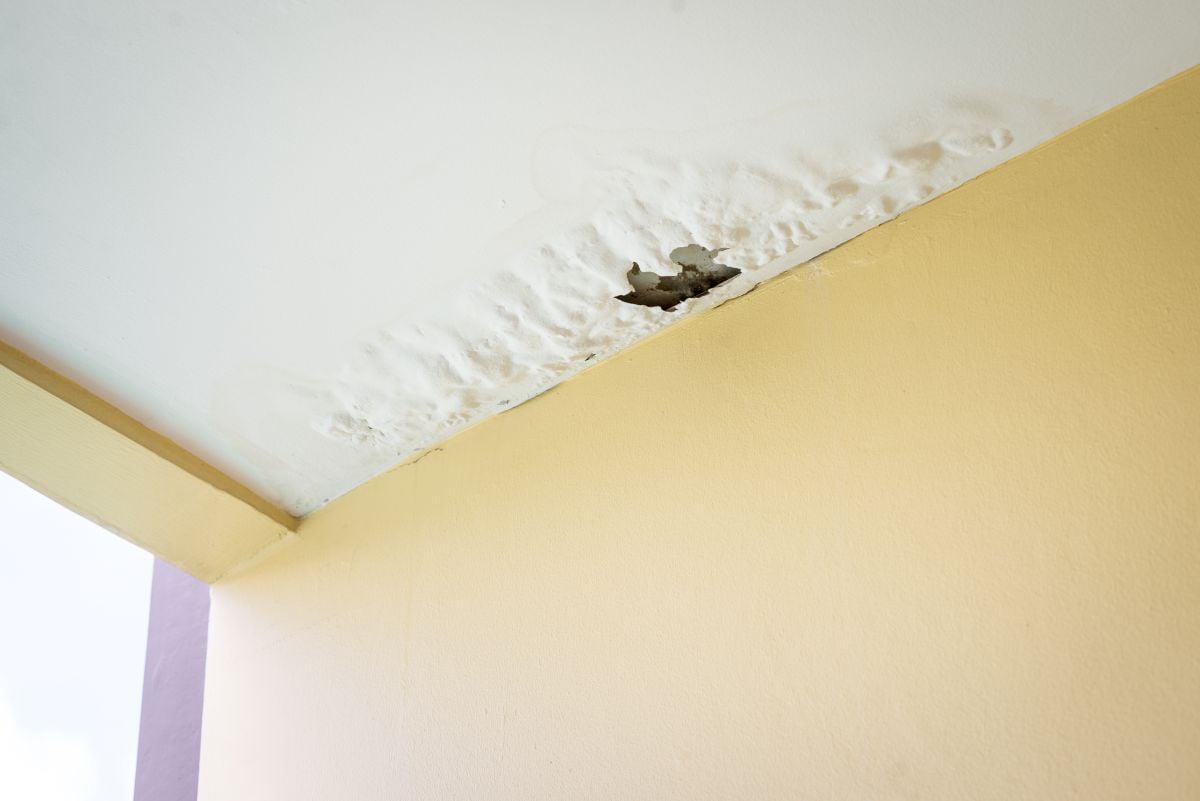
Water damage rarely stays contained to one spot. What starts as water stains on a ceiling can quietly spread into insulation, drywall, and even the structural timbers of a home in Vienna and surrounding areas before anyone notices. Left alone, gradual deterioration can work its way toward the outside walls as well, and the longer a leak goes unaddressed, the more expensive and invasive the fix tends to become.
- Structural protection: Roofs are the first line of defense against wind, rain, and snow, and even a minor breach in the roof structure can compromise the decking underneath.
- Health and safety: Trapped moisture creates ideal conditions for mold and mildew growth, which can affect indoor air quality.
- Energy efficiency: Water intrusion often leaves insulation wet, making it harder to keep a home properly heated or cooled.
- Long-term savings: Small repairs completed early almost always cost less than emergency roof leak repair after a leak has spread.
Homeowners in Vienna often notice water leaking after a heavy storm or period of high winds, but plenty of leaks develop slowly over months. Paying attention to small changes, like a musty smell in the attic or a faint water ring on the ceiling, can help catch problems while they are still manageable.
6 Common Causes of Roof Leaks
Not every leak comes from the same source, and identifying the actual cause is the first step toward a lasting repair, whether it turns out to be a fairly straightforward patching job or something more involved. Below are the most frequent culprits found in homes throughout Vienna and surrounding areas, on both steep, pitched roofs and the occasional flat roof section over a porch or addition.
1. Aging or Worn Shingles
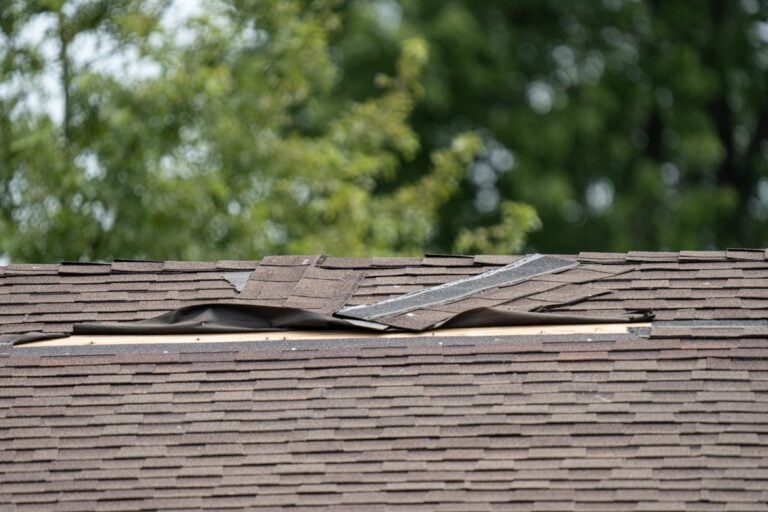
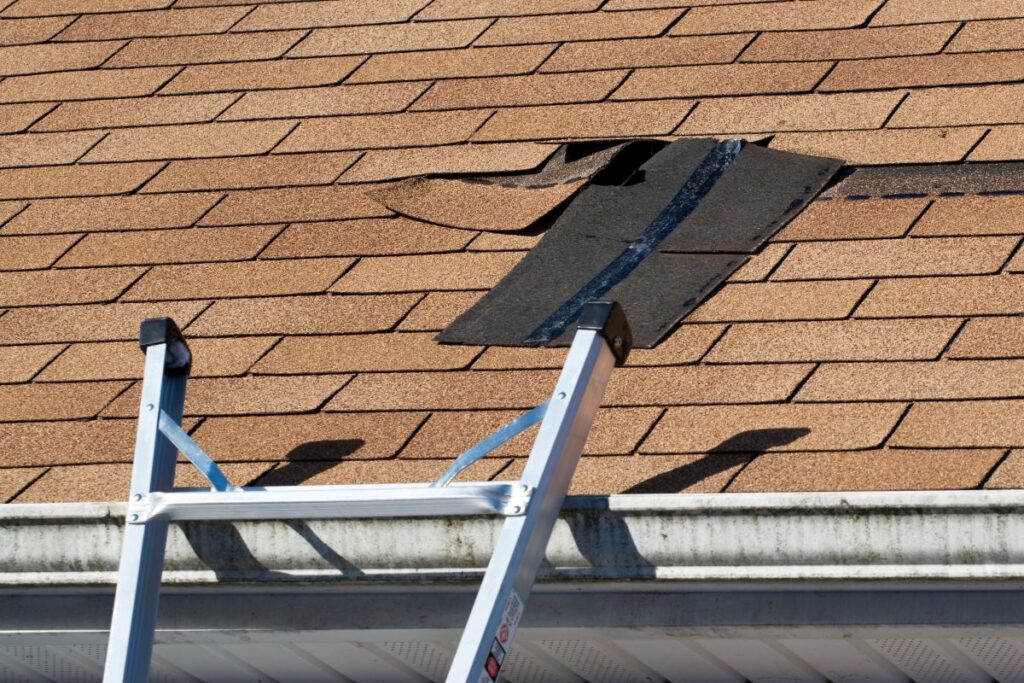
Shingles naturally break down over time due to sun exposure, temperature swings, and general wear. Cracked, curling, or missing shingles, especially near roof edges, create gaps where water can seep beneath the surface.
- Granule loss is often an early warning sign
- Shingles nearing the end of their lifespan are more vulnerable after storms and heavy rain
2. Damaged or Deteriorated Flashing
Flashing seals the joints around chimneys, vents, skylights, and pipe penetrations. When it rusts, cracks, or comes loose, those sealing joints become one of the most common entry points for water, and chimney repairs are often needed alongside flashing replacement.
3. Blocked or Damaged Gutters
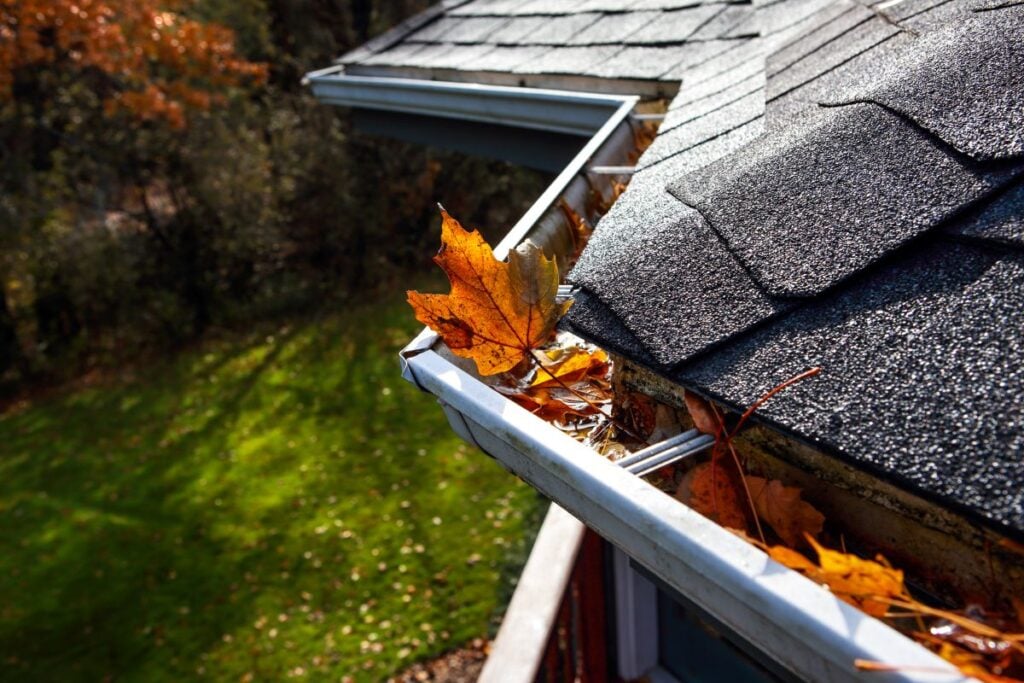
Gutters are designed to move water away from the roofline. When they fill with debris and become blocked gutters, water can back up under the shingles instead of draining properly.
- Overflowing gutters during rainstorms are a common sign of blockage
- Sagging gutters may indicate they are holding standing water
4. Ice Dams and Winter Weather
In colder months, uneven roof temperatures can cause snow to melt and refreeze near the edges, forming ice dams. This trapped water has nowhere to go but under the shingles.
5. Poor Ventilation
Without proper airflow, attics can trap heat and moisture, accelerating wear on the roofing materials from the inside out. Over time, this can weaken the decking and shorten the roof’s overall lifespan.

6. Improper Installation or Repairs
Roofs installed or previously repaired without careful attention to detail are more likely to develop leaks, even if the materials themselves are high quality. Nail placement, sealing, and layering all matter more than most homeowners realize.
Understanding which of these issues applies to a specific roof usually requires a closer look, since many causes can produce similar symptoms inside the home. That is why a proper inspection is such an important part of the process.
What Happens During a Professional Roof Leak Repair
Knowing what to expect can make the entire process feel far less stressful. A thorough repair visit typically follows a consistent sequence, even though the specific work performed will vary based on what the inspection reveals.
Inspection first. Qualified roofers examine both the exterior roofing surface and, when possible, the attic space with a flashlight to check the underside of the decking, rather than just patching the spot where water appeared inside. A hose test can also help confirm the exact source when a leak isn’t obvious. This kind of roof work should always be left to a local roofer with the right equipment, including soft-soled boots and a safety harness, since climbing onto a wet or icy roof is never worth the risk.
Diagnosis and explanation. Once the cause is identified, homeowners should receive a clear explanation of what caused the leak and what repair options make sense, including realistic timelines. Multiple leaks or damage that reaches deeper roof structure elements will naturally take longer to resolve than a single, fairly straightforward repair.
Targeted repair work. Depending on the issue, this might involve:
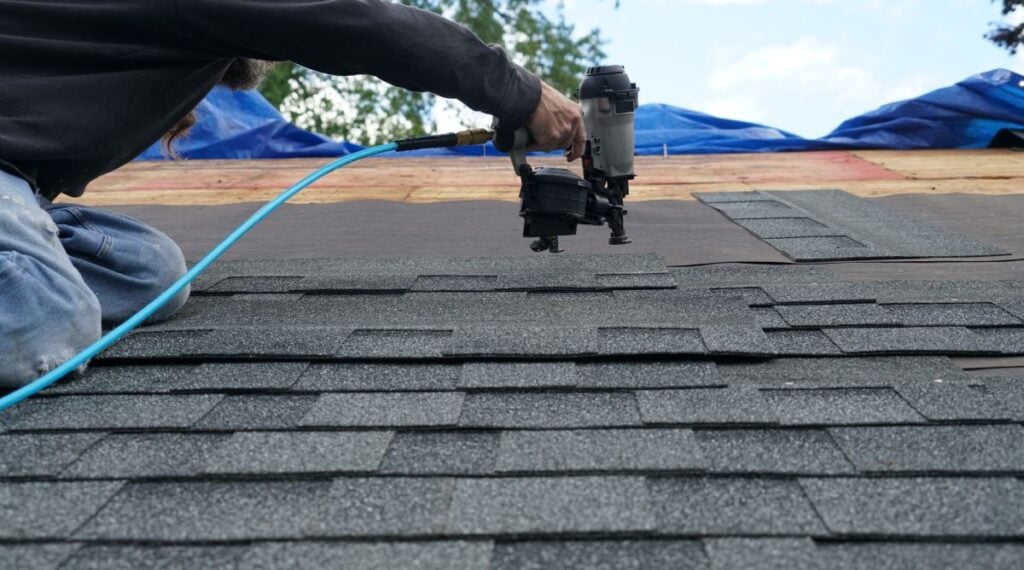
- Replacing damaged or missing shingles
- Resealing or replacing flashing around chimneys and vents
- Clearing and repairing gutters
- Addressing ventilation issues in the attic
Follow-up documentation. A reputable roofing company will document the repair, note any related concerns, and let homeowners know what to watch for going forward, including a scheduled maintenance check-in if the roof is aging.
This process tends to move quickly for most residential repairs, especially compared to a complete roof replacement, and many issues can be resolved within a day once the cause has been confirmed. High quality workmanship on the first visit, paired with preventative maintenance afterward, is usually what keeps a temporary fix from turning into a recurring problem.
Repair vs. Replacement: Which Makes Sense?
Not every leak means a homeowner needs an entirely new roof. In many cases, targeted repairs can resolve the issue and extend the life of the existing roof by years, regardless of which of the common roof types is installed. Other times, especially with older roofs, multiple leaks, or widespread damage from unexpected weather events, replacement becomes the more practical long-term choice.
| Factor | Repair Usually Makes Sense | Replacement May Be Needed |
| Roof age | Under 15 years old | Nearing or past expected lifespan |
| Extent of damage | Isolated to one area | Widespread across multiple sections |
| Shingle condition | Mostly intact, minor wear | Extensive curling, cracking, or granule loss |
| Leak history | First or infrequent occurrence | Recurring leaks in different spots |
| Underlying structure | Decking is sound | Decking shows rot or soft spots |
A homeowner in Vienna dealing with an isolated leak on a relatively new roof will likely be better served by a repair, while someone facing repeated leaks on an aging roof may find replacement to be the more cost-effective path over time. An honest inspection should always guide this decision rather than guesswork.
Frequently Asked Questions About Roof Leak Repair
These are some of the questions homeowners ask most often when dealing with a leak. If a specific concern is not covered here, a direct inspection is usually the fastest way to get a clear answer.
How quickly should a roof leak be repaired?
As soon as possible. Even a small leak can lead to mold growth, insulation damage, and structural issues if left unaddressed for weeks or months.
Can I temporarily patch a leak myself?
A tarp or temporary sealant can help limit damage during an emergency roof leak repair situation, but it should not replace a proper inspection and repair from a qualified professional. This applies to both residential and commercial property roofs.
How much does roof leak repair typically cost?
Costs vary widely based on the cause, size, and accessibility of the damage. Minor flashing or shingle repairs are generally far less expensive than repairs involving loose flashing spread across a large section, decking, or structural damage. An honest estimate after inspection is always more reliable than a rough guess.
Will insurance cover roof leak repairs?
It depends on the cause. Storm damage, high winds, and other sudden weather damage are often covered, while leaks caused by gradual deterioration or lack of maintenance typically are not. Insurance companies will usually want documentation of the cause and extent of the damage, so a homeowner’s policy details will determine coverage.
How can I prevent future roof leaks?
Regular inspections, gutter maintenance, and prompt attention to minor issues go a long way toward preventing leaks before they start, especially heading into storm season.
Being proactive about roof maintenance is one of the simplest ways homeowners in Vienna and surrounding areas can avoid emergency repairs altogether.
Protecting Your Home Starts With the Right Team
A roof leak is rarely just a small nuisance. Left unchecked, it can affect everything from indoor air quality to the structural integrity of a home. The good news is that most leaks, when caught early and diagnosed correctly, are very manageable with the right approach.
Roof Troopers has helped homeowners throughout the region address roof leaks with honest inspections and dependable repair work, rather than guesswork or unnecessary upsells. If a leak has you concerned, or you simply want a professional opinion before a small issue becomes a big one, contact us today to schedule an inspection.
Don’t pay for your roof until 2027!
0% APR, same as cash for 24 months
Get Started Today!
"*" indicates required fields