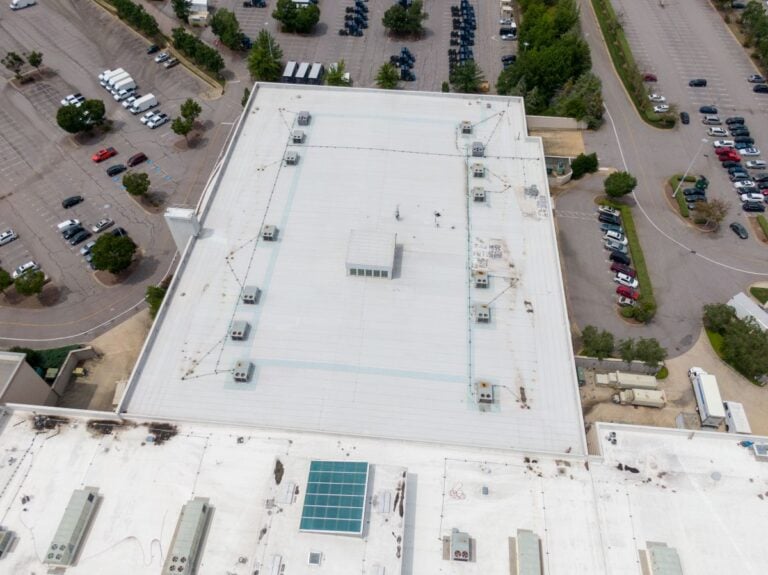
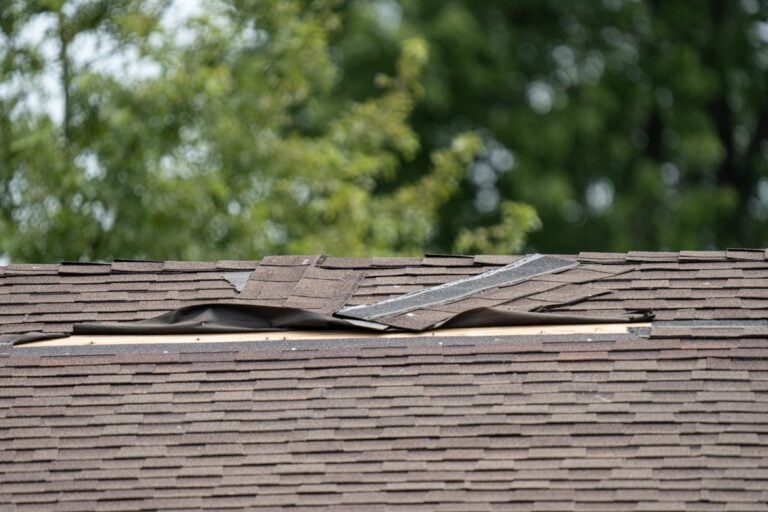
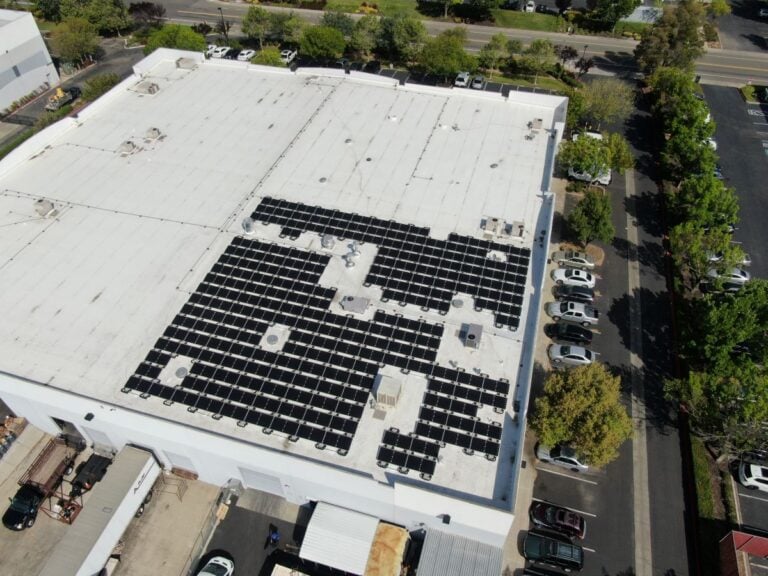
Homeowners planning an addition, a porch cover, or a garage with a low slope roofline often wonder if they can just use the same shingles as the rest of the house. The short answer to shingles on flat roof applications is that they generally don’t work the way homeowners hope, and understanding why can save you from a leak prone roof down the road and a repair bill you didn’t plan for. Homeowners in Alexandria and surrounding areas dealing with a flat or nearly flat section often benefit from seeing the full range of material options available before deciding what actually belongs on that part of the house, whether that means a designer shingle upgrade elsewhere or a completely different material on the flat section itself.
What You’ll Learn
- Why shingle performance depends so heavily on roof slope
- Five reasons shingles struggle specifically on flat sections
- Where the line actually falls between flat, low slope, and steep slope roofs
- What materials work better than shingles on a flat roof
Why Shingle Performance on Flat Roofs Matters
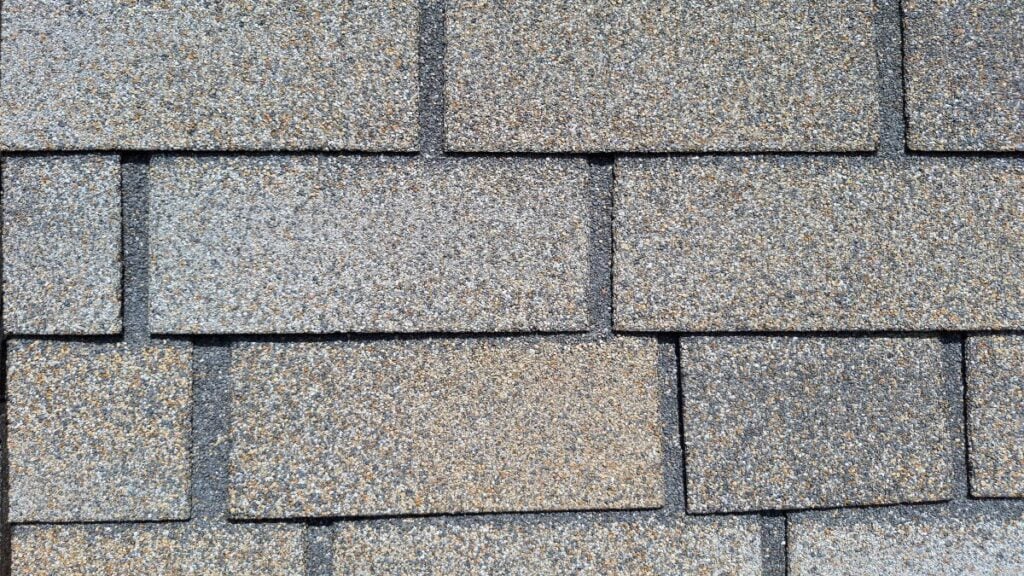
Asphalt shingles are designed around a simple assumption: water needs somewhere to go, and gravity needs enough pitch to send it there quickly. Once that assumption breaks down, the entire system stops working the way it was engineered to.
- Prevents costly leaks: Shingles installed on a roof without enough slope often fail within a few years instead of lasting decades.
- Protects the manufacturer warranty: Most shingle manufacturers specify a minimum slope requirement, and installing below that threshold can void coverage entirely.
- Avoids wasted material and labor: Removing and replacing an improperly shingled flat section costs more than choosing the correct material the first time.
- Improves long term home value: A roof section that’s built with the right material for its slope holds up better during a home inspection or eventual sale.
Homeowners across Alexandria and surrounding areas often run into this question when adding a porch, sunroom, or garage with a lower pitch than the main house. Getting the material choice right on that section early on avoids a repair conversation just a few years after the work is finished, and it also keeps the addition from becoming the one part of the house that always seems to need attention.
5 Reasons Shingles Struggle on Flat Roofs
Shingles are one of the most reliable roofing materials available on a solid wood or plywood deck, but only within the slope range they’re designed for. The primary reason comes down to how the material sheds water, and outside that range several specific problems start to compound.
1. Minimum Slope Requirements
Most asphalt shingle manufacturers require a minimum slope of around 2:12, meaning the roof rises two inches for every twelve inches of horizontal run. Below that threshold, shingles are considered unsuitable regardless of installation quality, no matter how experienced the crew doing the work happens to be.
- A slope under 2:12 is generally classified as low slope or flat
- Manufacturer installation guides specify this minimum clearly
- Installing outside the specified range is considered improper installation
2. Water Pooling and Capillary Action
On a properly sloped roof, water sheds quickly enough that it never has time to work its way under a shingle edge. On a flat or nearly flat section, water can sit long enough for capillary action to pull it sideways and upward under the shingle tabs.
- Standing water is one of the clearest signs a roof is too flat for shingles
- Capillary action can move water uphill against gravity in small gaps
- Repeated wetting cycles accelerate granule loss and shingle deterioration

3. Wind Uplift Risk
Shingles rely on overlapping courses and sealant strips on the bottom side of each shingle that bond using heat from the sun, and that bond only sets properly when the roof pitch allows for consistent contact and pressure. On flatter sections, that seal often doesn’t set the same way, leaving edges more exposed to wind and more likely to peel back over time.
- Poor sealant bonding increases the chance of shingles lifting in storms
- Wind driven rain can find its way under a poorly sealed edge
- Repeated lifting eventually leads to full shingle loss
4. Manufacturer Warranty Limitations
Shingle warranties are written around the assumption that installation follows the manufacturer’s specified slope range. Installing shingles on a flat or low slope section outside that range typically voids the warranty entirely, even if the rest of the roof is covered.
- Warranty documents list an exact minimum slope requirement
- Claims related to leaks on out of range sections are commonly denied
- This applies even when the flat section is a small part of a larger roof
5. Accelerated Freeze Thaw Damage
In climates with real winters, water that pools on a flat shingled section can freeze and expand, working shingles loose or cracking them outright. This cycle repeats every winter, compounding damage year over year.
- Trapped water under shingles freezes and expands, lifting the surface
- Repeated freeze thaw cycles shorten the shingle’s effective lifespan significantly
- Ice damming is far more likely on flat or low slope sections than steep ones
Taken together, these five issues explain why shingles that perform beautifully on a steep roof often fail quickly on a flatter section of the same house. The material itself isn’t flawed, it’s simply being used outside the conditions it was designed for, which is why the fix is almost always a material change rather than a better installation crew.
Where the Line Falls Between Flat, Low Slope, and Steep Slope
Roof pitch isn’t just a design detail, it’s the single biggest factor in determining which materials will actually perform well. Understanding where your specific roof section falls on that spectrum makes the material decision much clearer.
Flat Roofs
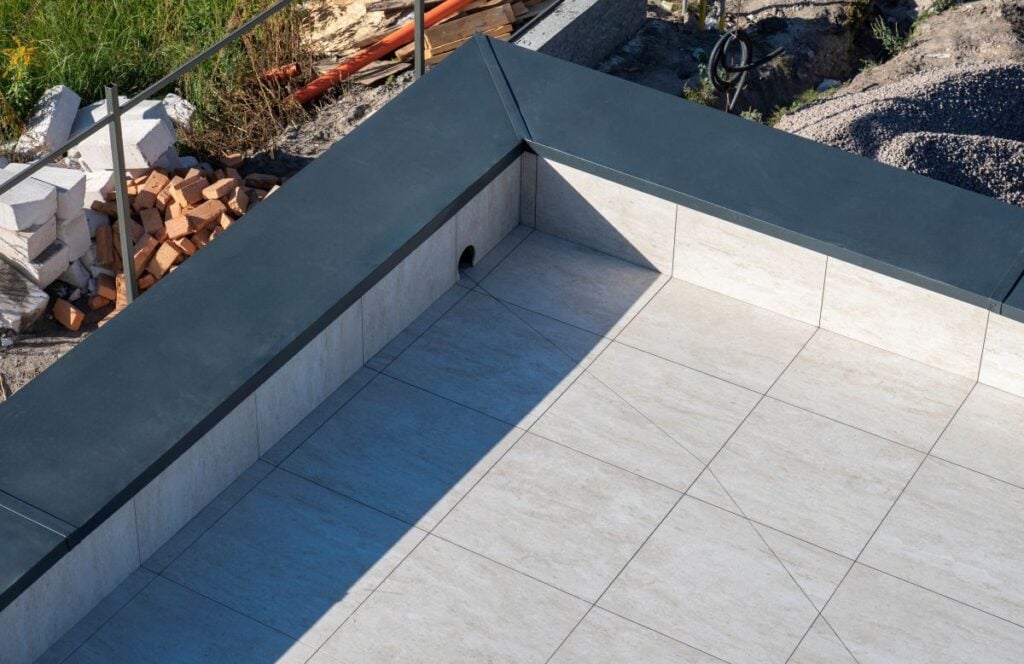
A roof is generally considered flat when its slope is under 2:12, sometimes even appearing level to the eye. These roofs rely on membrane systems specifically designed to handle standing water rather than shed it instantly.
Low Slope Roofs
Low slope roofs typically fall between 2:12 and 4:12. This is a gray area where some architectural shingles are rated to perform with modified installation techniques, such as a double layer of underlayment and an ice and water shield membrane along the eaves and valleys, though many roofing professionals still recommend membrane materials or a metal roof for reliability, especially in a climate with real winter weather and snow. Metal panels generally tolerate a lower pitch than shingles do, which makes them a common middle ground on additions with a modest slope.
Steep Slope Roofs
Steep slope roofs, generally 4:12 and above, are where standard asphalt shingles perform at their best. Water sheds quickly, sealant strips bond properly, and the material operates within its intended design range.
Knowing which category your specific roof section falls into is the first step toward choosing a material that will actually last, rather than one that simply looks familiar because it matches the rest of the house. A quick pitch measurement from a roofing professional settles the question far more reliably than eyeballing it from the ground.
What to Use Instead of Shingles on a Flat Roof
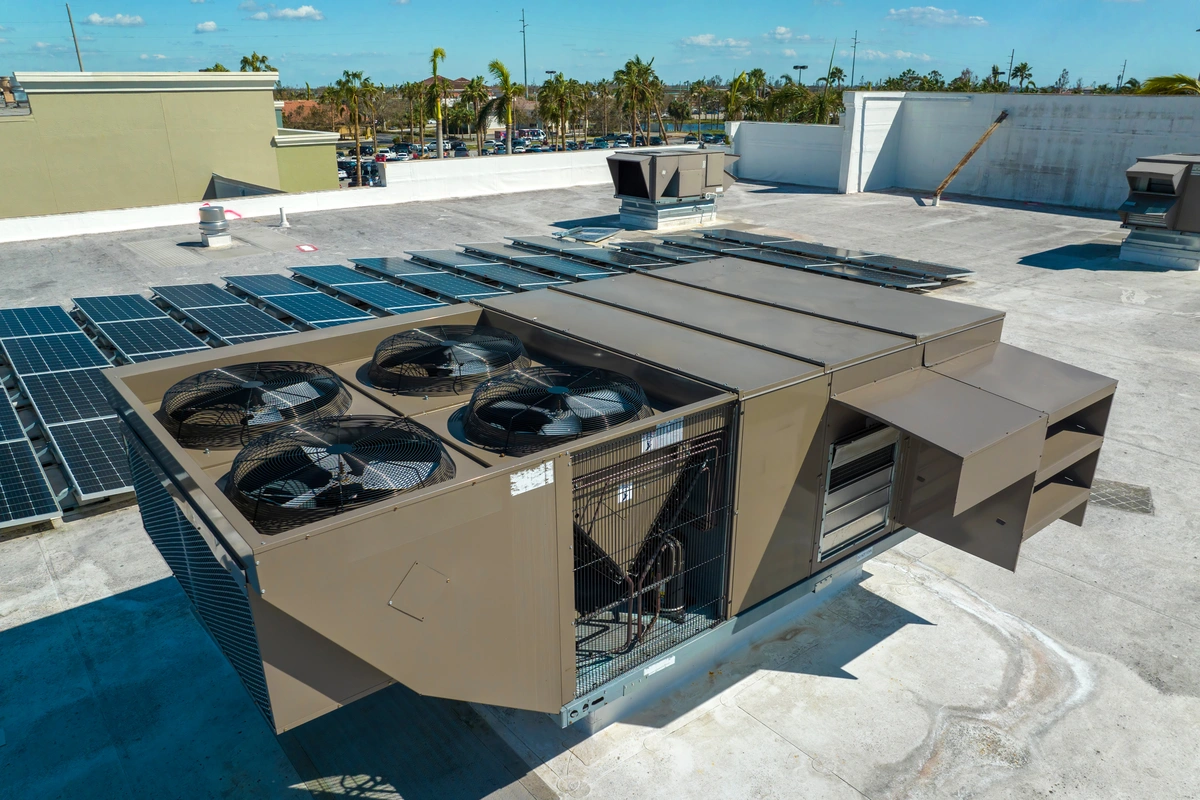
Flat and low slope sections aren’t left without options, they just call for different materials built specifically for standing water and minimal drainage. Flat roofs typically rely on external or internal drainage systems to move water off the surface, since water drains slowly on flat roofs and any gaps in that drainage increase the chance of a leak developing over time. Comparing the common choices side by side makes the decision easier.
| Material | Best Slope Range | Key Advantage |
| Asphalt Shingles | 4:12 and above | Widely available, familiar appearance |
| EPDM Rubber Membrane | Flat to low slope | Excellent water resistance, flexible installation |
| TPO Membrane | Flat to low slope | Reflective material, heat welded seams for a waterproof surface |
| PVC Membrane | Flat to low slope | Strong chemical resistance, common on commercial buildings |
| Modified Bitumen | Flat to low slope | Asphalt based, installed in multiple layers for waterproofing |
| Built-Up Roofing | Flat to low slope | Multi ply, tar and gravel surface with a proven track record |
Each of these membrane options is built around the reality that water will sit on the surface rather than run off quickly, which is exactly the scenario that causes shingles to fail and asphalt shingles to be a poor fit due to water infiltration risk. Homeowners in Alexandria and surrounding areas dealing with additions, porches, or garages with a flatter roofline are usually better served by one of these purpose built materials, or an aluminum or steel metal roof, rather than trying to make shingles work outside their intended range, even if it means the addition looks slightly different from the main roof. It’s also worth noting that flat roofs generally need more maintenance than pitched roofs, since drainage points and seams benefit from periodic checks that a steep shingle roof rarely requires.
Get the Right Material for Every Section of Your Roof
Whether your home has one flat section or a mix of pitched roofs and additions, matching each part of the roof to the right material is what actually protects your home and the living space underneath it long term. Roof Troopers has helped homeowners throughout Alexandria and surrounding areas figure out exactly which material belongs on which section of a complex roofline, so nothing gets installed outside its intended slope range. As a roofing company with contractors experienced across shingle roofs, metal roofing, and everything in between, our team walks through the reasoning behind every recommendation in plain language, so you understand exactly why one material makes sense over another for your specific roof, whether that’s a full new roof or a smaller addition tucked off to the side. If you’re planning an addition or dealing with a flat section that’s already giving you trouble, contact us today and we’ll help you figure out the right path forward.
Don’t pay for your roof until 2027!
0% APR, same as cash for 24 months
Get Started Today!
"*" indicates required fields