
Choosing the right roofing material for a home in Springfield means thinking beyond price. Northern Virginia’s combination of hot, humid summers, cold winters, seasonal storms, and freeze-thaw cycles puts real demands on whatever sits on top of your house. This FAQ covers the questions Springfield homeowners ask most often when weighing their material options, with answers grounded in how each product actually performs in this specific climate.
Which Roofing Materials Work Best in Springfield’s Climate?
Q: Why does climate matter when choosing a roofing material in Springfield?
A: Springfield sits in a climate zone that cycles through high summer humidity, freeze-thaw conditions in winter, spring hail events, and occasional high winds. Not all roofing materials handle this combination equally well. A material that performs reliably in a dry or mild climate may degrade significantly faster under Northern Virginia’s seasonal swings, making climate compatibility one of the most important selection factors.
Q: Is asphalt shingles still the best choice for most Springfield homes?
A: Architectural asphalt shingles remain the most widely installed material in Springfield and Northern Virginia broadly. They handle the region’s weather profile well, come in a wide range of colors and profiles, and offer a lifespan of 25 to 30 years with proper installation and ventilation. For homeowners balancing performance, aesthetics, and budget, architectural shingles represent a reliable baseline option.
Q: How does metal roofing perform in Springfield’s weather conditions?
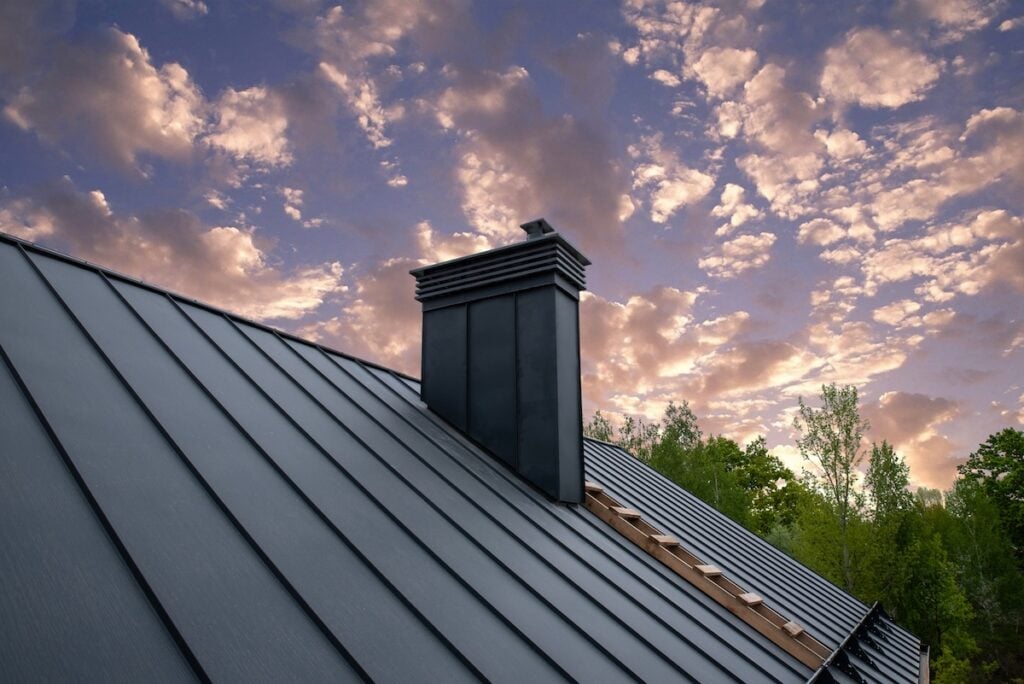
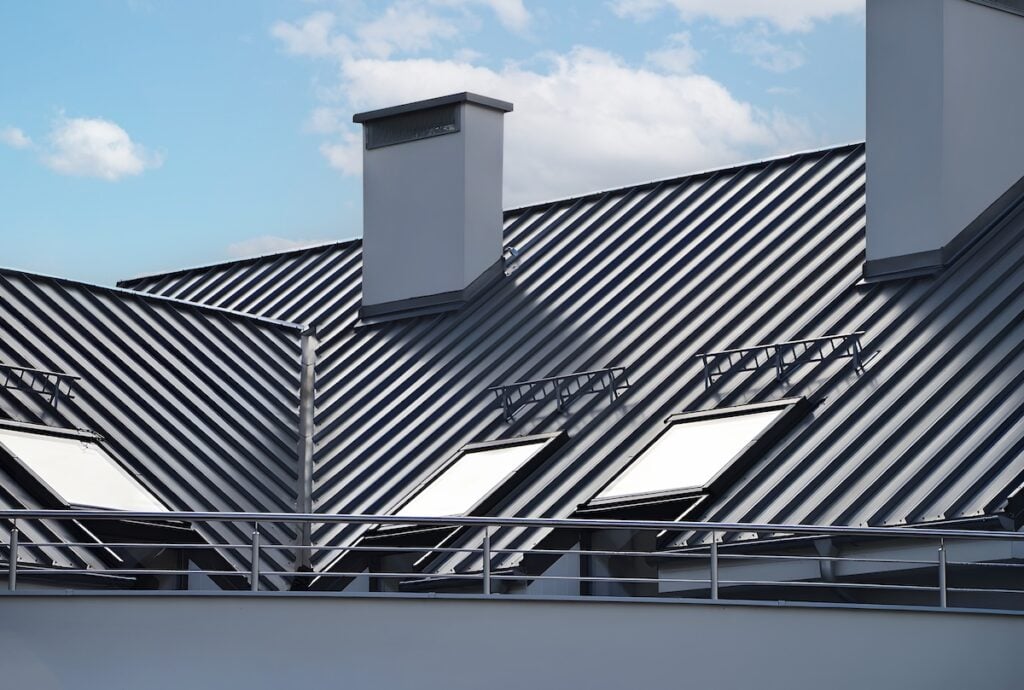
A: Metal roofing performs exceptionally well in Northern Virginia. It sheds snow and ice cleanly, withstands high winds, reflects summer solar heat to reduce cooling costs, and carries a lifespan of 40 to 70 years with minimal maintenance. The upfront cost is higher than asphalt, but the lower lifetime replacement frequency makes metal a strong long-term value for homeowners planning to stay in their home long-term.
Q: Are synthetic roofing materials a practical option for Springfield homes?
A: Yes. Synthetic slate and synthetic cedar shake products, like those from Eco-Star and F-Wave, are engineered specifically for impact resistance and dimensional stability under temperature cycling. Both carry Class 4 impact ratings, the highest available, which is particularly relevant for Springfield homeowners in areas that see periodic hail. They replicate the look of premium natural materials without the weight or maintenance demands.
How Do I Choose Between Asphalt, Metal, and Synthetic?
Q: What is the most important factor when comparing roofing materials?
A: Cost per year of service is the most useful comparison point, not upfront price alone. A $10,000 asphalt roof lasting 25 years costs roughly $400 per year. A $16,000 synthetic slate roof lasting 50 years costs about $320 per year. Running those numbers for your specific situation makes the trade-off between upfront investment and long-term value much clearer before you commit.
Q: Does my home’s architectural style affect which material I should choose?
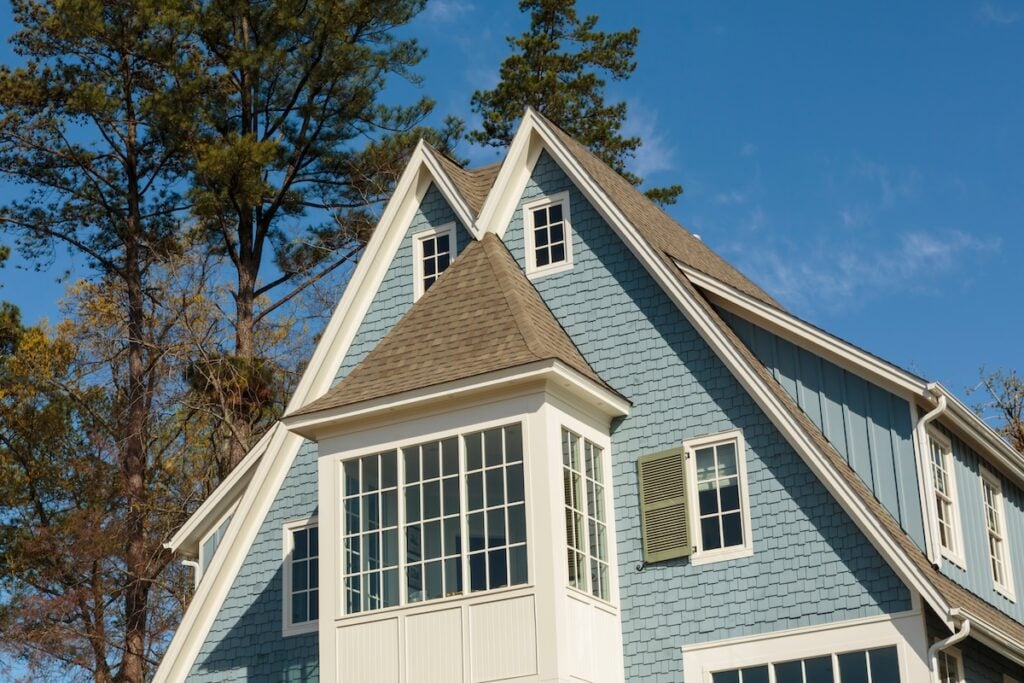
A: It should. Colonial and traditional-style homes common throughout Springfield and surrounding areas tend to look best with dimensional shingles, synthetic slate, or natural slate. Craftsman and bungalow styles pair naturally with synthetic cedar shake. Contemporary or modern farmhouse designs often carry standing seam metal particularly well. Material choice affects curb appeal and neighborhood fit, not just performance.
Q: How does each material handle ice dams, which are common in Northern Virginia winters?
A: Metal roofing is the strongest performer here. Its smooth surface allows snow and ice to slide off before it accumulates to dam-forming levels. Asphalt shingles are more susceptible to ice dam backup, particularly without proper attic insulation and ventilation underneath. Synthetic products perform better than standard asphalt in this regard. Regardless of material, adequate attic ventilation is the single most important factor in ice dam prevention.
What Do Roofing Materials Cost in Springfield?
Q: What is the installed cost range for asphalt shingles in Springfield?
A: Architectural asphalt shingles in the Springfield and Northern Virginia market run $5 to $9 per square foot installed in 2026. For a typical 2,000 square foot home with roughly 20 to 25 roofing squares, expect a total project range of $10,000 to $18,000. Roof complexity, pitch, decking condition, and underlayment grade all affect where your project lands within that range.
Q: How much more does metal roofing cost compared to asphalt in Springfield?
A: Standing seam metal roofing runs $12 to $18 per square foot installed, roughly double the mid-range asphalt cost. On a typical Springfield home, that translates to a total project range of $17,000 to $28,000 or more depending on scope. The premium is real, but so is the lifespan difference. A metal roof installed today may outlast two or three asphalt replacements over the same period.
Q: What do synthetic roofing materials cost in Northern Virginia?
A: Synthetic slate and synthetic cedar shake typically run $8 to $14 per square foot installed, placing them between architectural asphalt and standing seam metal. Products like Eco-Star synthetic slate carry 50-year manufacturer warranties and Class 4 impact ratings, which can also qualify homeowners for insurance premium discounts in some cases. The combination of lifespan, impact resistance, and low maintenance makes the price premium worth evaluating carefully.
How Do Warranties and Manufacturer Quality Factor In?
Q: Does manufacturer matter when choosing a shingle brand for a Springfield home?
A: Yes, meaningfully. Manufacturer matters for both product quality and warranty access. Brands like CertainTeed and the Landmark series have established track records of performance in the Mid-Atlantic climate. More importantly, the strongest warranty tiers, like CertainTeed’s SureStart PLUS, are only accessible when shingles are installed by a credentialed contractor. The brand you choose and the contractor’s certification together determine the level of warranty protection you can access.
Q: What is the difference between a manufacturer warranty and a workmanship warranty?
A: They cover different risks. A manufacturer warranty covers defects in the product itself, such as premature granule loss or cracking from manufacturing issues. A workmanship warranty covers installation errors made by the contractor. Both are necessary. A roof can fail from either cause, and having written documentation for both protects you regardless of which failure occurs years down the road.
Q: Can my warranty be transferred if I sell my Springfield home?
A: Some manufacturer warranties are transferable one time to a new homeowner, which can add real value during a home sale. CertainTeed’s warranty, for example, allows a one-time transfer. Workmanship warranties offered by contractors typically have their own transfer terms that vary by company. Confirm both warranty documents at the time of installation and understand the transfer conditions before assuming coverage will follow a new buyer.
Making the Right Material Decision for Your Springfield Home
Every Springfield homeowner’s situation is different. What makes sense for a 1960s colonial on a wooded lot differs from what works best for a newer townhome in a community with HOA guidelines. The right material is the one that performs reliably in Northern Virginia’s climate, fits your budget over its full lifespan, suits your home’s architecture, and is installed correctly by a contractor with the credentials to back it up.
Roof Troopers serves Springfield and surrounding areas with free, no-obligation inspections and straightforward guidance on which materials make sense for your specific home. The team carries CertainTeed, F-Wave, and Eco-Star, and will walk you through a real comparison before you commit to anything. When you are ready to find the right material for your roof, contact us today and schedule your free inspection with Roof Troopers.
Don’t pay for your roof until 2027!
0% APR, same as cash for 24 months
Get Started Today!
"*" indicates required fields