
Severe weather can leave a roof looking fine from the ground while hiding real damage underneath. Homeowners in McLean often have questions about what storm damage actually looks like, how the repair process works, and what insurance will or won’t cover. This guide answers the questions that come up most often after a storm rolls through. Understanding these basics ahead of time makes the whole process far less stressful if your roof ever needs attention.
Recognizing Storm Damage on Your Roof
Q: What are the first signs of storm damage on a roof?
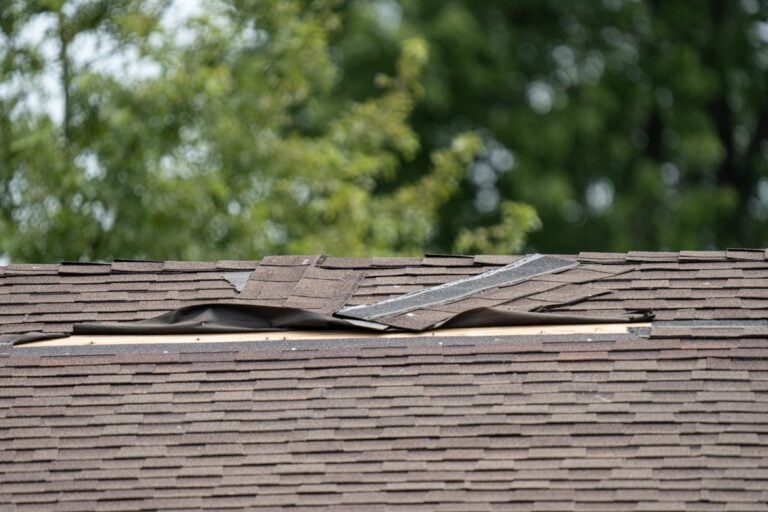
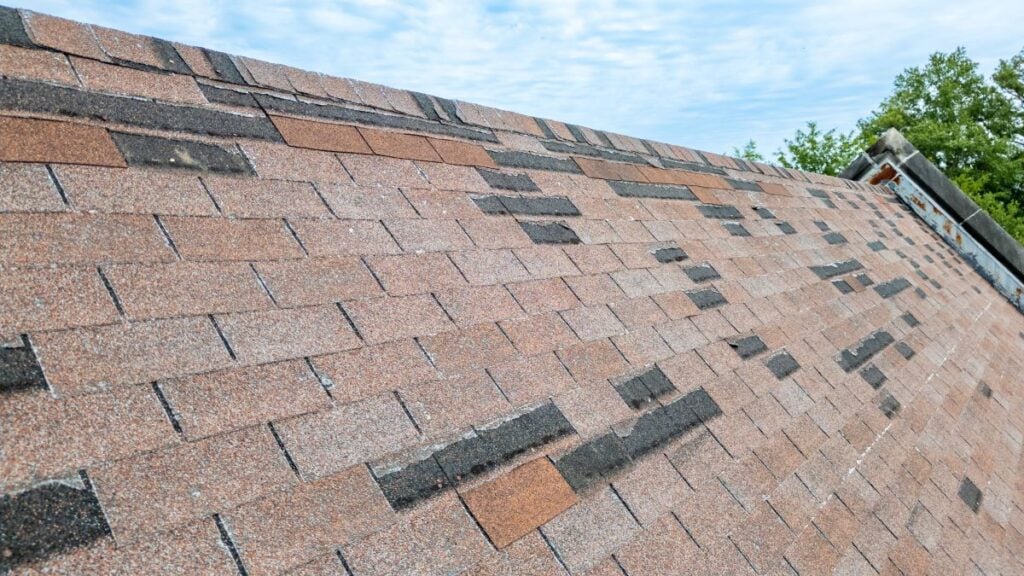
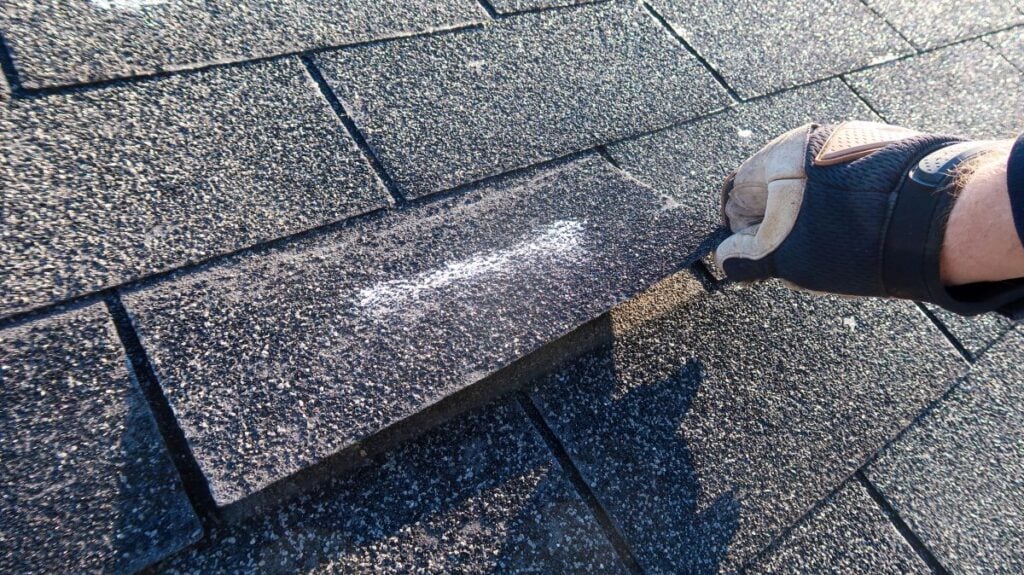
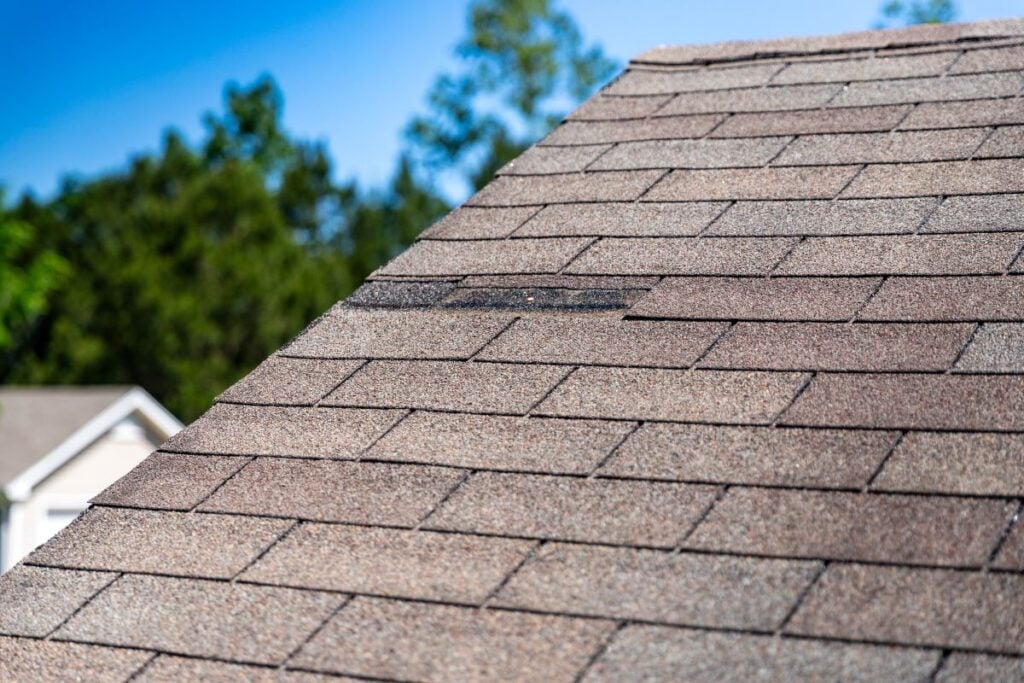
A: Common signs include missing or lifted shingles, granules collecting in gutters, dented vents or flashing, and visible dents on soft metals like gutters or downspouts. Interior water stains on ceilings can also point to storm related damage. A visual inspection from the ground with binoculars is a good starting point before climbing up yourself.
Q: Can storm damage be present even if I don’t see a leak?
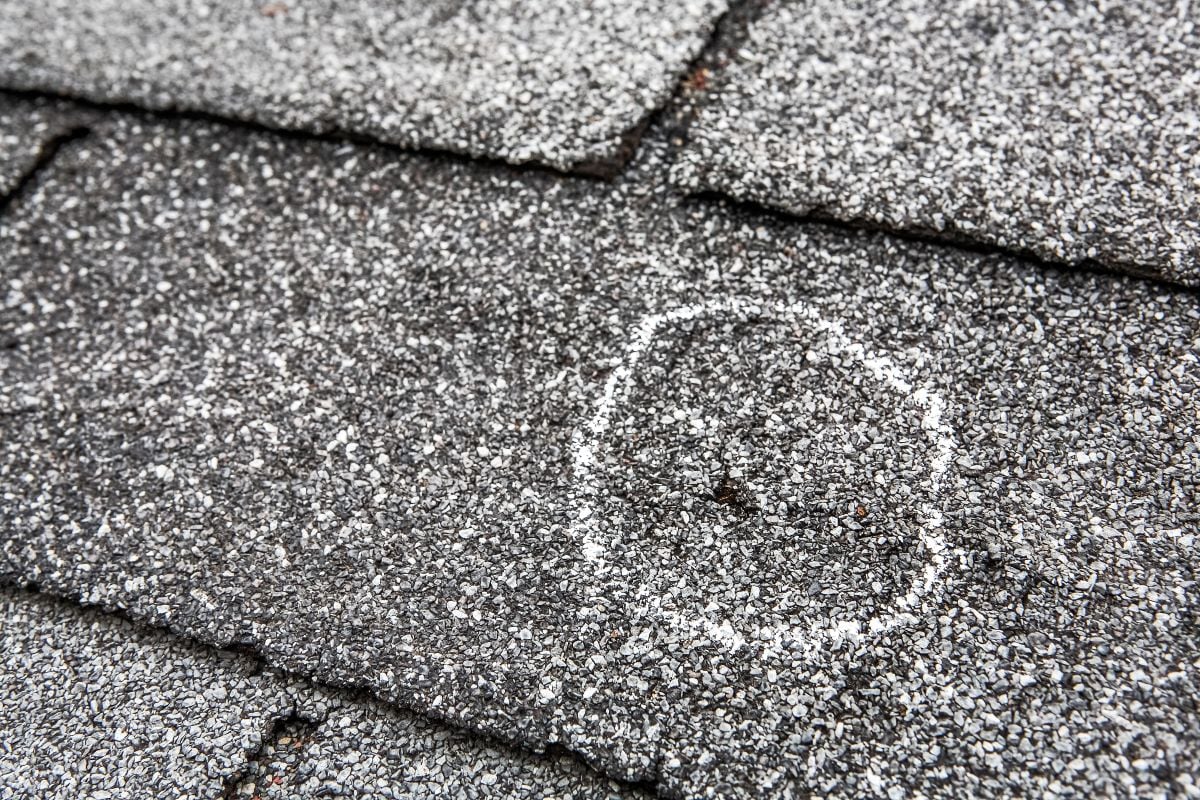
A: Yes, storm damage often exists before any leak becomes visible inside the home. Cracked shingles, bruised granules, or compromised flashing can all sit quietly for months before water finally finds its way in. That delay is exactly why a professional inspection after a significant storm matters, even if nothing looks obviously wrong.
Q: How soon after a storm should I inspect my roof?
A: It’s best to check for visible damage within a few days of any severe weather event, especially hail or high winds. Waiting too long can mean missing an insurance filing window or allowing minor damage to worsen. A professional inspection soon after the storm creates a clear record of what happened and when.
The Repair Process
Q: What happens during a storm damage roof inspection?
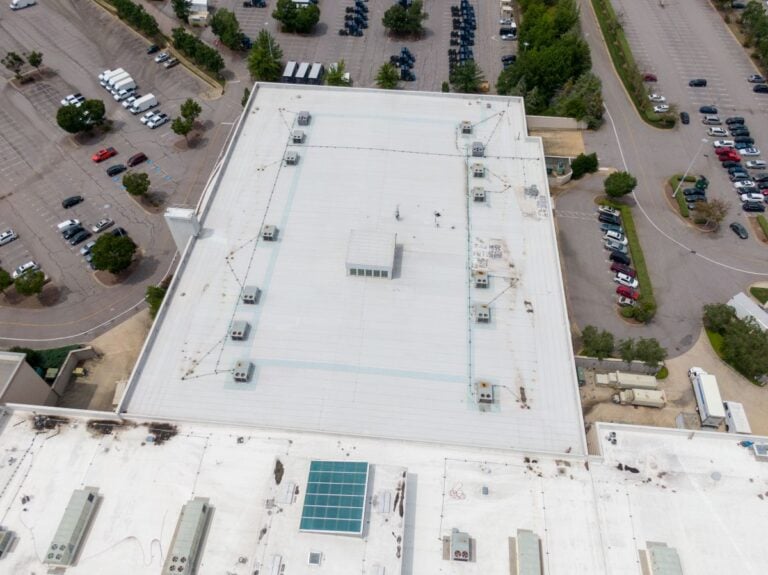
A: A thorough inspection typically includes a close look at shingles, flashing, vents, and gutters, often supported by drone photography to safely capture hard to reach areas. The goal is to document every affected area clearly, both for repair planning and for any insurance claim that follows. You should receive a clear explanation of what was found.
Q: How long does storm damage roof repair typically take?
A: Minor repairs are often completed within a day, while more extensive damage covering a larger section of the roof can take longer depending on material availability and scope. Weather conditions during the repair window also play a role. A reputable contractor should give you a realistic timeline before work begins.
Q: Will emergency tarping be used if my roof is severely damaged?
A: Emergency tarping is common when damage leaves your roof exposed to further water intrusion before permanent repairs can begin. It’s a temporary measure meant to protect your home in the days following a storm, not a substitute for the actual repair. Most contractors can arrange tarping quickly once damage is confirmed.
Insurance and Cost Questions
Q: Will homeowners insurance cover storm damage roof repair?
A: Most homeowners insurance policies cover roof damage caused by sudden events like hail or wind, though coverage details vary by policy and insurer. Gradual wear and tear is typically excluded, which is part of why documentation matters. Reviewing your specific policy or asking your contractor to help interpret it is a smart first step.
Q: Do I need a public adjuster for a storm damage claim?
A: A public adjuster isn’t required, but some homeowners choose to hire one for larger or disputed claims. Many roofing contractors can provide documentation and guidance throughout the insurance process without homeowners needing to file the claim themselves. Whether a public adjuster makes sense usually depends on the complexity of the damage.
Q: What documentation should I gather before filing a claim?
A: Photos of the damage, a written inspection report, and the date of the storm are the most important pieces of documentation. Keeping records of any temporary repairs, like emergency tarping, also helps support your claim. A contractor experienced with storm damage can help organize this information clearly.

Preventing Future Storm Damage
Q: Can regular roof maintenance reduce storm damage risk?
A: Routine maintenance won’t prevent a major storm from causing damage, but it does reduce the chance that existing wear turns a moderate storm into a serious problem. Keeping gutters clear, flashing sealed, and shingles in good condition gives your roof a stronger starting point before severe weather hits.
Q: Are certain roofing materials more storm resistant than others?
A: Impact resistant shingles and metal roofing generally hold up better against hail and high winds than standard asphalt shingles. Material choice is one factor among several, including installation quality and roof age. Homeowners planning a replacement in a storm prone area may want to discuss these options directly.
Q: How often should I schedule a professional roof inspection?
A: Twice a year is a reasonable baseline, with an additional inspection after any major storm event. This schedule helps catch small issues before they become expensive ones and keeps a documented history of your roof’s condition over time, which can also be useful for insurance purposes.
Keeping Your McLean Home Protected Through Every Storm Season
Storm damage doesn’t always announce itself right away, which is exactly why understanding what to look for and how the repair process works puts you in a much stronger position when severe weather hits. Staying proactive about inspections and documentation makes both the repair and any insurance claim far more straightforward. Roof Troopers has helped homeowners throughout McLean assess and repair storm damage quickly, using drone inspections and clear documentation to make the process easier to navigate. If a recent storm has you wondering about the condition of your roof, contact Roof Troopers today for a thorough inspection and a straightforward answer.
Don’t pay for your roof until 2027!
0% APR, same as cash for 24 months
Get Started Today!
"*" indicates required fields