
Choosing the right roofing system for a commercial building affects everything from energy costs to how often maintenance calls come in, which is why tpo roofing has become such a popular option for property owners weighing their choices. Short for thermoplastic polyolefin, TPO is a single ply membrane that has reshaped much of the commercial roofing industry over the past two decades. Understanding how it performs, what it costs over time, and where it fits alongside other roofing options can make the decision much easier for anyone managing a commercial property in the region. A roofing decision made without the full picture often leads to higher costs later, whether through premature repairs or a system that never quite matches the building’s needs.
Here’s a quick look at what this guide covers:
- Why TPO has become a go-to choice for commercial roofs
- The main factors that make TPO systems perform well
- How installation and maintenance typically work
- How TPO stacks up against other commercial roofing membranes
- Answers to common questions from property owners
The Business Case for Going with TPO
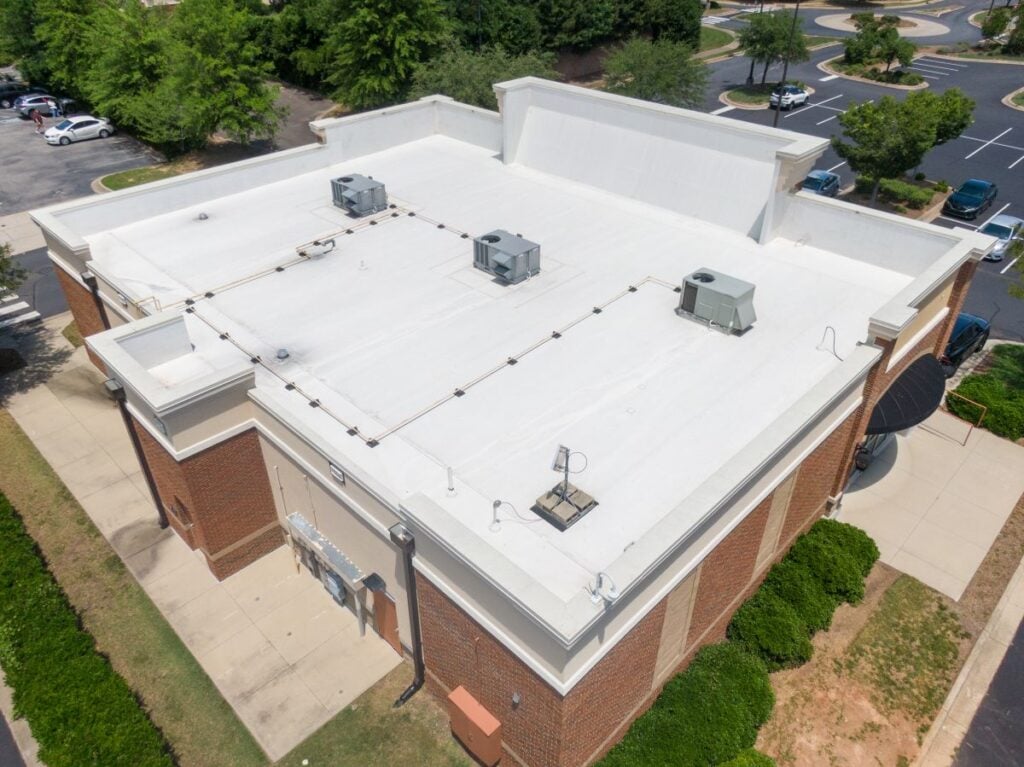
Commercial roofs face different demands than residential ones, from larger surface areas to HVAC equipment and constant exposure to sun and weather. Property owners in Springfield and surrounding areas managing office buildings, retail spaces, warehouses, and other commercial and industrial buildings often look for a roofing system that balances performance with a reasonable upfront cost.
- Energy efficiency: TPO’s reflective white surface helps reduce energy costs by limiting heat absorption during warmer months.
- Durability: The material resists punctures, tears, and biological growth better than many older commercial roofing materials.
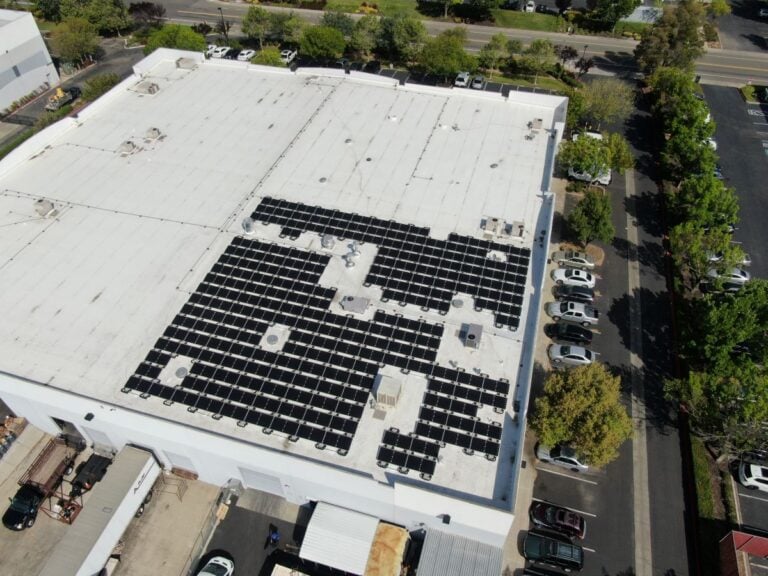
- Lightweight design: TPO adds less structural load to a building compared to heavier roofing systems.
- Cost effectiveness: TPO is widely considered a cost effective option, with installation and material costs generally landing between $3.00 and $9.00 per square foot depending on membrane thickness and installation method.
These advantages have made TPO one of the fastest growing choices in commercial roofing over the past two decades, particularly for buildings where energy costs and long term durability are top priorities. Property managers overseeing multiple buildings in Springfield and surrounding areas often standardize on TPO across their portfolio once they see how it performs compared to older single ply roofing membranes.
5 Reasons TPO Performs Well on Commercial Roofs
Understanding what makes TPO effective helps property owners in Springfield and surrounding areas evaluate whether it is the right fit for their specific building. Each of the following characteristics plays a role in how the system holds up over time.
1. Heat Reflectivity
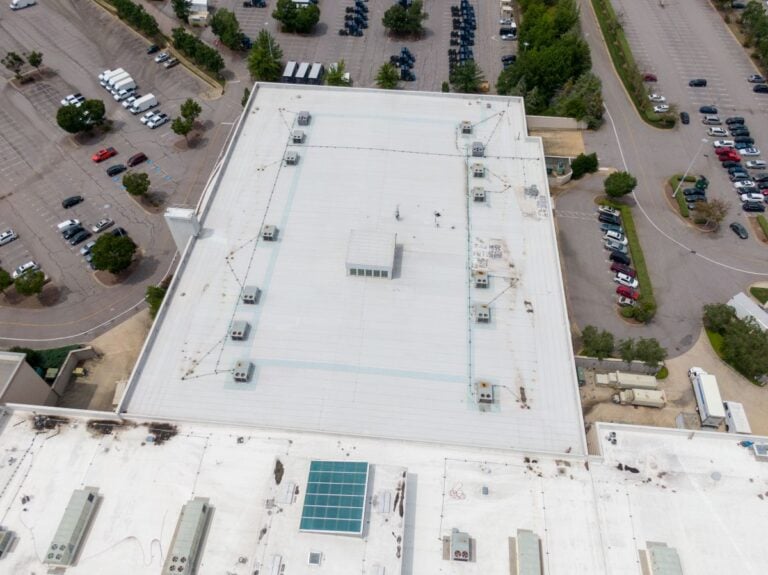
TPO membranes are typically white and highly reflective, bouncing back a significant amount of UV rays and sunlight rather than absorbing it. Many white TPO products meet ENERGY STAR guidelines and cool roof requirements, with some systems achieving Solar Reflective Index ratings as high as 97. This can noticeably reduce the temperature inside the building during peak summer months, which in turn can translate into measurable savings on cooling costs across a large commercial footprint.
- Lower roof surface temperatures may also extend the lifespan of the membrane itself
- Reduced heat absorption can ease the workload on rooftop HVAC units
2. Seam Strength
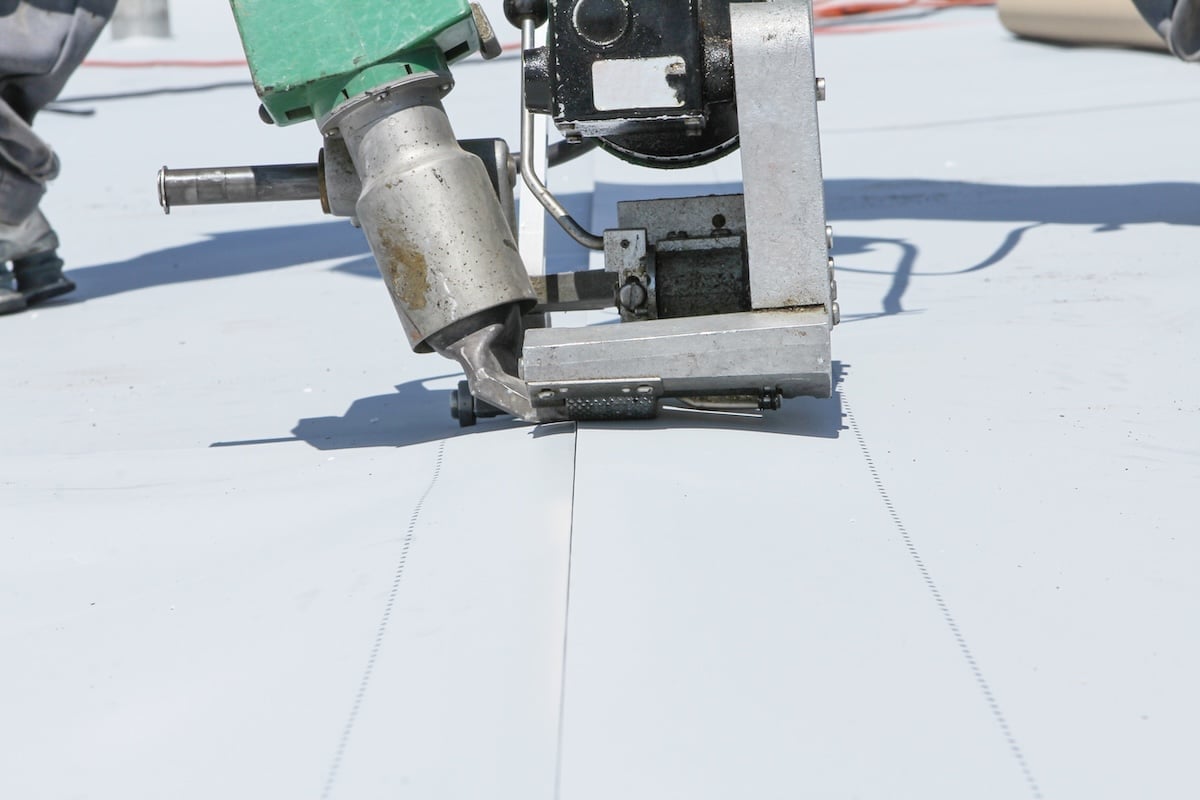
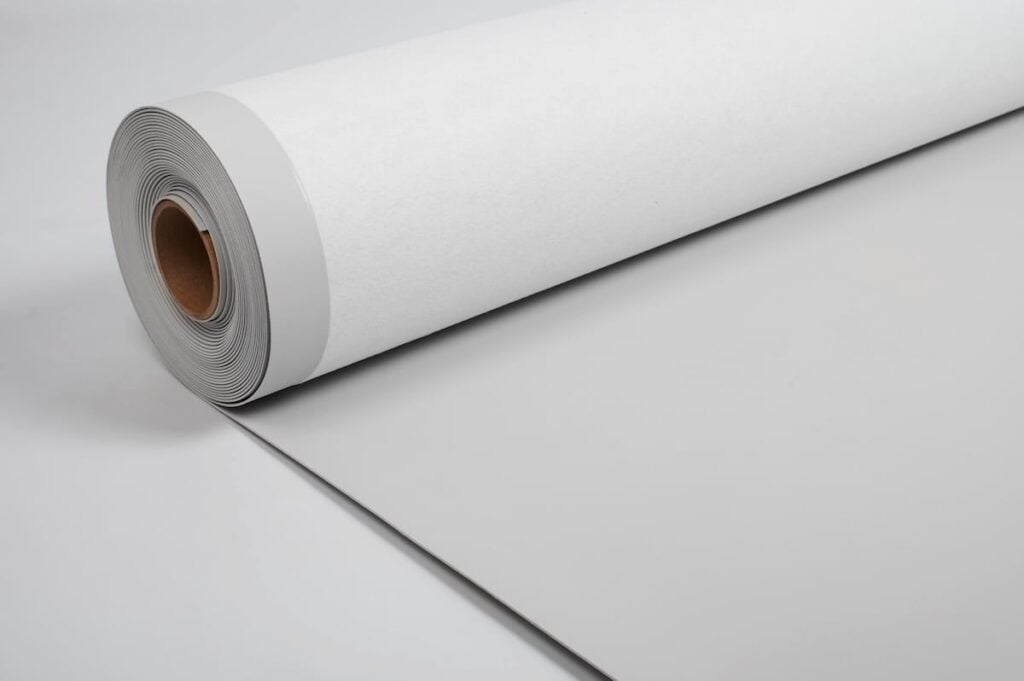
TPO seams are typically heat welded rather than glued, creating a strong, continuous bond between sheets. This method reduces the likelihood of seam failure compared to older adhesive based systems, since the welded seam essentially becomes part of a single, unified membrane rather than two separate pieces held together by adhesive. TPO sheets are manufactured to ASTM standards and are commonly available in thicknesses of 45, 60, and 80 mils, with thicker membranes generally offering more resistance to punctures and long term wear.
3. Resistance to Chemicals and Grease
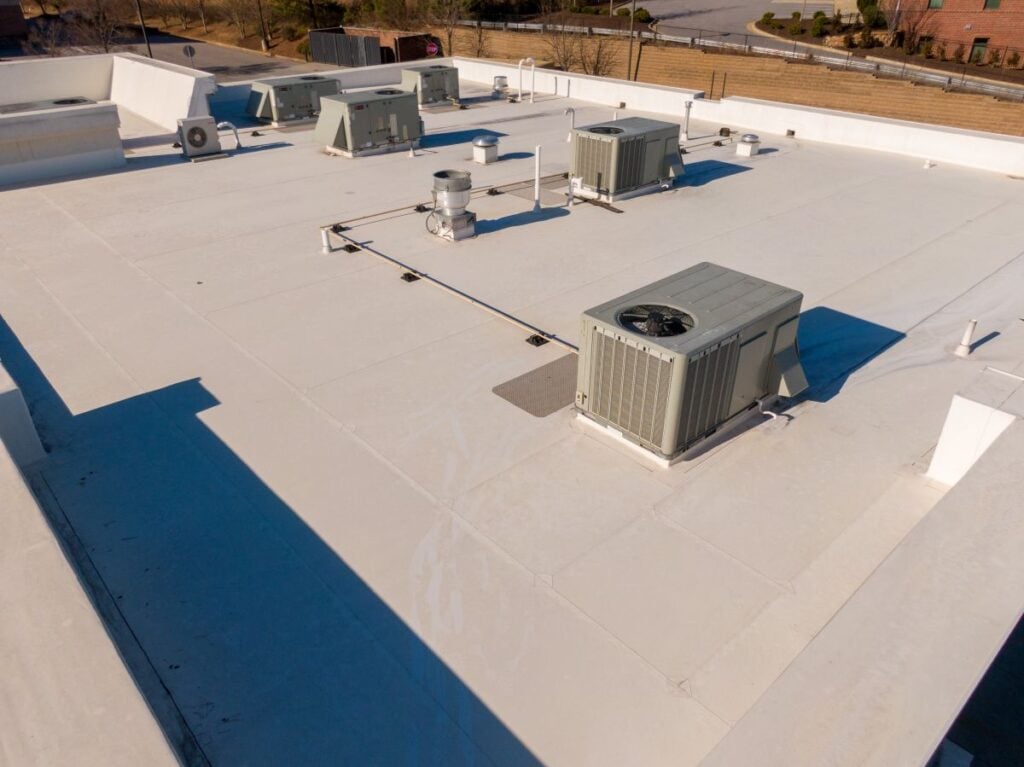
Buildings with rooftop exhaust systems, such as restaurants, benefit from TPO’s resistance to grease, chemicals, and bacterial growth, which can degrade other membrane types over time. This makes it a common choice for food service buildings and shopping centers with multiple kitchen exhaust vents sharing the same roof.
4. Flexibility in Cold Weather
Unlike some membranes that become brittle in low temperatures, TPO retains a degree of flexibility, which helps it withstand thermal expansion and contraction throughout the year. This matters most in climates with significant seasonal temperature swings, where a stiffer material might crack or separate at the seams over time.
5. Long Service Life
With proper installation and routine maintenance, TPO roofing systems commonly last twenty years or more, making them a practical long term investment for commercial property owners. Manufacturers such as Johns Manville and Carlisle SynTec are among the more established names producing TPO formulations, and most reputable brands are backed by manufacturer warranties. TPO is also 100 percent recyclable and contains no chlorine or plasticizers, which some property owners factor into their decision.

- Regular inspections help catch minor issues before they become costly repairs
- Manufacturer warranties often extend coverage well beyond a decade when installed correctly
Taken together, these characteristics explain why TPO has become such a common recommendation for commercial buildings that need a durable, energy conscious roofing solution without a premium price tag.
Installation and Maintenance Considerations
Getting the most out of a TPO roofing system depends heavily on proper installation and consistent upkeep afterward. Skipping either step tends to shorten the lifespan of an otherwise reliable roofing material.
- Installation methods vary by building. TPO can be mechanically fastened, fully adhered with bonding adhesive, or induction welded, where the membrane is fused to specially coated plates rather than punctured with screws. Mechanically attached systems use screws and plates to secure the membrane to approved substrates, and TPO can typically be installed over a variety of roof deck types, including plywood, once the deck is confirmed to be sound.
- Professional installation matters. TPO seams need to be heat welded correctly to form a watertight bond, and improper technique is one of the most common causes of early leaks. Installers with genuine TPO installation experience understand how welding temperature, sheet widths, overlap width, and roof conditions on the day of installation all affect the finished seam.
- Insulation selection affects performance. The type and thickness of insulation installed beneath the membrane influences both energy efficiency and long term durability. Polyiso insulation is one of the more common choices, though expanded polystyrene, extruded polystyrene, and polyurethane foam are also used depending on the building and budget.
- Drainage design prevents pooling. Flat and low sloped commercial roofs need proper drainage planning to avoid standing water, which can shorten membrane life if left unaddressed. Tapered insulation systems are sometimes used to encourage water to flow toward drains rather than collecting in low spots.
- Routine inspections and repairs extend lifespan. Checking for punctures, seam separation, or debris buildup at least twice a year helps catch small problems before they turn into major roofing repairs. Small punctures can often be repaired with roofing mastic or sealant rather than a complete tear off, and regular cleaning helps maintain the membrane’s reflective properties. For TPO older than about three years, a roof restoration coating is sometimes a cost effective way to extend service life.
Property owners who invest in a qualified roofing contractor and stick to a basic maintenance schedule tend to get the most value out of their TPO system, particularly in warmer climates where excessive heat places extra demands on the roof.
TPO vs. Other Commercial Roofing Membranes
Choosing between TPO and other commercial membrane options often comes down to budget, building type, and climate considerations. EPDM, made from ethylene propylene rubber, and PVC are the two membranes most often compared against TPO, and a side by side comparison can help clarify which system might be the better fit.
| Factor | TPO | EPDM | PVC |
| Reflectivity | High, typically white | Low, typically black | High, typically white or light gray |
| Cost | Moderate | Lower | Higher |
| Seam type | Heat welded | Glued or taped | Heat welded |
| Chemical resistance | Good | Limited | Excellent |
| Typical lifespan | 20 to 25 years | 20 to 25 years | 20 to 30 years |
TPO tends to strike a balance between cost and performance that appeals to many commercial property owners in Springfield and surrounding areas, while PVC may be worth the added cost for buildings with heavy grease or chemical exposure, and EPDM remains a budget friendly option for buildings where reflectivity is less of a priority.
Frequently Asked Questions About TPO Roofing
These are some of the questions commercial property owners ask most often when considering TPO for a new roof or roof replacement. If a specific concern isn’t covered here, a direct consultation is usually the fastest way to get a clear answer.
How long does a TPO roof typically last?
With proper installation and regular maintenance, most TPO roofing systems last between 20 and 25 years, though some can last longer depending on climate and upkeep.
Is TPO more expensive than other commercial roofing options?
TPO generally falls in the middle of the price range for commercial membranes, often costing less than PVC while offering better reflectivity and seam strength than many EPDM systems. Total project cost depends on membrane thickness, insulation choice, and labor costs, but $3.00 to $9.00 per square foot is a reasonable rough estimate for most commercial applications.
Can TPO be installed over an existing roof?
In some cases, TPO can be installed over an existing roof if the structure meets certain conditions, though a full inspection is needed to confirm this is a safe and effective option.
How often does a TPO roof need maintenance?
Most commercial TPO roofs benefit from inspections at least twice a year, along with prompt attention to any punctures, seam issues, or drainage problems that are identified.
What causes TPO roofs to fail prematurely?
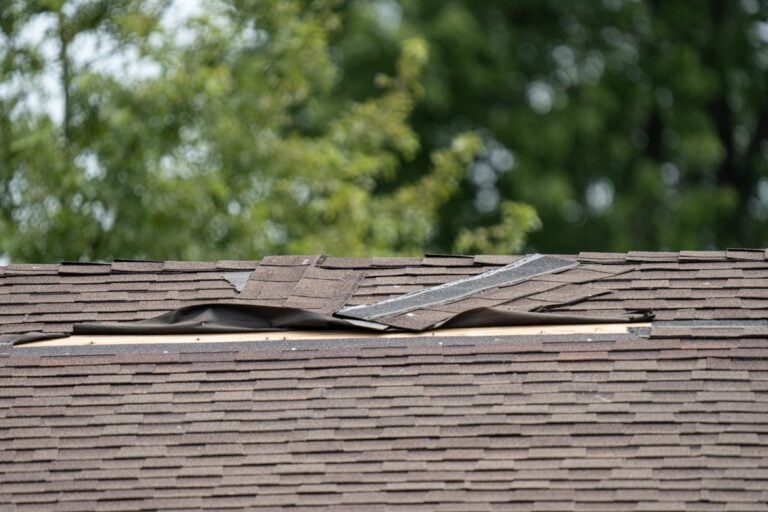
Poor installation, especially improperly welded seams, along with standing water and lack of routine maintenance are among the most common causes of early TPO roof failure. Physical damage from foot traffic near rooftop equipment or debris left behind after other contractors work on the roof can also contribute to problems if it goes unnoticed for too long.
Understanding these basics helps property owners have more informed conversations with contractors and make decisions that fit their building’s specific needs.
Protect Your Commercial Investment
A well installed TPO roofing system offers commercial property owners a practical combination of durability, energy efficiency, and long term value. Choosing the right installer and staying on top of routine maintenance are the two factors that matter most once the system is in place, and neither one is a place worth cutting corners.
Roof Troopers works with commercial property owners throughout the region to install and maintain roofing systems built to handle the demands of everyday business operations. If you are considering TPO for an upcoming project, contact us today to discuss the best option for your building.
Don’t pay for your roof until 2027!
0% APR, same as cash for 24 months
Get Started Today!
"*" indicates required fields