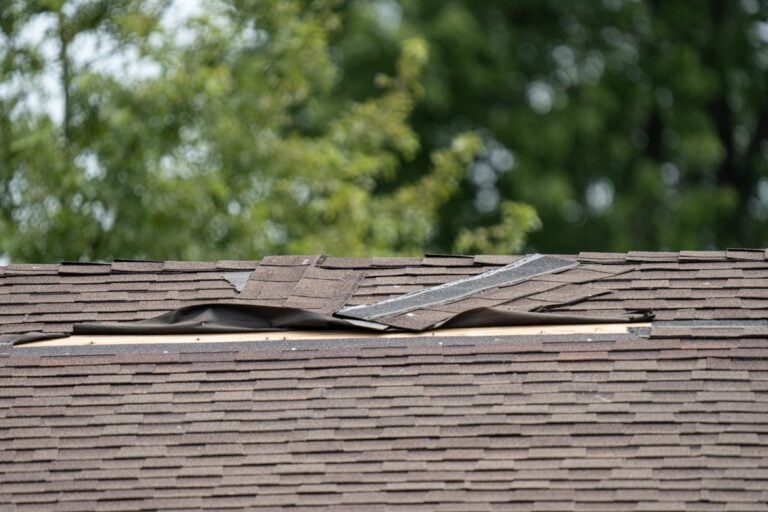

A roof does more than keep the rain out. It also has to manage heat and moisture moving through the attic every single day, and that job falls largely on ventilation. Understanding the types of roof vents available helps homeowners make smarter decisions when it comes to keeping a roofing system performing the way it should, especially through the humid summers and cold winters that homes in Mount Vernon and surrounding areas experience each year.
What you’ll learn in this guide:
- Why proper roof ventilation matters more than most homeowners realize
- The five most common types of roof vents used on residential homes
- How to choose the right combination of intake and exhaust vents
- How different vent types compare on cost and performance
- When to bring in a professional to evaluate attic airflow
Why Roof Ventilation Makes A Difference
Attics that cannot breathe properly create problems that go far beyond a stuffy upstairs room. Trapped heat and moisture work against a roof from the inside, often causing damage long before anything is visible from the ground. Good ventilation keeps air moving in and out of the attic space, which protects both the roofing materials and the parts of the home underneath them. Without it, even a brand new roof can start showing signs of wear well ahead of schedule.
Homeowners in Mount Vernon and surrounding areas deal with a mix of hot, humid summers and cold winters, both of which put ventilation to the test in different ways. Here are a few reasons proper airflow deserves attention.
- Prevents moisture buildup: Balanced ventilation reduces condensation that can lead to mold, mildew, and rotted decking.
- Extends shingle lifespan: Excess attic heat can bake shingles from underneath, shortening their usable life.
- Improves energy efficiency: A well ventilated attic reduces strain on cooling systems during peak summer months.
- Reduces ice dam risk: Consistent airflow helps keep roof surface temperatures even during winter, which limits the freeze and thaw cycle behind ice dams.
Choosing the right vents is not just a technical detail buried in a construction plan. It directly affects comfort, energy bills, and how long a roof lasts before it needs major repairs. That makes it worth understanding the options before a replacement or new installation gets underway.
5 Types Of Roof Vents
Roof vents generally fall into two categories, intake and exhaust, and a well ventilated attic typically uses a combination of both. Intake vents pull cooler air in near the eaves, while exhaust vents let hot, moist air escape near the roof’s peak. Below are the five most common vent types installed on homes today.
1. Ridge Vents
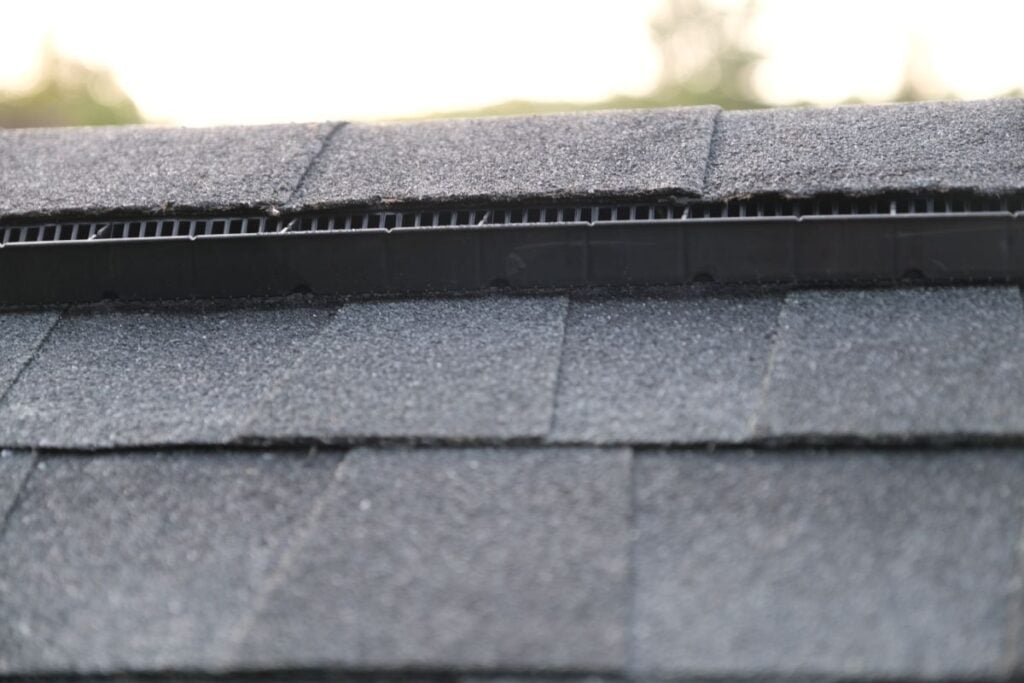
Ridge vents run along the entire peak of the roof and are one of the most popular exhaust vent choices for modern homes. Because they span the full ridge line, they provide continuous, even airflow without relying on a single concentrated opening. They also blend into the roofline better than most alternatives, which matters for homeowners who care about curb appeal. Many newer homes are designed with ridge vents in mind from the start, since they pair naturally with architectural shingles and a clean roofline.
- Works especially well when paired with soffit vents for balanced airflow
- Low profile design keeps it mostly hidden from the street
2. Soffit Vents
Soffit vents are installed under the roof’s eaves and serve as the primary intake point for fresh air. Without adequate soffit ventilation, even a high quality exhaust vent cannot pull enough air through the attic to do its job. These vents come in continuous strips or individual vent units, depending on the design of the home. Homeowners sometimes overlook soffit vents entirely, but they are just as important to a healthy attic as whatever exhaust option sits at the top of the roof.
3. Box Vents
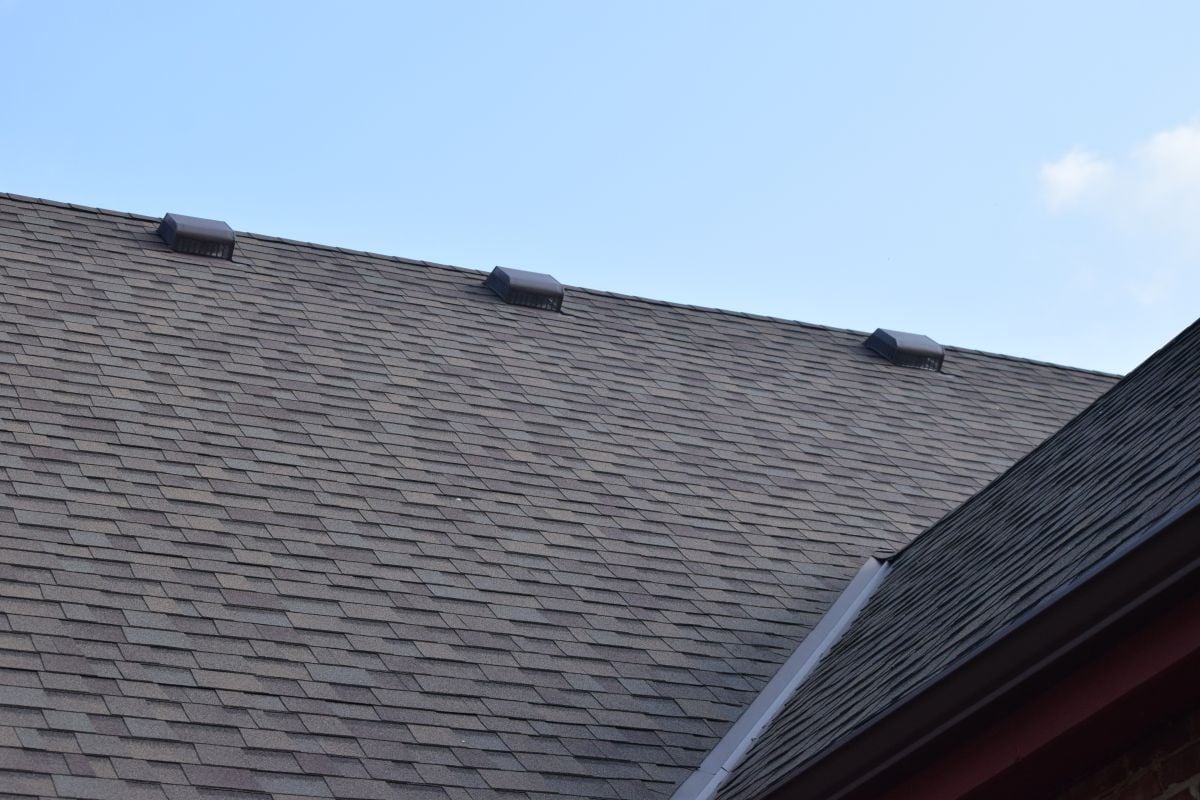
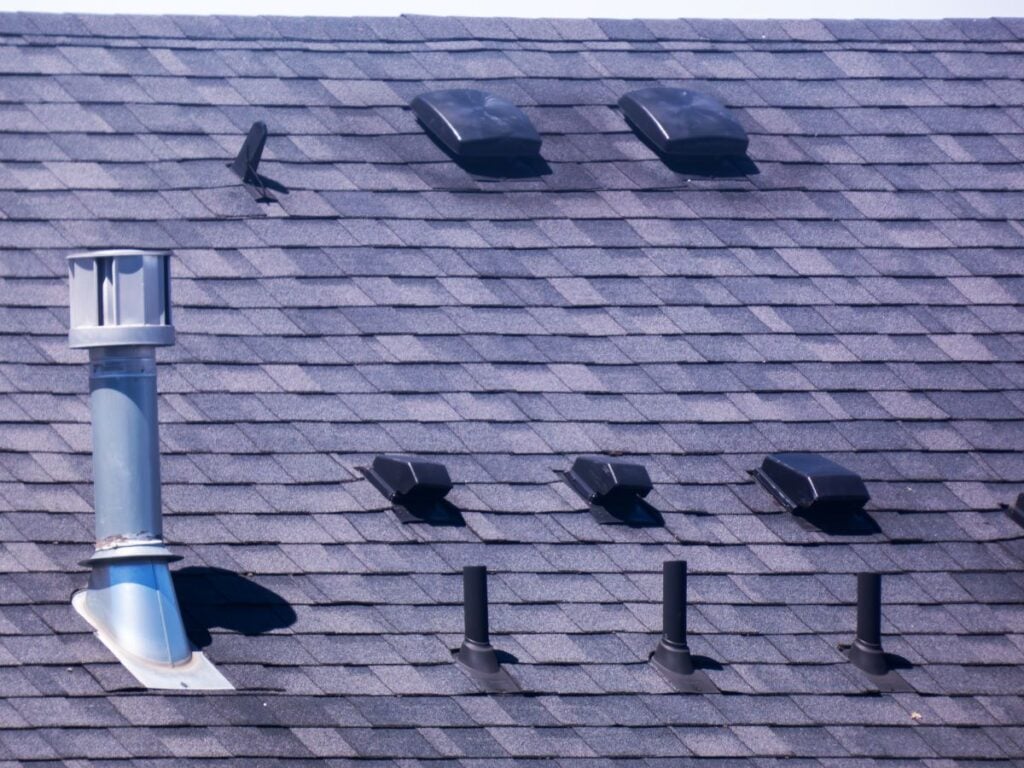
Box vents, sometimes called turtle vents because of their shape, are static exhaust vents installed near the roof’s peak. They rely on natural airflow rather than mechanical power, which makes them a simple and low maintenance option. Multiple box vents are often installed together to provide enough total exhaust capacity for larger attics.
- No moving parts, which means less to maintain over time
- Often used on homes where a ridge vent is not practical
4. Power Vents
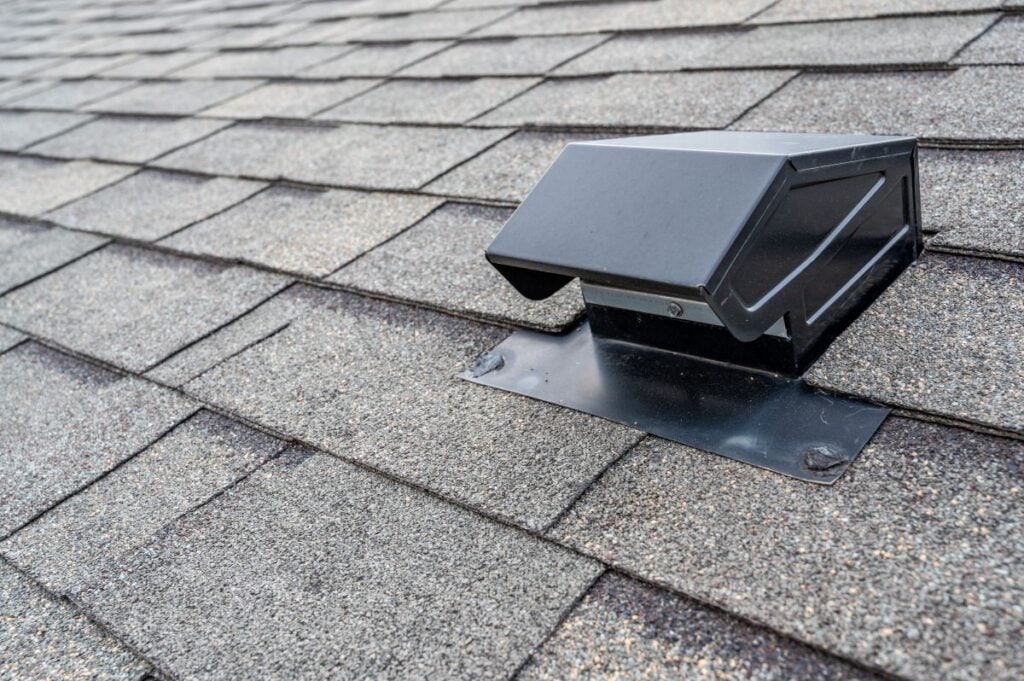
Power vents use an electric or solar powered fan to actively pull hot air out of the attic. They are especially useful in larger attics or homes in warmer climates where passive ventilation alone may not move enough air. Many models include a thermostat that automatically turns the fan on once the attic reaches a certain temperature. Solar powered versions have become increasingly popular since they add active airflow without adding to a home’s electric bill.

5. Gable Vents
Gable vents are installed on the vertical wall sections at each end of the attic, typically near the roofline’s peak. They work well in homes with a gable style roof design and can function as either intake or exhaust, depending on wind direction and how the rest of the ventilation system is configured. Because they sit on the side of the home rather than the roof surface, they are also relatively easy to access for maintenance.
Choosing among these five types often comes down to the shape of the roof, the size of the attic, and how the home is already built. A roofing professional can look at the layout of a specific house and recommend which combination will move air most effectively.
Getting The Balance Right
Installing vents is not simply a matter of picking one type and moving on. Effective ventilation depends on a balance between intake and exhaust, and getting that ratio wrong can actually make attic conditions worse rather than better. Homeowners in Mount Vernon and surrounding areas often assume more vents automatically means better airflow, but placement and proportion matter just as much as quantity.
Matching Intake And Exhaust
A properly balanced system generally aims for roughly equal amounts of intake and exhaust ventilation. Too much exhaust without enough intake can actually pull conditioned air from inside the home into the attic, working against energy efficiency rather than supporting it.
Considering Attic Size And Roof Shape
Larger attics typically require more total vent capacity, while steep or complex roof shapes may limit where certain vent types can be installed. A roof with multiple gables, dormers, or a low pitch often needs a more customized ventilation plan than a simple, single ridge design.
Accounting For Local Climate
Humidity levels, average summer temperatures, and winter snowfall all influence which vent combination performs best. A setup that works well in a dry climate may not manage moisture effectively in a more humid region, which is why local experience matters when planning attic ventilation. A roofer familiar with homes throughout Mount Vernon and surrounding areas will already know which combinations tend to hold up best against the region’s mix of humidity and seasonal temperature swings.
Getting this balance right during installation or replacement prevents a lot of headaches down the road, from premature shingle wear to unexpected moisture damage inside the attic itself.
Comparing Vent Types At A Glance
Every vent type comes with its own strengths, and the right choice often depends on budget, roof design, and how much maintenance a homeowner wants to take on. Some options require occasional cleaning or part replacement, while others are essentially maintenance free once installed. Looking at these factors side by side makes the decision easier.
| Vent Type | Maintenance Level | Best Suited For |
| Ridge Vent | Low | Homes wanting continuous, discreet exhaust airflow |
| Soffit Vent | Low | Nearly every home as the primary intake source |
| Box Vent | Very Low | Roofs where a ridge vent is not practical |
| Power Vent | Moderate | Larger attics or warmer climates needing extra airflow |
| Gable Vent | Low | Gable style roofs needing side wall ventilation |
No single vent type works as a complete solution on its own. Most well ventilated homes rely on a thoughtful combination, typically pairing an intake option like soffit vents with an exhaust option suited to the roof’s shape and size.
Ready For Better Attic Airflow?
Choosing the right types of roof vents plays a bigger role in a home’s long term health than most homeowners expect. From protecting shingles to reducing energy costs and preventing moisture damage, proper ventilation touches nearly every part of how a roof performs over time. Getting the combination right from the start saves money and hassle down the road.
Roof Troopers has helped homeowners throughout Mount Vernon and surrounding areas evaluate their attic ventilation and recommend the right mix of vents for their specific roof. If you are unsure whether your current setup is doing its job, contact us today for a straightforward assessment and honest recommendation.
Don’t pay for your roof until 2027!
0% APR, same as cash for 24 months
Get Started Today!
"*" indicates required fields