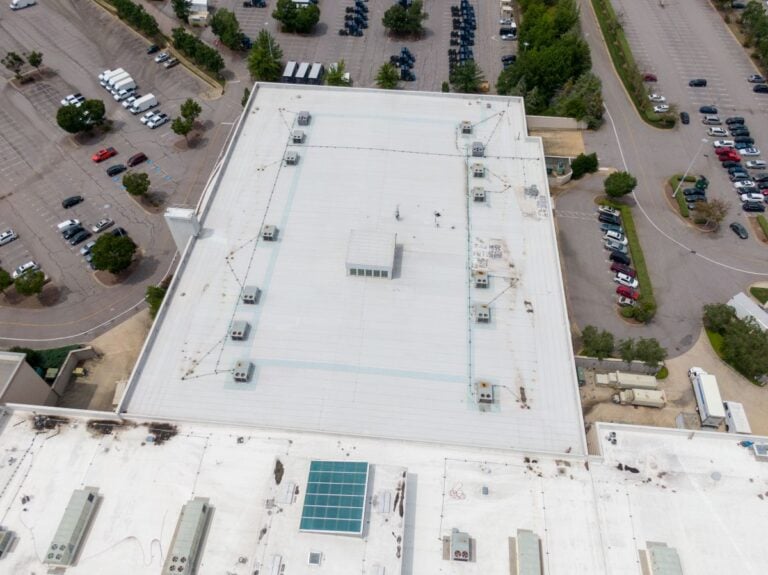

Most homeowners think about their home’s roof only when something goes wrong, but by then the damage has often already started. Staying ahead of small issues through consistent residential roof maintenance is one of the simplest preventative measures a homeowner can take to protect against the elements. A little regular care throughout the year, including keeping an eye on how a roofing system is holding up over time, goes a long way for homeowners throughout Fairfax and surrounding areas who want their roof to stay in top condition for as long as possible.
What you’ll learn in this guide:
- Why routine roof maintenance saves money in the long run
- Seven maintenance tasks every homeowner should prioritize
- How to build a simple seasonal maintenance routine
- How maintenance costs compare to the cost of neglect
- When it makes sense to bring in a professional
Why Routine Maintenance Pays Off
A roof takes on a lot of stress over the course of a year, from summer heat to severe weather, and none of that wear and tear announces itself right away. Routine maintenance catches small issues while they are still cheap and easy to fix, rather than letting them grow into problems that require major repairs or an early roof replacement. Many of the most expensive roofing problems homeowners face started as minor wear that simply went unnoticed for too long.
Homeowners in Fairfax and surrounding areas deal with humid summers, cold winters, and everything in between, all of which slowly affect a roof’s condition. Here is why staying on top of maintenance makes such a financial difference.
- Extends roof lifespan: Regular upkeep helps a roof remain in good condition and reach or exceed its expected lifespan instead of failing early.
- Prevents costly repairs: Catching minor issues early avoids the kind of water damage that gets expensive fast.
- Protects manufacturer warranties: Many warranties require documented maintenance to remain valid.
- Preserves curb appeal: A well maintained roof is a selling point that potential buyers and appraisers both notice.
Skipping maintenance might not cause visible problems right away, but the cost of neglect tends to show up eventually, sometimes as significant damage that costs far more than routine upkeep would have. Treating maintenance as a regular part of homeownership, rather than an afterthought, is one of the most reliable ways to protect that property.
7 Roof Maintenance Tasks Every Homeowner Should Prioritize
Maintaining a roof does not require constant attention, but it does require consistency. A handful of simple tasks, done on a regular basis as part of a residential roof maintenance program, cover most of what a house needs to stay in good condition year after year. Below are the seven maintenance tasks that make the biggest difference.
1. Clean The Gutters Regularly
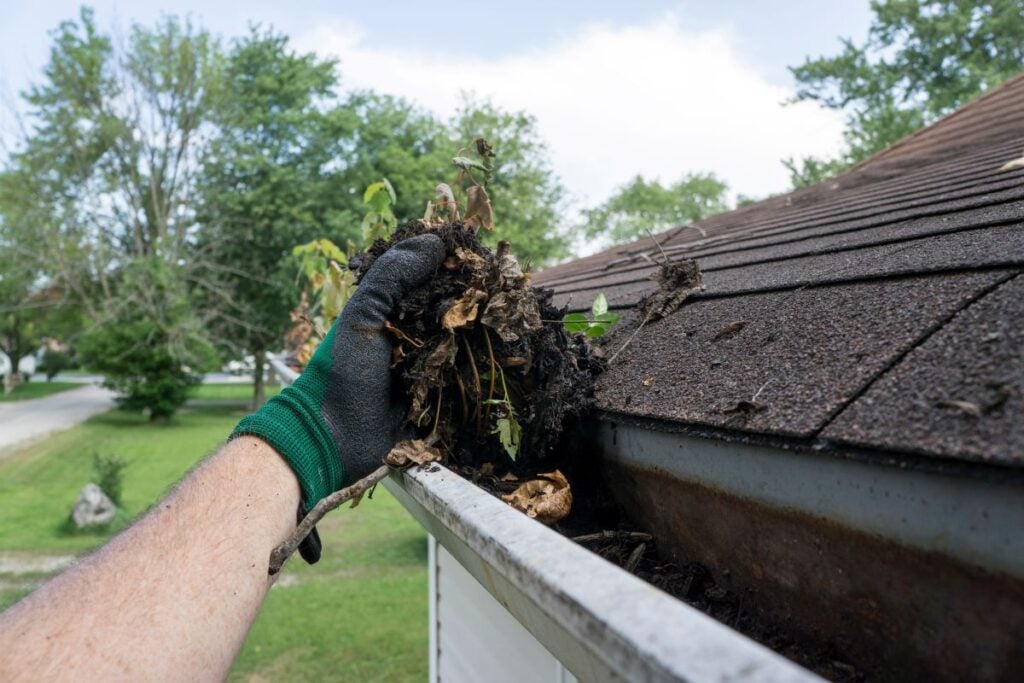
Clogged gutters cause water to back up under shingles instead of draining away from the roof, which can lead to leaks and rot along the roofline. Clearing leaves and debris at least twice a year supports proper drainage and keeps water moving where it should. Homes surrounded by mature trees tend to need this task more often, since gutters fill up faster during heavy leaf drop.
- Check gutters after major storms, not just on a set schedule
- Look for sagging sections that may indicate a bigger drainage issue
2. Inspect Flashing Around Roof Penetrations
Flashing around chimneys, vents, and skylights is one of the most vulnerable areas for leaks to start. A quick visual check for cracked or lifted flashing can catch a problem long before it causes interior damage, and a professional inspection can confirm the flashing still meets current building codes. Flashing issues are especially easy to miss because they rarely look serious until water has already found its way underneath.
3. Trim Overhanging Branches
Branches that hang too close to the roof can scrape shingles during windy weather and drop debris that clogs gutters or damages the roof surface. Keeping trees trimmed back reduces both of these risks at once.
- Focus on branches within six feet of the roofline
- Remove dead limbs that could break off during storms
4. Check Attic Ventilation
Poor attic airflow traps heat and moisture, which can shorten a roof’s lifespan from the inside out. A quick check for proper airflow, especially before summer and winter, helps prevent issues that are much harder to spot from the ground. Signs of poor ventilation often show up as excessive attic heat in summer, condensation on the underside of the roof deck in winter, or missing and curling shingles on the surface above.
5. Remove Moss And Debris From The Roof Surface
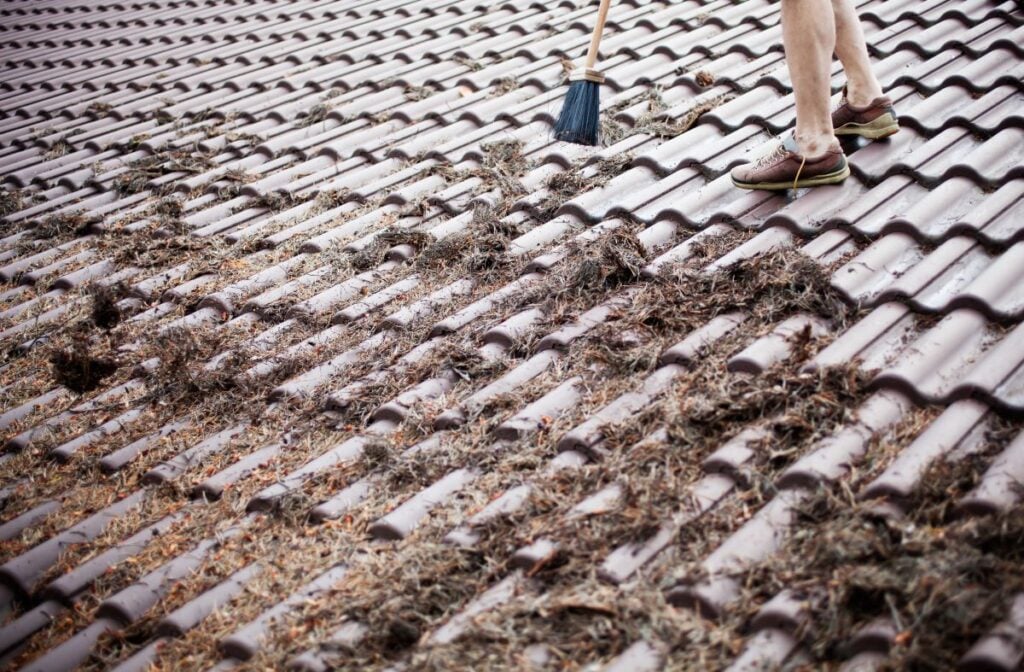
Moss growing on asphalt shingles and trapped debris hold moisture against the roof surface, which speeds up deterioration over time. Gently removing buildup, without damaging the shingles in the process, helps preserve the roof’s protective surface.
- Avoid pressure washing, which can strip protective granules
- Address moss early since it spreads quickly in shaded areas
6. Schedule Professional Inspections
Some issues are difficult to spot without training, particularly around flashing, decking, and other problem areas that are not easily visible from the ground. An annual roof inspection from an experienced roofing contractor catches potential problems that a homeowner’s walkthrough might miss entirely. This is especially valuable after a major storm, when damage is not always obvious even to a trained eye without a closer look.
7. Address Minor Repairs Promptly
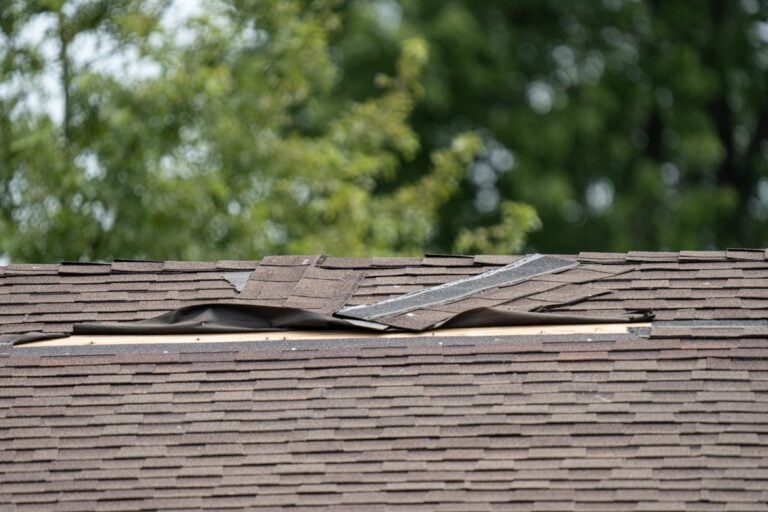
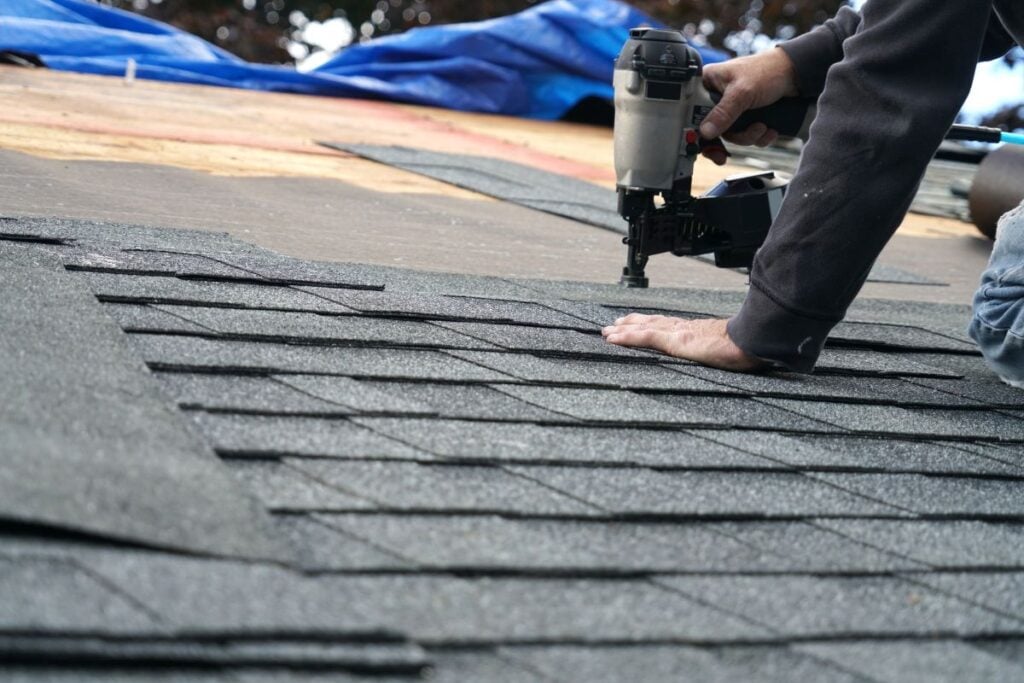
Loose or damaged shingles and small leaks rarely stay minor if they are ignored, and issues like these deserve immediate attention rather than a wait and see approach. Handling repairs as soon as they are noticed keeps costs low and prevents a single issue from spreading into a larger project.
Taken together, these seven tasks cover the majority of what keeps a roof healthy between larger inspections. None of them require major time or expense, which is exactly what makes consistent maintenance such a cost effective habit for homeowners to build. Even tackling just a few of these tasks consistently puts a homeowner well ahead of those who wait until a problem forces their hand.
Building A Simple Seasonal Routine
Spreading maintenance tasks across the year makes them easier to stay on top of and ensures nothing important gets overlooked. Rather than trying to handle everything at once, breaking maintenance into a simple seasonal plan keeps the workload manageable and timed appropriately for what each season tends to bring.
Spring
Spring is the ideal time to check for winter damage, clear debris that accumulated over the colder months, and inspect flashing before summer storms arrive.
Summer
Summer maintenance should focus on attic ventilation and checking for signs of heat related wear, since high temperatures put extra stress on shingles and attic insulation alike.
Fall
Fall is the best time to clean gutters thoroughly, trim back tree branches, and address any minor repairs before winter weather sets in. Getting ahead of these tasks in the fall makes winter far less stressful, since fewer surprises tend to come up once cold weather arrives.
Winter
Winter maintenance is mostly about monitoring, watching for ice dams, checking how the roof is holding up under heavy snow, and scheduling repairs quickly if storm damage occurs.
A seasonal approach turns roof maintenance into a predictable routine rather than a reactive scramble, which makes it far easier to keep up with consistently over time.
Maintenance Costs Versus The Cost Of Neglect
Comparing the cost of routine maintenance to the cost of letting problems go unaddressed makes the financial case for upkeep clear. Maintenance tasks are generally inexpensive, especially when compared to the repairs that often follow years of neglect. Looking at both sides side by side helps put the value of consistency into perspective.
| Approach | Typical Cost | Long Term Outcome |
| Routine maintenance | Low, ongoing investment | Roof reaches or exceeds expected lifespan |
| Delayed minor repairs | Moderate cost per repair | Small issues often grow into larger ones |
| Neglected maintenance | High cost when problems surface | Increased risk of early replacement |
The pattern is consistent across nearly every material used in the roofing industry. Homeowners who stay ahead of small issues spend less overall than those who wait until a problem becomes impossible to ignore. Viewed this way, maintenance is less of an expense and more of a long term savings strategy, one that pays off quietly year after year without ever requiring a large upfront commitment.
Protect Your Investment With Regular Maintenance
Residential roof maintenance is one of the easiest ways homeowners can protect a major investment without spending much time or money. From gutter cleaning to seasonal inspections, the tasks covered in this guide add up to real savings over the life of a roof. Staying consistent now means avoiding the kind of costly surprises that come from years of neglect, and it keeps a roof performing the way it was designed to for as long as possible.
Roof Troopers has helped homeowners throughout Fairfax and surrounding areas keep their roofs in strong condition through proactive maintenance and honest guidance that helps them make informed decisions. If it has been a while since your roof was inspected, contact us today to schedule an inspection and get a clear picture of where things stand.
Don’t pay for your roof until 2027!
0% APR, same as cash for 24 months
Get Started Today!
"*" indicates required fields