
After a hailstorm rolls through, most homeowners want a straight answer to one question: what will the insurance company actually pay for the roof. The average insurance payout for hail damage varies a lot depending on your policy, your roof, and the extent of the damage, which makes it easy to feel unsure about what to expect once you start the insurance claim process. Homeowners in McLean and surrounding areas often reach out after a storm wanting a realistic number before they even file a hail damage insurance claim, which is exactly why getting a professional assessment first puts you in a much stronger position going into the claims process.
What You’ll Learn
- Why understanding the average payout range matters before you file a claim
- Five factors that determine how much your specific payout will be
- What a typical payout range actually looks like in different scenarios
- How to make sure your settlement reflects the real cost of repairs

Why the Average Payout Matters Before You File
Knowing roughly what to expect helps you set realistic expectations and spot a lowball offer before you accept it. Insurance companies calculate payouts based on a specific set of criteria, and understanding that process puts you in a much better negotiating position.
- Sets realistic expectations: Knowing the general range helps you avoid being blindsided by either a low initial offer or an unexpectedly high repair estimate.
- Helps you spot a lowball offer: If an insurance adjuster’s number falls well below what similar damage typically costs to repair, that’s a signal to get a second opinion.
- Supports better documentation: Understanding what drives your claim amount up or down tells you exactly what detailed photos and notes to gather before the adjuster arrives.
- Improves your negotiating position: Homeowners who understand the process tend to end up with settlements that more accurately reflect the actual cost of repairs and coverage limits.
Homeowners across McLean and surrounding areas deal with a real mix of severe summer storms, which means hail damage claims aren’t rare here. Going into the process informed, rather than hoping the first number you hear is fair, tends to lead to a much smoother outcome. It also helps you decide early on whether filing a claim even makes sense once you weigh the likely payout against your deductible.
5 Factors That Determine Your Hail Damage Payout
No two hail damage claims settle for the same amount, even when the storm hit the same neighborhood. A handful of specific factors combine to determine where your payout lands, and knowing them ahead of time helps you understand the adjuster’s math.
1. Extent of the Damage
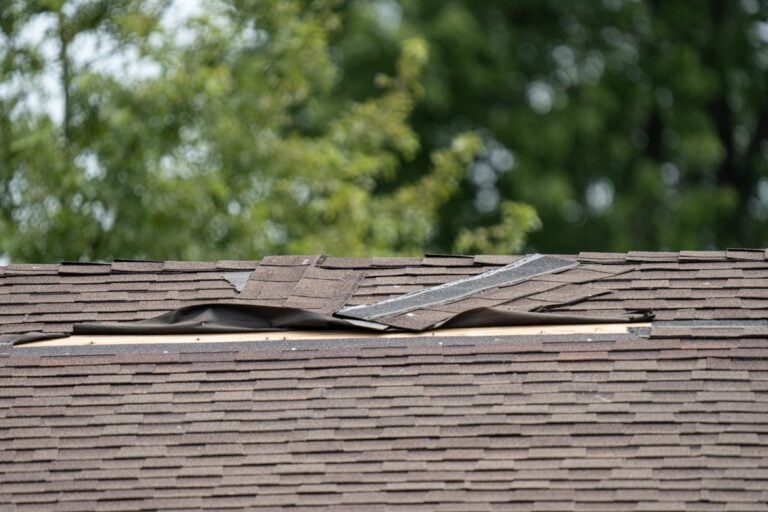
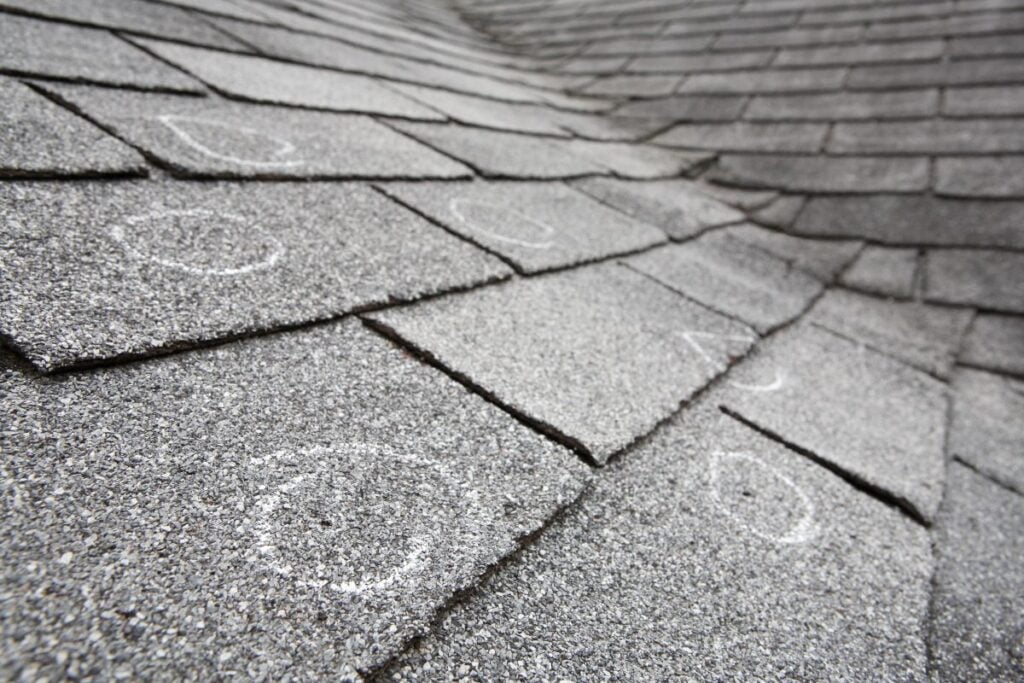
The scope of damage is the single biggest driver of your payout. A few dented shingles cost far less to address than a roof with widespread granule loss, cracked mats, or multiple compromised sections.
- Isolated damage on one slope usually means a smaller claim
- Damage spread across the whole roof pushes costs toward full replacement
- Hidden damage found during inspection can increase the final scope
2. Age and Condition of Your Roof
Insurers factor in how much useful life your roof had left before the storm. A newer roof in good condition typically results in a higher payout than an older roof nearing the end of its expected lifespan.
- Roofs under 10 years old often see less depreciation applied
- Roofs already showing wear may be valued at a reduced amount
- Pre-existing damage unrelated to the storm is usually excluded from the claim
3. Actual Cash Value vs Replacement Cost Coverage
Your policy type has a major effect on the final number. Replacement Cost Value policies pay to replace the roof at today’s prices, while Actual Cash Value policies subtract depreciation based on the roof’s age.
- RCV policies typically result in a higher payout
- ACV policies mean more of the cost comes out of your pocket
- Some policies convert from ACV to RCV once repairs are completed

4. Your Deductible
Whatever your policy pays out gets reduced by your deductible before you see a check. Some homeowners also carry a separate wind and hail deductible, which is often a percentage of the home’s insured value rather than a flat dollar amount, and it’s easy to overlook until you’re already in the claims process.
- Percentage-based hail deductibles can be higher than a standard deductible
- Reviewing your specific deductible before filing avoids surprises
- A high deductible sometimes means filing isn’t worth it for minor dents or minor damage
- Filing multiple claims within a short period can also affect future premiums, so it’s worth weighing whether the repair cost clearly exceeds the deductible before submitting a first claim
5. Local Labor and Material Costs
Insurers typically base payouts on the going rate for labor and materials in your specific area rather than a flat national number. Costs in Northern Virginia can run higher than in other parts of the country depending on demand and material availability at the time.

- Regional pricing affects both repair and replacement estimates
- Material shortages after major storms can temporarily raise costs
- Getting a local contractor’s estimate helps confirm the adjuster’s numbers are accurate
Taken together, these five factors explain why one homeowner’s payout can look very different from a neighbor’s, even after the exact same storm. Knowing which of these apply to your specific situation makes it much easier to understand the number an adjuster eventually presents. It’s also worth noting that a roof claim follows a different repair process than a vehicle hail claim, which usually falls under comprehensive auto insurance and often gets resolved through paintless dent repair rather than a full inspection like a home claim.
What a Typical Payout Range Actually Looks Like
Every claim is different, but it helps to have a general sense of scale before you go into the process. As a rough industry estimate, hail damage roof claims often land somewhere in the low to mid five figures, though the specific number depends entirely on the key factors above. Average payouts have generally trended upward over recent years, largely due to inflation in repair costs and roofing materials. Think of this less as a fixed price tag and more as a starting point for the conversation with your insurance agent.
Minor to Moderate Damage
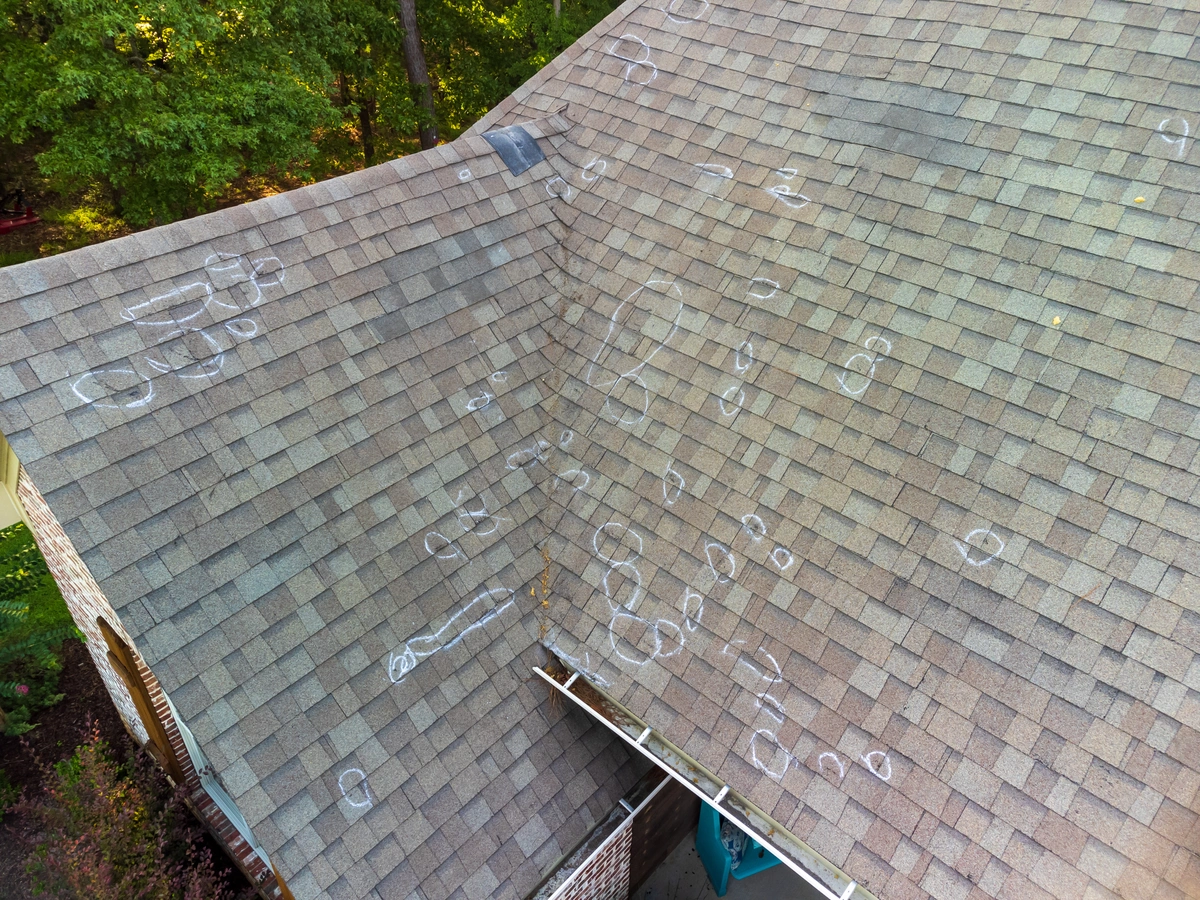
When damage is limited to a portion of the roof, such as a single slope or a handful of shingles with minor dents, payouts tend to sit on the lower end of that general range, often covering a targeted repair rather than a full roof replacement. This is also the scenario where a clear, thorough inspection with organized documentation makes the biggest difference in getting the full amount approved.
Extensive Damage or Full Replacement
When visible damage is widespread enough to require a full roof replacement, the payout climbs considerably higher, since it now needs to cover tear off, roofing materials, and labor for the entire roof rather than a single section. Larger homes and premium materials both push this figure up further, since more square footage and higher end shingles or metal panels simply cost more to install.
These are broad strokes rather than a guarantee, since your specific roof size, material, and policy terms all shift the number in either direction. A written estimate from a roofing contractor gives you a far more accurate picture than any general range.
Making Sure Your Payout Reflects the Real Damage
Getting a fair settlement usually comes down to organized documentation and knowing what to compare the insurance adjuster’s estimate against. Homeowners who go in prepared tend to end up with a payout amount that actually matches the cost of the repair work needed, rather than accepting whatever figure comes back first. A few expert tips can make a significant difference in how smoothly the repair process goes.
| Step | What It Involves | Why It Matters |
| Document before repairs | Clear photos and detailed notes on all visible damage | Creates a record the adjuster and your contractor can both reference |
| Get an independent estimate | A written quote from a licensed roofing contractor | Gives you something concrete to compare against the insurer’s offer |
| Review your policy type | Confirm whether you have ACV or RCV coverage | Explains why the number came in higher or lower than expected |
| Request a re-inspection | Ask for a second look if the scope seems incomplete | Can catch damage that was missed during the first visit |
Homeowners in McLean and surrounding areas who take these steps before accepting a settlement tend to have a much easier time if the initial offer doesn’t match the actual scope of repairs needed. A roofing contractor who regularly works with the insurance claim process can walk through the estimate with you and flag anything that looks off, and in more complicated cases, a public adjuster can help make sure the claim amount reflects the real damage.

Get a Professional Opinion Before You Settle
Understanding the average payout range gives you a starting point, but the number that actually matters is the one specific to your roof, your policy, and the damage in front of you. Roof Troopers has helped homeowners throughout McLean and surrounding areas document hail damage clearly, using drone inspections to give both the homeowner and the insurance adjuster an accurate picture of what repairs are actually needed. Our team walks you through the findings in plain language and helps you understand whether an offer lines up with the real scope of the work, without any pressure to make a decision on the spot, so you can protect both your roof and your budget. If you’re dealing with hail damage and want a second opinion before you accept a settlement, contact us today and we’ll help you build a clear picture of what your roof actually needs.
Don’t pay for your roof until 2027!
0% APR, same as cash for 24 months
Get Started Today!
"*" indicates required fields