
Gutters work quietly in the background until something goes wrong, and knowing when gutter replacement makes more sense than another round of patchwork repairs can save homeowners both time and money. Catching the warning signs early often means the difference between a smooth, planned project and an emergency call after water has already found its way into the home, and it pairs naturally with other exterior improvements many homeowners consider around the same time. A little awareness now can prevent a much larger headache later, especially once a system starts showing more than one warning sign at a time.
Here’s a short overview of what this guide covers:
- The signs that typically point to gutter replacement rather than repair
- What the replacement process usually looks like
- How to plan around timing and seasonal considerations
- How replacement compares to ongoing repairs over time
- Answers to common questions about the process
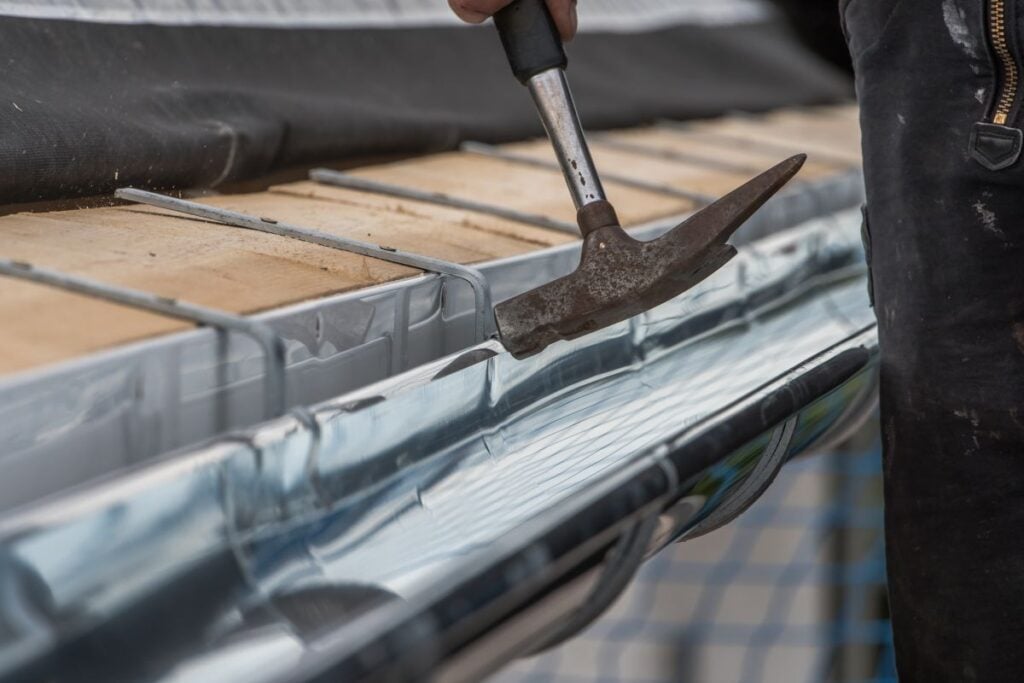
Why Recognizing These Signs Matters
Gutters that are past their prime rarely fail all at once. Instead, small issues build up over time until a home in McLean and surrounding areas starts showing signs of water damage that could have been avoided with an earlier replacement. Knowing what to look for helps homeowners act before a minor annoyance turns into a costly repair.
- Foundation protection: Gutters that no longer drain properly can direct water straight toward the home’s foundation instead of away from it, which over time can affect the structural integrity of the property.
- Preventing interior damage: Overflowing or leaking gutters near the roofline can eventually lead to water finding its way into the attic or walls.
- Avoiding landscaping damage: Poorly functioning gutters often erode soil, damage plants, and create unwanted drainage patterns in the yard.
- Reducing long term costs: Replacing a failing system before it causes secondary damage is almost always less expensive than dealing with the aftermath, and a new system also helps preserve the curb appeal of the house.
Paying attention to these warning signs early gives homeowners more control over the timing and cost of the project, rather than being forced into an emergency decision later. Mildew forming around the base of the home is often one of the clearer signals that a gutter system has already failed.
6 Signs It Might Be Time for Gutter Replacement
Some signs of gutter failure are obvious, while others are easier to miss until the problem has already progressed. Gutters can last anywhere from 10 to over 100 years depending on the material, so age alone is often a useful starting point. Below are the most common indicators homeowners in McLean and surrounding areas should watch for.
1. Visible Cracks or Splits
Small cracks might seem minor at first, but they tend to widen over time, especially with temperature changes throughout the year. Vinyl gutters, in particular, tend to crack in extreme cold and can sag over time, and multiple cracks along a single run are usually a sign that patch repairs will not hold for long.
- Cracks near seams or corners are especially prone to worsening quickly
- Repeated cracking in the same area often indicates the material itself is deteriorating
2. Sagging or Pulling Away From the Roofline
Gutters that sag between hangers or pull away from the fascia are struggling to support the weight of water during rainfall. This is often a sign of failing hangers, rotted fascia, or improper slope, since gutters need a slight downward angle toward the downspouts to drain properly.
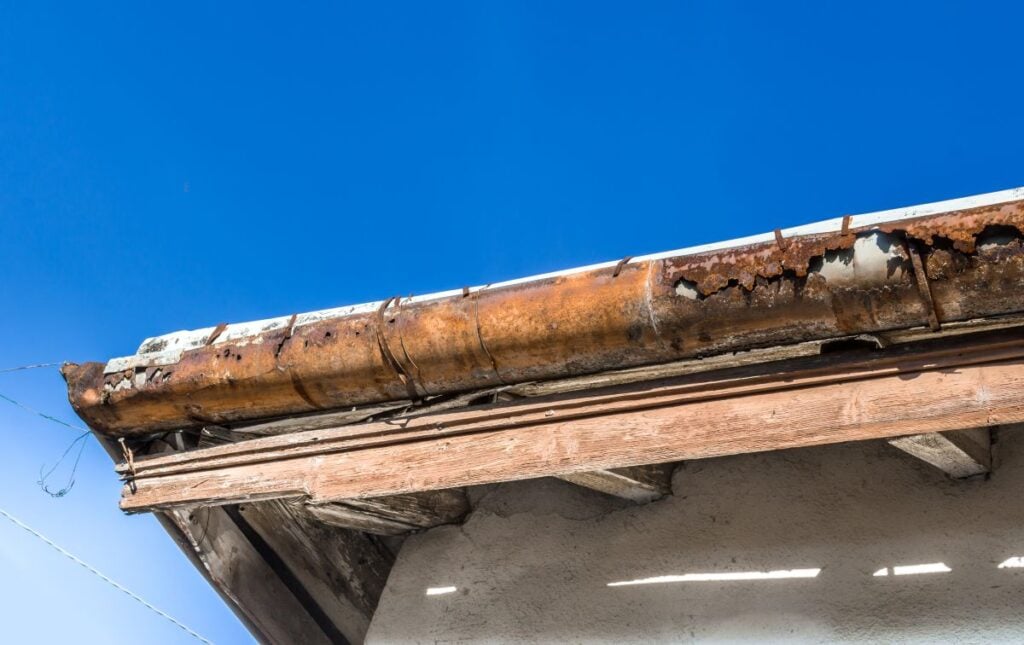
3. Rust Spots or Corrosion
Metal gutters that develop rust spots are showing early signs of material breakdown. Galvanized steel gutters rely on a protective coating to prevent rust, and once that coating wears away, corrosion tends to progress quickly. Left unaddressed, rust can eventually create holes that allow water to escape in unintended places.
- Rust often starts at seams, corners, or areas where water pools
- Peeling paint near the gutter line can be an early indicator of underlying corrosion
4. Water Damage Around the Foundation
Puddles or erosion near the base of the home after rainfall often point to a gutter system that is no longer directing water where it should. This is one of the more serious signs, since foundation issues can be expensive to correct if left unaddressed.
5. Peeling Paint or Water Stains on Siding
Streaks, peeling paint, or discoloration on siding beneath the gutter line usually indicate water is overflowing rather than draining through the downspouts properly. This is often one of the easiest signs to spot during a routine walk around the home.

6. Frequent Clogging Despite Regular Cleaning
If gutters continue to clog shortly after being cleaned, the pitch or design of the system itself may no longer be functioning correctly. In some cases, this points to a system that was undersized or improperly installed to begin with, since proper gutter sizing plays a big role in preventing overflow during heavy rainfall.
- Frequent clogging can also indicate sagging sections holding debris buildup in low points
- Persistent clogging issues are a common reason homeowners eventually decide to replace rather than continue repairing, and gutter guards are sometimes added during replacement to help reduce future maintenance
Recognizing several of these signs at once is usually a stronger indicator that replacement makes more sense than continued repairs, since addressing one issue rarely resolves problems stemming from a system nearing the end of its lifespan.
What to Expect During the Replacement Process
Understanding what a typical replacement project involves can make the process feel far less overwhelming for homeowners who have not gone through it before. Most projects follow a fairly consistent sequence from start to finish.
- Initial inspection and assessment. A thorough look at the existing system, fascia condition, and roofline helps determine the right size, material, and layout for the replacement.
- Removal of the old system. The existing gutters are taken down, along with any damaged brackets or hangers that need to be replaced.
- Fascia repairs if needed. Any rotted or damaged fascia boards are addressed before new gutters go up, since installing over compromised wood defeats the purpose of a fresh system.
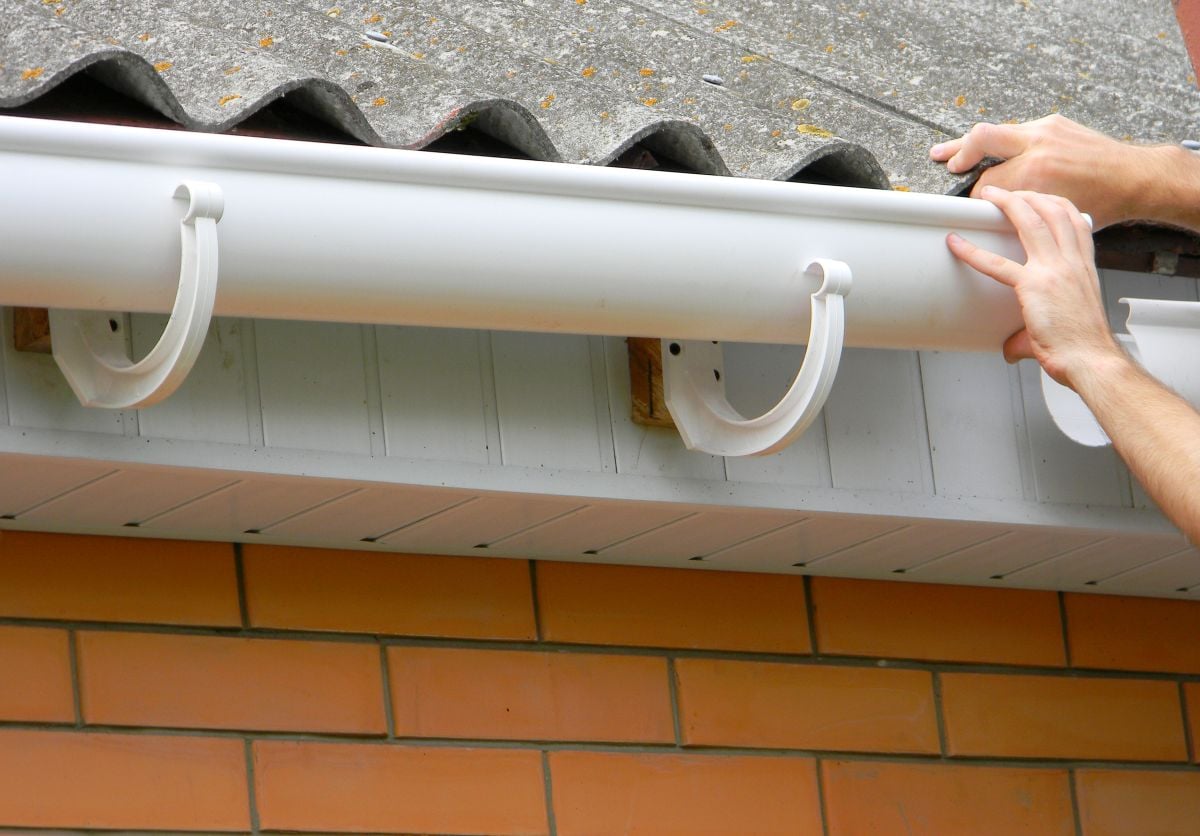
- Installation of the new gutters. New sections are measured, cut, and secured with properly spaced hangers, set at a slight downward slope toward the downspouts. Downspouts are then positioned to carry water at least 3 to 4 feet away from the home’s foundation, followed by sealing at seams and corners.
Most residential gutter replacement projects can be completed within a single day, assuming there are no unexpected fascia repairs that extend the timeline. Labor costs for gutter installation average around $65 per hour on top of material costs, though several factors ultimately determine the total cost of the job.
Replacement vs. Continued Repairs
Deciding between another repair and a full replacement often comes down to how frequently problems are occurring and how old the current system already is. A side by side look at the tradeoffs can help homeowners think through the decision more clearly.
| Factor | Repair Likely Makes Sense | Replacement Likely Makes Sense |
| Age of current system | Under 10 years old | Approaching or past 20 years |
| Frequency of issues | First or infrequent problem | Recurring issues multiple times a year |
| Extent of damage | Isolated to one section | Spread across most of the system |
| Fascia condition | Solid, no visible rot | Rotted or damaged in multiple areas |
| Overall performance | Drains properly most of the time | Consistently fails to drain properly |
Homeowners in McLean and surrounding areas dealing with an aging system that keeps needing attention often find that replacement ends up being more cost effective than continuing to pay for repairs on borrowed time.
Material choice also plays a role in gutter replacement cost. Vinyl gutters tend to be the most affordable option, often running around $3 to $5 per linear foot, while aluminum sits in the middle of the range and copper can run $20 to $25 per linear foot given its appearance and longevity. Across all materials, gutter installation costs generally fall somewhere between $3 and $40 per linear foot, and gutter removal for the old system typically adds $1 to $2 per square foot on top of that. Style matters too, since k style gutters can carry roughly twice the water of half round styles.
Frequently Asked Questions About Gutter Replacement
These are some of the questions homeowners most often ask when they suspect it might be time for a new system. If a specific concern isn’t addressed here, a direct inspection is usually the best way to get a clear answer.
How do I know if I need a repair or a full replacement?
If problems are isolated and the system is relatively new, a repair is often sufficient. Widespread damage, an aging system, or recurring issues usually point toward replacement being the more practical choice.
How long does gutter replacement typically take?
Most residential projects are completed within a single day, though homes with more complex rooflines or fascia repairs may take slightly longer.
Is it better to replace gutters in a specific season?
Gutters can technically be replaced at any time of year, though many homeowners prefer to schedule the work before the rainy season begins to avoid unnecessary exposure.
Can I replace just a section of my gutters instead of the whole system?
In some cases, partial replacement is possible, though it can be harder to match older sections and may not resolve issues affecting the overall system’s performance.
Are seamless gutters worth the extra cost?
Seamless gutters reduce the risk of leaks compared to traditional sectional gutters, since there are fewer joints where water can escape. For homeowners who want to minimize maintenance, the added cost is often worth it.
What happens to the old gutters after replacement?
Old gutters are typically removed and disposed of by the installation team as part of the overall project, so homeowners generally do not need to handle removal themselves.
Understanding these basics can help homeowners feel more confident heading into a replacement project, whether it is happening now or being planned for the near future.
Get a Clear Assessment for Your Home
Recognizing the signs of a failing gutter system early can save homeowners from far more expensive repairs down the road. Whether the issue is visible rust, frequent clogging, or water damage near the foundation, addressing it sooner rather than later almost always pays off.
Roof Troopers helps homeowners throughout the region evaluate their existing gutters and determine whether repair or replacement makes the most sense for their home, backed by industry leading warranties on new installations. If you are noticing any of these warning signs, contact us today for a free consultation and to schedule an inspection.
Don’t pay for your roof until 2027!
0% APR, same as cash for 24 months
Get Started Today!
"*" indicates required fields