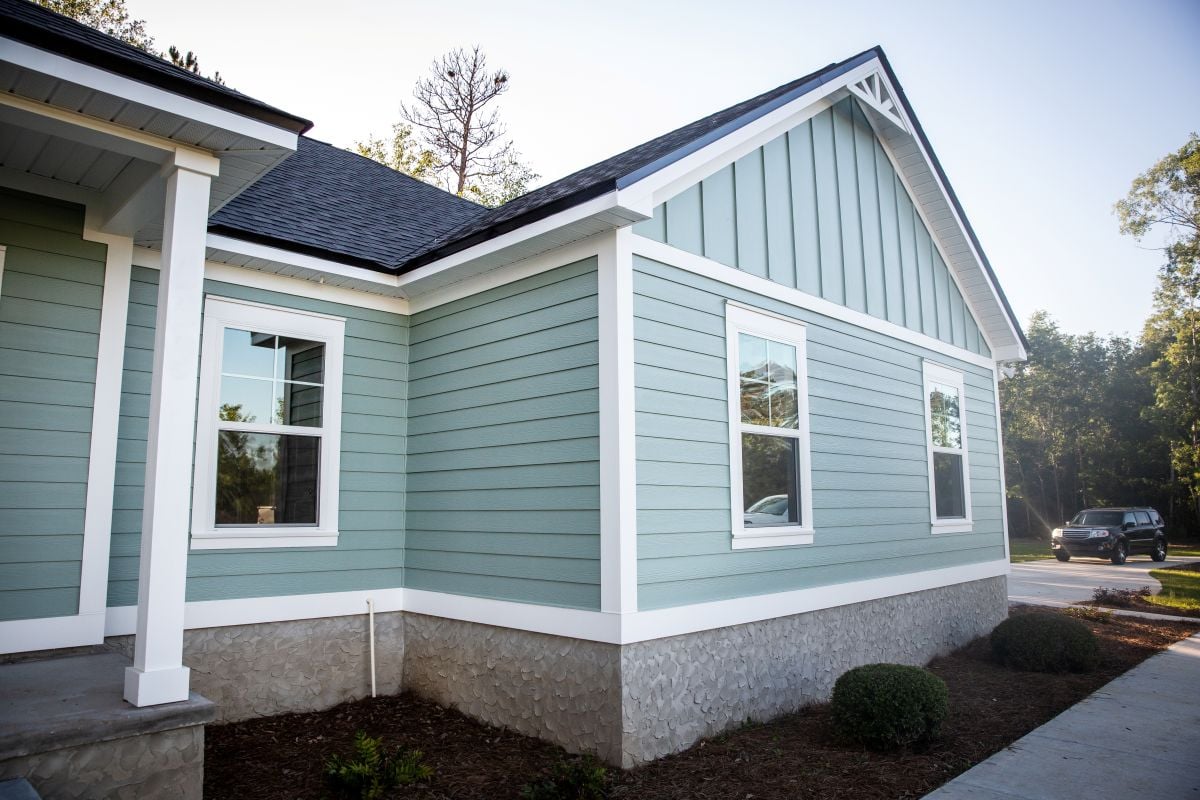

Few exterior projects raise as many budgeting questions as siding, and understanding vinyl siding cost upfront can help homeowners avoid surprises once quotes start coming in. As a general starting point, vinyl siding installation typically runs between $4 and $12 per square foot installed, though the final price depends on more variables than most people expect. Getting a realistic sense of those numbers ahead of time makes it much easier to compare estimates from different contractors, especially when weighing vinyl alongside other exterior options for the same home. A little context upfront can also help homeowners tell the difference between a fair quote and one that seems unusually high or low for the scope of work involved.
Here’s a quick look at what this guide covers:
- Why vinyl siding cost varies so much between homes
- The main factors that shape the final price
- Ways to manage the budget without sacrificing quality
- How vinyl compares to other siding materials on cost
- Answers to common questions about pricing
Why Vinyl Siding Cost Varies So Much
No two homes require the exact same siding project, which is why quotes can differ significantly even for houses of a similar size and shape. Homeowners throughout Falls Church and surrounding areas often find that early cost estimates shift once a contractor accounts for the specific details of their home.
- Home size and shape: Larger homes and those with more corners, dormers, or architectural details require more material and labor.
- Material quality: Vinyl siding comes in a range of thicknesses and grades, with pricing that reflects durability and appearance.
- Existing condition: Homes needing extensive repairs or a full tear off before installation will cost more than a straightforward install over sound sheathing.
- Labor availability: Local labor rates and contractor demand can shift pricing from one area to another, even for similar projects.
Understanding these variables in advance helps homeowners set realistic expectations and evaluate whether a quote reflects the actual scope of their project.
6 Factors That Influence Vinyl Siding Cost
Breaking the price down into individual components makes it much easier to understand why one estimate might differ from another. These are the most common factors shaping vinyl siding cost for homeowners in Falls Church and surrounding areas.
1. Square Footage of the Home
The total exterior surface area being covered is one of the biggest cost drivers, since most contractors price per square foot. Material alone typically runs $3 to $7 per square foot, with labor adding another $2.50 to $5 per square foot, and total project costs for an average home often land between $10,000 and $24,000.
- Two story and other multi story homes may require additional labor for scaffolding or lift equipment
- Homes with a lot of trim, corners, or architectural detail take longer to install
2. Siding Thickness and Grade
Vinyl siding is available in a range of thicknesses, typically measured in mils, with thicker vinyl siding generally costing more but offering better impact resistance and a longer lifespan. Builder grade panels sit at the lower end of the price range, while premium grade panels, often measuring 0.042 inches or thicker with reinforced backing, cost more but tend to hold up better against wind, impact, and extreme temperatures over time.
3. Style and Profile
Traditional horizontal lap siding, vertical siding, board and batten, and shake style vinyl all carry different price points, with more decorative profiles typically costing more than standard panels. Basic horizontal lap siding often runs $3 to $4 per square foot, board and batten siding tends to fall between $5 and $9 per square foot, and shake style vinyl siding typically costs $4 to $10 per square foot installed.
4. Old Siding Removal
If the home currently has siding that needs to be removed before installation, that added labor and disposal cost gets factored into the total project price, typically adding $1,000 to $3,000 depending on the size of the home. This step also gives the general contractor a chance to inspect the sheathing underneath for any hidden issues before new siding goes up.
- Removal costs can increase if the existing siding contains multiple layers
- Homes with damaged sheathing underneath may require repairs before new siding goes up
5. Insulation and Underlayment
Insulated vinyl siding typically costs $7 to $13 per square foot installed, more than standard panels, but it can improve a home’s energy efficiency and lower utility bills over time. In some areas, insulated siding may also qualify for tax incentives, which some homeowners factor into the long term value of the project.
6. Trim, Accessories, and Accents
Corner posts, soffit, fascia wraps, gable vents, and decorative accents all add to the total cost, and homes with more architectural features typically require more of these finishing pieces.
Taken together, these six factors explain why a straightforward one story home and a larger home with more architectural detail can end up with noticeably different quotes, even when both are getting the same type of siding installed.
Getting the Most Value From Your Siding Budget
Cost is rarely the only factor worth considering, since the least expensive option upfront is not always the best long term value. A few practical decisions can help homeowners get more out of their siding investment.
- Choose mid grade thickness for most homes. Extremely thin panels tend to warp or crack sooner, while premium thickness may be unnecessary for homes that are not in particularly harsh climates. Modern vinyl siding also resists fading and cracking noticeably better than older versions, even at a mid grade price point.
- Time the project and simplify the style. Scheduling installation during off-peak seasons and sticking with standard colors and a straightforward profile are two of the more reliable ways to save money without sacrificing the overall look of the home.
- Address sheathing issues before installation. Fixing minor rot or damage upfront is almost always cheaper than dealing with problems discovered after new siding is already in place.
- Bundle projects when it makes sense. Scheduling siding alongside other exterior work, such as roofing or gutter replacement, can sometimes reduce overall labor costs since a crew is already on site.
- Get multiple quotes. Getting quotes from at least three contractors is one of the simplest ways to understand typical pricing in your area and avoid overpaying for the same scope of work.
- Ask about warranty coverage. A slightly higher upfront cost paired with a strong manufacturer warranty can offer better long term value than the cheapest available quote.
Homeowners who take the time to weigh these factors tend to end up with a siding project that performs well for decades, rather than one that needs early repairs or replacement.
Vinyl Siding Cost Compared to Other Materials
Vinyl is one of several common siding materials available to homeowners, and comparing it against the alternatives can help clarify whether it is the right fit for a particular project. Manufacturers such as James Hardie are well known for fiber cement products, while Georgia-Pacific is a familiar name in engineered wood siding. Some homeowners also look into stone siding, stone veneer accents, or natural wood, though these tend to fall outside the range of Roof Troopers’ current siding materials.
| Material | Relative Cost | Typical Lifespan | Maintenance Needs |
| Vinyl | Lowest | 20 to 30 years | Minimal maintenance, occasional cleaning |
| Fiber cement | Moderate to high | 30 to 50 years | Low to moderate, periodic repainting |
| Engineered wood | Moderate | 20 to 30 years | Moderate, requires regular upkeep |
| Synthetic cedar shake | Moderate to high | 30 to 40 years | Low, resists rot and insects |
Homeowners in Falls Church and surrounding areas often choose vinyl for its balance of affordable options and low maintenance requirements, while those prioritizing a specific house design sometimes opt for fiber cement or synthetic cedar shake despite the higher costs, citing superior durability and a boost to the home’s curb appeal as worthwhile tradeoffs.
Frequently Asked Questions About Vinyl Siding Cost
These are some of the most common cost related questions homeowners ask before starting a siding project. If your situation is more unique, a direct estimate is usually the most reliable way to get an accurate number.
Is vinyl siding cheaper than other siding materials?
Yes, vinyl is generally one of the more affordable siding options available, particularly compared to fiber cement or synthetic cedar shake, with material costs typically running $3 to $7 per square foot before labor. Exact pricing still depends on thickness and style, but vinyl tends to come in well below premium materials like fiber cement or stone veneer accents.
Does removing old siding add significantly to the cost?
Old siding removal typically adds $1,000 to $3,000 to the overall project, though the exact increase depends on how many layers of existing siding need to come off and whether any sheathing repairs are needed underneath.
Does vinyl siding help with resale value?
Vinyl siding is generally considered a strong value among home improvements, since it requires no painting or sealing throughout its lifespan and tends to appeal to a wide range of buyers looking for minimal maintenance requirements.
Is insulated vinyl siding worth the extra cost?
For homeowners focused on energy efficiency, insulated siding can be a worthwhile investment, though the additional upfront cost should be weighed against expected energy savings over time.
How can I get an accurate cost estimate for my home?
The most reliable way to get an accurate number is through an in person inspection, since factors like home size, existing condition, and architectural detail are difficult to judge from photos alone.
Does siding color affect the price?
Standard colors are usually included in base pricing, while custom or premium color options, including some darker tones that require special formulations to resist fading, can sometimes add a modest amount to the overall cost.
Getting a few different estimates before committing to a project is one of the simplest ways homeowners can feel confident they are receiving a fair and accurate price for their home.
Get an Honest Estimate for Your Home
Understanding what drives vinyl siding cost makes it much easier to plan a budget and evaluate quotes with confidence. The right choice depends on the home’s specific needs, climate, and long term goals, not just the lowest number on paper.
Roof Troopers provides homeowners throughout the region with clear, straightforward siding estimates based on an actual inspection rather than guesswork. If you are ready to get a real number for your home, contact us today to schedule a consultation and see what your project would actually involve.
Don’t pay for your roof until 2027!
0% APR, same as cash for 24 months
Get Started Today!
"*" indicates required fields