
When it comes to choosing a roof style, the shape overhead affects far more than curb appeal. A pitched roof influences drainage, attic space, material options, and long term durability in ways that flat designs simply cannot match. Understanding these advantages, along with how properly executed roof construction protects a home over time, helps homeowners in McLean and surrounding areas make a more informed decision for their next home or renovation.
What you’ll learn in this guide:
- Why a pitched roof is worth considering for most homes
- Eight key benefits pitched roofs offer over flatter alternatives
- The most common pitched roof styles homeowners choose from
- How pitched and flat roofs compare on cost and performance
- What to keep in mind when planning a pitched roof project
Why A Pitched Roof Is Worth Choosing
A roof’s shape is not just an aesthetic decision. The slope of a roof affects how well it sheds water and snow, how much usable space sits underneath it, and how long the roofing materials themselves tend to last. Choosing the right pitch has real, practical consequences that homeowners feel for decades after installation, long after the initial construction decisions have been made.
Homeowners throughout McLean and surrounding areas deal with a mix of humid summers and snowy winters, both of which make roof pitch an especially important consideration. Here are a few of the most meaningful benefits a pitched roof brings to the table.
- Improves drainage: A sloped surface sheds rain and snow far more efficiently than a flat one.
- Reduces leak risk: Water has less opportunity to pool and work its way under roofing materials.
- Adds usable space: The angled design often creates room for attic storage or even additional living space.
- Boosts curb appeal: A pitched roofline adds visual interest that many buyers find more traditional and appealing.
These benefits compound over time. A roof that drains well and resists leaks tends to need fewer repairs, which means lower maintenance costs and a longer overall lifespan for the home’s most important protective layer.
8 Benefits Of Choosing A Pitched Roof
Pitched roofs have remained the standard choice for residential homes for good reason. Beyond the practical drainage advantages, a sloped roof offers a range of benefits that touch nearly every part of homeownership, from energy efficiency to resale value. Below are eight of the most significant advantages homeowners gain by choosing a pitched design.
1. Better Water And Snow Drainage
A sloped roof allows gravity to do most of the work, moving rain and melting snow off the surface quickly instead of letting it collect. This reduces the chances of standing water causing damage to roofing materials over time, particularly around seams, flashing, and other vulnerable points where water tends to find its way in.
- Steeper pitches drain even faster during heavy storms
- Reduced standing water means less risk of moss and algae growth
2. Increased Attic Space
The triangular shape created by a pitched roof naturally creates more vertical space underneath it. Many homeowners use this area for storage, while others convert it into additional living space or a finished attic room, effectively adding square footage without expanding the home’s overall footprint.
3. Enhanced Curb Appeal
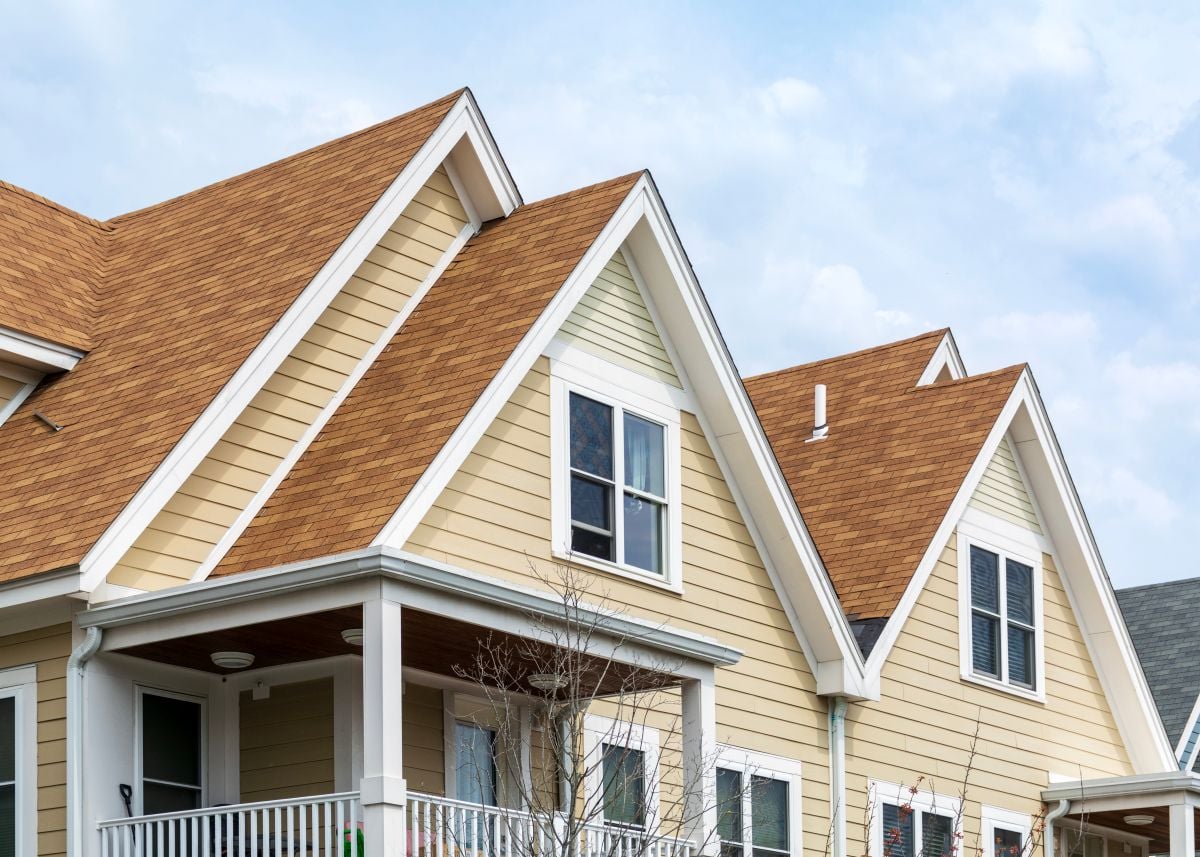
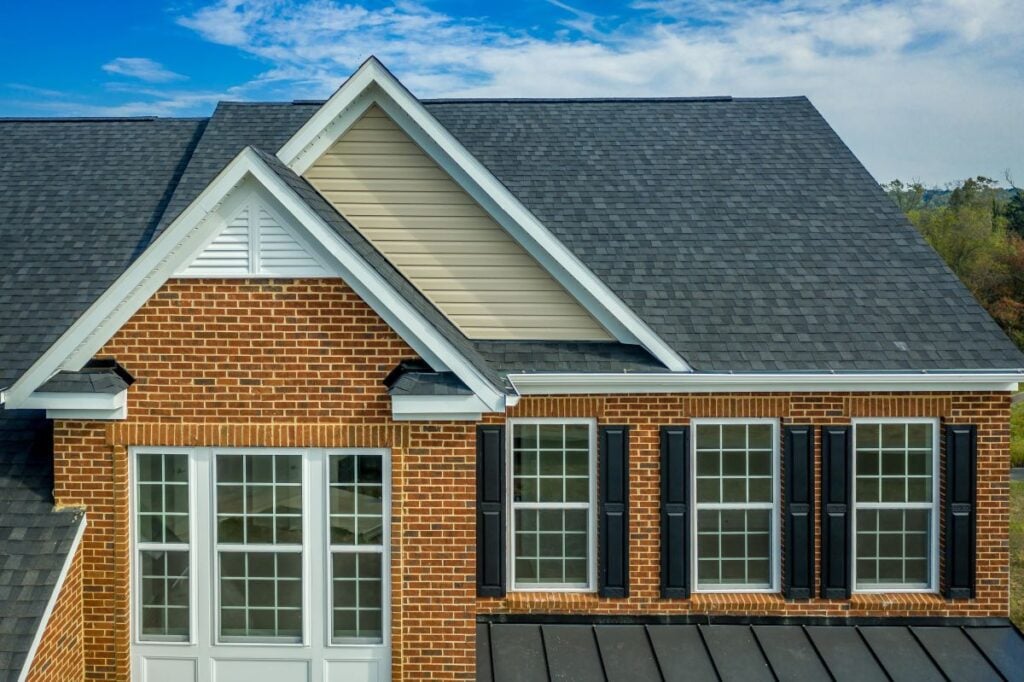
A pitched roofline adds architectural character that flat roofs typically cannot replicate. The visual variety of gables, dormers, and varying roof angles gives a home more personality and can meaningfully boost how it looks from the street, especially in neighborhoods where homes share similar lot sizes and layouts.
- Works well with a wide range of architectural styles
- Often considered a more traditional and desirable look by buyers
4. Better Ventilation Options
Pitched roofs accommodate a wider range of ventilation options, including ridge vents, soffit vents, and gable vents, all of which help regulate attic temperature and moisture. Good natural ventilation can reduce attic related energy loss by roughly 25 to 30 percent, which adds up over time on a utility bill. This kind of airflow is much harder to achieve on a flat roof design, which typically relies on more limited mechanical ventilation solutions.
5. Wider Material Choices
Because pitched roofs shed water so effectively, they can support a broader range of roof coverings, including asphalt shingles, concrete roof tiles, synthetic slate, wood shakes, roofing sheets, and metal panels. Flat roofs are far more limited in what materials can be used safely, since standing water places much greater demands on a roofing membrane’s waterproofing.
6. Long Term Durability
The combination of good drainage and material flexibility often translates into a longer overall lifespan for a pitched roof compared to a flat alternative. Depending on the materials used, a well built pitched roof is generally considered to have a life expectancy of 40 to 70 years. Fewer opportunities for standing water mean fewer opportunities for the kind of slow deterioration that shortens a roof’s useful life.
- Less exposure to pooling water reduces the risk of premature wear
- Sloped design also handles debris shedding more effectively
7. Reduced Risk Of Leaks
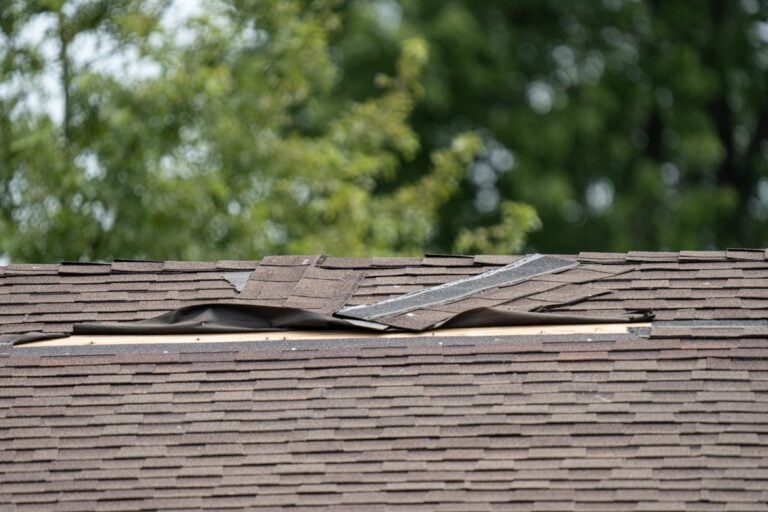
Because water moves off a pitched roof quickly, there is significantly less opportunity for it to find weak points and work its way underneath the roofing material. This lowers the overall risk of the kind of slow, hidden leaks that can cause serious interior damage before they are noticed.
8. Higher Resale Value
Homes with pitched roofs are often viewed more favorably by buyers, partly due to curb appeal and partly due to the practical performance benefits discussed above. A well maintained pitched roof can be a meaningful selling point during a home sale, sometimes even influencing how quickly a home moves off the market.
Taken together, these eight benefits explain why pitched roofs remain the default choice for the vast majority of residential construction. While flat roofs have their place in certain architectural styles, a pitched design offers advantages that are difficult to overlook for most homeowners weighing a new build or a full replacement.
Popular Pitched Roof Styles To Consider
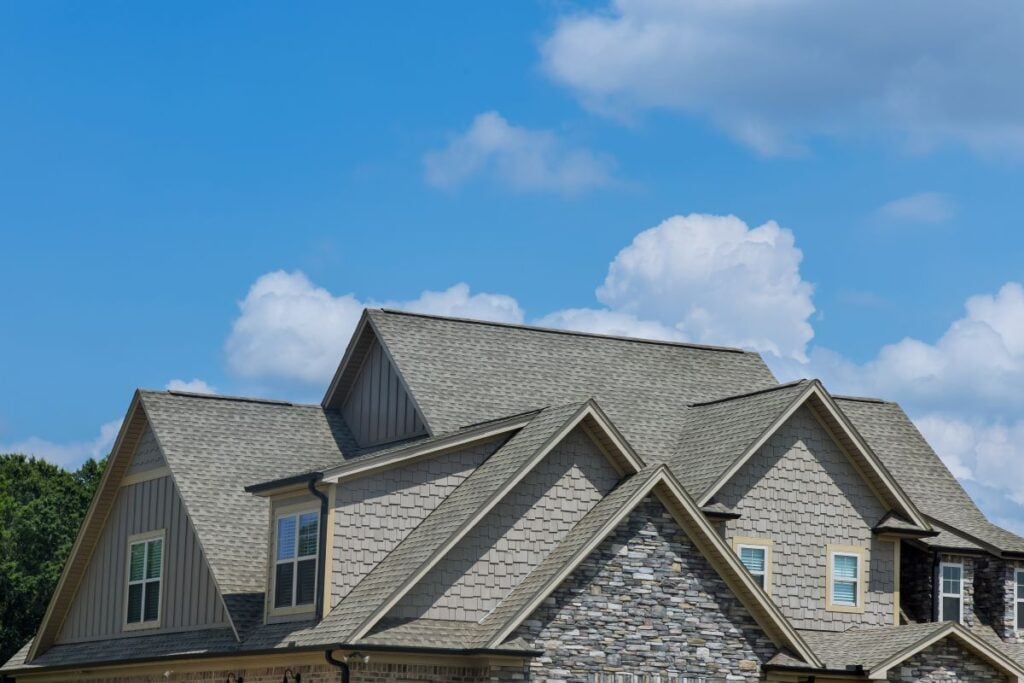
Not all pitched roofs look the same, and the specific style chosen affects both appearance and performance. Homeowners in McLean and surrounding areas have several options to consider depending on their home’s architecture and personal preference. Understanding the differences helps make the decision easier when planning a new build or replacement.
Gable Roofs
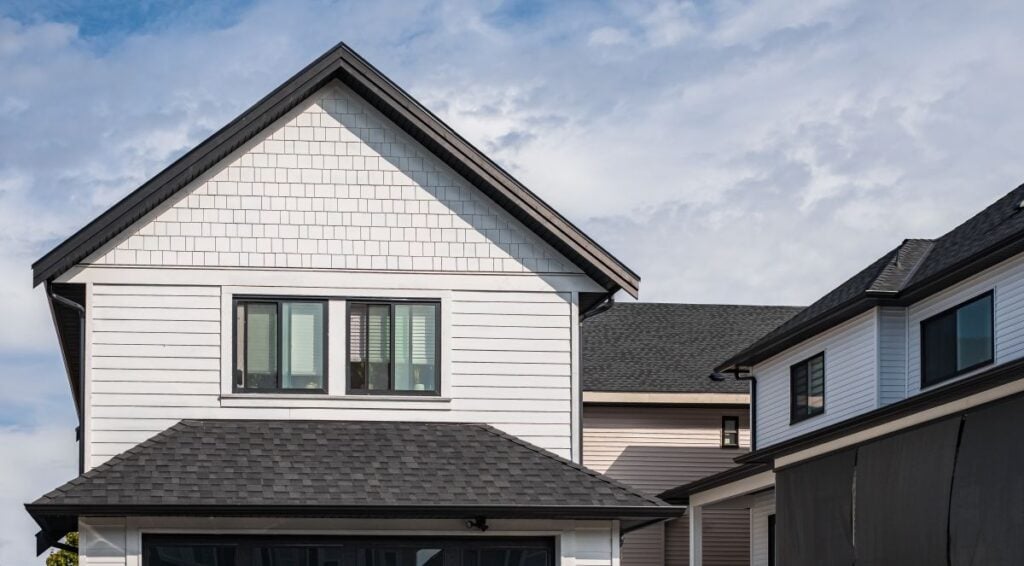
The classic triangular gable roof is one of the most common styles, offering excellent drainage, straightforward construction, and compatibility with most architectural styles found throughout the region.
Hip Roofs
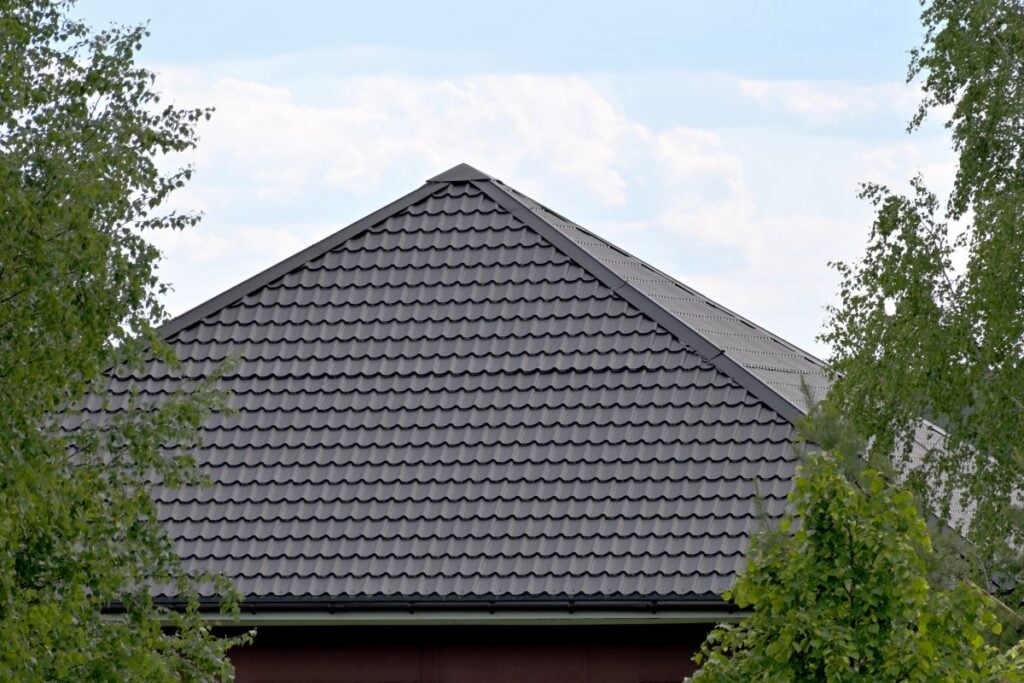
Hip roofs slope on all four sides rather than just two, offering strong wind resistance and a distinctive, more rounded appearance compared to a standard gable design. This added stability makes hip roofs a popular choice in areas that see frequent storms.
Gambrel Roofs
Often associated with barn style architecture, gambrel roofs feature two slopes on each side, maximizing interior space while still maintaining efficient drainage.
Mansard Roofs
Mansard roofs combine a steep lower slope with a flatter upper section, historically popular for adding an extra living level without changing a home’s overall height or requiring a full second story addition.
How Pitched Roofs Are Built
Beyond the visible style, the underlying structure plays a big role in how a pitched roof performs. Most modern homes rely on prefabricated roof trusses rather than individually cut rafters, since trusses speed up construction and provide consistent structural support across the full span of the roof. A truss system typically includes common rafters, ceiling joists, and a ridge point where opposing slopes meet, all resting on wall plates that distribute weight evenly along the building envelope.
- Dual pitched roofs: Two slopes meeting at a central ridge, the most common type used on residential homes
- Mono pitch or lean to roofs: A single sloped surface, often used for additions, sheds, or extensions where a shed roof design fits the space
- King post roofs: A traditional design using a vertical support post at the center for added stability across a wider span
- Purlin roofs: Horizontal structural members that add design flexibility and support over larger roof spaces
Understanding how a roof is framed, from the rafters and trusses down to the ceiling joists and wall plates, helps homeowners appreciate why proper roof construction matters just as much as the visible roof coverings on top. A well built structure protects the interior of the home and keeps the roof surface performing as intended for decades.
Choosing among these styles often comes down to a mix of personal taste, local architectural norms, and practical considerations like attic space or wind exposure. A roofing professional can help match the right style to a specific home and location, factoring in both appearance and how the design will actually perform over time.
Pitched Roofs Versus Flat Roofs
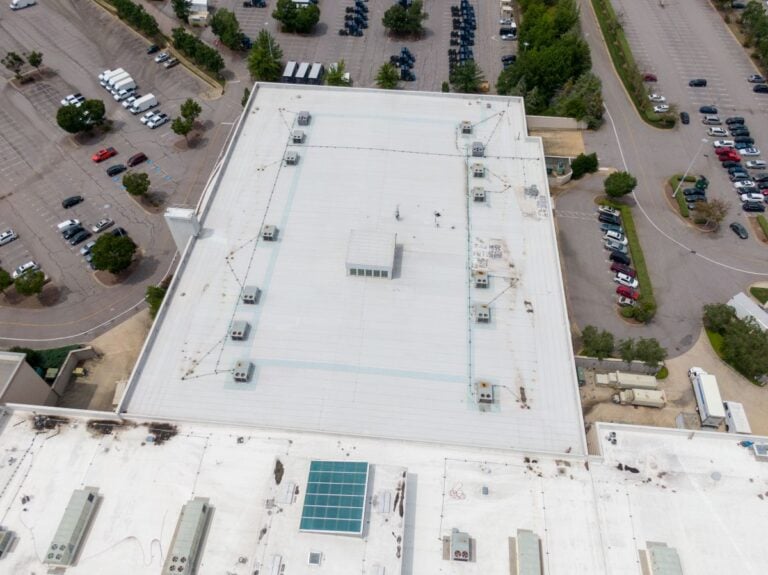
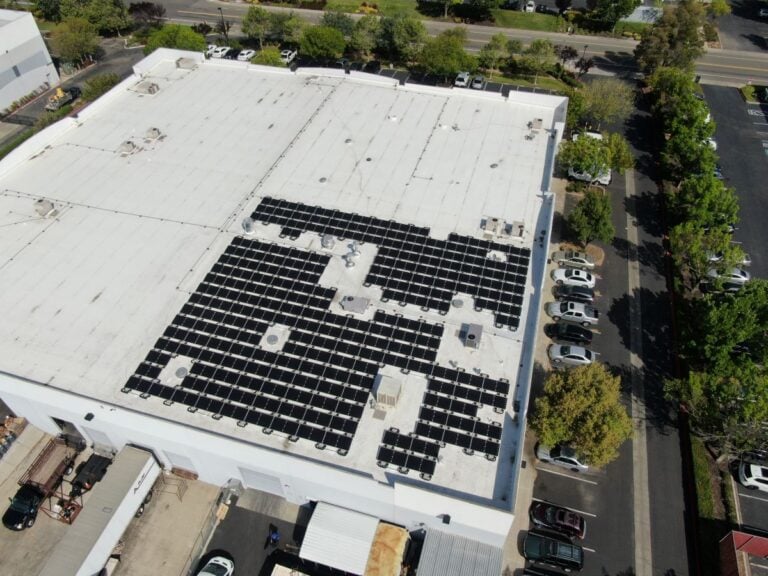
Comparing pitched and flat roof designs side by side highlights just how different their performance can be over time. While flat roofs have their place, especially in certain commercial or modern architectural applications, the tradeoffs are worth understanding before making a final decision for a residential home.
| Factor | Pitched Roof | Flat Roof |
| Drainage | Excellent, relies on gravity | Requires engineered drainage systems |
| Material options | Wide range available | More limited |
| Typical lifespan | Often longer with proper maintenance | Shorter without frequent upkeep |
| Attic or storage space | Usually significant | Minimal to none |
| Installation cost | Typically higher due to materials and labor | Generally quicker and less expensive to install |
Roofs are generally considered pitched once the slope exceeds about 10 degrees, with most designs using at least a 4 degree minimum angle to shed water effectively. For most residential homes, the practical and aesthetic advantages of a pitched roof make it the more common and often more sensible choice. Flat roofs still serve a purpose in specific architectural contexts, but they generally demand more maintenance to perform reliably over time, especially in climates with significant rain or snowfall.
Talk To Roof Troopers About Your Next Roof
Choosing a pitched roof brings real, lasting benefits, from better drainage and durability to increased attic space and stronger curb appeal. Whether building new or planning a replacement, understanding these advantages helps homeowners make a decision that pays off for years to come and holds up well against whatever weather the seasons bring.
Roof Troopers has helped homeowners throughout McLean and surrounding areas design and install pitched roofs suited to their homes and budgets. If you are weighing your options for an upcoming project, contact us today to talk through what makes sense for your home.
Don’t pay for your roof until 2027!
0% APR, same as cash for 24 months
Get Started Today!
"*" indicates required fields