
Every roof eventually reaches the end of its useful life, but the timeline varies more than most homeowners expect. Knowing how long does a shingle roof last helps with budgeting, planning for a future roofing project, and understanding when it makes sense to start paying closer attention to your roofing system’s condition. Several factors work together to determine roof longevity, and few of them are as simple as just counting years since installation. For homeowners in Alexandria and surrounding areas, understanding these factors can prevent costly surprises down the road.
What you’ll learn in this guide:
- Why understanding your roof’s expected lifespan matters
- The four biggest factors that determine how long a shingle roof lasts
- The warning signs that suggest your roof is nearing the end of its life
- How different shingle types compare on average lifespan
- When it makes sense to plan for a replacement
Why Your Roof’s Lifespan Matters
Most homeowners do not think much about their roof’s age until something goes wrong, but understanding where a roof stands in its lifecycle makes a real difference in how prepared you are. Knowing roughly how many years a roof has left helps with financial planning, maintenance decisions, and even home buying or selling down the line.
Homeowners throughout Alexandria and surrounding areas deal with a mix of humid summers, cold winters, and occasional severe weather, all of which affect how long a shingle roof holds up. Here is why paying attention to lifespan matters so much.
- Enables better budgeting: Knowing when replacement is likely lets homeowners plan and save ahead of time rather than facing an unexpected expense.
- Supports timely maintenance: Roofs nearing the end of their lifespan often need more frequent attention to avoid leaks and interior damage.
- Protects resale value: Buyers and inspectors both pay close attention to roof age during a home sale, and an aging roof can affect negotiations.
- Reduces storm damage risk: An aging roof is more vulnerable to wind, hail, and other storm damage than one that is properly maintained.
Understanding lifespan is not about anxiety over an aging roof. It is about making informed decisions early enough that a roof replacement, when it does become necessary, happens on your terms rather than as an emergency response to a leak or storm. A homeowner who tracks their roof’s age has far more flexibility than one who waits until a problem forces the decision.
4 Factors That Determine How Long A Shingle Roof Lasts
Not every shingle roof ages at the same rate, even among homes built around the same time and installed by similarly qualified crews. Several distinct factors combine to determine how long a specific roof will actually last, and understanding them helps homeowners set realistic expectations. Below are the four factors that matter most.
1. Material Quality And Shingle Type
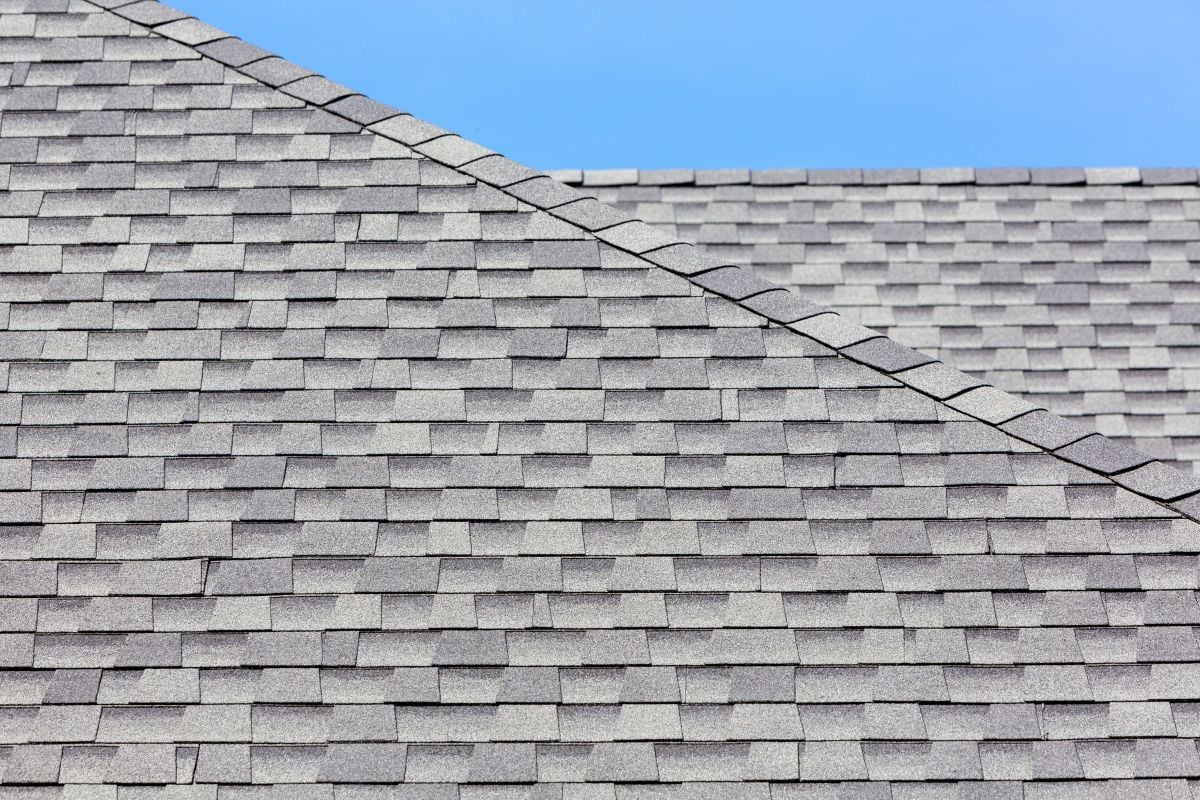
Not all asphalt shingle roofs are built the same way. Standard three tab shingles typically last around 15 to 20 years, while architectural shingles often reach 25 to 30 years thanks to their thicker construction. High quality shingles from manufacturers like Owens Corning, along with premium or designer lines, can push life expectancy even further under the right conditions, though they also come with a higher upfront cost that homeowners have to weigh against the extended lifespan. Homeowners comparing options sometimes also look at metal roofs or metal shingles, which tend to offer enhanced durability and strong wind resistance thanks to their lighter construction, or wood shakes, which bring a distinct look but generally require more maintenance over time.
- Thicker shingles generally resist wind and impact damage better
- Manufacturer warranties often reflect expected material lifespan
2. Installation Quality
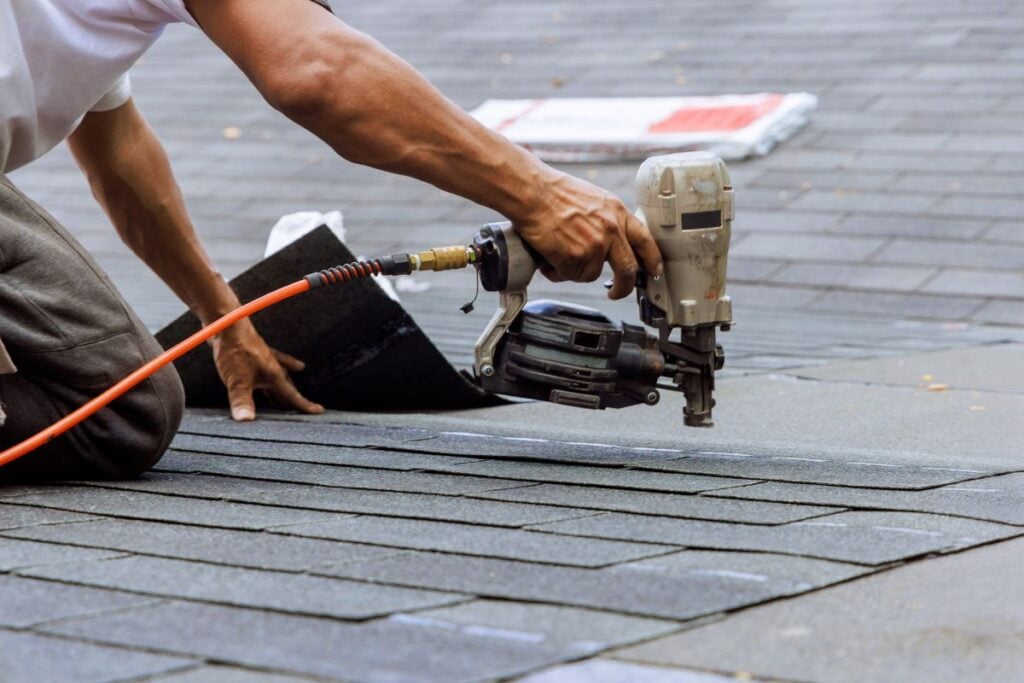
Even the best shingles will underperform if they are not properly installed. Proper nailing patterns, adequate underlayment, and correctly installed flashing all play a role in how long a roof holds up over time. When a shingle is installed correctly by a crew focused on professional installation, it performs much closer to its rated lifespan. A rushed or poorly executed installation can shave years off a roof’s expected lifespan regardless of material quality, which is why choosing an experienced crew matters just as much as choosing the right shingle.
3. Climate And Weather Exposure
Roofs in regions with intense sun, extreme heat, frequent storms, or significant temperature swings tend to age faster than those in milder climates. UV rays gradually break down the asphalt in shingles, while repeated freeze thaw cycles stress the roofing material in colder regions. Heavy rainfall and heavy snow both have a significant impact on how a roof ages in most climates, even when the shingles themselves are in otherwise good condition. Even within the same neighborhood, two roofs can age at noticeably different rates depending on weather conditions and how much direct sun or storm exposure each one receives.
- Homes with more direct sun exposure often see faster granule loss
- Frequent hail or high wind events can shorten lifespan considerably
4. Ventilation And Maintenance
A well ventilated attic with adequate ventilation helps regulate temperature and moisture levels, both of which directly affect how long shingles last. Without proper airflow, moisture buildup can lead to mold growth and cause shingles to deteriorate prematurely from underneath. Combined with regular maintenance, including keeping gutters clear, clearing debris, and trimming overhanging branches away from the roofline, adequate ventilation can meaningfully extend a roof’s useful life beyond the average estimate. Homeowners who stay consistent with these habits and schedule more frequent inspections when needed often get noticeably more years out of a properly maintained roof than those who let maintenance slide.
These four factors interact with each other constantly, which is why two seemingly similar homes can end up with very different roof lifespans. Algae growth, for instance, often shows up faster on roofs already weakened by poor ventilation or aging materials. A roofing professional who understands these important factors can give a much more accurate estimate than a generic average ever could, especially when they can inspect the roof in person and account for its specific history.
Signs Your Roof Is Nearing The End Of Its Lifespan
Recognizing the warning signs of an aging roof gives homeowners time to plan ahead rather than react to an emergency. Some signs are subtle and easy to miss, while others, like missing shingles or visible signs of wear, become obvious once you know what to look for. Roof pitch and layout can also affect where these signs show up first, since steeper or more complex roofs tend to reveal damage in different spots than simpler designs. Paying attention to both types helps homeowners in Alexandria and surrounding areas avoid getting caught off guard by a sudden leak or unexpected repair bill.
Granule Loss And Bald Spots
As shingles age, the protective granules on their surface begin to wear away, often collecting in gutters or at the base of downspouts. Bald patches where granules have completely worn off indicate the shingle has lost much of its protective capability, leaving the layer underneath more exposed to sun and moisture than it should be.
Curling Or Buckling Shingles
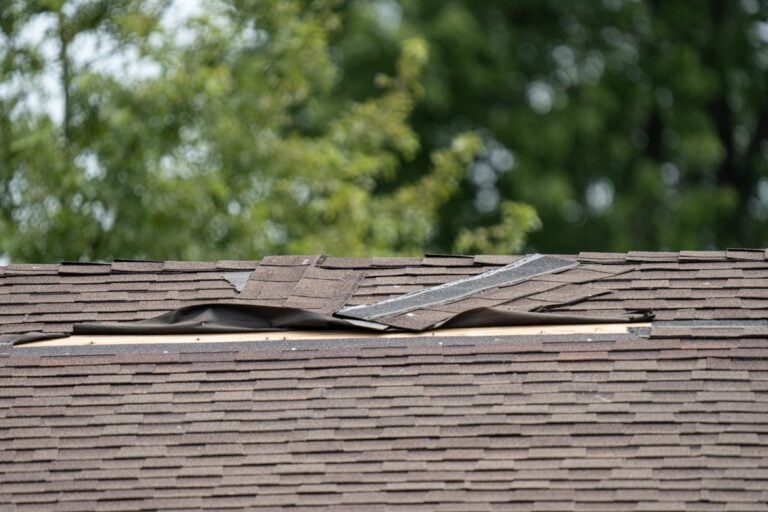
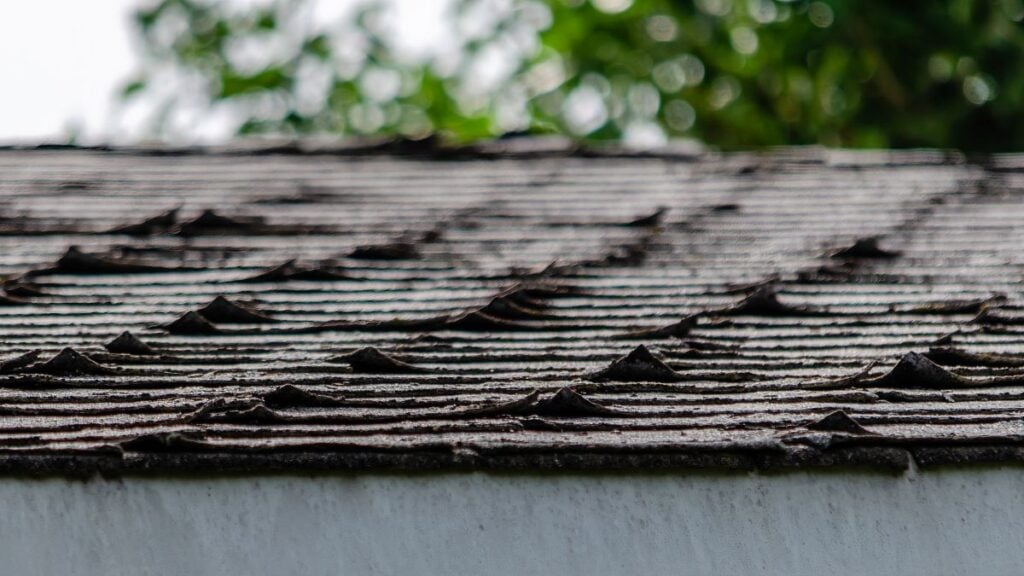
Shingles that curl at the edges or buckle in the middle are showing clear signs of age related deterioration. This kind of warping often means the shingle is no longer sealing properly against wind and water, which leaves the roof more vulnerable during the next storm.
Frequent Or Recurring Leaks
A roof that needs repeated roof repair for leaks, especially damaged shingles in different locations each time, is often signaling that it is nearing the end of its useful life rather than dealing with an isolated issue. At that point, continuing to patch individual leaks can end up costing more over time than planning for a full replacement.
Roof Age Alone
Even without visible damage, a roof approaching or exceeding its expected lifespan deserves closer attention. An inspection can determine whether the roof’s performance still meets expectations or whether replacement should be part of near term planning. Age alone is not always a perfect predictor, but it is one of the clearest starting points for that conversation.
Catching these signs early gives homeowners options that simply are not available once a roof fails outright, including time to compare contractors, materials, and financing choices without pressure.
Comparing Shingle Types And Average Lifespan
Not all shingle types age at the same pace, and understanding the differences helps homeowners set realistic expectations when planning a replacement. Cost, appearance, and durability all factor into which option makes the most sense for a given home. The table below offers a general comparison.
| Shingle Type | Average Lifespan | Typical Cost Level |
| Three Tab Asphalt | 15 to 20 years | Lower |
| Architectural Asphalt | 25 to 30 years | Moderate |
| Premium Designer Shingles | 30 plus years | Higher |
| Wood Shakes | 25 to 30 years | Moderate to Higher |
| Metal Roofs Or Metal Shingles | 40 to 70 years | Higher |
| Synthetic Slate Or Cedar | 30 to 50 years | Higher |
These figures represent general industry averages rather than guarantees, since actual lifespan always depends on installation quality, climate, and maintenance habits. Homeowners weighing a replacement should consider not just upfront cost but how long each option is realistically expected to perform, along with how that timeline lines up with how long they plan to stay in the home.
Plan Ahead With Roof Troopers
Understanding how long a shingle roof lasts helps homeowners make smarter decisions about maintenance, budgeting, and eventual replacement. Material quality, installation, climate, and upkeep all combine to determine where a specific roof falls on that timeline. Paying attention to the warning signs covered here means replacement never has to feel like a surprise, and it gives homeowners far more control over the timing and cost of the project.
Roof Troopers has helped homeowners throughout Alexandria and surrounding areas evaluate their roof’s condition and plan ahead with confidence. If you are unsure how much life your roof has left, contact us today for an honest assessment and clear guidance on next steps.
Don’t pay for your roof until 2027!
0% APR, same as cash for 24 months
Get Started Today!
"*" indicates required fields