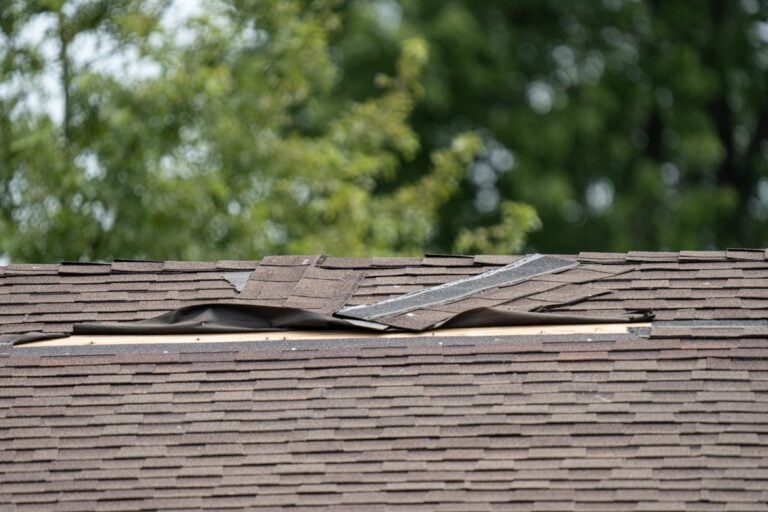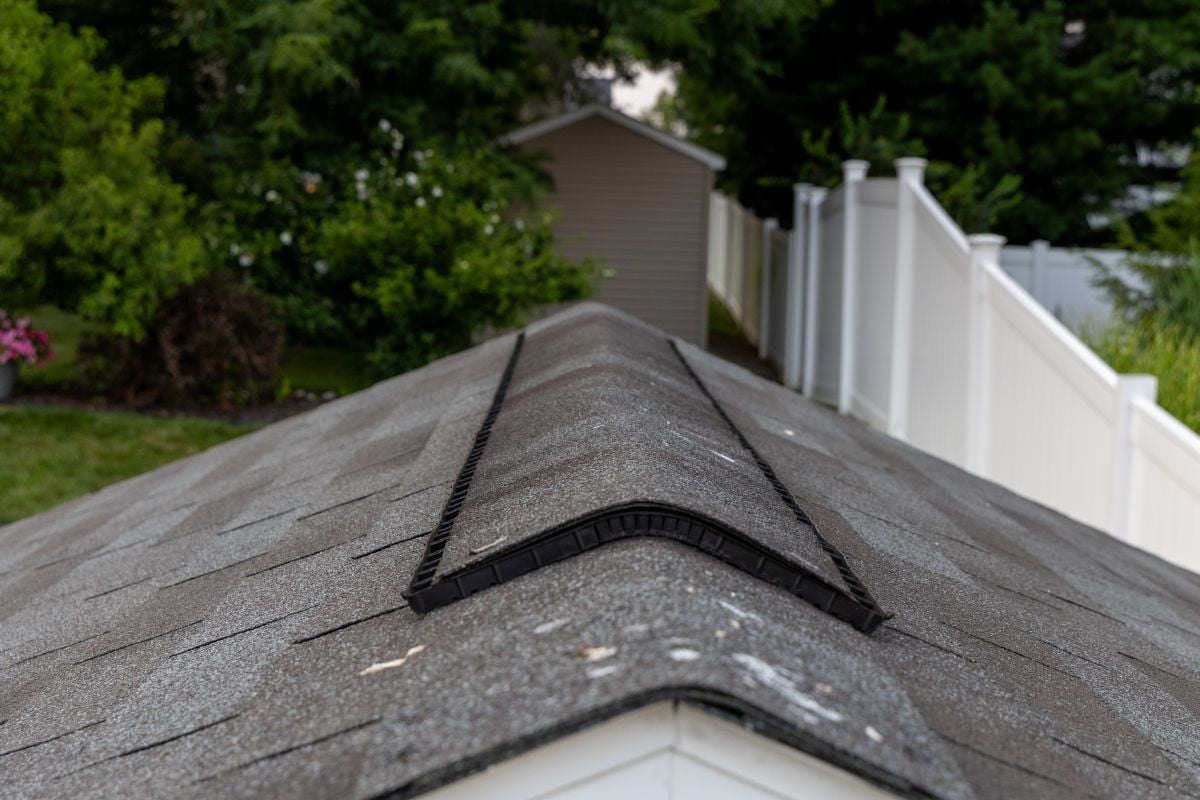

Attic airflow plays a bigger role in a home’s comfort and roof lifespan than most homeowners realize, and the type of vent installed makes a real difference. A ridge vent is one of the most popular options for improving that airflow on a sloped roof, running the full length of the roof’s peak to release trapped warm air and moisture before it can cause damage. Understanding how it fits into a broader roofing system helps homeowners in Mount Vernon and surrounding areas decide whether it is the right choice for their home.
What you’ll learn in this guide:
- Why attic ventilation matters for roof performance
- Five pros and cons of installing a ridge vent
- How a ridge vent actually works
- How ridge vents compare to other exhaust vent options
- What to consider before choosing a ventilation system
Why Ridge Vents Matter For Attic Airflow
An attic without proper attic ventilation creates problems that extend well beyond an uncomfortable upstairs room. Poor ventilation traps heat and moisture laden air against the wood decking underneath the shingles, often causing damage long before anything is visible from the outside. Without ridge ventilation or another reliable path for warm air to escape, homeowners can end up dealing with mold growth, ice dams in cold weather, or even insect infiltration around soffits and gaps where pests are drawn to trapped moisture. Ridge vents are one of the most effective tools for addressing this, since they provide continuous airflow along the entire ridge of the roof rather than relying on a single, isolated opening.
Homeowners throughout Mount Vernon and surrounding areas deal with hot, humid summers and cold winters, both of which put attic ventilation to the test in different ways throughout the year. Here is why getting this right matters so much.
- Reduces attic heat buildup: Continuous airflow helps prevent excessive summer heat from baking the underside of the roof deck and shortening shingle life.
- Limits moisture accumulation: A properly ventilated attic reduces condensation that can lead to mold, mildew, and rotted decking, including during colder months when warm indoor air rises into the attic.
- Extends shingle lifespan: A cooler, drier attic puts less stress on shingles from underneath, helping them reach their full expected lifespan.
- Helps reduce energy costs: Better attic airflow reduces strain on cooling systems during peak summer months and can lead to noticeable energy savings over time.
Choosing the right ventilation setup is not just a technical detail buried in a construction plan. It directly affects comfort, energy bills, and how long a roof lasts before major repairs become necessary, which makes it worth understanding the tradeoffs before committing to a specific vent type over any of the alternatives available.
5 Pros And Cons Of A Ridge Vent
Like most ventilation options, ridge vents come with clear advantages as well as a few limitations worth understanding before installation. Weighing both sides helps homeowners decide whether a ridge vent is the right fit for their specific roof, rather than assuming it works equally well on every home. Below are five key points to consider.
1. Pro: Continuous Even Airflow
Because a ridge vent runs the length of the entire ridge on a shingle roof, it provides continuous, even exhaust airflow rather than relying on a single concentrated opening. This tends to ventilate the attic more uniformly than options that rely on a handful of individual vents, which can leave some areas of the attic noticeably warmer than others.
- Reduces hot spots that can form near isolated vent locations
- Works especially well on longer roof ridgelines
2. Pro: Low Profile Appearance
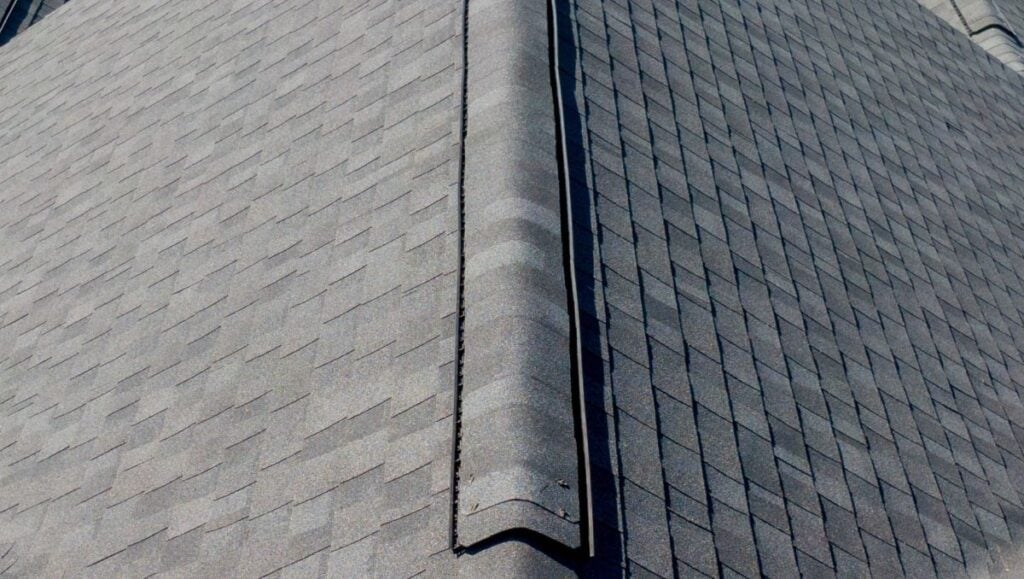
Ridge vents sit flush along the roofline and are covered with matching shingles, which makes them far less visible from the ground than bulkier alternatives like box vents or power vents. This appeals to homeowners who want effective ventilation without sacrificing curb appeal, especially on homes where roofline aesthetics were a major consideration during design.
3. Pro: Pairs Well With Soffit Vents
Ridge vents perform best when paired with adequate soffit intake vents, creating a balanced system that pulls cooler air in at the eaves and releases hot air at the peak. This combination is considered one of the most effective passive ventilation setups available, since it moves air continuously without relying on any mechanical components or ongoing electricity costs.
- No moving parts or electricity required
- Minimal maintenance once properly installed
4. Con: Not Ideal For Every Roof Shape
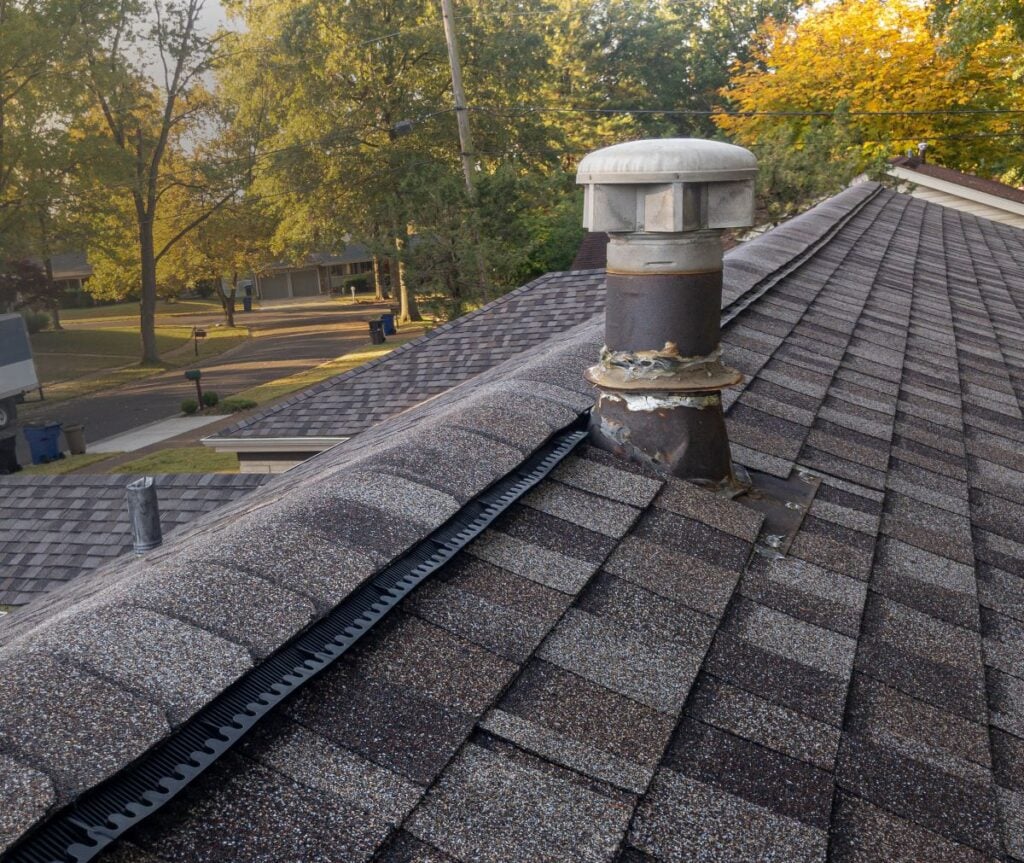
Ridge vents require a continuous ridge line to function effectively, which means roofs with complex shapes, multiple hips, or limited ridge length may not benefit as much from this option. In these cases, a combination of vent types often works better than trying to force a ridge vent onto a roof design that was not built to support one in the first place.

5. Con: Requires Proper Installation
A ridge vent that is not installed correctly can allow wind driven rain or snow to enter the attic, leading to water intrusion during storms or particularly windy conditions, which defeats the purpose of the ventilation system entirely. Choosing an experienced installer matters just as much as choosing the right vent type in the first place, since even a well designed vent can underperform or cause damage if the installation details are overlooked.
Weighing these three advantages against the two limitations, alongside the specific shape and needs of a home, makes it much easier to decide whether a ridge vent is the right fit. In many cases, the benefits outweigh the drawbacks, particularly for homes with long, uninterrupted roof ridges and adequate soffit intake already in place.
How A Ridge Vent Actually Works
Understanding the mechanics behind a ridge vent helps explain why it performs so consistently compared to other exhaust options. Rather than relying on a single opening, the entire length of the ridge becomes a continuous exhaust point for hot, moist attic air, which is part of what sets it apart from more localized ventilation choices.
The Basic Principle
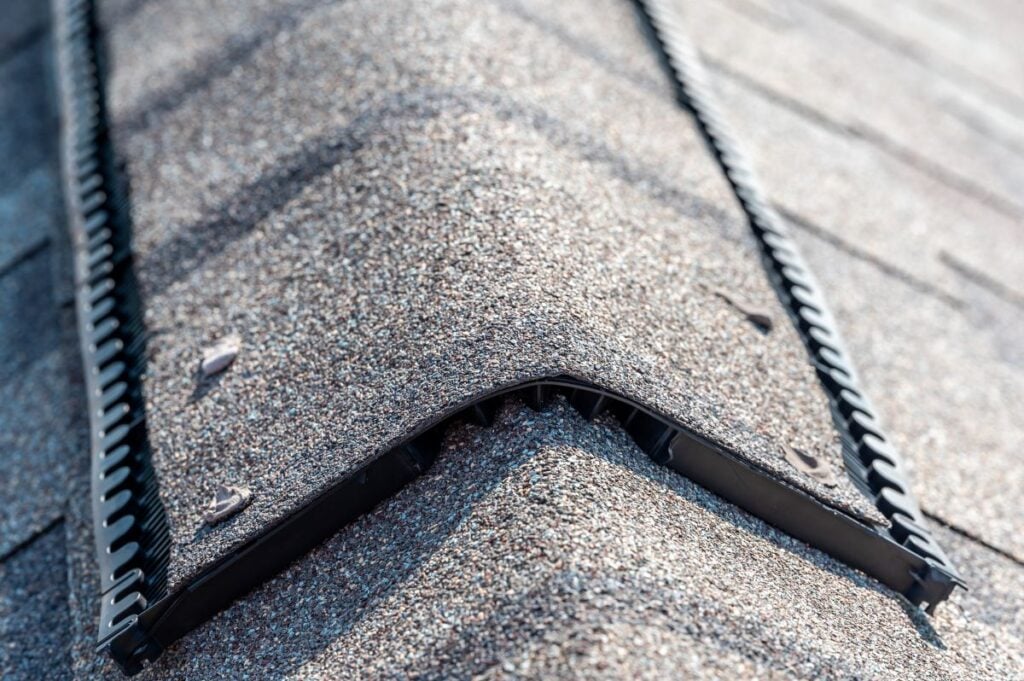
Warm air naturally rises and collects near the peak of the attic, especially above insulation that traps heat below the roof deck. A ridge vent creates a narrow opening along this peak, covered by a baffle that allows the attic to breathe while blocking rain, snow, and debris from entering the attic space below. This helps regulate temperature and helps the attic stay dry throughout the changing seasons.
Balancing Intake And Exhaust
For a ridge vent to work effectively, it needs enough intake ventilation, usually from soffit vents, to replace the air being released. Without sufficient intake, the system cannot pull enough fresh air through the attic space to make a meaningful difference, no matter how well the ridge vent itself is installed.
Installation Considerations
Installing a ridge vent typically involves cutting a gap along the ridge, securing the vent material, and covering it with matching cap shingles. Manufacturer installation instructions and data sheets specify the required net free area per linear foot to ensure enough exhaust capacity for the attic being ventilated, and a roofing contractor will size the vent accordingly rather than guessing. This process is best handled by an experienced roofing crew to ensure a proper seal against the elements, since even small gaps or misaligned cap shingles can lead to leaks down the line and undermine the whole point of the upgrade.
Getting these details right during installation prevents many of the common issues associated with ridge vents, including leaks and reduced airflow effectiveness over time. Proper protection at the ridge also matters for homes with finished attic living space, where dust and debris from a poorly sealed vent could otherwise work their way into occupied rooms below. A properly installed system should require little more than a periodic visual check as part of routine roof maintenance.
Ridge Vents Compared To Other Exhaust Options
Ridge vents are far from the only exhaust ventilation option available, and comparing them to alternatives helps put their advantages and limitations into perspective. Homeowners in Mount Vernon and surrounding areas often weigh these choices when planning a new roof or ventilation upgrade, especially when a roof’s shape rules out a full ridge vent installation.
| Vent Type | Maintenance Level | Best Suited For |
| Ridge Vent | Low | Long, continuous roof ridgelines |
| Box Vent | Very Low | Roofs where a ridge vent is not practical |
| Power Vent | Moderate | Larger attics or warmer climates needing extra airflow |
| Gable Vent | Low | Gable style roofs needing side wall ventilation |
No single vent type is automatically the right choice for every home. The best setup depends on roof shape, attic size, and climate, which is why a professional assessment from an experienced roofing contractor often produces better long lasting performance than guessing based on appearance alone or simply matching what a neighbor’s home already has installed. A trained eye can spot issues that are easy to overlook from the ground.
Talk To Roof Troopers About Attic Ventilation
A ridge vent offers a simple, low maintenance way to improve attic airflow, but it is not the right fit for every roof. Understanding both the benefits and limitations helps homeowners make a more informed decision before committing to a specific ventilation setup, rather than assuming one option works equally well for every home.
Roof Troopers has helped homeowners throughout Mount Vernon and surrounding areas evaluate their attic ventilation and recommend the right solution for their specific roof. Whether that means a ridge vent, a combination of vent types, or an entirely different approach, our team focuses on what will actually perform well long term. If you are considering a ridge vent or want to improve your home’s airflow, contact us today for an honest assessment.
Don’t pay for your roof until 2027!
0% APR, same as cash for 24 months
Get Started Today!
"*" indicates required fields