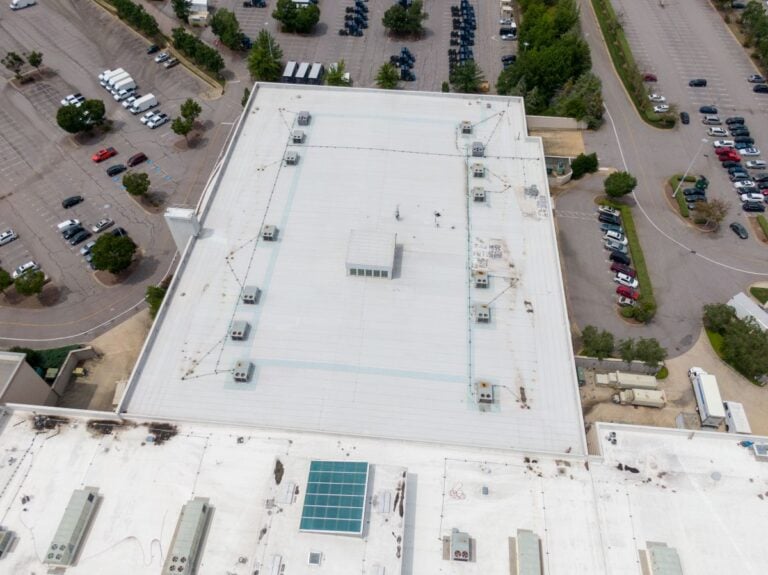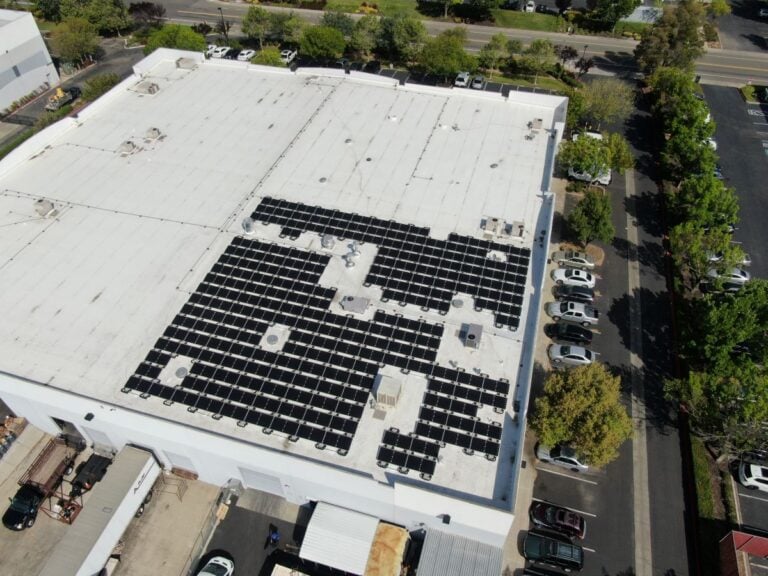

Water is the biggest threat to any home, and a flat roof house faces that threat more directly than most homes with a steeper design. A properly flat roof constructed with a slight slope, typically somewhere between one and ten degrees, has become a popular choice in modern home design, especially in urban environments where a flat roofing system can support usable outdoor space, solar panels, or simply a cleaner, more modern aesthetic. Without the slope that helps a pitched roof shed water quickly, flat roofs depend heavily on proper waterproofing to stay protected from rain, snow, and everyday moisture exposure. Understanding the options available, along with how a well maintained roofing system holds up over time, helps homeowners in Fairfax and surrounding areas keep their flat roof performing the way it should.
What you’ll learn in this guide:
- Why waterproofing matters so much for flat roof homes and how it protects the rest of the structure
- Four common waterproofing solutions to consider for a new or existing flat roof
- The warning signs that suggest a flat roof needs attention sooner rather than later
- How different waterproofing materials compare on lifespan and maintenance
- What to keep in mind when planning a flat roof project
Why Waterproofing Matters For Flat Roof Homes
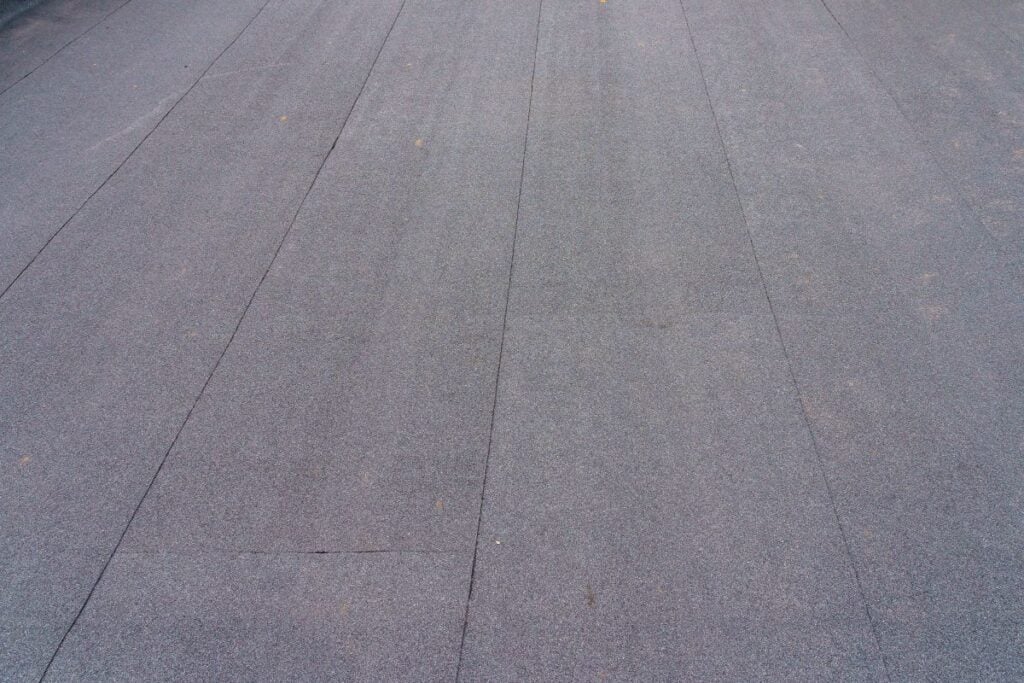
A flat roof relies entirely on its waterproofing layer to keep moisture out, since there is little to no slope to help water drain away naturally. Even small gaps, cracks, or worn spots in that layer can allow water to collect and eventually work its way into the structure below, sometimes causing damage that goes unnoticed until it becomes significant.
Flat roofs are generally cheaper to construct than sloped roofs and use fewer materials overall, which is part of why they remain popular for both residential buildings and additions like garages or covered patios. A flat roof design can also create a seamless indoor-outdoor living space, with large glass doors opening onto a terrace, and many homeowners use the extra space for a garden, a small patio, or even a green roof that integrates vegetation directly into the flat roofing system. That said, flat roofs are also more susceptible to high winds pulling at seams and heavy rainfall pooling on the surface than pitched alternatives, which makes reliable waterproofing even more important.
Homeowners throughout Fairfax and surrounding areas deal with a mix of heavy rain, humid summers, and occasional winter snow, all of which put extra demand on a flat roof’s waterproofing throughout the year. Here is why getting this right matters so much.
- Prevents interior water damage: A properly waterproofed roof keeps moisture from reaching ceilings, walls, and insulation, protecting the finishes and furnishings inside the home as well.
- Protects structural integrity: Water that reaches the roof deck or supporting structure can cause serious long term damage if left unaddressed, sometimes requiring repairs well beyond the roof itself.
- Extends roof lifespan: Quality waterproofing helps a flat roof reach or exceed its expected service life instead of failing years ahead of schedule.
- Reduces long term repair costs: Catching waterproofing issues early avoids the kind of extensive damage that gets expensive fast, including mold remediation and interior repairs.
Flat roofs are a practical and popular choice for many homes, but they require a different maintenance mindset than pitched alternatives. Understanding the waterproofing options available makes it much easier to keep a flat roof performing reliably for years to come, rather than discovering a problem only after water has already found its way inside.
4 Waterproofing Solutions For Flat Roof Homes
Choosing the right waterproofing material has a major impact on how well a flat roof performs over its lifetime and how much homeowners end up spending on repairs down the road. Most flat roof systems fall into a few broad categories, including single-ply membranes like EPDM, TPO, and PVC, along with modified bitumen and traditional built-up roofing made from multiple alternating layers. Each option comes with its own installation process, durability profile, and maintenance needs, which makes understanding the differences worthwhile before committing to a specific solution. Cost, climate, and how the roof is accessed and used all play a role in which material makes the most sense. Below are four of the most common approaches used today.
1. EPDM Rubber Membrane
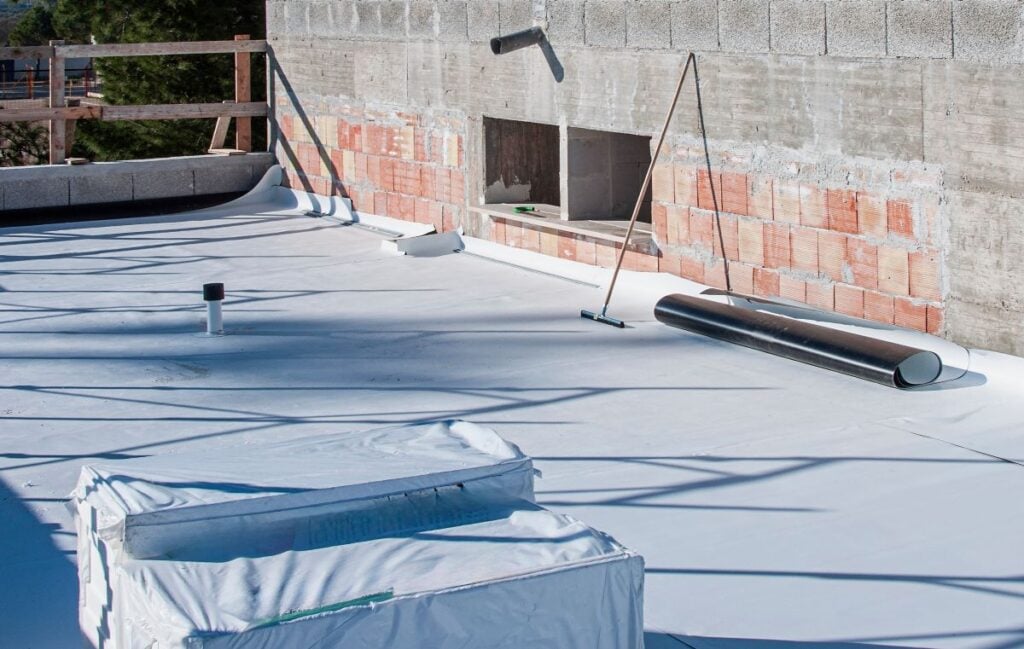
EPDM, a synthetic rubber roofing membrane, has long been one of the most popular waterproofing solutions for flat roofs due to its durability and relatively simple installation process. It resists UV exposure and temperature swings well, making it a reliable choice across a range of climates, and repairs are generally straightforward when small punctures or tears do occur.
- Typically installed in large sheets to minimize seams and reduce potential leak points
- Can last 20 to 30 years with proper maintenance and periodic inspection
2. TPO Roofing Membrane
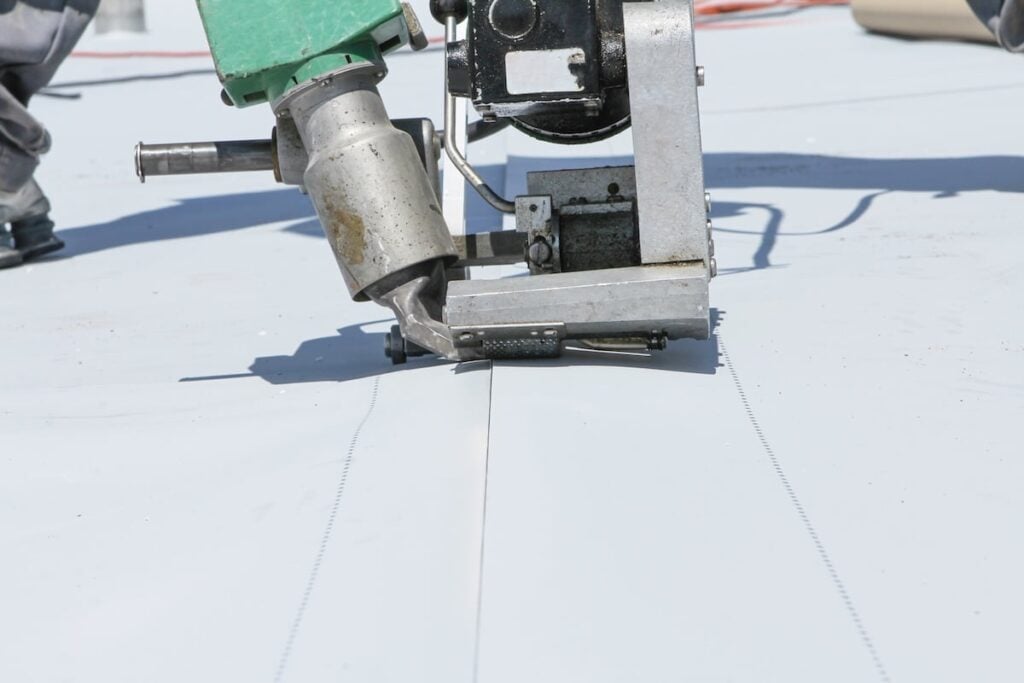
TPO, or thermoplastic polyolefin, is a newer alternative to EPDM that offers strong resistance to UV rays and reflects heat more effectively, which can help reduce cooling costs in warmer months. Seams are heat welded rather than glued, creating a strong, continuous barrier against water that many homeowners find more resistant to seam failure over time. PVC membranes are a related single-ply option known for excellent chemical resistance and high durability, making them a common choice for roofs exposed to grease or industrial byproducts, though they see less use on typical residential homes.
3. Modified Bitumen
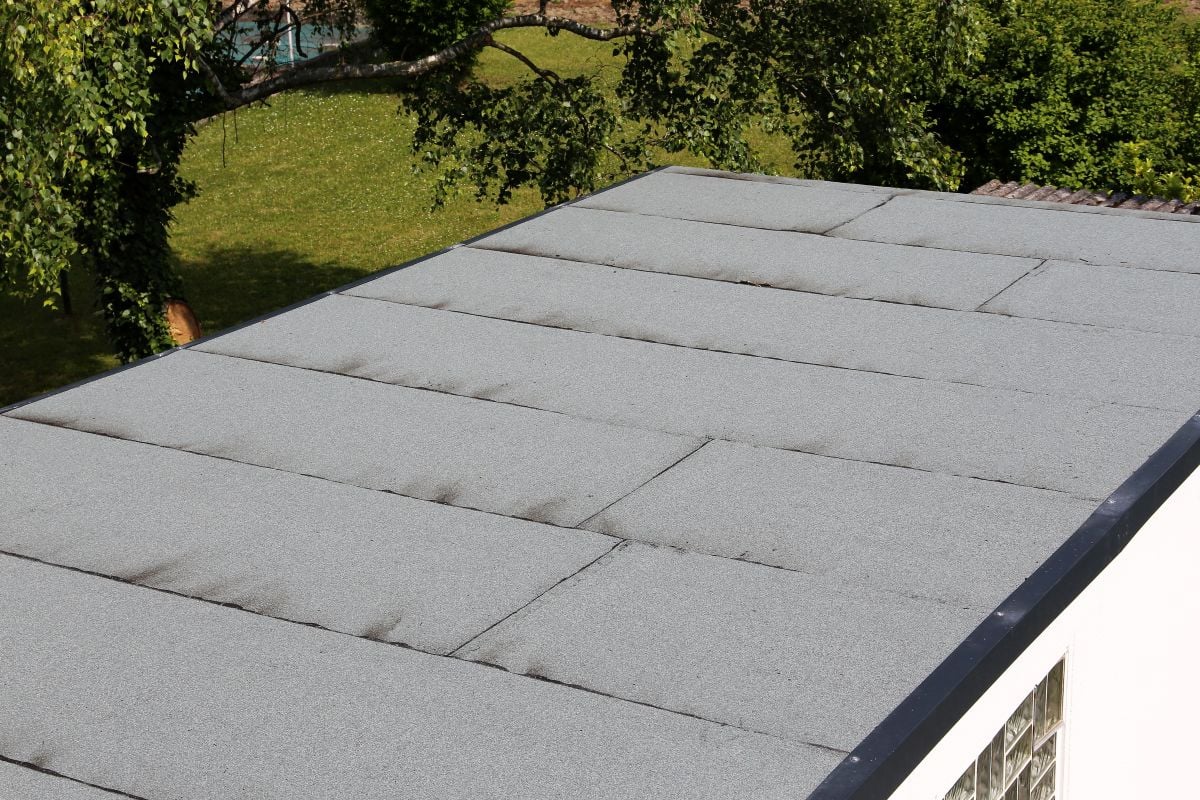
Modified bitumen combines traditional asphalt roofing with rubber or plastic polymers, creating a durable, flexible membrane that can be installed in multiple layers for added protection. First developed in the 1960s as an improvement on older asphalt based systems, it remains a proven option today. This option performs particularly well in climates with significant temperature fluctuations, since the added flexibility helps it handle expansion and contraction without cracking.

- Often installed using a torch, adhesive, or self adhering method depending on the roof
- Provides strong resistance to punctures and foot traffic on rooftops used for equipment access
4. Liquid Applied Waterproof Coating
Liquid applied coatings create a seamless, monolithic waterproof layer directly on the existing roof surface, making them a popular choice for renovations or roofs with complex shapes and penetrations. These coatings can also extend the life of an aging roof without requiring a full tear off, which often makes them a more budget friendly option for homeowners not ready for a complete replacement.
Selecting among these four solutions often comes down to budget, roof shape, and how long the homeowner plans to stay in the home. A roofing professional can help match the right waterproofing system to the specific needs of a flat roof, taking into account existing drainage, penetrations like vents or skylights, and how the roof is used day to day, including any planned rooftop equipment or foot traffic.
Signs Your Flat Roof Needs Waterproofing Attention
Recognizing early warning signs of waterproofing failure helps homeowners address problems before they become expensive repairs. Flat roofs often show subtle indicators well before an active leak develops, which makes routine inspection especially valuable, particularly after heavy storms or long stretches of freezing weather. Homeowners in Fairfax and surrounding areas should keep an eye out for the following signs.
- Ponding water. Water that remains on the roof surface more than 48 hours after rainfall can indicate drainage issues or a sagging roof deck that needs attention. Left unaddressed, standing water adds constant weight and pressure that can accelerate membrane breakdown over time.
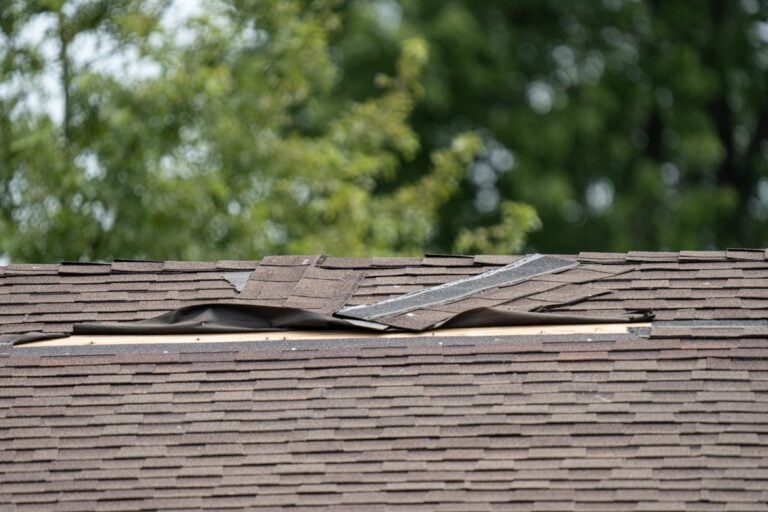
- Cracked or blistering membrane. Cracks, bubbles, or blisters in the waterproofing layer often signal that the material has begun to break down and may no longer provide reliable protection. These issues tend to worsen quickly once they start, especially under continued sun exposure.
- Discoloration or staining. Dark streaks or discoloration on the roof surface or ceilings below can indicate moisture is finding its way through the waterproofing layer, even if no active leak has appeared yet.
- Separated seams. Seams that have lifted, separated, or shrunk away from adjoining materials create direct pathways for water to enter the structure, and this issue tends to worsen with every subsequent storm.
- Interior condensation. Improper insulation placement underneath a flat roof can trap moisture and lead to condensation issues that look and feel similar to a leak, even when the waterproofing membrane itself is intact.
Catching these signs early gives homeowners time to address problems through targeted repairs rather than waiting for a full roof replacement to become the only option. A brief seasonal walkthrough, especially after major storms, is often enough to catch most of these issues before they escalate. Regular maintenance, including removing debris and inspecting the surface for cracks and punctures, goes a long way toward preventing several of these problems from developing in the first place.
Comparing Flat Roof Waterproofing Materials
Each waterproofing option brings its own balance of cost, durability, and maintenance requirements. Understanding these tradeoffs helps homeowners choose a solution that fits both their budget and their long term plans for the home, especially since the right choice can vary depending on how the roof is used and accessed. The table below offers a general comparison.
| Material | Average Lifespan | Maintenance Level |
| EPDM Rubber | 20 to 30 years | Low |
| TPO Membrane | 20 to 25 years | Low to Moderate |
| Modified Bitumen | 15 to 20 years | Moderate |
| Liquid Applied Coating | 10 to 15 years | Moderate to High |
These figures represent general industry averages, since actual performance always depends on installation quality, climate, and how consistently the roof is maintained. Homeowners weighing their options should consider not just upfront cost but how each material is expected to perform over the years ahead, including how easily it can be repaired if damage does occur.
Protect Your Flat Roof With Roof Troopers
Waterproofing is the foundation of a healthy flat roof, and choosing the right solution makes a real difference in how well a home stays protected from water damage over time. Whether installing a new roof or addressing signs of wear on an existing one, understanding these options helps homeowners make a more informed decision rather than waiting until a leak forces the issue.
Roof Troopers has helped homeowners throughout Fairfax and surrounding areas evaluate and maintain their flat roofs with waterproofing solutions built to last. Our team takes the time to assess drainage, existing membrane condition, and the specific demands of each roof before recommending an approach. If you have noticed any warning signs or want to discuss your options, contact us today for an honest assessment and clear guidance on next steps.
Don’t pay for your roof until 2027!
0% APR, same as cash for 24 months
Get Started Today!
"*" indicates required fields