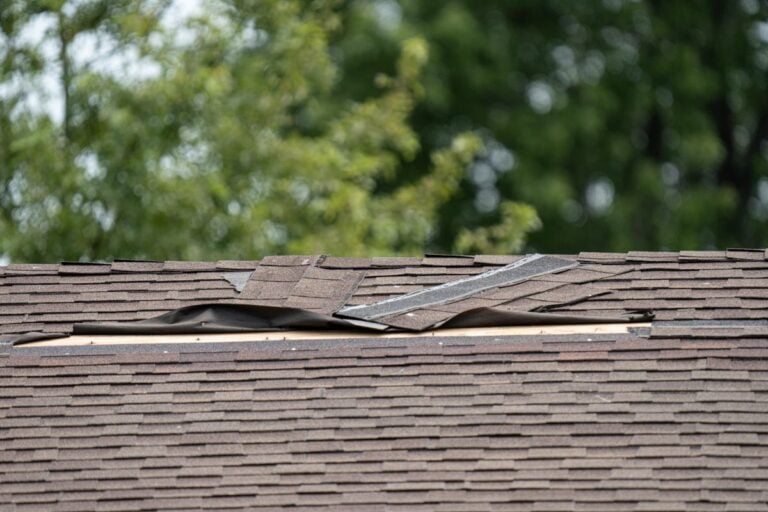

Shingles get most of the attention, but many roof leaks actually start at the thin strips of metal tucked around chimneys, vents, walls, and valleys. Understanding roof flashing types helps you see where your roof is most vulnerable and why small details make such a big difference. When flashing is installed correctly, water flows harmlessly off your home. When it fails, moisture sneaks into the roof deck, attic, and walls, and that’s a quick way to lose the dependable protection your home deserves.
Here’s a quick look at what this guide covers:
- Why flashing is one of your roof’s most important defenses
- Nine common flashing types and where each one goes
- The materials flashing is made from and how they compare
- Warning signs that your flashing needs attention
- Answers to common homeowner questions
Why Flashing Deserves More Attention Than It Gets
Your roof isn’t one continuous surface. It’s interrupted by chimneys, skylights, vent pipes, dormers, and roof valleys where two sloped roof planes meet, and every one of those roof penetrations creates a seam where water wants to get in. Proper flashing bridges those gaps with a watertight seal, and this helpful breakdown of how flashing works shows just how many areas of a typical roof depend on it. For homeowners in Falls Church and surrounding areas, heavy summer storms and winter freeze and thaw cycles put flashing to the test every year.
Here’s why getting flashing right matters so much:
- Leak prevention at weak points: Flashing protects the joints and penetrations where shingles alone can’t keep water out, preventing leaks before they start.
- Protection for hidden structure: Properly installed flashing keeps water intrusion away from the roof deck, rafters, insulation, and wall framing, protecting your home’s structural integrity.
- Longer roof life: When water stays on top of the roof and moves toward the gutters, shingles and underlayment last longer.
- Fewer costly surprises: Small flashing failures often cause slow leaks that go unnoticed until ceilings stain or mold growth appears.
Because flashing sits in such critical locations, even a small gap or loose piece can let water through. That’s exactly why roof flashing is important, and knowing the different types makes it easier to understand what your roofer is looking at during an inspection.
9 Common Roof Flashing Types and Where They Go
Each type of flashing on a roof is designed for a specific spot. Many roof features actually use several types together, layered in a way that sheds water down and away from the home.
1. Step Flashing
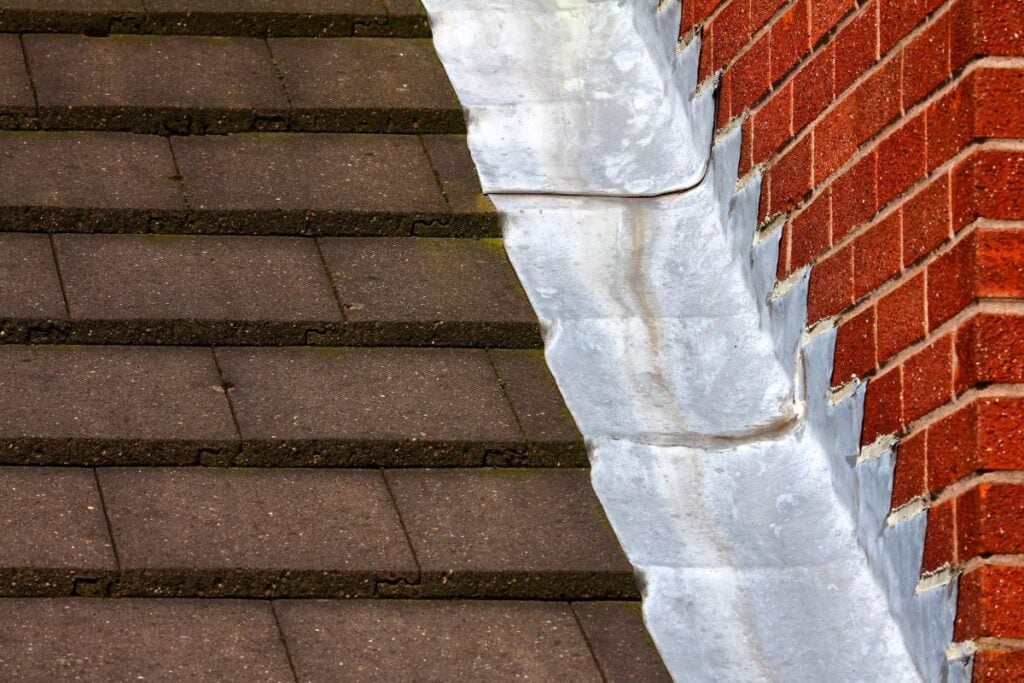
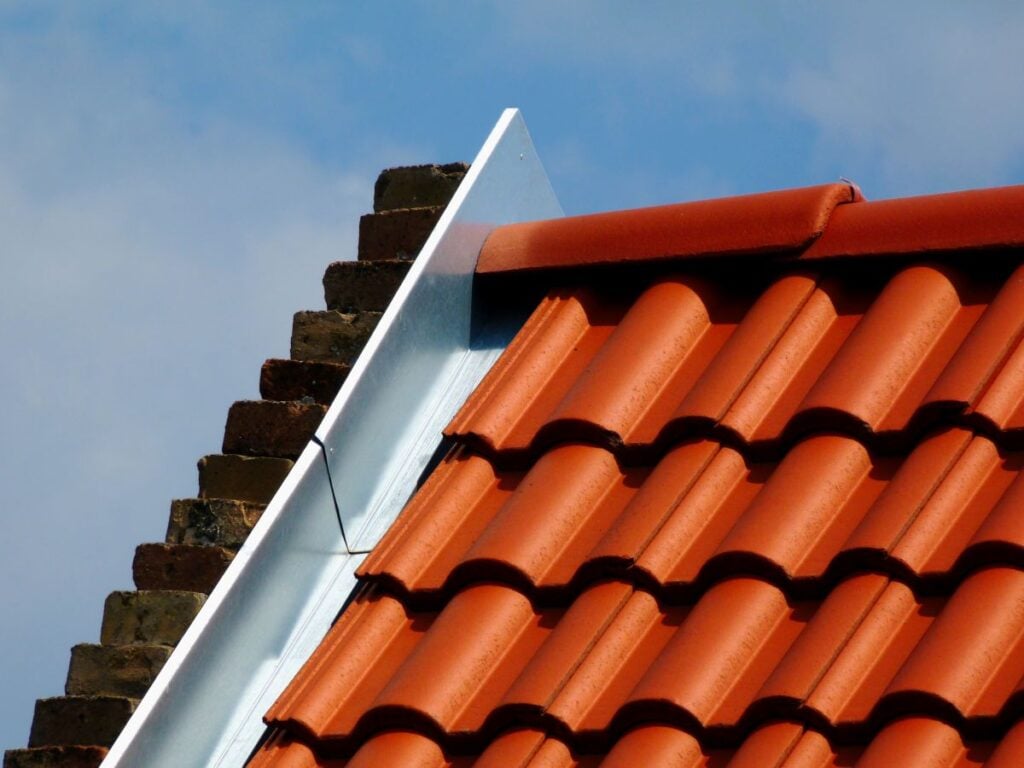
Step flashing is made of small, L shaped pieces installed where a sloped roof meets a vertical surface, such as the side of a dormer or a second story wall. Each piece is sized to the shingle exposure and overlaps the one below it as the shingles go up, creating a stepped pattern that sends water back onto the shingles.
2. Counter Flashing
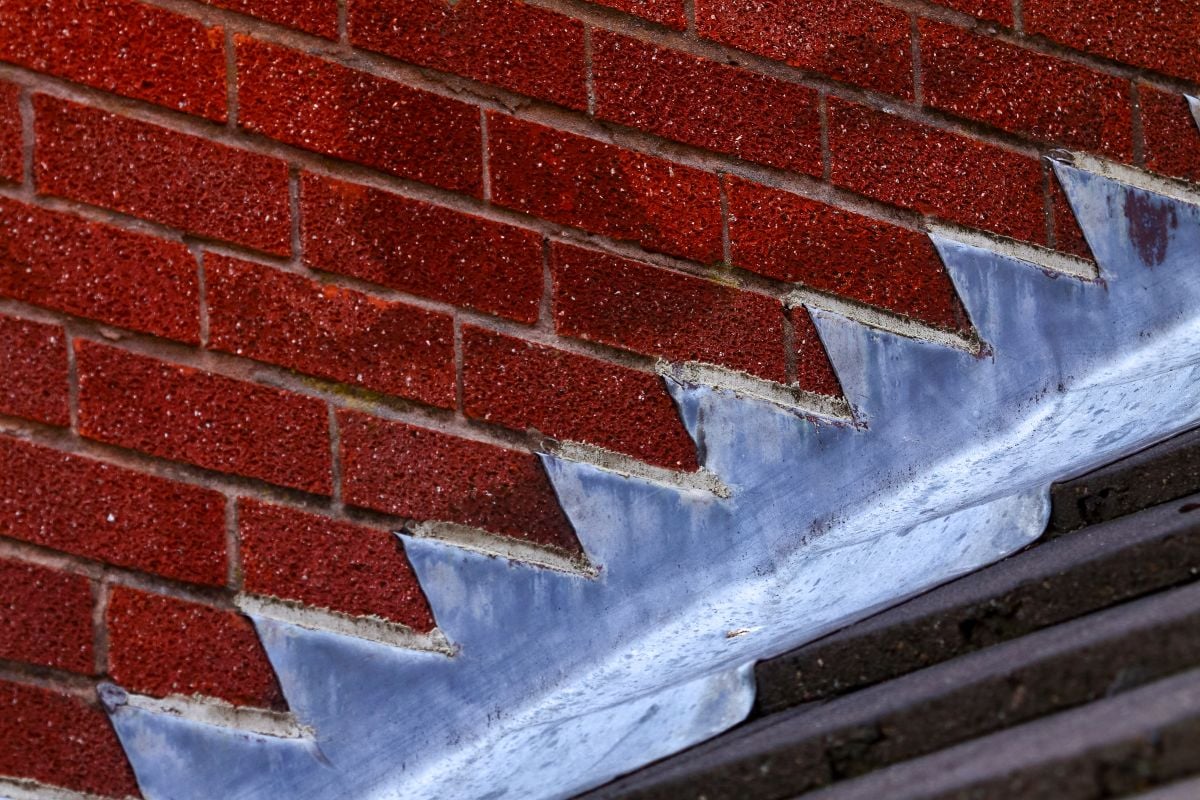
Counter flashing covers the top edge of step or base flashing, usually set into the mortar joints of a chimney or tucked behind siding. It creates a second layer of protection so water can’t run behind the flashing underneath.
3. Continuous (Apron) Flashing
Continuous flashing, sometimes called headwall flashing, is a single long piece that protects the joint where a roof plane meets the bottom of a wall, such as the front of a chimney or the base of a dormer wall. Longer runs need room to expand and contract with temperature changes, so proper installation matters.
4. Drip Edge
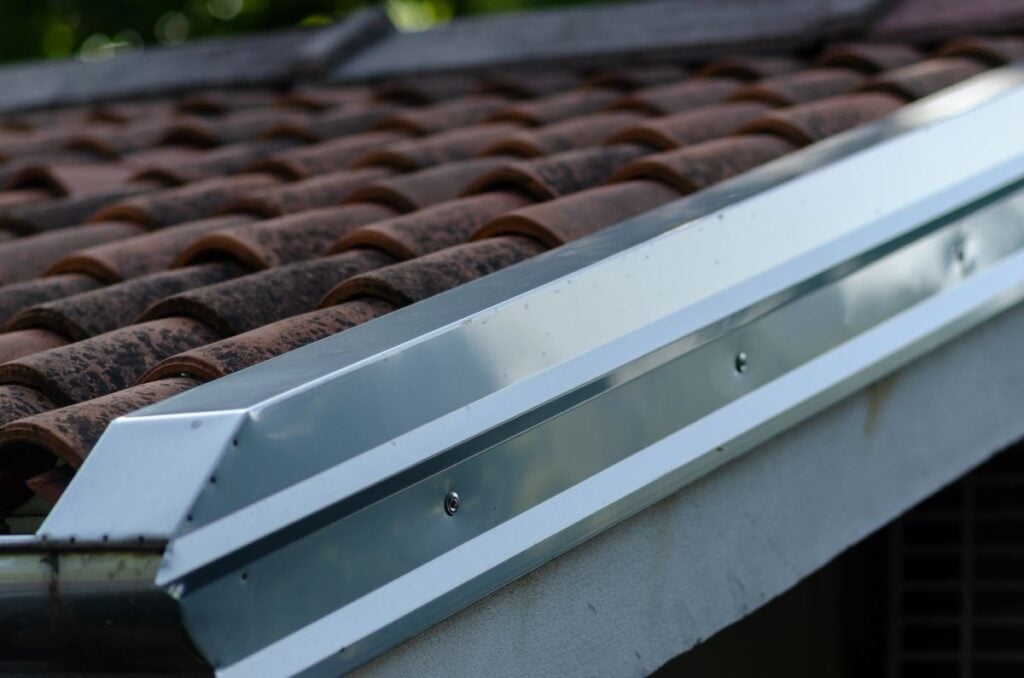
Drip edge flashing runs along the eaves and rakes of the roof. It directs water into the gutters and away from the fascia, while also helping keep wind driven rain from getting under the edge of the shingles.

5. Valley Flashing
Valleys are the channels where two roof planes meet, and they carry a large volume of water during storms. Open valleys use metal valley flashing, often with a center ridge, to move water quickly down the roof.
6. Chimney Flashing
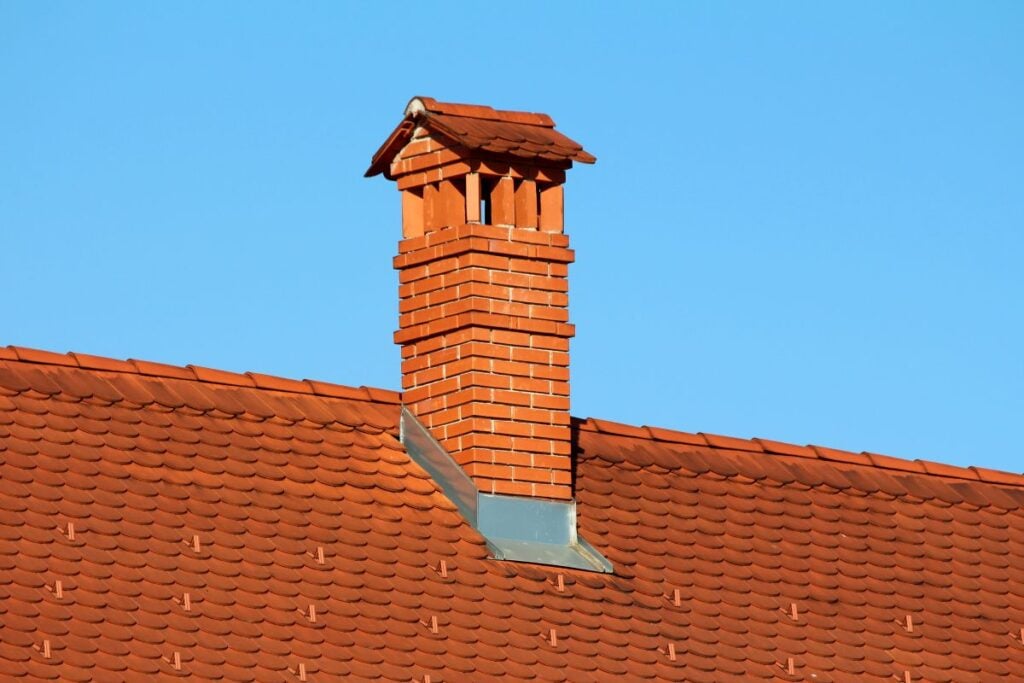
Chimney flashing is really a system rather than one piece. It typically combines several types working together:
- Apron flashing along the front of the chimney
- Step flashing up both sides
- Counter flashing set into the mortar joints
- A saddle or cricket behind wider chimneys to divert water
7. Vent Pipe Flashing
Plumbing vents and exhaust pipes pass straight through the roof, and each one needs a boot or collar matched to the vent pipe’s diameter to seal around it. Many vent boots use a rubber gasket that can crack and shrink as it ages in the sun.
8. Skylight Flashing
Skylights use a combination of head flashing across the top, step flashing along the sides, and sill or apron flashing at the bottom. Many skylight manufacturers offer flashing kits designed specifically for their units.
9. Kickout Flashing
Kickout flashing sits at the bottom edge of a roof where it meets a wall that continues past the roofline. It “kicks” water out into the gutter instead of letting it run down the siding, where it can rot sheathing and framing behind the wall.
From the ridge line down to the eaves, every roof has a different mix of these features, so no two flashing plans look exactly alike. Experienced roofers check each type during an inspection rather than focusing only on the roof’s surface.
Common Roof Flashing Materials and How They Compare
The material your flashing is made from affects how long it lasts, how it looks, and how well it handles Northern Virginia weather. Different types of roof, from steep slopes to a flat roof, call for different details, but most residential flashing is made from durable materials like metal, with some components using rubber or other flexible products.
- Aluminum: Lightweight, affordable, and easy to shape, aluminum flashing is a common choice for drip edge and step flashing. It shouldn’t come in direct contact with masonry or concrete unless it has a specialized coating, since those materials can corrode it.
- Galvanized steel: Steel coated with zinc offers strength and corrosion resistance at a reasonable price. It’s a popular option for valley flashing and other areas that handle heavy water flow.
- Copper: Copper is extremely durable and develops a distinctive patina as it weathers, eventually turning green. It costs more but can last for decades, which makes it a favorite for chimneys and higher end homes.
- Lead: Lead is soft and easy to form around irregular shapes, so it’s sometimes used for pipe collars and chimney work, though it’s less common in new installations.
- Rubber and synthetic materials: Vent pipe boots and some flexible flashing products use rubber or synthetic compounds that seal tightly but can break down from UV exposure over time.
- Roofing cement and sealants: These help seal nail heads and edges, but they work as a backup to metal flashing rather than a replacement for it.
The best material depends on the location, your roofing material, and your budget. On a metal roof, for example, flashing is usually matched to the panels to avoid corrosion between different metals. Matching flashing to your shingles and roof features ensures every part of the system ages at a similar pace.
Warning Signs Your Flashing Needs Attention
Flashing problems, whether from age or improper installation, often start small and stay hidden until water damage shows up inside. Knowing what to look for helps you catch issues before they turn into expensive repairs.
| Warning Sign | What It Often Means | Typical Next Step |
| Water stains near a chimney or skylight | Failed step, counter, or skylight flashing | Inspection and flashing repair |
| Rust or corrosion on metal flashing | Aging material losing its protective coating | Replacement of affected sections |
| Cracked rubber around vent pipes | Deteriorated vent boot | New vent boot or collar |
| Loose or lifted flashing pieces | Failed fasteners or sealant | Resecuring and resealing |
| Streaks or rot on siding below a roofline | Missing or faulty kickout flashing | Kickout installation and wall check |
| Damp attic sheathing near a wall | Water getting behind step or apron flashing | Flashing repair and decking check |
Many homeowners in Falls Church and surrounding areas notice flashing issues after a major storm or during spring cleanup. A quick look from the ground with binoculars can reveal obvious problems, but an inspection from a professional roofer is the safest way to know for sure.
It’s also worth noting that flashing is often replaced during a full roof replacement. Reusing old, worn flashing under brand new shingles can shorten the life of the entire roof, and local building codes also set requirements for details like drip edge that a roofing professional will follow.
Frequently Asked Questions About Roof Flashing Types
Flashing can be confusing because so much of it sits under or behind other materials. Here are straightforward answers to the questions homeowners ask most.
What is the most common type of roof flashing?
Step flashing and drip edge appear on most homes, along with vent pipe boots. Roof Troopers checks each of these during every inspection because they’re common sources of leaks.
How long does roof flashing last?
Metal flashing can last as long as the roof itself with professional installation, while rubber vent boots often wear out sooner. Roof Troopers looks for cracking, rust, and loose sealant to judge remaining life.
Can flashing be repaired without replacing the roof?
Yes, in many cases flashing can be repaired or replaced on its own. Roof Troopers will let you know honestly if the surrounding shingles are too worn to make a repair worthwhile.
Should flashing be replaced during a roof replacement?
In most cases, yes, because new flashing helps the entire roofing system perform as one. Roof Troopers includes a careful look at all flashing during every roof replacement estimate.
Is caulk a good substitute for flashing?
No, caulk and roofing cement support flashing but can’t create a lasting waterproof seal on their own. Roof Troopers uses sealant as a backup layer, never as the main defense against water.
Flashing questions often come down to the specific features and age of your roof. An inspection gives you clear answers based on what’s actually happening on your home.
Protect Every Seam of Your Roof
Flashing may be one of the smallest parts of your roof, but even the best roof can leak when it fails, which is why water infiltration so often starts at these seams. Roof Troopers is a family owned, BBB A+ accredited professional roofing contractor that uses drone inspections and attic checks to spot flashing problems early for homeowners in Falls Church and surrounding areas. Whether you need a quick vent boot replacement or new flashing as part of a full roof replacement, our team delivers honest recommendations and careful craftsmanship, and every repair comes with a 10 year workmanship warranty on the repaired area. If you’ve noticed stains, rust, or loose metal on your roof, contact us today to schedule a no obligation inspection.
Don’t pay for your roof until 2027!
0% APR, same as cash for 24 months
Get Started Today!
"*" indicates required fields