
Those dark streaks running down your shingles can make even a well kept home look tired and neglected. In most cases, algae on roof surfaces is the culprit, and it’s far more common than many homeowners realize. The good news is that algae usually isn’t an emergency. Still, understanding what causes it, how it affects your shingles, and how to remove it safely helps you protect the roof that keeps your family comfortable while keeping your curb appeal intact.
In this guide, you’ll find out:
- What those black streaks really are and why they matter
- Five common reasons algae takes hold on a roof
- How to clean algae safely without damaging shingles
- How algae compares to moss, lichen, and mold
- Answers to common homeowner questions
Why Those Dark Streaks Deserve Your Attention
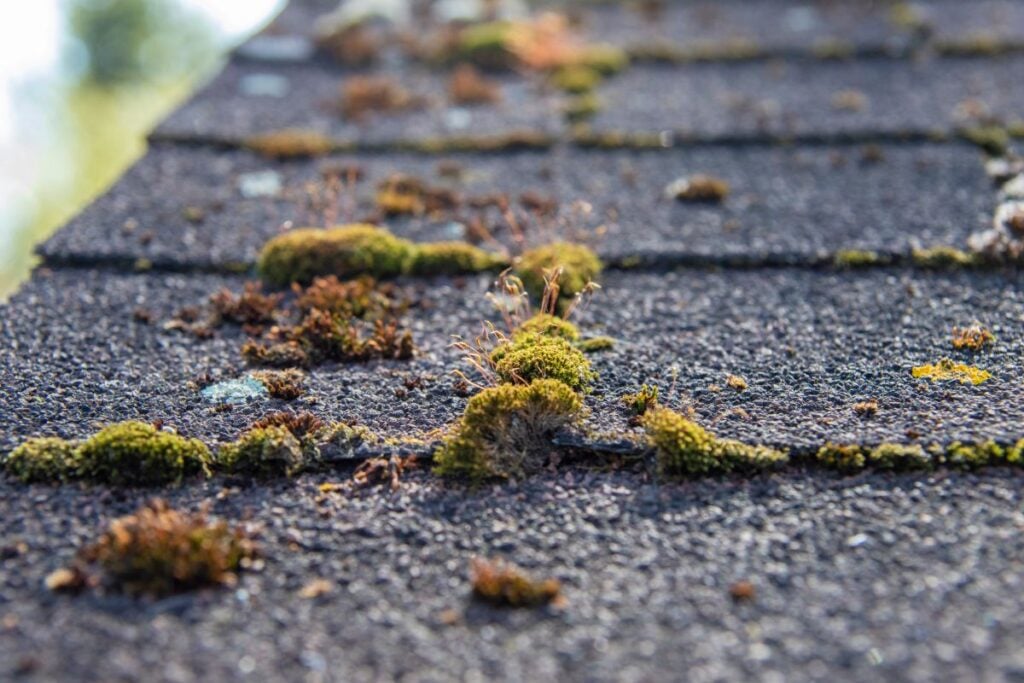
The black or dark green streaks on many asphalt roofs come from a type of airborne blue green algae known as Gloeocapsa magma. Algae spores travel on the wind, settle on shingles, and feed on the limestone filler used in many asphalt products, which explains why the black stains on a roof often spread from one home to the next across a neighborhood. Most homeowners assume the streaks are just dirt, but rain washes dirt away while algae stays put. Homeowners in Arlington and surrounding areas see algae often because humid summers and mature tree cover create ideal growing conditions.
Here’s why it’s worth keeping an eye on:
- Curb appeal and home value: Streaked shingles make a roof look older than it is, which can affect first impressions when it’s time to sell.
- Moisture retention: Algae holds moisture against the shingle surface, and over time that dampness can contribute to shingle deterioration and a shorter roof life.
- A foothold for other growth: Algae can make it easier for roof moss and lichen to settle in, and those organisms are tougher on shingles.
- Higher heat absorption: Darkened shingles absorb more heat, which can warm your attic and nudge up cooling costs during summer months.
On its own, algae is mainly a cosmetic issue rather than a sign of roof failure. That said, algae left untreated for years can open the door to roof damage and expensive repairs, so it pays to understand what’s encouraging it to grow in the first place. Once you know the cause, choosing the right cleaning and prevention plan becomes much easier.
5 Common Reasons Algae Grows on Your Roof
Algae doesn’t appear at random. It thrives under specific conditions, and most roofs with heavy streaking share a few of the factors below.
1. Warm, Humid Weather
Algae loves moisture and warmth. Northern Virginia’s long, humid summers, frequent rain, and morning dew give spores plenty of time to settle and multiply on shingle surfaces.
2. Shade and Overhanging Trees
Overhanging tree branches keep roofs cool and shaded, which slows how quickly shingles dry after rain. They also drop leaves, pollen, and organic debris that hold moisture and give algae even more to feed on.
- Overhanging branches resting directly above the roof
- Large trees blocking afternoon sun
- Leaf buildup in valleys and along the eaves
3. North Facing Roof Slopes
Slopes that face north get less direct sunlight, so they stay damp longer. That’s why many homeowners notice streaks on one side of the roof while the other side looks almost spotless.
4. Limestone Filler in Shingles
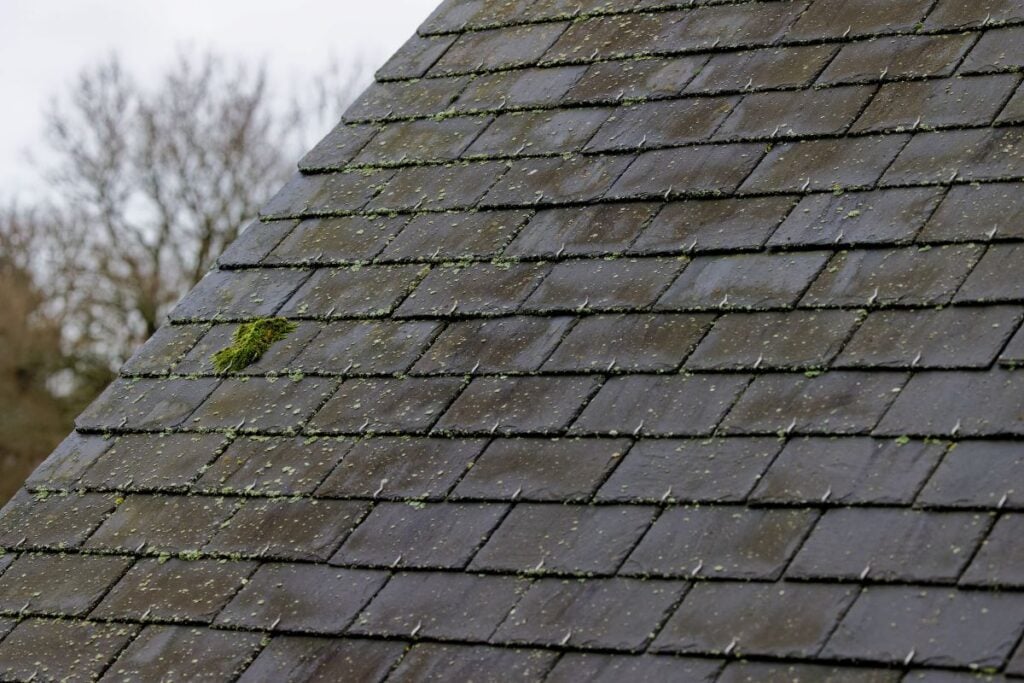
Many asphalt shingles contain limestone filler that adds weight and durability. Unfortunately, that same filler serves as a food source for algae, which is why older shingles without algae resistant protection often show the most staining. Light colored shingles tend to show the streaks most clearly, though algae grows on darker roofs too.
5. Trapped Moisture and Poor Drainage
Clogged gutters, debris in valleys, and poor attic ventilation can all keep moisture lingering on or under the roof surface. The longer shingles stay wet, the more inviting they become for algae growth. Poor attic ventilation can also cause condensation that keeps the roof deck damp from below, which wears down your roof in other ways as well.
Most roofs have a combination of these factors at work. Addressing even one or two, like trimming tree branches or keeping gutters clean, can slow future algae growth after cleaning.
How to Remove Algae Safely Without Harming Your Shingles
Algae cleaning is very doable, but the method matters more than most people expect. The wrong approach can strip protective granules and shorten the life of your roof faster than the algae ever would.
Use a Gentle Cleaning Solution
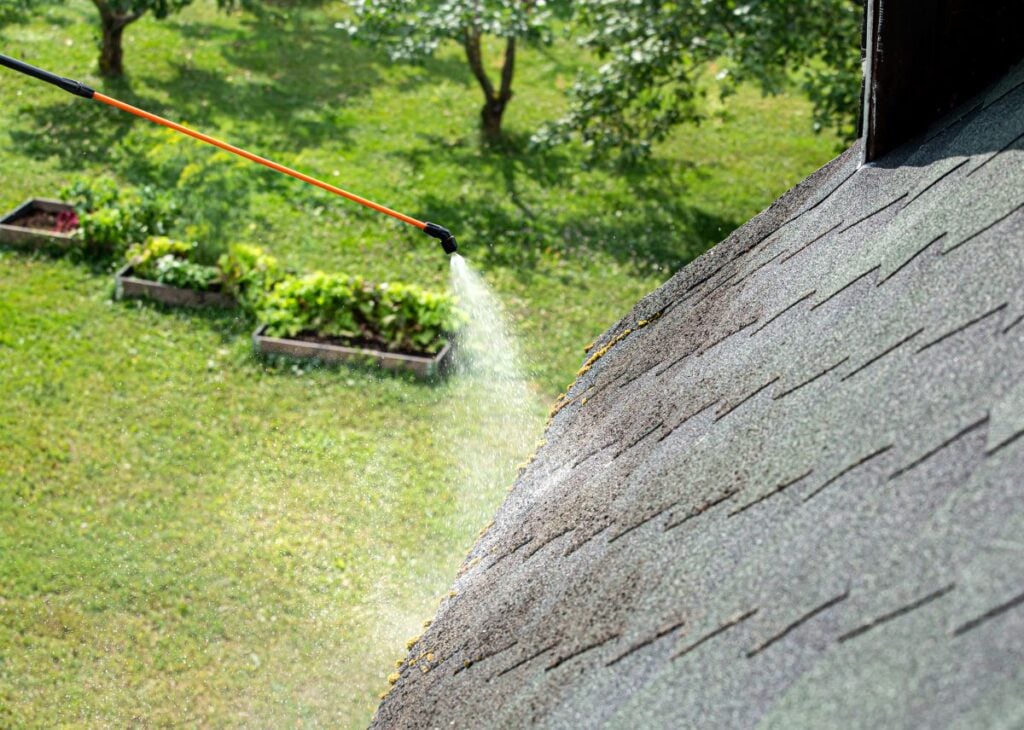
The safest approach is a low pressure application of a cleaner approved for asphalt shingles, often a diluted chlorine bleach and water mixture or a manufacturer recommended product. The solution is applied with a pump sprayer, allowed to sit, and then rinsed gently with a garden hose.
Avoid Pressure Washing
It’s tempting to power wash a stained roof, but high pressure water blasts granules right off the shingles. Those granules protect the asphalt from UV rays, so losing them can lead to faster wear, curling, and leaks down the road.
Protect Plants and Surfaces Below
Cleaning solutions can harm surrounding plants, so wetting plants beforehand and covering them during treatment helps protect them. It’s also smart to protect siding, decks, and walkways from runoff.
Leave Steep or High Roofs to Professionals
Roof surfaces become slick when wet, and cleaning solutions make them even more slippery. For two story homes or steep slopes, hiring a professional is the safest option.
Plan for Long Term Prevention
Cleaning removes existing algae, but it doesn’t stop new spores from arriving. Preventing algae growth takes a mix of prevention strategies and regular roof maintenance:
- Installing zinc strips or copper strips near the ridge
- Trimming branches to let in more sunlight
- Keeping up with gutter maintenance and clearing debris from valleys
- Choosing algae resistant shingles with copper granules during your next roof replacement
Many algae resistant shingles, including options from manufacturers like CertainTeed, include copper treated granules that slow algae growth for years. If your roof is approaching replacement age anyway, that upgrade can solve the problem at the source. A professional cleaning or inspection also gives your roofer a chance to spot loose shingles, worn flashing, or other issues that are easy to miss from the ground.
Algae vs. Moss, Lichen, and Mold: Knowing the Difference
Not every dark or green patch on a roof is algae, and different types of growth affect shingles in different ways. Knowing how to identify algae versus other growth helps you choose the right response.
| Growth Type | What It Looks Like | Effect on Shingles | Typical Response |
| Algae | Black or dark streaks running down the slope | Mostly cosmetic, can hold moisture | Gentle cleaning and prevention |
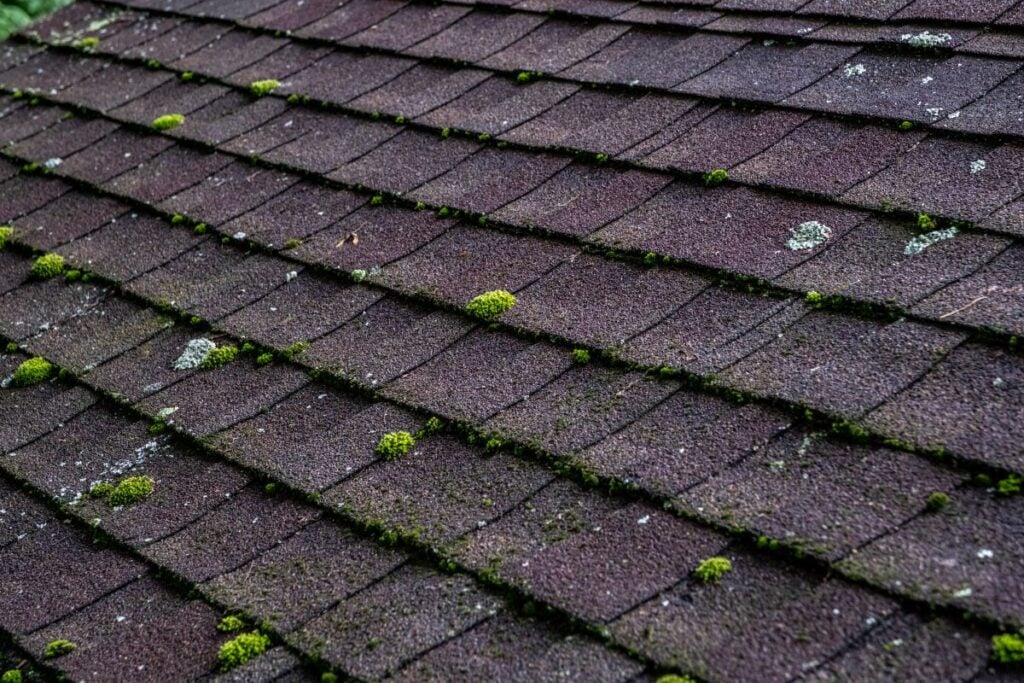
| Moss | Green, fuzzy clumps, often in shaded areas | Lifts shingles and traps water | Careful removal and shingle inspection |
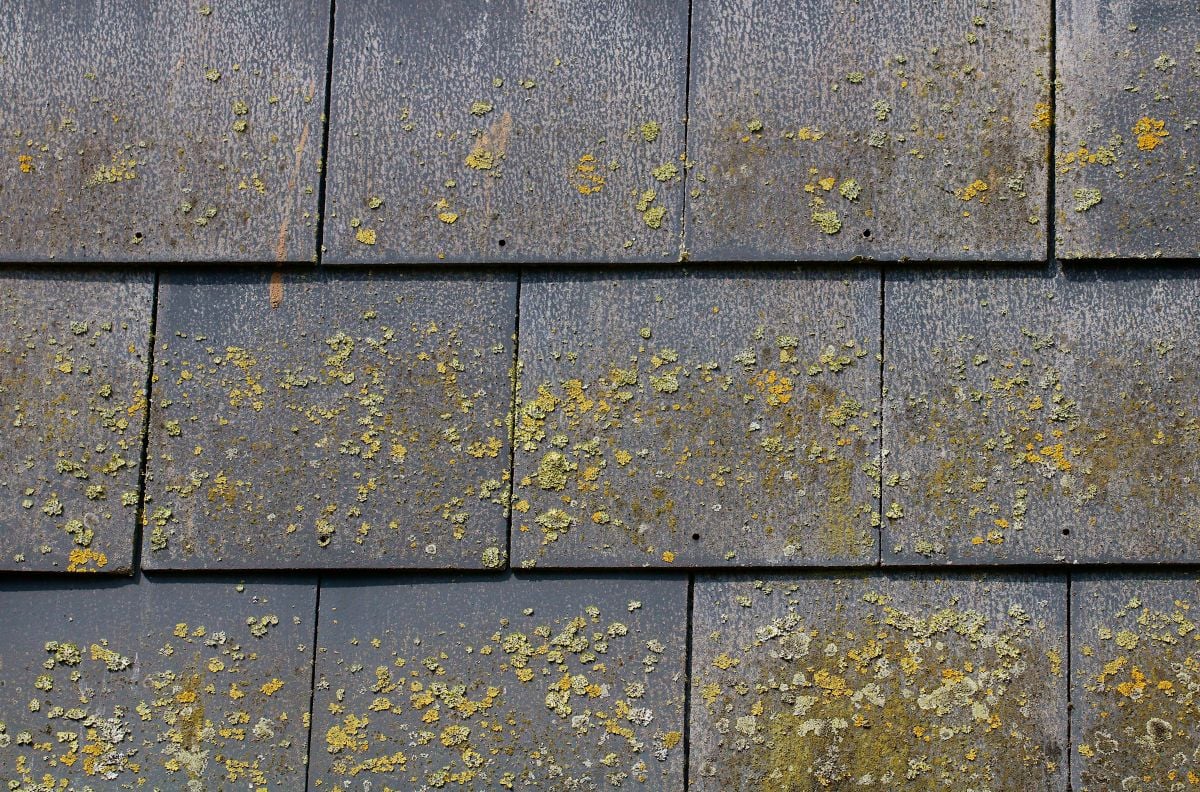
| Lichen | Crusty, flat patches in gray, green, or yellow | Clings tightly and can damage granules | Professional treatment |
| Mold or mildew | Fuzzy spots, usually on wood or in attics | Signals moisture problems | Find and fix the moisture source |
Unlike algae, moss and lichen deserve faster attention because moss growth and lichen can physically lift or damage shingles. Mold inside the attic is also a warning sign, since it usually points to a ventilation or leak issue rather than surface growth.
If you’re unsure what you’re looking at, a professional inspection can clear things up quickly. Many homeowners in Arlington and surrounding areas discover during an inspection that what looked like algae was actually moss or lichen hiding in shaded valleys.
Frequently Asked Questions About Algae on Roof Shingles
Algae raises a lot of practical questions, especially for homeowners noticing streaks for the first time. Here are quick answers to the ones that come up most often.
Is algae on my roof harmful?
Algae is mostly cosmetic and isn’t considered a health risk, but it holds moisture and can encourage moss and lichen over time. Roof Troopers can check whether the shingles underneath are still in good shape.
Does algae mean I need a new roof?
Not usually, since algae alone rarely requires replacing an existing roof. Roof Troopers will tell you honestly if your roof has other age related issues that make replacement the smarter choice.
Can I clean algae off my roof myself?
It’s possible on low, single story roofs using a gentle cleaner and no pressure washer. Roof Troopers recommends leaving steep or two story roofs to professionals for safety.
How long does it take for algae to come back?
Without steps to prevent algae, it can return within a few years, especially in shaded and humid areas. Roof Troopers can recommend prevention steps that fit your home and surroundings.
Do algae resistant shingles really work?
Yes, algae resistant shingles slow growth significantly, though protection may lessen over many years. Roof Troopers installs premium shingles from trusted manufacturers, including algae resistant options.
Every roof faces a slightly different mix of sun, shade, and moisture. A quick inspection helps you understand what’s growing on your roof and what to do about it.
Keep Your Roof Clean, Healthy, and Protected
Algae and moss may start as cosmetic issues, but staying ahead of them helps protect your shingles, your roof’s lifespan, and your home’s curb appeal for years to come. Roof Troopers is a family owned, BBB A+ accredited roofing contractor that uses drone inspections to give homeowners in Arlington and surrounding areas a clear view of what’s happening on their roofs. We’ll explain whether you’re dealing with moss and algae or something more serious like wind damage, and if replacement makes sense, we’ll walk you through algae resistant shingle options that fit your style and budget. If you’ve noticed streaks on your shingles, contact us today to schedule a no obligation inspection.
Don’t pay for your roof until 2027!
0% APR, same as cash for 24 months
Get Started Today!
"*" indicates required fields