
Small cracks, warped panels, and loose sections might seem like cosmetic issues, but siding repair often addresses problems that go far deeper than what is visible from the curb. Understanding how a contractor evaluates damage and decides on the right fix can help homeowners feel more confident heading into a project, especially when weighing repairs alongside other exterior work that might be worth tackling at the same time. Knowing what to expect also makes it easier to ask the right questions and avoid paying for more work than a home actually needs.
Here’s a short breakdown of what this guide covers:
- Why addressing siding damage promptly matters
- The most common types of damage contractors look for
- How a professional inspection and assessment typically works
- How repair compares to full siding replacement
- Answers to common questions about the repair process
What’s Really at Risk When Siding Damage Sits Unfixed
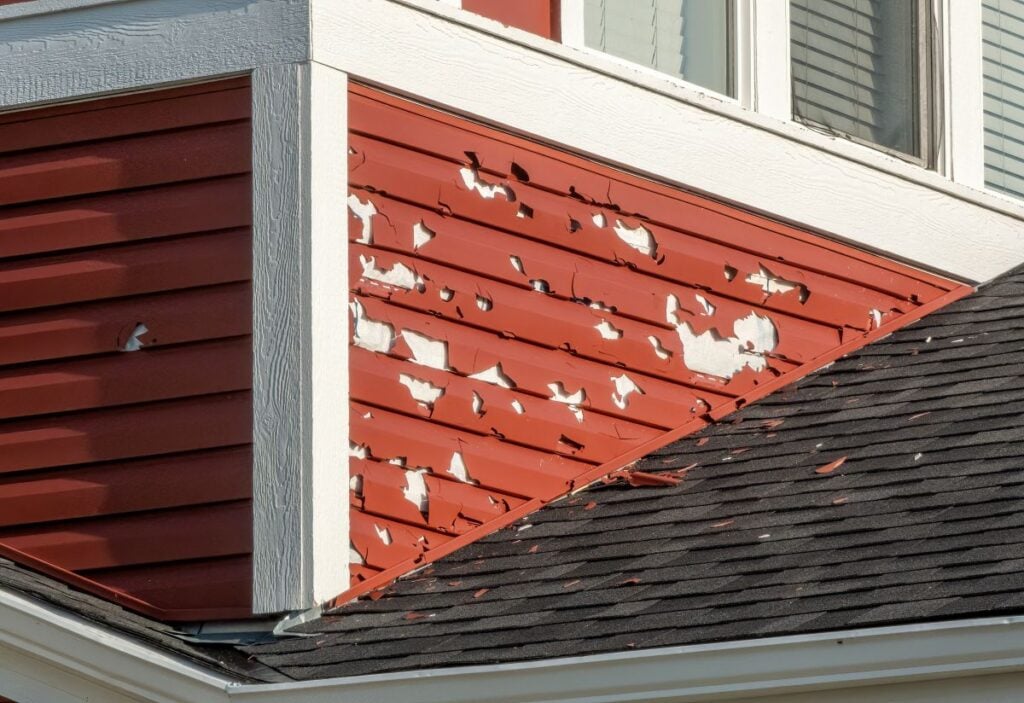
Siding does more than shape the appearance of a home. It forms a protective barrier against moisture, pests, and temperature extremes, which means damage that looks minor on the surface can sometimes point to a bigger problem underneath. Homeowners in Lorton and surrounding areas who address issues early tend to avoid the larger repairs that come from prolonged exposure.
- Moisture protection: Cracked or warped siding can allow water to reach the sheathing underneath, leading to rot over time.
- Pest prevention: Gaps and openings created by damaged siding can give insects and small animals a way into the home.
- Energy efficiency: Compromised siding can affect a home’s insulation, making heating and cooling less efficient.
- Curb appeal and value: Visible damage can affect how a home is perceived, both by neighbors and potential buyers down the line.
Catching these issues early through routine inspection gives homeowners more control over the scope and cost of repairs, rather than waiting until damage has spread significantly. Vinyl siding requires minimal maintenance overall, and regular cleaning combined with an annual inspection for cracks and loose pieces can go a long way toward extending the life of the system, which typically lasts 30 to 40 years when properly cared for.
7 Common Types of Siding Damage Contractors Assess
Not all siding damage looks the same, and understanding the different types helps homeowners in Lorton and surrounding areas have more informed conversations with a contractor. Each type of damage tends to point toward a different underlying cause, and recognizing the difference ahead of time can help set realistic expectations before an inspection ever takes place.
1. Cracking and Splitting
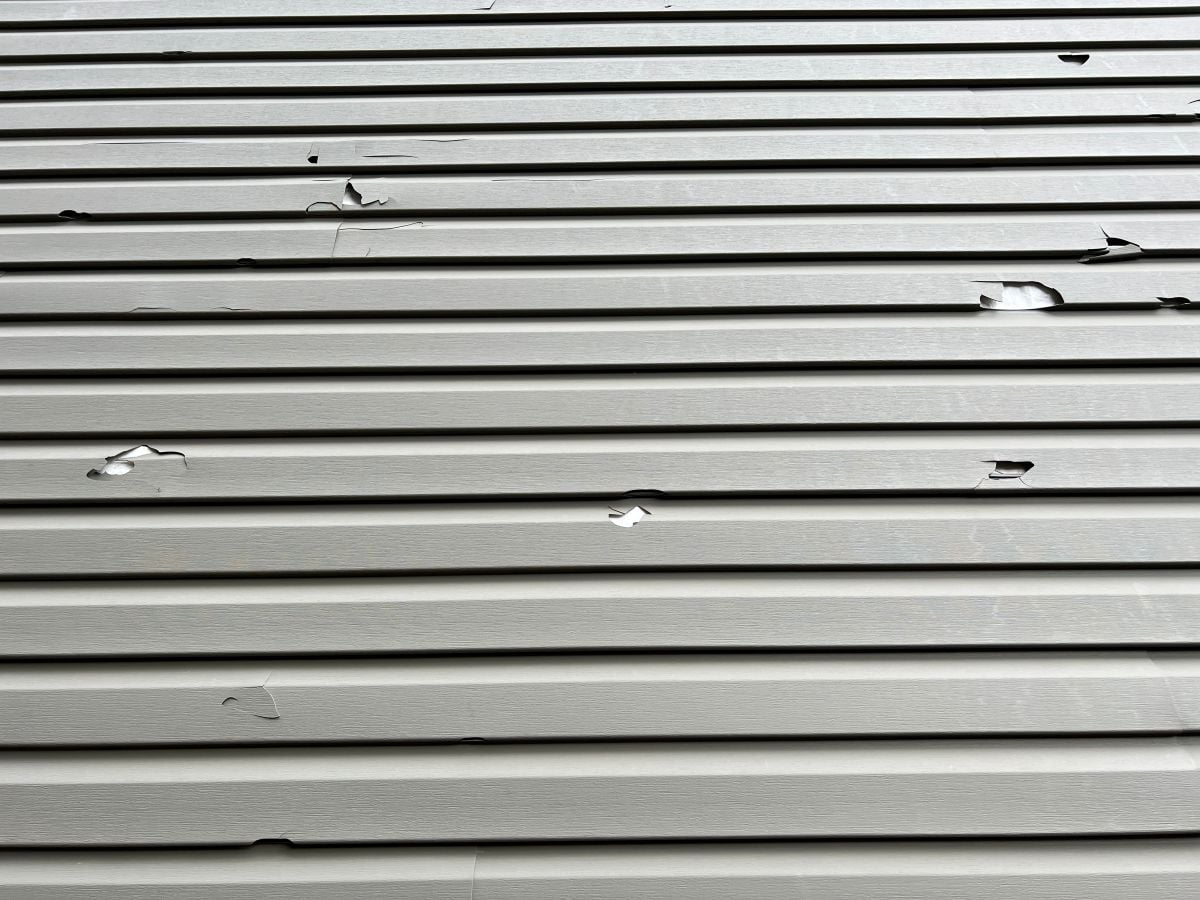
Cracks often develop from impact damage, age, or extreme temperature swings that cause the material to expand and contract repeatedly. Small holes and cracks under about an inch can often be filled with exterior-grade caulk or putty, sometimes with the help of a vinyl siding patch kit, while larger cracks usually require panel replacement to prevent water from working its way behind the siding.
- Cracks near seams tend to worsen faster than those in the middle of a panel
- Multiple cracks across several panels often indicate broader material fatigue
2. Warping or Buckling
Warped panels are usually a sign of heat exposure, improper installation, or moisture trapped behind the siding. This type of damage often affects how well the panels fit together, which can lead to gaps that let water in, particularly during heavy rain or wind driven storms.
3. Fading and Discoloration
While fading is mostly a cosmetic concern, significant discoloration can sometimes indicate sun damage that has also weakened the material’s structural integrity over time.
- UV exposure tends to affect south facing walls more significantly
- Uneven fading across a wall can point to inconsistent material quality
4. Loose or Missing Panels
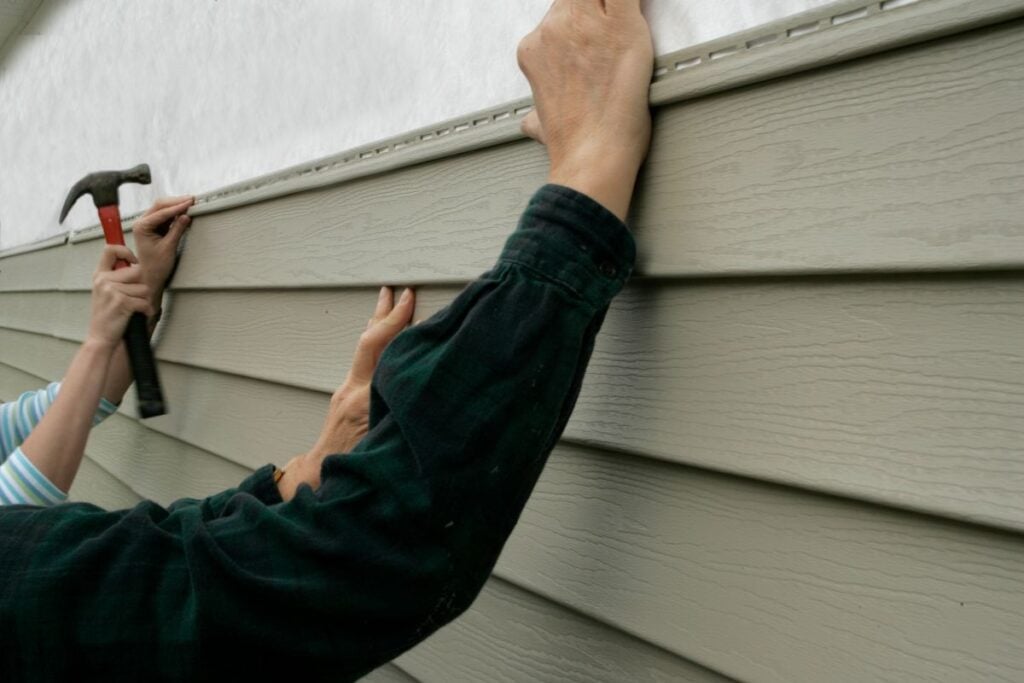
Wind, impact, or failed fasteners can cause panels to come loose or detach entirely. Contractors typically use a specialized zip tool to unlock and pull the panel above free before removing a damaged section, then secure the new panel back into place with nails or screws once it is set. This type of damage exposes the underlying sheathing and needs to be addressed quickly to prevent water intrusion.
5. Moisture Damage and Rot
Soft spots, discoloration, or a musty smell near the siding can indicate moisture has already reached the sheathing or framing behind it. This type of damage often requires removing sections of siding to properly assess and repair the underlying structure.

- Rot is more common near ground level, gutters, and areas with poor drainage
- Left unaddressed, moisture damage can spread to areas well beyond the original point of entry
6. Pest Damage
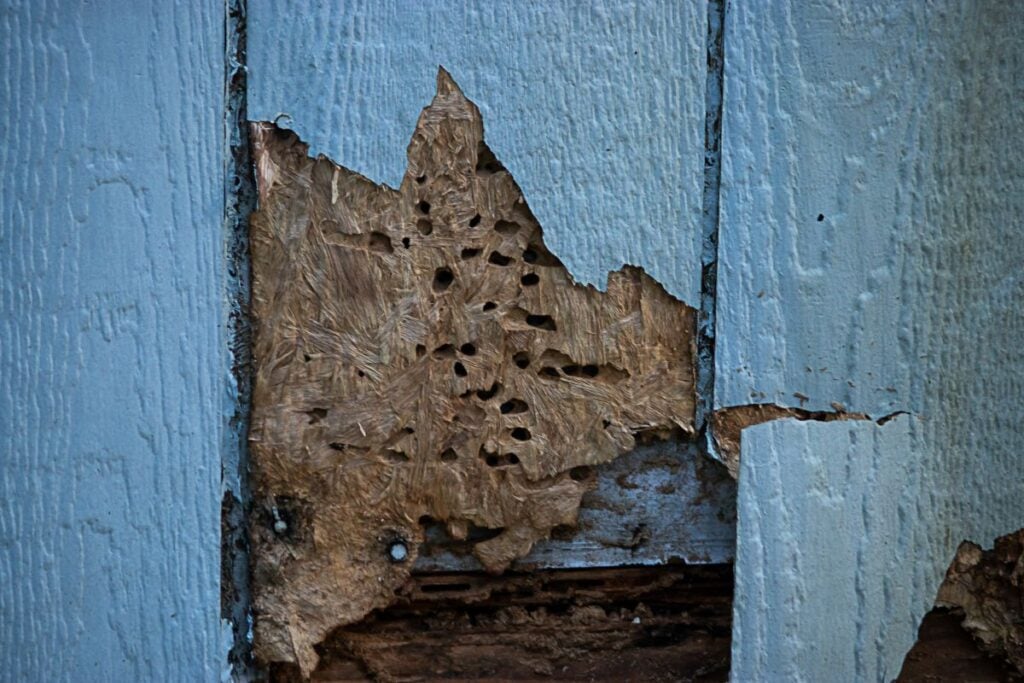
Small holes, chewed edges, or nesting material near the siding can indicate insects or small animals have found their way behind panels. This is often discovered during a routine inspection rather than through visible symptoms alone.
7. Impact Damage
Storms, fallen branches, or accidental impact can crack, dent, or knock loose sections of siding. This type of damage is usually the most straightforward to diagnose, since the cause and location are typically obvious.
Before any repair begins, the damaged area is usually cleaned with soap and water to remove dirt and debris, which helps caulk or patching materials adhere properly and gives the installer a clear view of the full extent of the damage. Gathering matching siding pieces ahead of time is also an essential part of preparation, since even a small color mismatch can stand out against the rest of the house. Understanding which of these issues applies to a specific home helps set expectations for the repair process, since some types of damage are quick fixes while others require a more involved assessment.
How Contractors Assess Siding Damage
A thorough assessment is the foundation of any effective siding repair, since treating the visible symptom without understanding the underlying cause often leads to the same problem returning later. Most professional evaluations follow a fairly consistent process.
- Exterior visual inspection. A contractor examines the siding for cracks, warping, gaps, and discoloration across the entire exterior, not just the area a homeowner initially noticed.
- Checking for moisture intrusion. Moisture meters or careful probing can help identify whether water has already reached the sheathing behind visibly damaged panels.
- Inspecting the substrate. In cases of suspected rot or pest damage, sections of siding may need to be removed to check the substrate underneath for water damage and mold.
- Assessing installation quality. Poor original installation is a common contributing factor to repeated siding problems, so contractors often look at fastening patterns, spacing, and flashing details around windows and doors.
Once the assessment is complete, a contractor can recommend whether targeted repairs will resolve the issue or whether a larger portion of the siding needs attention to fully address the underlying cause. Professional repairs generally rely on higher quality materials than typical do it yourself fixes, which supports better durability over the life of the repair.
Siding Repair vs. Full Replacement
Deciding between a repair and a full replacement often depends on how widespread the damage is and how old the current siding already is. A clear comparison can help homeowners understand which option is more likely to apply to their situation.
| Factor | Repair Likely Sufficient | Replacement Likely Needed |
| Extent of damage | Isolated to a few panels | Spread across large sections |
| Age of siding | Under 15 years old | Nearing or past expected lifespan |
| Underlying sheathing | No rot or structural issues | Rot or damage present |
| Frequency of repairs | First or infrequent issue | Recurring problems in multiple areas |
| Color and material match | Replacement panels still available | Discontinued color or material |
Homes in Lorton and surrounding areas with isolated, recent damage are often good candidates for a straightforward repair, while siding that is already aging or has sustained damage in multiple areas may be better served by a full replacement.
Frequently Asked Questions About Siding Repair
These are some of the most common questions homeowners ask when dealing with siding damage. If your situation is more specific, a direct inspection is usually the best way to get a clear answer.
How do I know if my siding needs repair or replacement?
Isolated damage on siding that is still relatively new is often a good candidate for repair. Widespread damage, visible rot, or an aging system usually point toward replacement being the more practical long term choice.
Can damaged panels be matched to existing siding?
In many cases, yes, though older siding colors or discontinued styles can sometimes make an exact match difficult. A contractor can advise on the best approach if matching becomes a concern.
How long does a typical siding repair take?
Minor repairs can often be completed within a single day, while more extensive damage involving sheathing repairs may take longer depending on the scope of the work.
Is siding damage usually covered by insurance?
It depends on the cause. Storm and impact damage are often covered, while damage from age, neglect, or lack of maintenance typically is not.
Can I repair small holes in vinyl siding myself?
Very small holes can sometimes be filled with exterior-grade caulk applied with a caulking gun, or smoothed into place with a putty knife, after the area has been cleaned and dried. That said, replacing the damaged section is usually more durable than patching, and a new panel needs to be secured with an expansion gap left in place so the vinyl can move naturally with temperature changes, which is a detail worth leaving to an experienced installer.
What happens if moisture damage is found during a repair?
If moisture damage is discovered, the affected sheathing or framing will need to be addressed before new siding goes back up, since installing over compromised material would not resolve the underlying issue.
Understanding these basics can help homeowners feel more prepared and ask the right questions when a contractor arrives for an inspection.
Get an Honest Assessment for Your Home
Addressing siding damage early helps protect a home from more serious issues down the road, from moisture intrusion to reduced energy efficiency. Whether the damage is minor or more extensive, a thorough assessment is the best starting point for figuring out the right fix. Keeping siding in top condition between repairs is often as simple as an occasional cleaning with a power washer, along with the annual inspection mentioned earlier.
Roof Troopers helps homeowners throughout the region evaluate siding damage and determine whether repair or replacement makes the most sense for their home. If you have noticed cracks, warping, or other signs of damage, contact us today to schedule an inspection.
Don’t pay for your roof until 2027!
0% APR, same as cash for 24 months
Get Started Today!
"*" indicates required fields