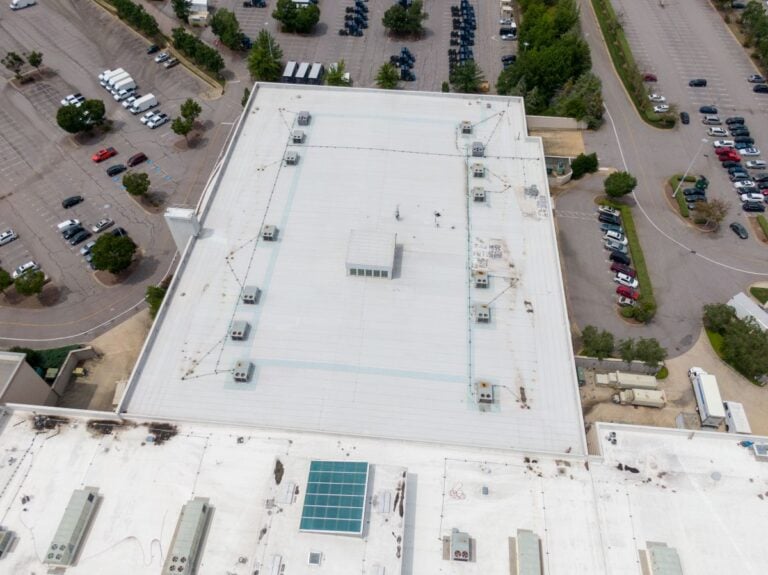
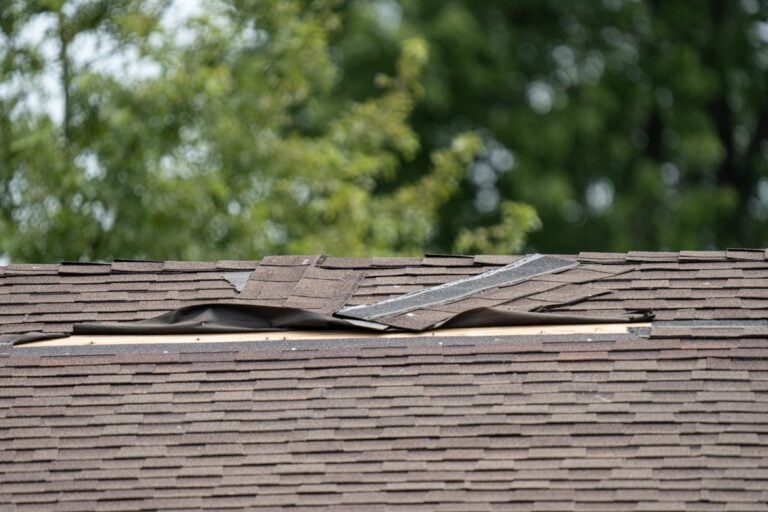
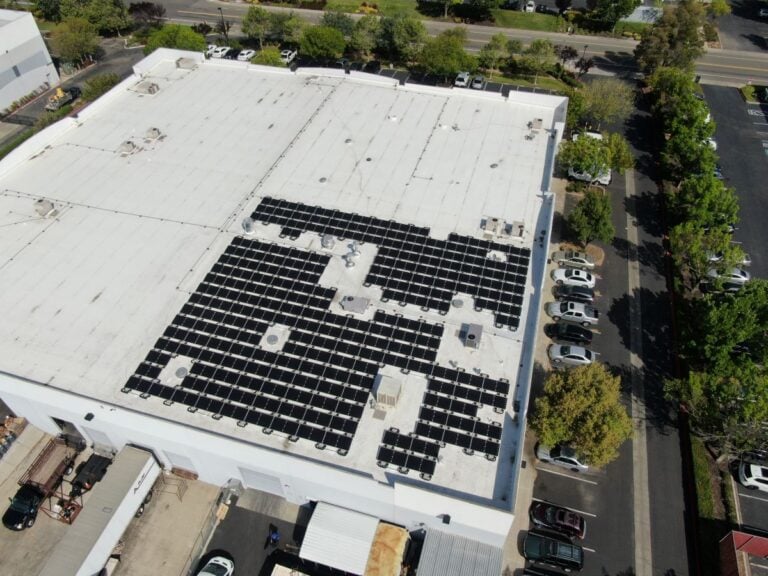
A leaking roof rarely announces itself at a convenient moment. It shows up during a storm, drips through a ceiling, and turns a manageable problem into an expensive one if left unaddressed. Choosing the right best roof sealants for leaks can mean the difference between a lasting fix and a recurring headache. Whether you are dealing with a cracked flashing joint, a compromised seam, or a pinhole in a flat membrane, the products and guidance in this post apply directly to homeowners in Alexandria and surrounding areas looking to stop water before it does serious damage. Understanding how different roofing materials respond to moisture and sealant chemistry is the foundation for making a smart product choice.
Here is what you will learn in this guide:
- Why sealant selection matters more than most homeowners realize
- The top sealant types tested and verified for residential use in 2026
- How to match a sealant to your specific roof material and leak type
- Red flags that indicate a sealant alone will not be enough
- When to call a professional instead of reaching for a caulk gun
Why the Right Roof Sealant Makes a Real Difference
Not all roof leaks are created equal, and not all sealants are built to handle the same conditions. A product that performs well on a metal seam may completely fail on a rubberized flat membrane, and a sealant rated for dry climates can crack and shrink under the freeze-thaw cycling that homeowners in Alexandria and surrounding areas experience every winter. Choosing the wrong product does not just waste money. It can create a false sense of security while water continues penetrating the roof deck beneath a surface that looks sealed.
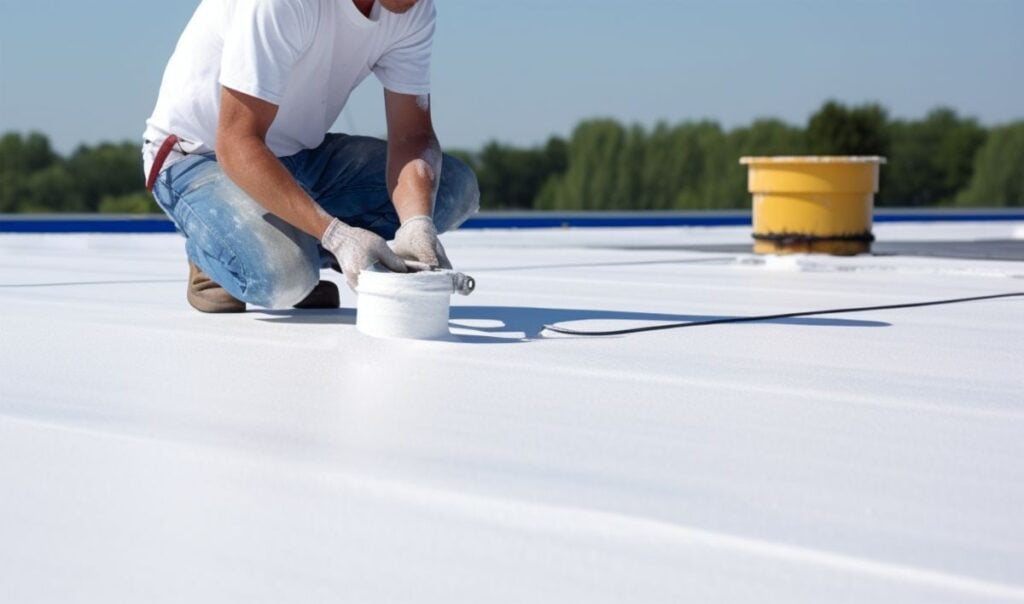
The roof sealant market is also larger and more varied than most homeowners expect. Products range from brush-applied liquid rubber coatings and spray aerosols to caulk-gun tubes and self-adhering waterproof tapes. Each format has appropriate use cases, and understanding the category before picking a product is the most important step in the process.
- Material compatibility is non-negotiable: A silicone-based sealant bonds well to metal, glass, and tile but can fail to adhere to certain rubberized membranes. Always verify the product’s stated compatibility with your specific roof surface before applying.
- Flexibility determines longevity: Many sealants stretch without breaking the waterproof seal due to elastomeric flexibility, which allows them to accommodate natural roof movement and temperature-driven expansion and contraction. Products that cannot flex will crack within a season or two.
- UV resistance extends product life: Silicone sealants can reflect up to 90% of UV rays, while acrylic sealants reflect between 92% and 99%. In Virginia’s climate, UV resistance is not optional — it is a baseline requirement for long lasting results.
- Application method and curing time matter for planning: Use a brush, roller, or sprayer for even coverage depending on the product format. Allow the roof to dry completely before applying sealant, and reapply if missed spots are found after curing. Cold or wet conditions compromise the bond significantly.
Choosing the right sealant saves money in the short term by avoiding repeat applications and in the long term by protecting the roof deck, insulation, and interior finishes from the water damage that follows a failed repair.
5 Top-Tested Roof Sealants for Leaks in 2026
The products below represent the most consistently reviewed and field-tested categories available to residential homeowners. Each has been evaluated across independent publications including This Old House, Bob Vila, and Today’s Homeowner. The right choice depends on your roof type, the scale of the leak, and your comfort level with application.
1. Liquid Rubber Waterproof Sealant
Liquid Rubber’s water-based coating is one of the most versatile options on the market and earns consistent top marks from independent reviewers for its adhesion across a wide range of non-oil-based surfaces. Liquid Rubber forms a seamless, highly flexible, waterproof membrane that moves with the roof rather than cracking under pressure. One gallon covers up to 30 square feet on sloped roofs and 15 square feet on flat roofs.
- Water-based formula with low VOCs, safe for enclosed spaces
- Adheres to asphalt, concrete, metal, EPDM, and modified bitumen across various surfaces
- Ideal for flat and low-slope roof surfaces prone to standing water
2. Dicor Self-Leveling Lap Sealant
Dicor’s self-leveling formula is the top pick from This Old House after a review of more than 20 products, and it earns that recognition for good reason. It flows evenly across horizontal seams and bonds to vinyl, wood, aluminum, concrete, and metal without requiring a primer coat. It is especially effective around roof penetrations like vent pipes, skylights, and HVAC curbs.
- Comes in caulk-gun tubes for precise application
- Self-levels on horizontal surfaces, reducing the risk of voids in the sealant line
- UV-stabilized compound resists sun damage and discoloration over time
3. Silicone Roof Sealant
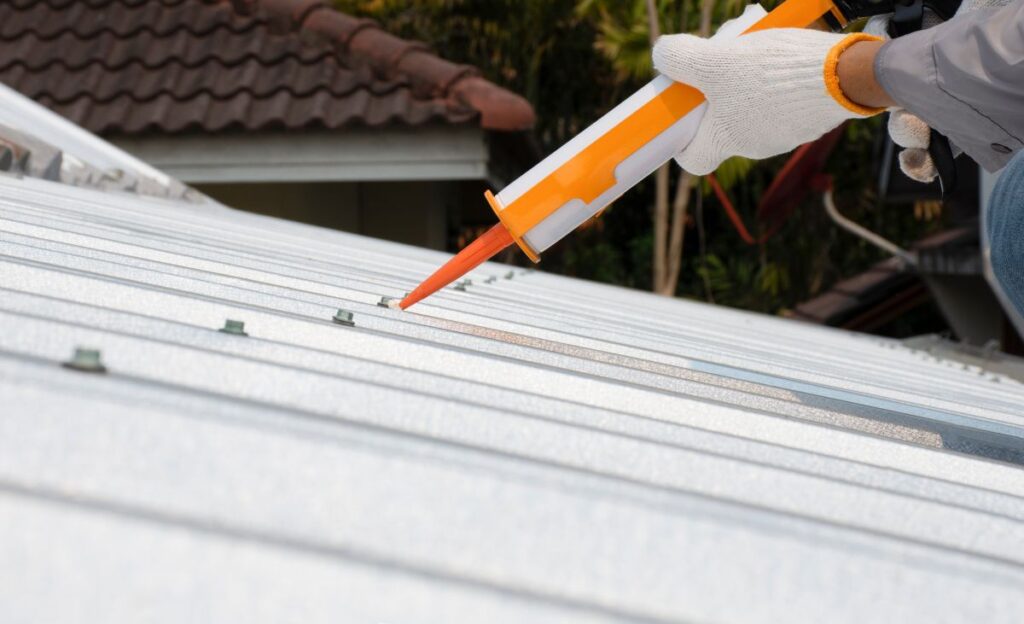
Silicone-based products are the category leader for longevity on metal roofs and flat roofing systems. They maintain elasticity across extreme temperature ranges, handle frequent ponding without breaking down, and resist UV exposure better than most competing chemistries. High-quality sealants in this category can last 10 to 30 years with proper application, making the higher per-unit cost worthwhile for homeowners prioritizing a permanent solution.
- Best suited for metal roofing, standing seam panels, and EPDM membranes
- Remains flexible after curing, accommodating significant roof movement
- Requires clean, dry, and primed surfaces for maximum adhesion
4. Gorilla Waterproof Patch and Seal Tape
For homeowners dealing with visible cracks, split seams, or areas where a liquid product would be difficult to contain, Gorilla’s rubberized tape format provides a surface-applied barrier that can be cut to size and pressed into place without mixing or drying time. It adheres to metal, wood, and most roofing membranes and provides immediate water resistance upon application.

- Application requires a clean, dry surface with no repositioning once placed
- Effective for flashing repairs, gutter seams, and surface cracks
- Best used as a targeted or supplementary fix rather than a primary coating
5. Acrylic Elastomeric Roof Coating
Acrylic coatings are a popular choice for homeowners with aging asphalt shingle or built-up roofing systems looking to extend roof life and improve energy efficiency. They reflect between 92% and 99% of UV rays, reduce attic heat gain, and create a continuous waterproof membrane across large surface areas. Reflective sealants like these can meaningfully reduce indoor temperatures and lower energy costs during Virginia’s hot summers. They are not suitable for active leak points but work well as a preventive layer applied over a sound but aging roof.
- Brush or roller applied across large surface areas for even coverage
- Reflects solar heat and UV rays, reducing summer cooling costs
- Not recommended for flat roofs with standing water issues
Matching the Right Sealant to Your Roof Type
Sealant chemistry and format are only half the equation. The surface you are sealing determines which products will actually bond and last. Using a mismatched product is one of the most common mistakes homeowners in Alexandria and surrounding areas make when attempting a DIY roof repair.
- Asphalt shingles respond best to acrylic or rubberized asphalt-based sealants. Silicone can be used around penetrations but may not adhere well to granule-covered surfaces without preparation.
- Metal roofing is compatible with silicone, polyurethane, and self-leveling lap sealants. Polyurethane sealants offer best-in-class tensile strength and excellent adhesion and flexibility, making them a strong choice for metal seams and areas prone to heavy rainfall or debris impact.
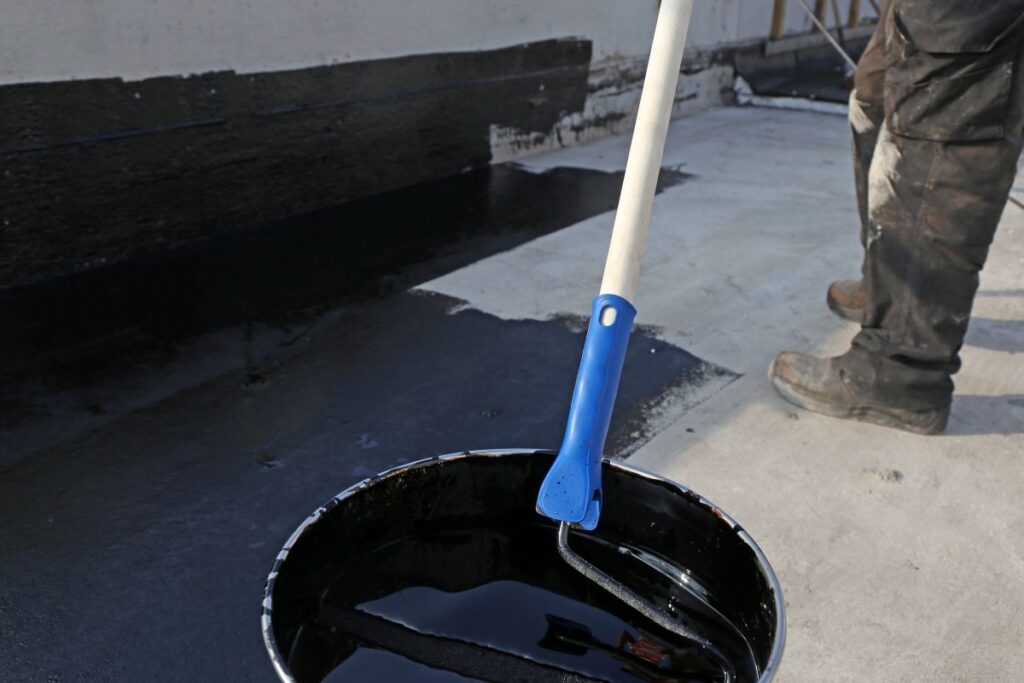
- Flat and low-slope membranes including TPO, EPDM, and modified bitumen require chemistry specifically rated for membrane surfaces. Bituminous sealants are tar-based and waterproof, making them a reliable option for built-up and modified bitumen systems. Liquid rubber products and silicone coatings also perform well on these roofing materials.
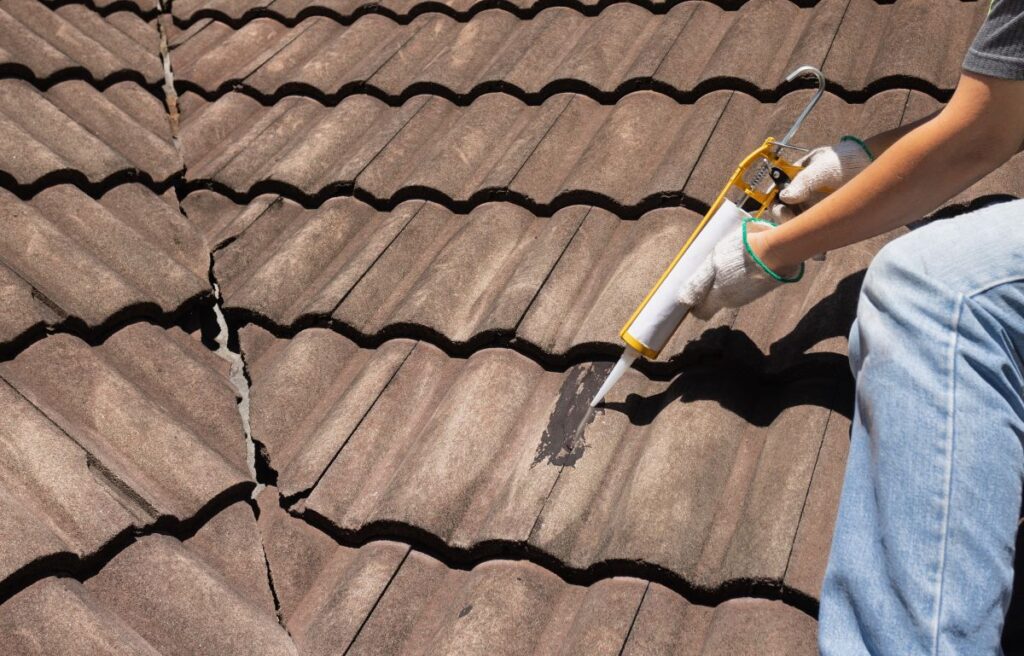
- Tile and synthetic roofing typically requires sealant application around flashing points and penetrations rather than over the field surface. Polyurethane or silicone caulk in caulk-gun format is usually the right tool here. For situations where the roof surface may be damp during application, tripolymer sealants offer exceptional elasticity and UV resistance and can be applied over damp surfaces, making them a useful option in unpredictable weather.
When the leak source is a failed flashing joint, deteriorated pipe boot, or cracked ridge cap, sealant applied directly to the failure point is often effective. When the leak source is unclear, multiple, or tied to broader shingle deterioration, surface sealant is unlikely to address the underlying problem adequately.
When a Sealant Is Not Enough
A roof sealant is a targeted repair tool, not a whole-roof solution. There are specific conditions under which applying sealant will delay a problem rather than resolve it, and recognizing those conditions before spending money on products is important. Homeowners in Alexandria and surrounding areas dealing with any of the following situations should have a professional assessment before committing to a DIY approach.
- Widespread granule loss on asphalt shingles indicates the shingles have reached the end of their effective life. Sealant applied over granule-depleted shingles may adhere poorly and will not restore the underlying material’s ability to shed water correctly.
- Sagging roof deck areas suggest the wood structure beneath the surface has been compromised by prolonged moisture exposure. Sealant applied over soft or rotted decking will not restore structural integrity and may hide the extent of the damage from view.
- Multiple active leak points appearing in different areas of the roof after a single storm typically indicate widespread installation failure or severe age-related deterioration. Patching individual points while the rest of the roof continues to fail is not a cost-effective strategy.
- Interior water stains in multiple rooms or along exterior walls rather than isolated ceiling spots often indicate water is traveling along roof framing members before dropping. Identifying and sealing the actual entry point in this scenario requires professional inspection.
If any of these conditions apply to your situation, investing in a proper inspection before purchasing sealant products will save both time and money.
Get the Right Assessment for Your Roof
A quality sealant applied correctly to an isolated leak point can extend roof life significantly and prevent expensive interior damage. But knowing which product to use, verifying it matches your roof material, and identifying whether the leak is a contained problem or a symptom of broader deterioration are all decisions that benefit from professional input. Roof Troopers serves homeowners throughout Northern Virginia with honest, thorough roof assessments using drone technology and direct inspection. We will tell you what the roof actually needs, not just what generates the largest invoice. When you are ready to stop guessing and start solving the problem for good, contact us today to schedule your inspection and get clear answers about your home’s condition.
Don’t pay for your roof until 2027!
0% APR, same as cash for 24 months
Get Started Today!
"*" indicates required fields