
The roof over your commercial property protects tenants, inventory, equipment, and the daily operations that keep your business running. Problems on a flat or low slope roof often stay hidden until water shows up on a ceiling tile or a piece of equipment. A thorough commercial roof inspection gives you a clear look at what’s happening above your head, but the value of that inspection depends on asking the right questions. Knowing what to ask helps you compare contractors, understand the findings, and plan for a roof that protects your building for years to come instead of reacting to surprise leaks.
Here’s what this guide covers:
- Why regular inspections matter for commercial properties
- Eight questions to ask before, during, and after an inspection
- Warning signs that mean your roof needs attention now
- The different types of inspections and when each one makes sense
Why Regular Inspections Protect Your Bottom Line
A commercial roof is one of the largest investments tied to any building, and small issues can turn into expensive repairs when they go unnoticed. Regular inspections help you catch open seams, clogged drains, and flashing problems while they’re still simple to fix. According to the National Roofing Contractors Association, building owners should schedule roof maintenance inspections at least twice a year, ideally in spring and fall, with additional checks after severe weather. Northern Virginia’s humid summers, heavy thunderstorms, and winter freeze and thaw cycles make that schedule especially important, since extreme temperature swings cause roofing materials to expand and contract year after year.
Here’s what consistent inspections can do for your property:
- Lower repair costs: Catching a small seam failure or puncture early costs far less than repairing saturated insulation or a damaged deck later.
- Longer roof life: Routine attention helps your membrane reach the high end of its expected lifespan instead of failing early.
- Fewer business disruptions: Planned minor repairs are much easier to schedule around tenants and operations than emergency leak calls, and proactive roof management helps keep tenants happy enough to stay.
- Stronger warranty protection: Many manufacturer warranties expect documented maintenance, and regular inspections help you keep that record.
- Better budget planning: Knowing your roof’s condition makes it easier to plan capital expenses before replacement becomes urgent.
An inspection is only as useful as the information you get from it. The questions below help you make sure the process is thorough and the results are easy to act on.
8 Questions to Ask About Your Commercial Roof Inspection
Whether you’ve been searching “commercial roof inspection northern virginia” for the first time or you’re comparing contractors, these questions help you understand what you’re getting. Asking them upfront also sets clear expectations for the report you’ll receive afterward, and it shows you quickly whether a contractor is focused on your building’s needs or just making a sale.
1. Who Will Inspect My Roof? Start With Roof Troopers
The first question is which professional roofing contractor you trust to get on your roof. Roof Troopers is a family owned, BBB A+ accredited roofing company based in Lorton that combines drone technology with hands on inspections to give property owners a clear view of their roof’s condition.
- Licensed and insured Class A contractor in Virginia
- Drone imaging for large or hard to reach roof areas
- Honest recommendations with no pressure to replace
2. What Does the Inspection Include?
A full inspection should cover much more than a quick walk across the membrane, whether your building has single ply membranes like TPO or EPDM (ethylene propylene diene monomer, often called rubber roofing), modified bitumen, or metal. Ask for a clear list of what will be checked, and have prior repair logs and compliance documents ready so the inspector can see your roof’s history.
- Membrane surface, seams, and field condition
- Flashing at walls, curbs, and penetrations
- Drains, scuppers, and gutters
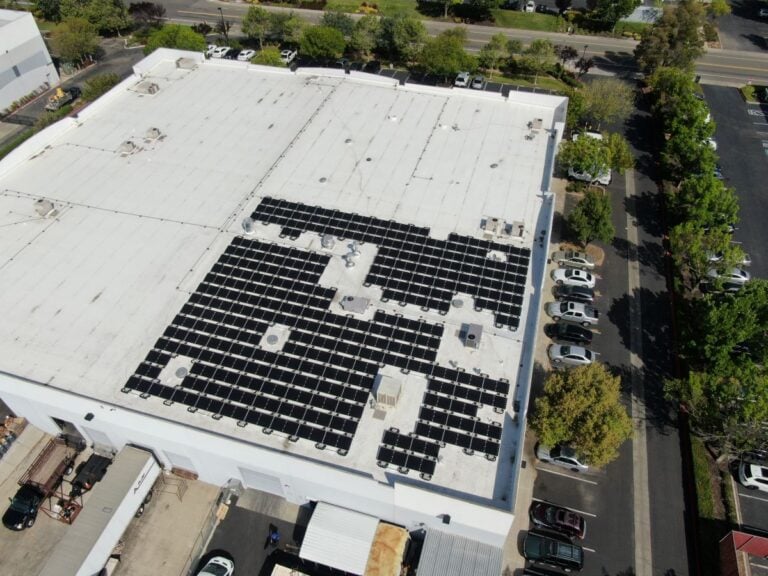
- Rooftop equipment supports, since heavy mechanical units can create vulnerabilities around penetrations
3. What Technology Will You Use?
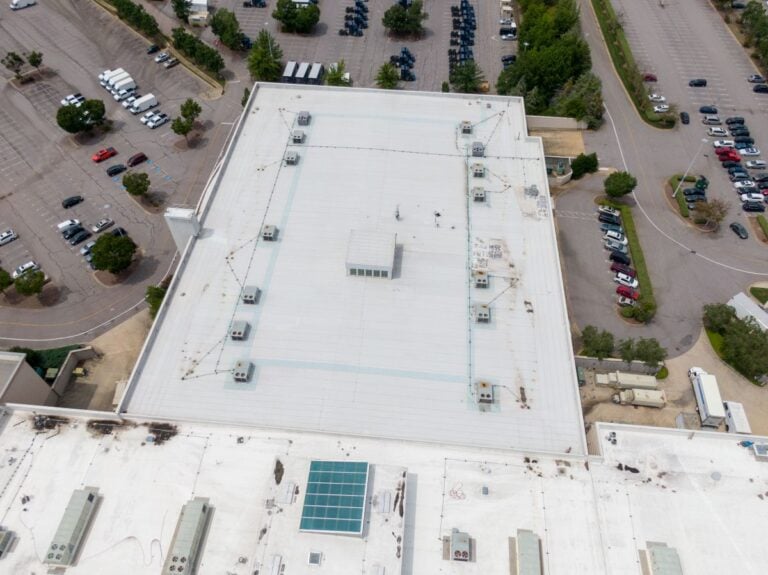
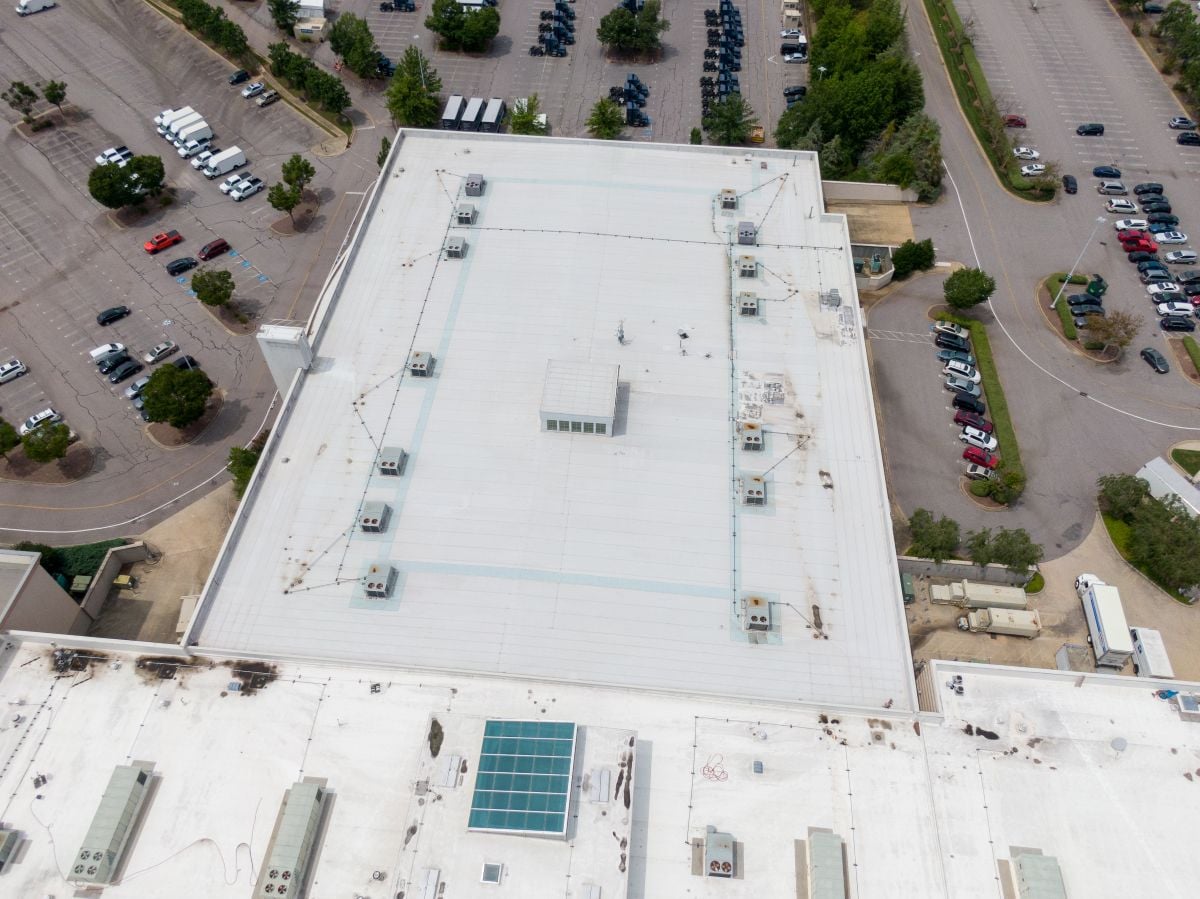
Modern tools can reveal problems that aren’t visible to the naked eye. Drone imaging captures detailed photos of every section, while moisture detection methods can help locate wet insulation hiding beneath the surface.
- Aerial photos that show the full roof layout and problem areas
- Close up images of seams, flashing, and penetrations
- Interior checks of the deck and ceiling for signs of moisture
4. How Much Life Does My Roof Have Left?
A good inspector should give you an honest estimate of remaining service life based on the roof’s age, material, and current condition. This answer shapes whether you budget for maintenance now or start planning for replacement. Different roofing systems age differently, and modified bitumen, for example, typically offers better puncture resistance than single ply membranes. Ask what factors could shorten or extend that estimate, such as drainage problems, rooftop traffic, or deferred repairs.
5. Will This Inspection Support My Warranty?
Many manufacturer warranties require regular maintenance and documentation. Ask whether the inspection report can serve as a maintenance record, and keep copies with your warranty paperwork. Skipping documented maintenance can make it harder to file a warranty claim if a membrane defect shows up later.
6. Should We Repair, Restore, or Replace?
Not every issue calls for a new roof. Depending on the condition, targeted repairs or a restoration approach may extend the roof’s life. Ask the inspector to explain the pros and cons of each option for your specific building, including how height and complexity affect cost and how the Virginia Uniform Statewide Building Code applies to significant roof repair work.
- Repairs for isolated seam, flashing, or puncture issues
- Restoration options for roofs that are aging but structurally sound
- Commercial roof replacement when damage, moisture, or structural issues affect the entire roof
7. What Will the Written Report Include?
A clear report turns inspection findings into a plan. Look for photos, descriptions of each issue, and recommendations ranked by urgency so you know what needs attention first.
- Photos tied to specific locations on the roof
- A summary of overall roof condition
- Repair recommendations with rough timelines and priorities
8. How Often Should We Schedule Inspections?
Most commercial roofs benefit from inspections twice a year, plus additional checks after major storms or rooftop work. Your inspector can recommend a schedule based on your roof type, age, and how much foot traffic it sees. Between professional visits, simple monthly checks by building staff can help spot early signs of moisture. Buildings with lots of rooftop equipment or frequent service visits may also benefit from more frequent professional checks, since every technician trip adds wear to the membrane.
These eight questions help you separate a thorough inspection from a quick glance. They also give you the information you need to make confident decisions about your roof’s future.
Warning Signs Your Commercial Roof Needs Attention Now
Some issues shouldn’t wait for the next scheduled inspection. If you notice any of the signs below, it’s worth calling a professional sooner rather than later.
- Ponding water: Low slope roofs are designed to drain, so water that sits for more than a couple of days after rain can stress seams and add weight to the structure.
- Interior stains or drips: Water marks on ceiling tiles or walls often mean moisture has already worked its way through the roof assembly.
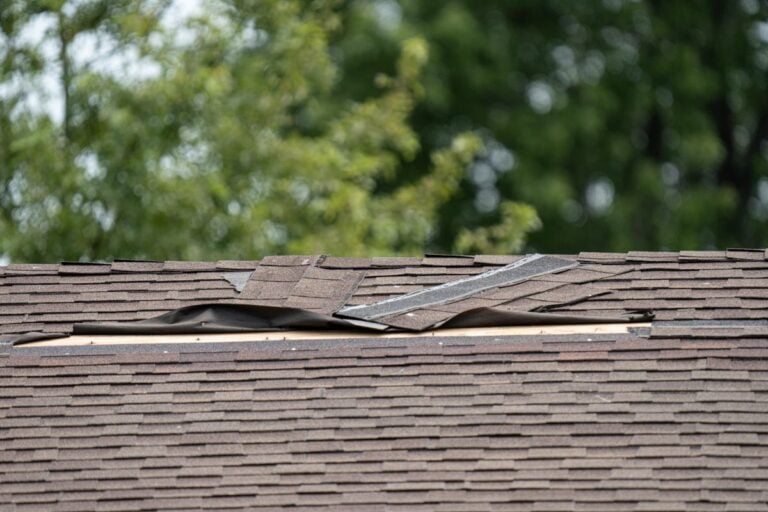
- Blisters, bubbles, or wrinkles: Raised areas in the membrane can signal trapped moisture or adhesion problems that may worsen over time.
- Open or separating seams: Seams are common failure points, and even small gaps can allow water to travel under the membrane.
- Fastener backout: On mechanically attached roofs, fasteners can work loose and push up against the membrane, creating raised spots that eventually wear through.
- Damaged flashing: Loose or torn flashing around HVAC units, vents, and parapet walls opens a direct path for leaks.
- Clogged drains and debris: Leaves, trash, and loose materials can block drains and scuppers, which leads to ponding and added stress during heavy storms.
- Rising energy bills: Wet insulation loses much of its efficiency, which can quietly push heating and cooling costs higher.
Catching these issues early can make the difference between a simple repair and a major project. When in doubt, a professional inspection gives you answers before small problems spread.
Types of Commercial Roof Inspections and When You Need Them
Not every inspection serves the same purpose. Understanding the different types helps you schedule the right one at the right time and know what to expect from each visit.
| Inspection Type | When to Schedule It | Main Focus |
| Routine maintenance | Spring and fall each year | Seams, flashing, drains, and general wear |
| Post storm | After high winds, hail, or heavy rain | Storm damage, punctures, and documentation for insurance claims |
| Pre purchase | Before buying or leasing a property | Overall condition and remaining service life |
| Warranty or manufacturer | As required by your warranty terms | Documentation to keep coverage in good standing |
| Post construction | After rooftop equipment installs or repairs | Damage from foot traffic, tools, or new penetrations |
Routine maintenance inspections are the foundation of any good roof care plan, while the other types fill in gaps when specific events or decisions come up. Many property managers of office buildings and retail centers keep a simple log of every inspection, roof repair, and storm event to track how the existing roof changes over time, which is a big part of proper maintenance.
Pre purchase inspections deserve special attention if you’re expanding your portfolio. Knowing a building’s roof condition before closing can help you negotiate repairs or budget for replacement with no surprises. The same goes for leased spaces, where understanding the roof’s condition up front helps clarify maintenance responsibilities between owners and tenants.
Keep Your Commercial Roof in Top Shape
Your roof protects everything happening inside your building, and regular inspections are one of the simplest ways to protect that investment. Asking the right questions ensures you get a thorough evaluation, a clear report, and honest guidance on what comes next. Roof Troopers brings drone inspections, careful craftsmanship, and a project manager on every site to commercial property owners throughout Northern Virginia. Whether you need a routine inspection, a post storm assessment, or a second opinion on significant concerns about your roofing needs, our team is ready to help. To schedule your inspection, contact us today and get a clear picture of your roof’s condition.
Don’t pay for your roof until 2027!
0% APR, same as cash for 24 months
Get Started Today!
"*" indicates required fields