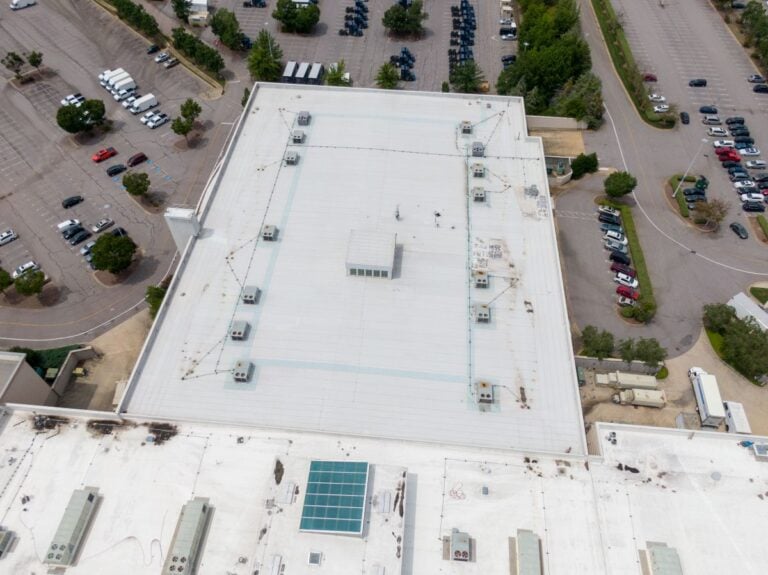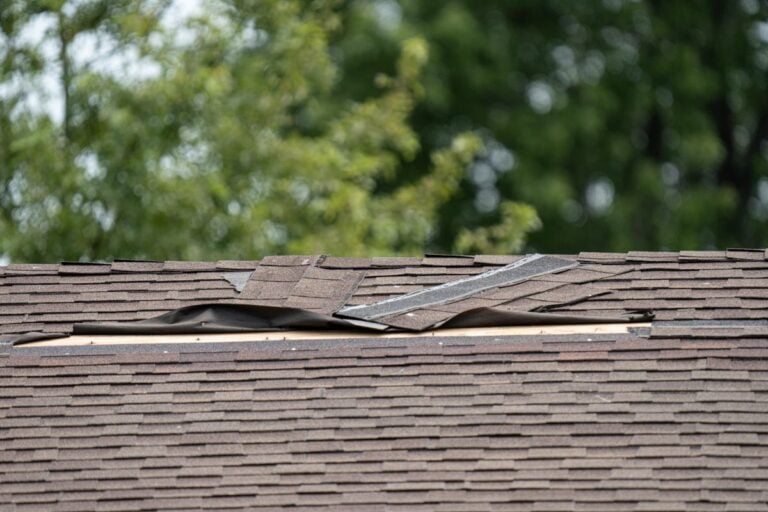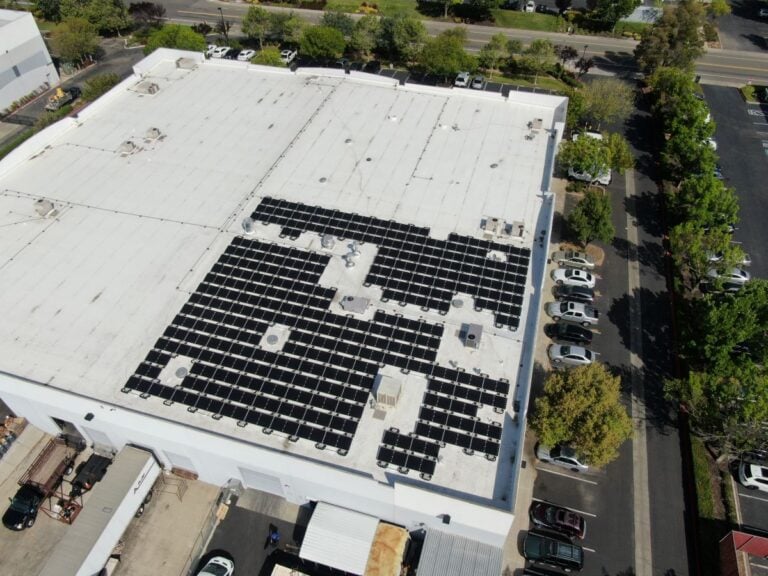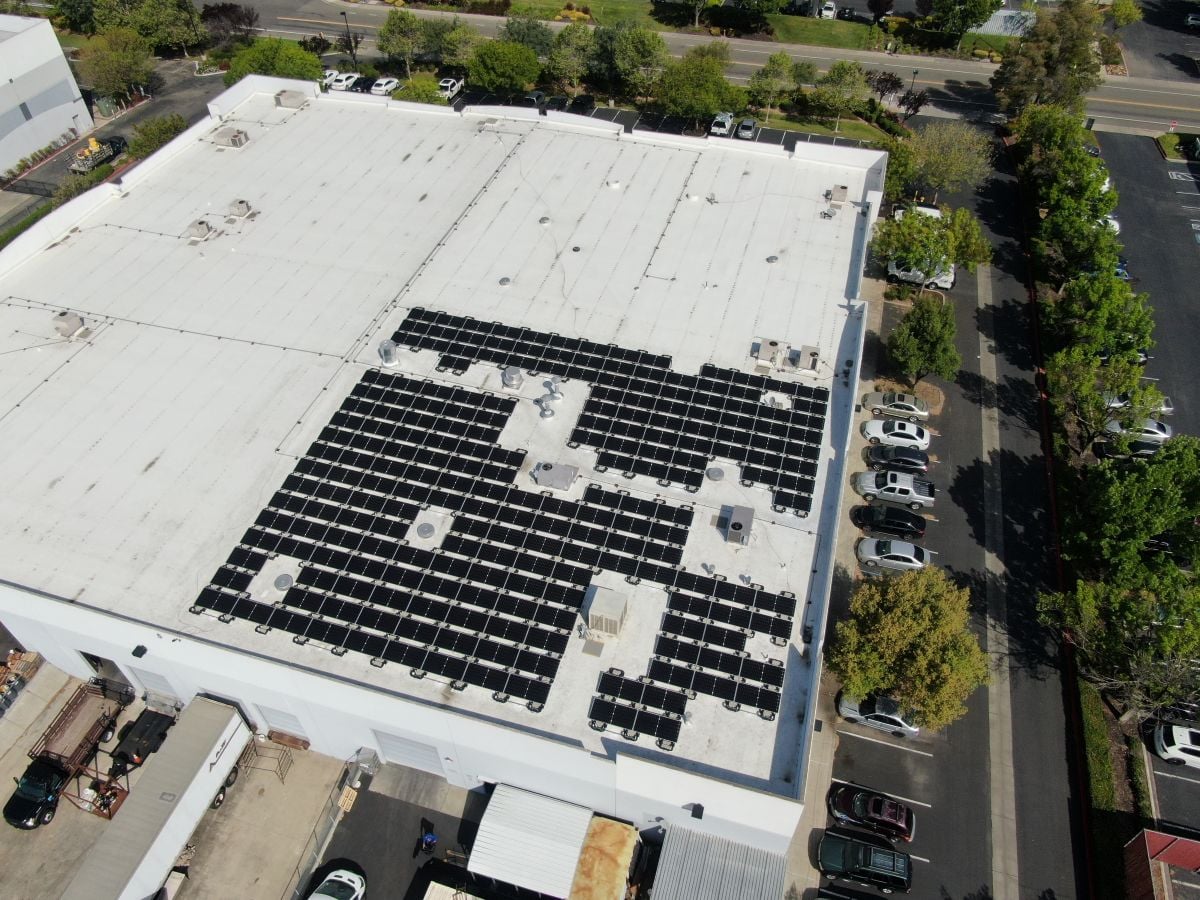

When it’s time to replace a flat or low slope roof, two names come up again and again. TPO and PVC look almost identical from the ground, but they behave differently once they’re exposed to sun, chemicals, and years of weather. Comparing tpo vs pvc roofing before you sign a contract helps you avoid paying for features you don’t need or missing protection your building really requires. A little research now goes a long way toward a roof that serves your property well for decades.
Here’s a quick overview of what’s ahead:
- Why the choice between these two membranes matters
- Six key differences between TPO and PVC
- Which types of buildings are best suited to each
- A side by side comparison of cost, lifespan, and performance
- Answers to common property owner questions
Why the Right Membrane Makes a Real Difference
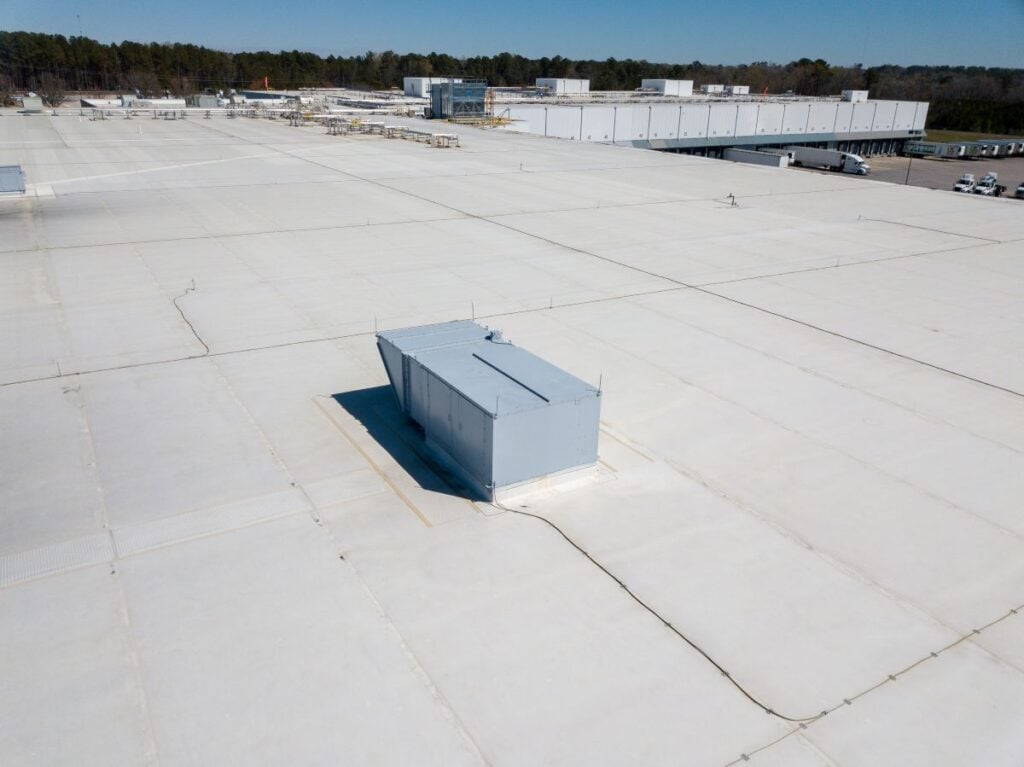
TPO and PVC membranes are both single ply thermoplastic roofing systems with heat welded seams, which is why they’re often lumped together. Yet the materials inside each sheet are different, and that affects how they handle grease, fire, temperature swings, UV radiation, and long term performance. This side by side look at the two membranes is a helpful primer, but the real answer depends on how your building is used. For property owners in Fairfax and surrounding areas, hot summers, heavy storms, and winter freeze and thaw cycles all factor into the decision for any commercial building.
Choosing the right membrane pays off in several ways:
- Matched performance: A roofing membrane suited to your building’s activity and environmental factors holds up better and resists premature wear.
- Smarter spending: Picking the right material keeps you from overpaying for features you’ll never use or underspending on protection you need.
- Lower energy bills: Both membranes come in reflective white options that reflect heat from the sun’s rays and can reduce cooling costs, but formulation and maintenance affect how well that reflectivity lasts.
- Fewer surprises down the road: A roof matched to its environment means fewer leaks, fewer emergency calls, and a more predictable service life.
The differences between these two membranes aren’t always obvious from a sales brochure. Breaking down the key considerations one at a time makes the decision much clearer.
6 Key Differences Between TPO and PVC Roofing
At first glance, TPO and PVC seem interchangeable. Look closer, though, and you’ll find several important distinctions that can tip the scales for your building.
1. What Each Membrane Is Made Of
TPO roofing membranes, made from thermoplastic polyolefin, are a blend of polypropylene and ethylene propylene rubber. PVC roofing membranes, made from polyvinyl chloride, use plasticizers to give the sheet its flexibility. Some premium products are PVC KEE blends, which add ketone ethylene ester for extra flexibility and chemical resistance. That basic difference in chemistry drives many of the other contrasts on this list. TPO is also the newer of the two in the roofing industry, while PVC has a longer track record on commercial roofs.
2. Chemical and Grease Resistance
PVC is well known for its exceptional durability against oils, grease, and many chemicals. That’s why it’s a common choice for restaurants and facilities that vent cooking exhaust or process fluids onto the roof. TPO handles normal rooftop conditions well but can break down faster when exposed to animal fats, certain chemicals, and industrial pollutants.
- Restaurants and commercial kitchens
- Manufacturing and processing facilities
- Industrial buildings and sites near airports or heavy exhaust
3. Fire Resistance
PVC contains chlorine, which makes it naturally fire resistant and self extinguishing once a flame source is removed. TPO can also achieve strong fire ratings, but it relies on added fire retardants to get there. For buildings with strict fire code requirements or rooftop equipment that runs hot, that distinction can matter.
4. Flexibility and Long Term Aging
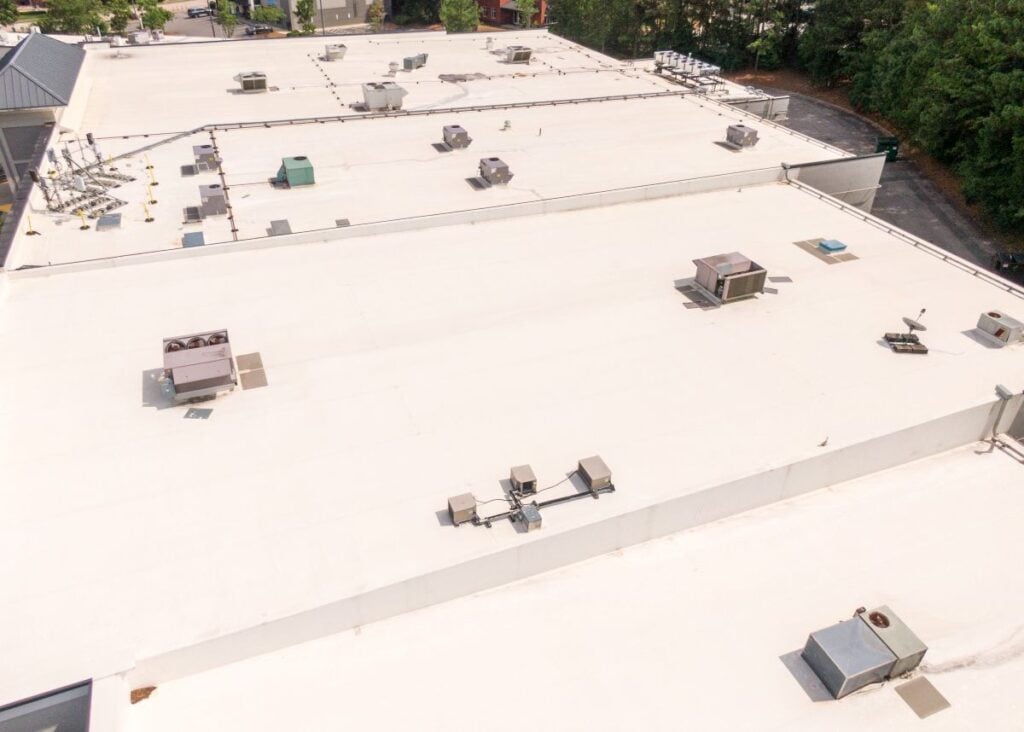
TPO doesn’t use plasticizers, so it doesn’t face the risk of plasticizer loss. Older PVC membranes could become brittle over many years as those plasticizers migrated out, though modern formulations have improved considerably. TPO formulations have also advanced, with better heat aging and UV resistance than early versions, while reinforced PVC offers strong dimensional stability through seasonal temperature swings.

5. Seams and Repairability
Both membranes use hot air welding to fuse seams into a single watertight layer, which is one of their biggest advantages over adhesive seams. PVC is often considered a little easier to weld and repair, while TPO welding requires careful temperature control and clean surfaces, especially on older sheets. Some systems are also induction welded, bonding the membrane to plates underneath without driving fasteners through the sheet, and whether the roof is fully adhered or mechanically attached, the installation method should match your deck and wind exposure.
6. Cost and Lifespan
As a rough industry estimate, TPO often runs around $5 to $10 per square foot installed, while PVC tends to land between $7 and $13. In return, PVC frequently has a longer average lifespan, often 20 to 30 years compared to TPO’s 15 to 25 years or more, depending on thickness, installation quality, weather conditions, and maintenance.
Membrane thickness also plays a role in both cost and lifespan, with thicker sheets offering better puncture resistance for roofs that see heavy foot traffic from service crews. Seeing these differences side by side shows why there’s no single winner. The better choice depends entirely on what’s happening on and inside your building.
Matching the Membrane to Your Building
Once you understand how TPO and PVC differ, the next step is figuring out which one fits your property. The questions below can help point you toward the right membrane.
When TPO Makes Sense
TPO roofing is a strong fit for buildings that need dependable, energy efficient protection without a premium price tag. Many office buildings, retail centers, warehouses, schools, and apartment complexes use TPO successfully.
- Large, open roofs: Wide TPO membranes cover big areas with fewer seams, which helps control labor costs and improves installation speed.
- Budget focused projects: TPO’s lower installed cost makes it appealing when you’re covering tens of thousands of square feet.
- Energy priorities: Reflective white TPO helps keep rooftop and interior temperatures down during long summers, which is why owners in hot climates often choose TPO.
When PVC Makes Sense
PVC roofing systems earn their higher price on commercial and industrial buildings that expose the roof to tougher conditions. It’s often the smarter long term investment when the roof faces regular contact with grease or chemicals.
- Restaurants and food service: Cooking exhaust and grease can degrade other membranes over time.
- Industrial and manufacturing sites: Chemical vapors and process exhaust call for chemical resistant roofing materials.
- Complex roofs: Roofs with lots of penetrations and details may benefit from PVC’s easier welding and repairs.
Plenty of buildings could perform well with either membrane, so a careful inspection matters. Many property owners in Fairfax and surrounding areas find that the deciding factor comes down to rooftop equipment, exhaust, and how long they plan to own the building.
Comparing TPO and PVC at a Glance
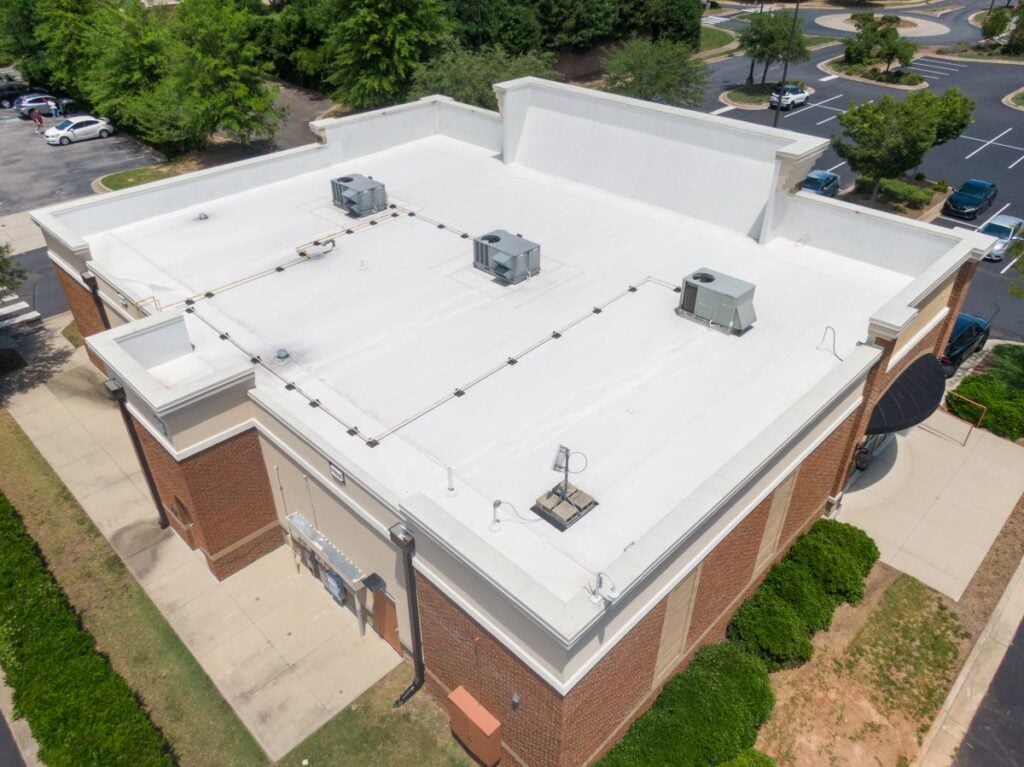
Sometimes the easiest way to make a decision is to see everything in one place. The table below summarizes how the two membranes typically compare on the factors property owners care about most.
| Factor | TPO | PVC |
| Material | Polypropylene and ethylene propylene rubber blend | Polyvinyl chloride with plasticizers |
| Rough installed cost | About $5 to $10 per sq. ft. | About $7 to $13 per sq. ft. |
| Typical lifespan | 15 to 25+ years | 20 to 30 years |
| Chemical and grease resistance | Moderate | Excellent |
| Fire resistance | Good with added retardants | Naturally fire resistant |
| Seam method | Heat welded | Heat welded |
| Reflectivity | High in white | High in white |
| Best suited for | Offices, retail, warehouses | Restaurants, industrial sites |
These figures are rough industry estimates, and actual costs depend on roof size, insulation, tear off needs, and access. Thickness matters too, since thicker membranes typically last longer, resist punctures better, and often qualify for extended warranties. Some owners also weigh environmental concerns, and while TPO contains no chlorine, both TPO and PVC can be recycled, which makes either a more environmentally friendly choice than many other roofing materials.
No matter which membrane you choose, installation quality has a huge effect on long term durability. Careful welding and flashing details make all the difference, while a rushed seam can shorten the life of even the best material.
Frequently Asked Questions About TPO vs. PVC Roofing
Property owners comparing these two membranes usually have a few practical questions. Here are clear answers to the ones we hear most often.
Is TPO or PVC more durable?
PVC usually holds up better in harsh environments with grease or chemical exposure, while TPO performs well on most standard commercial roofs. Roof Troopers can assess your building’s conditions to recommend the more durable option for your property.
Which is more energy efficient?
Both membranes are available in reflective white that helps deflect UV rays and lower cooling costs, giving each strong energy efficiency. Roof Troopers can help you compare insulation options alongside the membrane to maximize energy savings.
Can TPO or PVC be installed over an existing roof?
In some cases, yes, if the existing roof has only one layer and the insulation underneath is dry. Roof Troopers inspects the current roof before recommending a recover or full tear off.
How long does installation take?
The installation process depends on roof size, complexity, and weather, but many projects move quickly because the membranes come in large sheets. Roof Troopers will give you a clear timeline before any work starts.
Do these roofs require much maintenance?
Both need relatively little upkeep, though twice yearly inspections and clear drains help them last. Roof Troopers can inspect seams, flashing, and drains to catch small issues early.
Every building has its own mix of equipment, exhaust, and drainage needs. An onsite inspection gives you a recommendation based on your actual roof rather than a general rule of thumb.
Choose the Right Membrane With Confidence
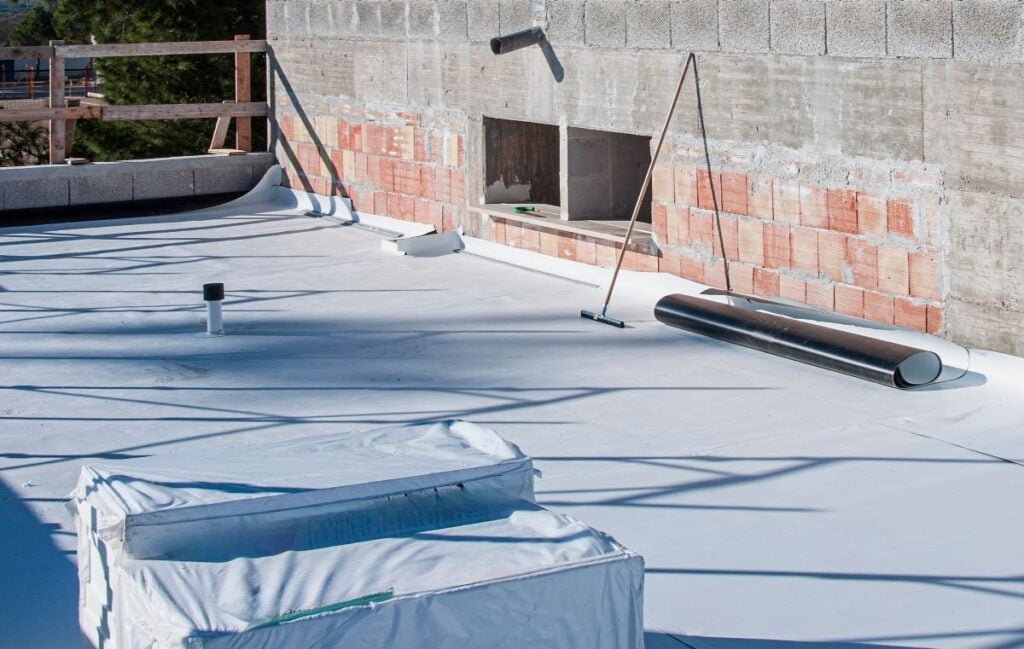
The decision between TPO and PVC affects your building’s protection, energy costs, and maintenance budget for years to come, so it deserves careful thought. Roof Troopers is a family owned, BBB A+ accredited roofing contractor that brings drone inspections, honest recommendations, and a project manager on every site to property owners in Fairfax and surrounding areas. Whether you’re planning a new commercial roofing project or replacing an aging roof, we’ll explain your options clearly, compare costs against lifespan, and help you choose the membrane that truly fits your building. Ready to find the right roof for your property? Contact us today to schedule a no obligation inspection.
Don’t pay for your roof until 2027!
0% APR, same as cash for 24 months
Get Started Today!
"*" indicates required fields