
A strong storm can lift shingles, peel back flashing, and leave your roof vulnerable in a matter of minutes. Once the wind dies down, the next challenge begins: figuring out what’s damaged and how to work with your insurance company to get it fixed. Navigating wind damage roof claims can feel confusing, especially if it’s your first time filing. Knowing what to document, when to call a professional, and what your policy typically covers makes the process smoother and helps you get your roof back in solid shape without unnecessary delays or surprises.
Here’s what this guide walks you through:
- Why wind damage claims deserve careful attention
- Seven steps to take after a windstorm hits your roof
- How to spot common signs of wind damage
- What insurance usually covers and what it often doesn’t
Why Getting Your Wind Damage Claim Right Matters
Wind damage isn’t always dramatic. Sometimes a storm leaves obvious missing shingles, but just as often it loosens seals and lifts edges in ways that don’t show up until the next heavy rain. Wind and hail are among the most common reasons homeowners file property claims, and according to the Insurance Information Institute, roughly one in 35 insured homes files a property damage claim tied to wind or hail. Virginia homeowners, especially in Northern Virginia, face everything from summer thunderstorms with straight line winds and derechos to the remnants of tropical systems and winter nor’easters, so being prepared pays off.
Handling your claim carefully helps in several important ways:
- Full coverage for real damage: Thorough documentation gives your insurer a complete picture of the roof damage, not just the most visible problems.
- Protection from hidden leaks: Wind can break shingle seals without tearing shingles off, and catching that early prevents interior damage.
- Fewer delays: Filing promptly with clear photos and a contractor’s inspection report helps keep your insurance claim moving.
- Confidence in the repair plan: When you understand what your homeowners insurance covers, you can plan the repair process without second guessing.
- Avoiding costly mistakes: Waiting too long or skipping documentation can make it harder to prove the damage came from a specific storm event.
The good news is that you don’t have to figure this out alone. Following a clear process, with the right people in your corner, makes a stressful situation far more manageable.
7 Steps to Take After Wind Damages Your Roof
Before you do anything else, make sure your family is safe and stay away from downed power lines or damaged areas of the home. Once the immediate danger has passed, these steps will help you move from storm cleanup to a completed repair.
1. Schedule a Professional Inspection With Roof Troopers
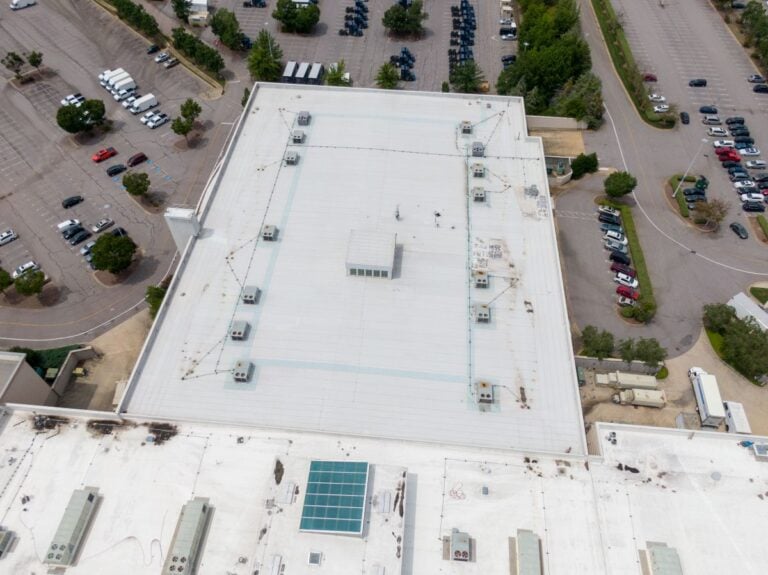
An independent inspection from a licensed roofing contractor is the best way to understand what the wind actually did to your roof. Roof Troopers uses drone technology to capture detailed images of every slope, including areas that aren’t safe to reach on foot, and checks the attic for signs of moisture.
- Aerial photos of damaged shingles, flashing, and ridge caps
- Interior attic checks for leaks and wet decking
- A written estimate and inspection report you can share with your insurer
- Honest guidance on whether repair or replacement makes sense
We won’t file claims on your behalf, but we provide documentation and guidance to support you through the insurance process.
2. Protect Your Home From Further Damage
Most homeowners policies expect you to take reasonable steps to prevent additional damage after a storm. If shingles are missing or you have an active leak, emergency tarping can keep the situation from getting worse while you work through the claim. Keep receipts for any temporary repairs, since they may be reimbursable.
3. Document Everything You Can Safely See
Take photos and videos of visible damage from the ground, including shingles in the yard, dented gutters, and any interior water stains. Note the date and time of the storm, and save weather data, alerts, or news reports that confirm high winds in your area.

4. Review Your Policy and Deductible
Before filing, read through your homeowners policy so you understand your coverage and deductible. Some policies include a separate wind or hurricane deductible, which may be calculated as a percentage of your home’s insured value rather than a flat amount.
- Check whether wind is covered under your standard deductible or a separate one
- Look for limits based on the roof’s age or material, including cosmetic damage exclusions
- Confirm whether your policy pays replacement cost value or actual cash value
5. File Your Claim Promptly
Contact your insurance company to file the claim as soon as you can after the storm, or call your agent directly if you have coverage questions. Many policies have time limits for reporting damage, and filing quickly helps connect the damage to a specific weather event.
- Provide the storm date and a description of the damage
- Share your photos and the contractor’s inspection report
- Write down your claim number and adjuster’s contact information
6. Meet With the Insurance Adjuster
Your insurer will usually send an adjuster to inspect the roof. Before the adjuster arrives, gather your documented damage so you have a clear record to reference, which helps make sure nothing is overlooked during the adjuster inspection. Ask questions about anything you don’t understand, and keep notes on what was discussed during the adjuster meeting.
7. Review the Settlement and Plan Your Repairs
Once the adjuster’s report is complete, compare it to your inspection findings, and if something seems missing, ask your insurer how to request a review. With replacement cost value policies, insurers often pay the actual cash value first, which is the repair cost minus depreciation, and the insurer releases the recoverable depreciation once the work is finished. When your claim is approved, you can schedule repairs or a roof replacement with confidence. On an older roof, a new roof with premium materials and higher wind ratings may make more financial sense than patching.
Taking these steps in order keeps you organized and reduces the stress that often comes with storm damage. It also gives you a clear paper trail if questions come up later in the process.
How to Recognize Wind Damage on Your Roof
Not all wind damage is easy to spot, especially from the ground. Knowing what to look for helps you decide when it’s time to call for an inspection, even if your ceiling isn’t leaking yet.
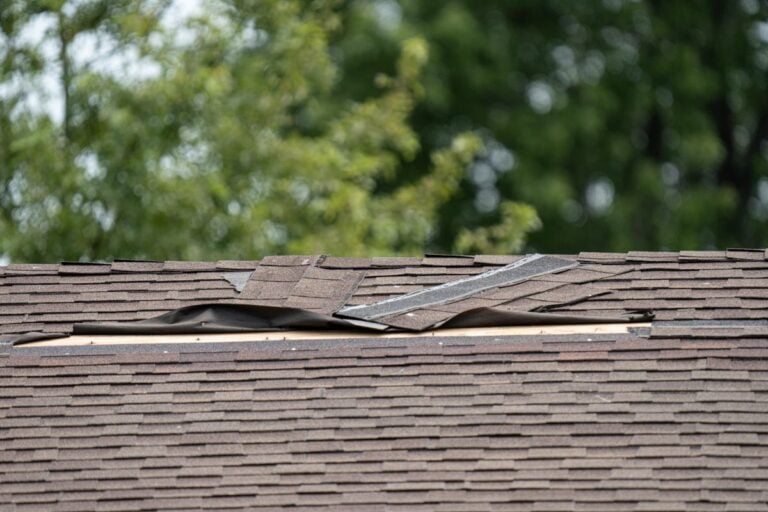
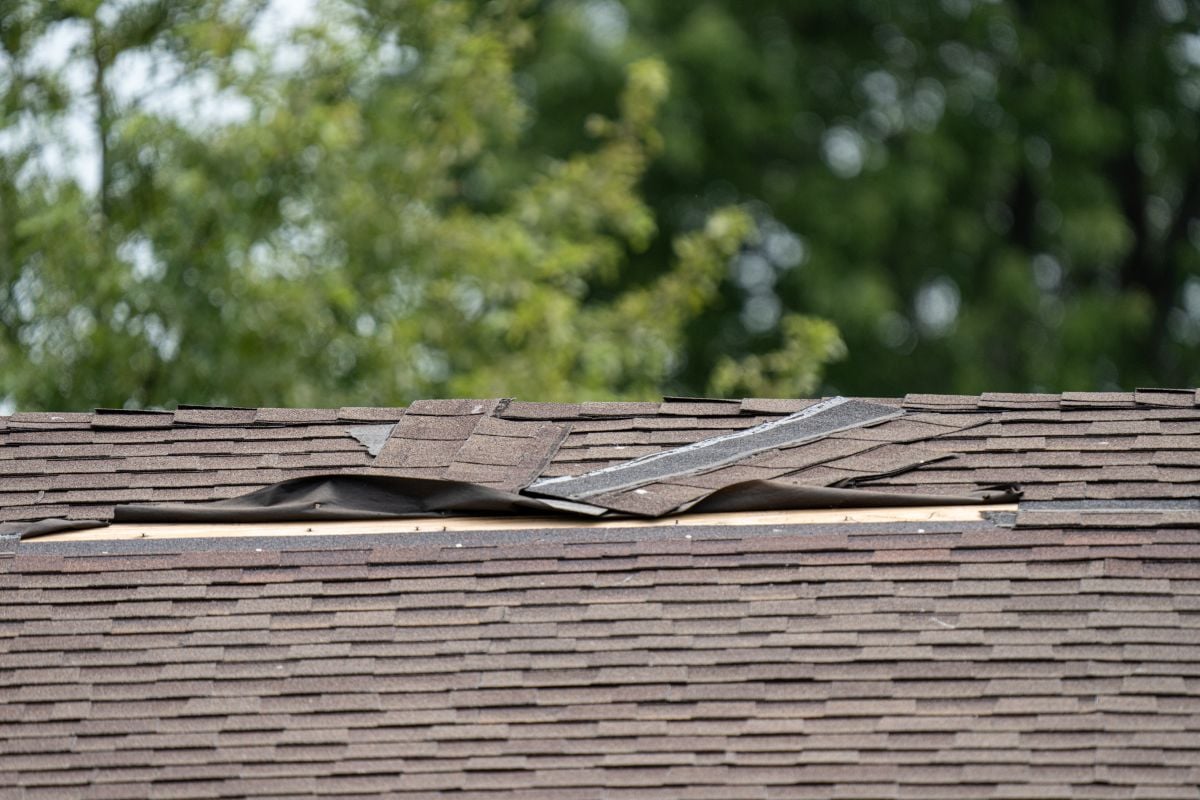
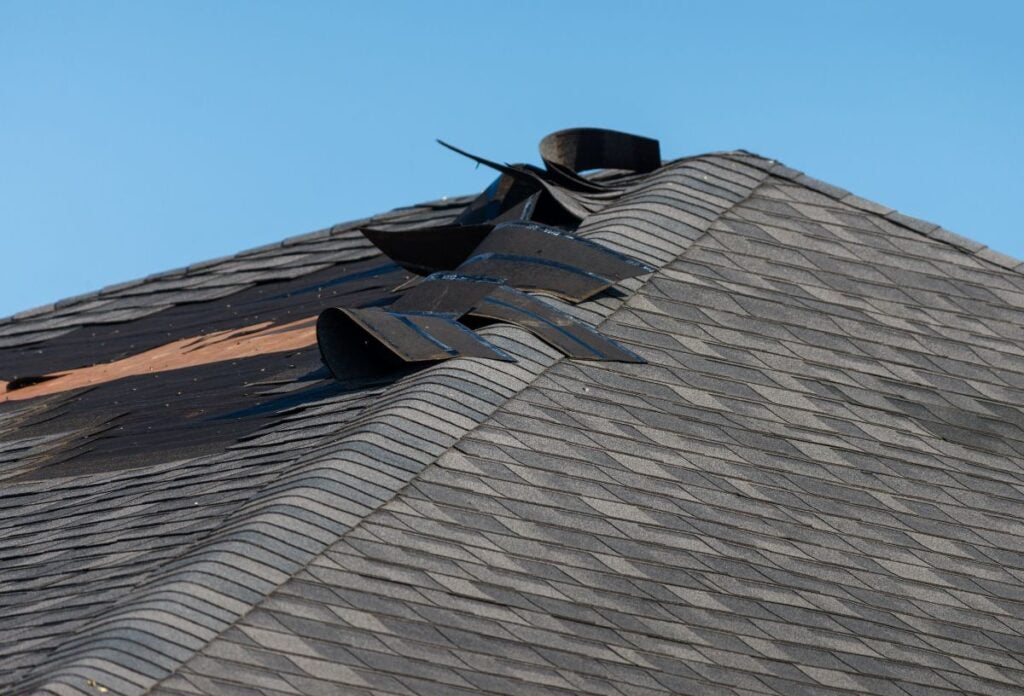
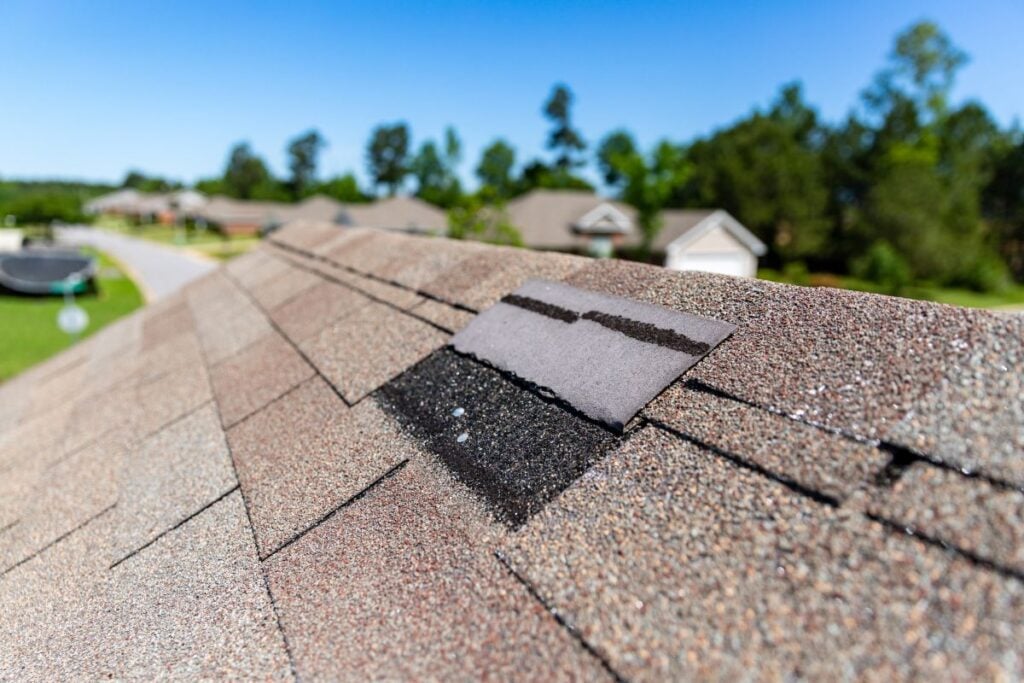
- Missing shingles: Bare patches or exposed underlayment are the most obvious signs that strong gusts have torn asphalt shingles away from the roof surface.
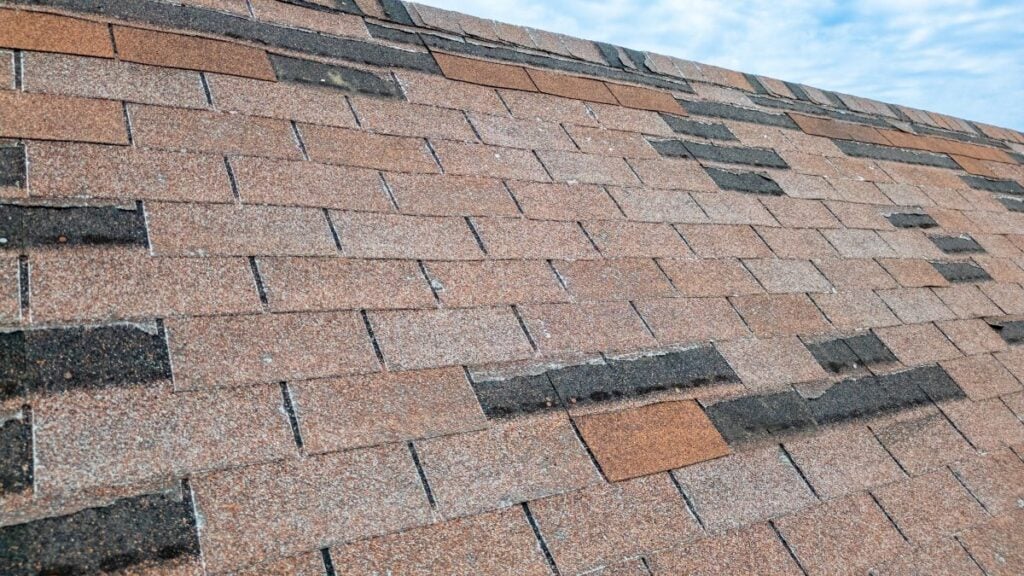
- Lifted or creased shingles: Wind uplift can bend shingles upward, leaving a visible crease or broken seal strip even if the shingle stays in place.
- Damaged ridge caps: The peak of the roof takes the brunt of high winds, so cracked or missing ridge caps are common after storms.
- Loose or bent flashing: Metal around chimneys, vents, and walls can loosen or pull away, opening a path for water to enter.
- Granules in the gutters: Heavy granule loss can point to shingles that were scraped by debris or hail impacts during the storm.
- Fallen branches or debris: Even small limbs can puncture shingles or scrape away protective granules on impact.
If you notice any of these signs, avoid climbing onto the roof yourself. Wet or damaged roofs are slippery and unstable, and a professional inspection is a much safer way to evaluate the entire roof system.
What Wind Damage Claims Usually Cover
Every insurance policy is different, but understanding common coverage patterns helps you set realistic expectations before you file. The table below outlines situations homeowners often run into after a windstorm.
| Situation | Often Covered? | Why It Matters |
| Shingles torn off or hail damage from a documented storm | Usually yes | Sudden damage from a weather event is the core of most wind claims |
| Interior water damage from a storm related leak | Often yes | Coverage may depend on how quickly you took steps to prevent further damage |
| Tree falling on the roof during high winds | Usually yes | Removal and roof repair may be covered, subject to policy limits |
| Damage from an aging or poorly maintained roof | Usually no | Insurers typically exclude normal wear and tear |
| Damage reported long after the storm | Sometimes no | Late reporting can make linking damage to the storm an uphill battle |
| Cosmetic damage that doesn’t affect performance | Varies | Some Virginia policies cover only functional damage, not cosmetic dents |
Because Virginia insurance policies vary, your insurance agent or carrier is the best source for questions about your specific coverage. If you have concerns about how a claim is being handled, the Virginia Bureau of Insurance oversees insurers operating in the Commonwealth.
Be cautious of storm chasers, out of town contractors who knock on doors after major storms with a high pressure sales pitch. Some ask for large upfront payments, push you to sign right away, or promise to cover your deductible, which can cross into insurance fraud. Under Virginia law, contractors need a license from the Virginia Department of Professional and Occupational Regulation for most roofing work, so choosing an established, local licensed contractor gives you accountability long after the claim is closed.
Get Expert Help With Your Wind Damage Roof
Wind damage can turn into a much bigger problem if it’s overlooked, and a well documented claim gives you the best chance of getting your roof restored properly. Roof Troopers is a family owned, BBB A+ accredited roofing company that helps Virginia homeowners understand storm damage with drone inspections, clear documentation, and honest recommendations. Whether you’re facing a straightforward claim or a more complex storm damage insurance claim, our team offers emergency tarping when needed, and every repair comes with a 10 year worry free workmanship warranty on the repaired area. If a recent storm has you worried about your roof, contact us today to schedule a no obligation inspection.
Don’t pay for your roof until 2027!
0% APR, same as cash for 24 months
Get Started Today!
"*" indicates required fields