
Your siding takes on rain, wind, sun, and temperature swings every single day, and when it starts to fail, the damage often spreads to the walls behind it. James Hardie siding has become one of the most popular upgrades for homeowners who want an exterior that looks great and holds up for decades. Before you commit to any material, it helps to understand how fiber cement performs, what installation involves, and how it compares to other options, so you can make a confident choice for an exterior that looks sharp and stays protected through every season.
Here’s a quick preview of what’s inside:
- Why siding material matters so much for your home’s health
- The four stages of a successful James Hardie project
- How to care for fiber cement over the years
- How James Hardie compares to vinyl and engineered wood
- Clear answers to common homeowner questions
Why Your Siding Choice Matters More Than You Think
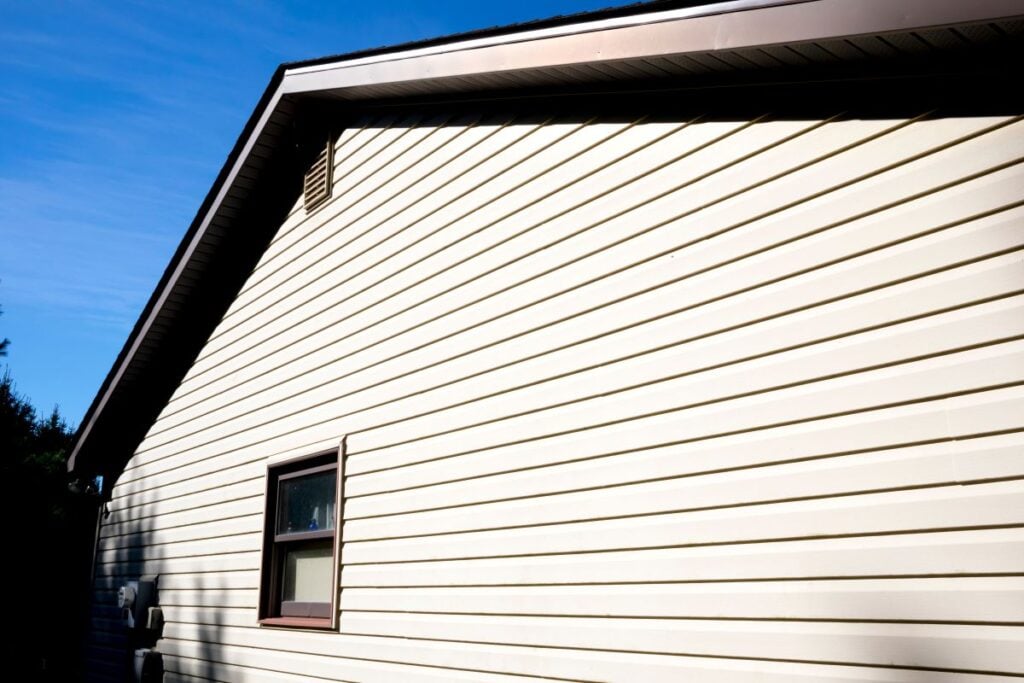
Siding is more than a cosmetic layer. It’s part of your home’s exterior envelope, working alongside house wrap, flashing, and trim to keep moisture, pests, and drafts out of your walls and the structure behind them. James Hardie makes fiber cement siding from a blend of cement, sand, water, and cellulose fibers, plus proprietary additives for enhanced performance, and there’s a long list of pros and tradeoffs worth weighing before you decide. For homeowners in McLean and surrounding areas, where humid summers, heavy storms, and winter freeze and thaw cycles all take a toll, durability is a big part of the equation.
Here’s why fiber cement keeps showing up on homeowners’ short lists:
- Weather resistance: Fiber cement won’t rot, warp, or melt, and it rarely needs sealing or repair, even after years of exposure to wind driven rain and temperature extremes.
- Fire resistance: James Hardie siding is noncombustible and won’t burn the way untreated wood can, which adds real peace of mind compared to vinyl or wood.
- Pest protection: Woodpeckers, termites, and other pests have little interest in a cement based material.
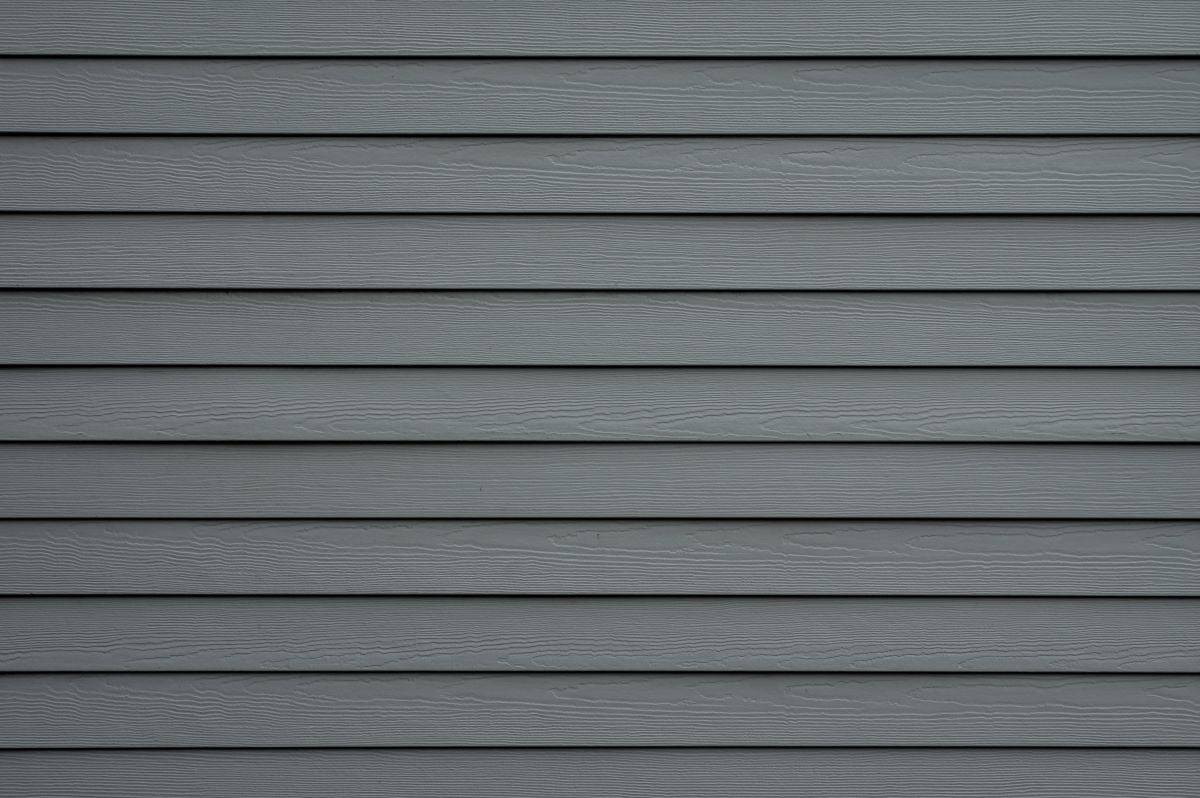
- Lasting beauty: Fiber cement holds paint evenly, can be painted in nearly any color, and comes in textures from woodgrain to smooth that convincingly mimic wood lap boards, cedar shingles, and board and batten styles.
These benefits only pay off when the siding is installed correctly, though. Fiber cement is heavier and less forgiving than vinyl, so the quality of the installation matters just as much as the product itself.
4 Stages of a Successful James Hardie Siding Project
A siding replacement can feel like a big undertaking, but it becomes much more manageable when you know what to expect. Each of the stages below plays a role in how well your new siding performs and how long it lasts.
1. A Thorough Exterior Inspection
Every good project starts with an honest look at what’s already on your home. Your contractor should check the condition of your current siding, the sheathing underneath, window and door trim, and any spots where water may already be getting in. Catching hidden rot or moisture damage before installation prevents problems from getting sealed behind brand new boards.
2. Choosing Your Style and Color
James Hardie offers several types of siding, which gives you plenty of flexibility in how your home looks. Browsing photos of finished homes in your neighborhood is a great way to narrow down what you like, and many homeowners mix two styles for added character, such as lap siding on the main walls with shingle accents in the gables.
- HardiePlank lap siding: The classic horizontal look found on many traditional homes, with narrower reveals using more boards and adding to installation cost
- HardieShingle siding: A cedar shingle appearance without the upkeep of real wood
- HardiePanel vertical siding: Clean vertical lines for board and batten or modern designs
- HardieTrim boards: Finishing pieces for corners, windows, and fascia
Boards finished with ColorPlus Technology have color baked on at the factory, and these prefinished products resist fading, chipping, and cracking better than a typical field applied paint job. James Hardie products are sold through independently operated dealers, so an experienced installer can help you see the full range of colors and textures.
3. Removal and Preparation
Once the old siding comes off, your crew can replace damaged sheathing, install a weather resistant barrier, and flash around windows and doors. This stage is where much of the long term moisture protection happens, even though none of it is visible once the job is finished.
4. Installation and Finishing
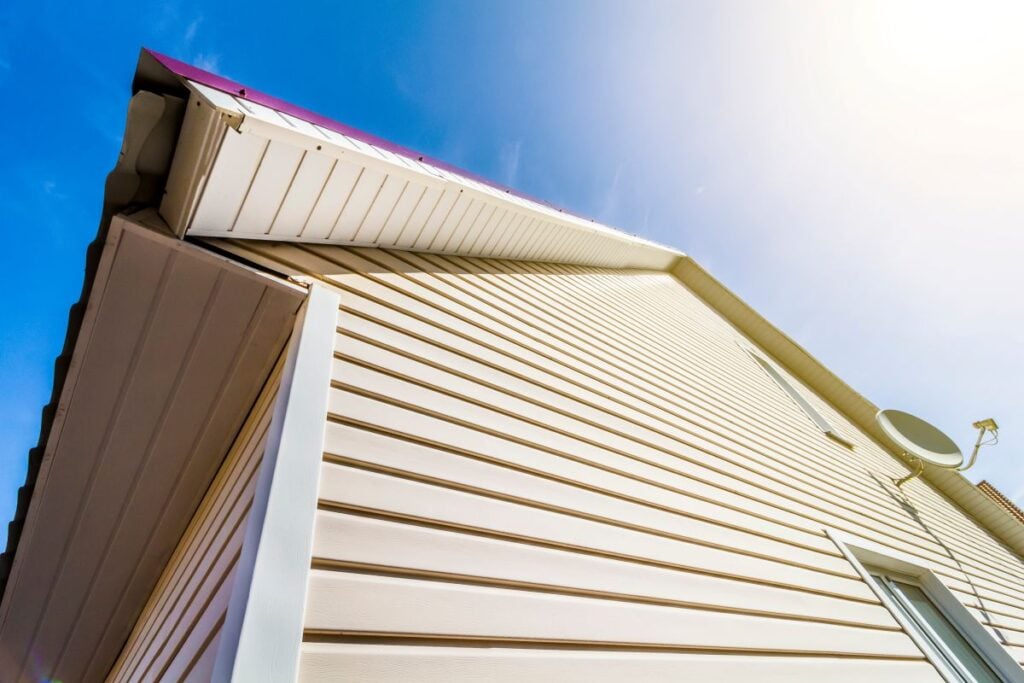
Fiber cement requires specific cutting tools, fastener patterns, and spacing to perform the way the manufacturer intended. Proper clearance from the roofline and ground (typically about 6 inches above grade), careful caulking at butt joints and trim, and correct nailing all help the siding hold up for decades. For an average sized home, installation typically takes 4 to 7 days, and because the work is exterior only, you can stay in your home the entire time.
Following these stages carefully is what separates a siding job that looks great for a year from one that protects your home for 30 years or more. A contractor who explains each step clearly is usually one who takes each step seriously.
How to Care for James Hardie Siding Over the Years
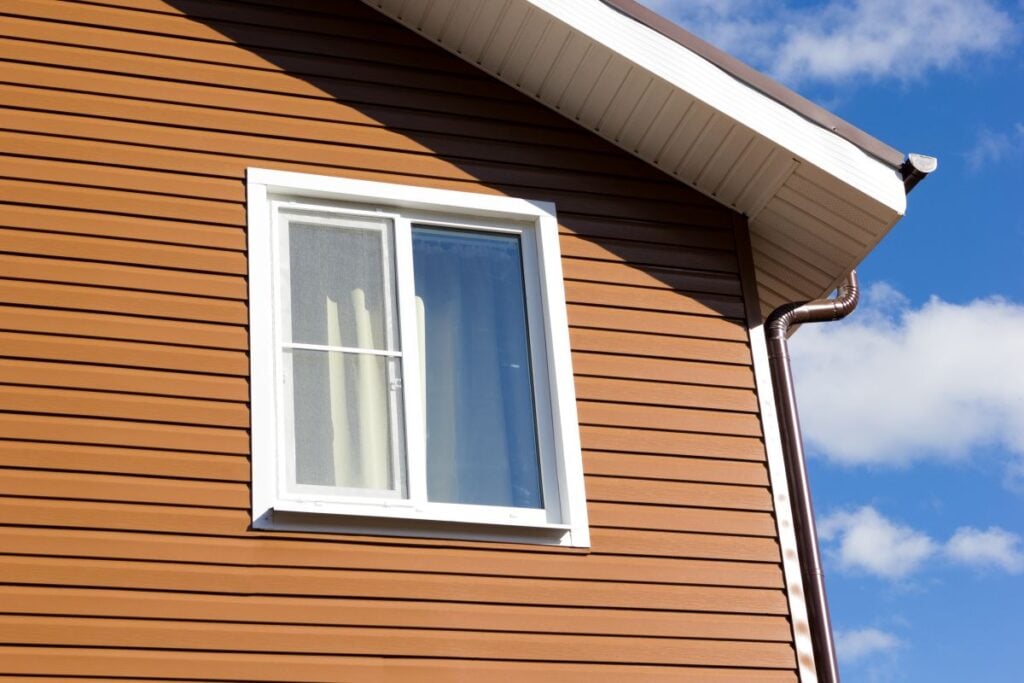
One of the biggest draws of fiber cement is that it asks for far less attention than wood. That said, low maintenance isn’t the same as no maintenance, and a little care goes a long way toward protecting your investment.
- Wash it once or twice a year: A garden hose and a soft brush usually remove dirt, pollen, and mildew. Avoid high pressure washing, which can damage the surface and push water behind the boards.
- Check caulk and sealant: Inspect joints around windows, doors, and trim every year or two, and reseal any spots where caulk has cracked or pulled away.
- Keep landscaping trimmed back: Shrubs and vines that touch the siding trap moisture and make it harder to spot problems early.
- Watch your gutters: Overflowing gutters can dump water directly onto siding and trim, so keeping them clear protects both your roof and your walls.
- Plan for repainting down the road: Because Hardie siding holds paint evenly, repainting comes around far less often than with wood, but eventually a fresh coat of quality exterior paint will bring the boards back to life.
Homeowners in McLean and surrounding areas often pair a quick siding check with spring and fall home maintenance, which makes it easy to remember. Spotting a small issue early is almost always cheaper and easier than fixing water damage later.
How James Hardie Compares to Other Siding Options
Fiber cement isn’t the only quality siding on the market, and the right choice depends on your budget, style, and priorities. The table below compares James Hardie with two other popular materials homeowners often consider.
| Feature | James Hardie Fiber Cement | Vinyl Siding | Engineered Wood |
| Material | Cement, sand, water, and cellulose fibers | PVC plastic | Treated wood strands and resins |
| Typical lifespan | 30 to 50 years | 20 to 40 years | 25 to 40 years |
| Fire resistance | Noncombustible | Can melt or warp | Moderate |
| Moisture and pest resistance | Excellent | Good | Good when properly sealed |
| Maintenance | Occasional washing, caulking, and repainting | Occasional washing | Periodic painting and sealing |
| Upfront cost | Higher | Lowest | Moderate |
| Look and feel | Realistic wood textures | Wide range, less depth | Natural wood appearance |
James Hardie generally stands out for fire resistance and long term durability, while vinyl wins on upfront cost and engineered wood offers a warm, natural look at a moderate price. Fiber cement also typically costs less than brick and synthetic stucco, and its lower long term maintenance costs make it a popular alternative to cedar for homeowners who love a natural wood look.
The best fit comes down to how long you plan to stay in your home, the look you want, and how much maintenance you’re comfortable with. A side by side consultation with real samples is often the easiest way to settle the decision.
Frequently Asked Questions About James Hardie Siding
Homeowners usually have a handful of practical questions before moving forward with fiber cement. Here are straightforward answers to the ones we hear most often.
How long does James Hardie siding last?
With proper installation and basic maintenance, James Hardie siding can last 30 to 50 years or longer. Roof Troopers follows manufacturer installation guidelines to help your siding reach its full lifespan.
Is James Hardie siding worth the higher cost?
For many homeowners, yes, because this durable material lasts longer and needs less upkeep than cheaper options, which also makes it a smart match for a new home addition. Roof Troopers can walk you through how the upfront cost compares to vinyl and engineered wood for your specific home.
Can James Hardie siding go over my existing siding?
In most cases, the old siding should be removed first so the sheathing can be inspected and repaired. Roof Troopers checks for hidden damage before any new boards go up.
Does James Hardie siding need to be painted?
Factory finished ColorPlus boards arrive ready to install, while primed Hardie plank siding needs to be painted after installation. Roof Troopers will help you choose the option that fits your style and maintenance preferences.
Are James Hardie siding warranties transferable?
James Hardie siding offers a limited warranty of up to 30 years, and most manufacturer siding warranties are transferable once, which can be a selling point if you move. Roof Troopers will explain exactly what your warranty covers before your project begins.
Every home has its own needs, so these answers are a starting point rather than a final word. A consultation gives you recommendations based on your home’s condition, style, and goals.
Upgrade Your Exterior With Confidence
New siding is one of the biggest investments you’ll make in your home’s exterior, and choosing the right material and installer protects that investment for decades. Roof Troopers is a family owned, BBB A+ accredited company that installs James Hardie, LP SmartSide, Mastic, and Eco Star siding for homeowners in McLean and surrounding areas. Our team brings honest recommendations, clear communication, and careful craftsmanship to every project, paying close attention to the details that keep a beautiful exterior built to last. To learn more about how fiber cement can help your home stand out in the neighborhood, contact us today to schedule a no obligation consultation.
Don’t pay for your roof until 2027!
0% APR, same as cash for 24 months
Get Started Today!
"*" indicates required fields