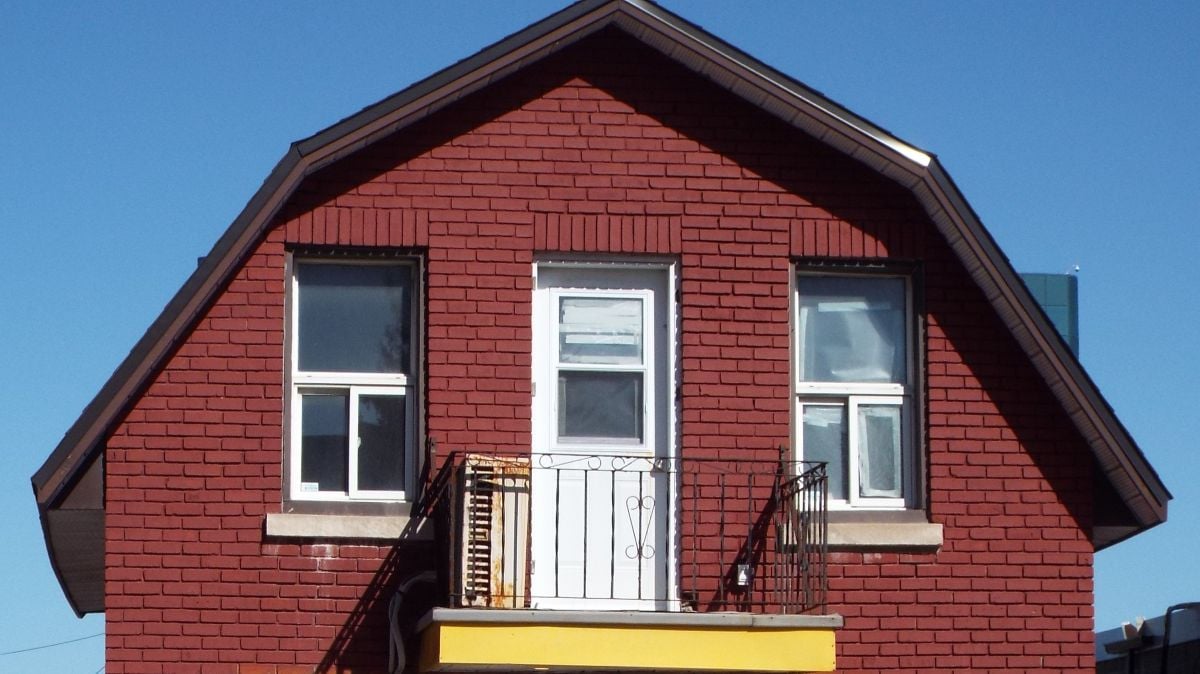

If you have ever driven past a classic colonial home or an old New England barn and noticed that distinctive two-slope silhouette, you have seen a gambrel roof in action. This style has shaped American residential architecture for centuries, and it remains a practical and visually compelling option for homeowners today. Whether you are considering it for a new build, a garage, or an addition, understanding how this roof design works, what it offers, and where it falls short will help you make a genuinely informed decision. Homeowners in Burke and surrounding areas often ask about this style for its combination of durability, material options, and usable interior volume.
Here is what you will learn in this guide:
- What a gambrel roof is and how its double-slope design works
- The key design characteristics that define this roof style
- The main advantages and disadvantages homeowners should weigh
- How gambrel roofs compare to other popular residential roof types
- What to consider before choosing this style for your home
The Design Logic Behind the Gambrel Roof
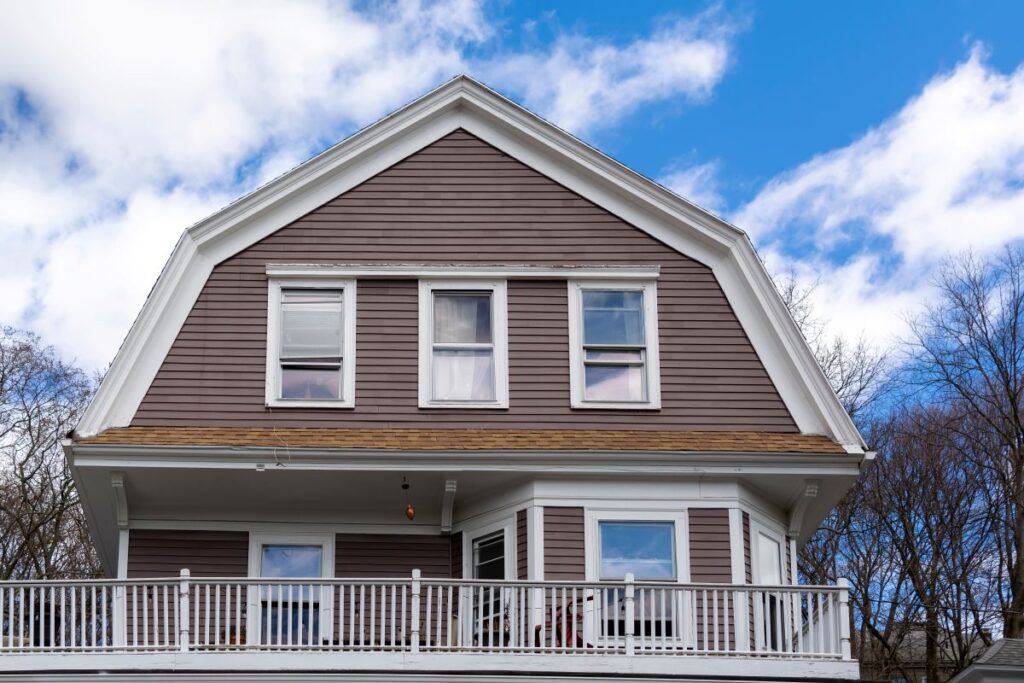
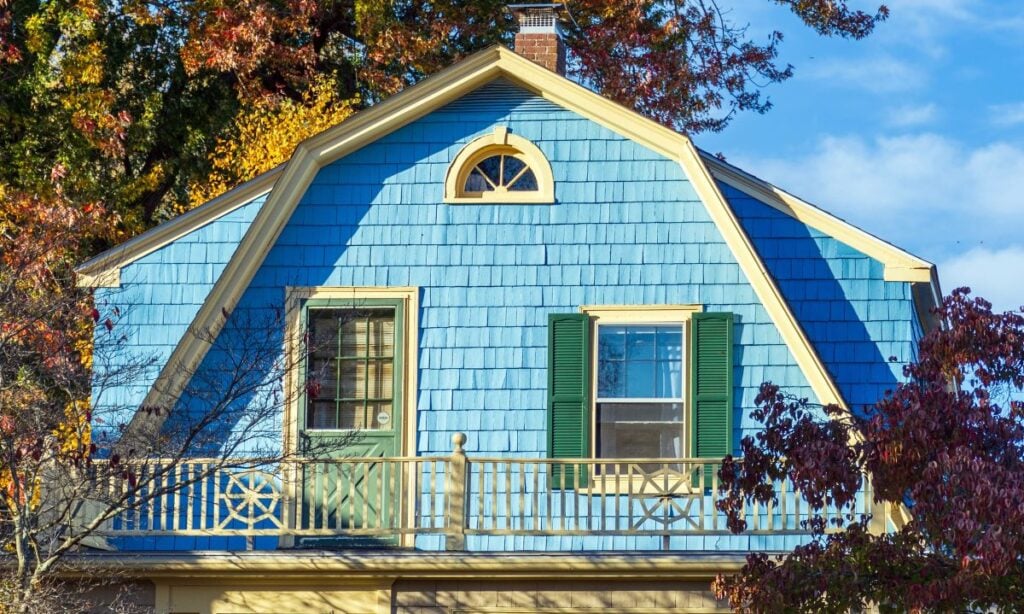
The gambrel roof is not just a visual style choice. It solves a real structural problem: how do you maximize the usable volume beneath a roof without dramatically increasing the height of the building? The answer is the dual-slope geometry that defines this design. The lower slope is steep, often approaching 60 to 70 degrees, which pushes the walls of the upper floor outward and creates high ceilings and usable floor space directly under the roof. The upper slope is shallower, typically around 20 to 30 degrees, and forms a ridge at the peak. Together, these two slopes on each side of the roof create a profile that delivers significantly more interior volume than a standard gable roof of the same height.
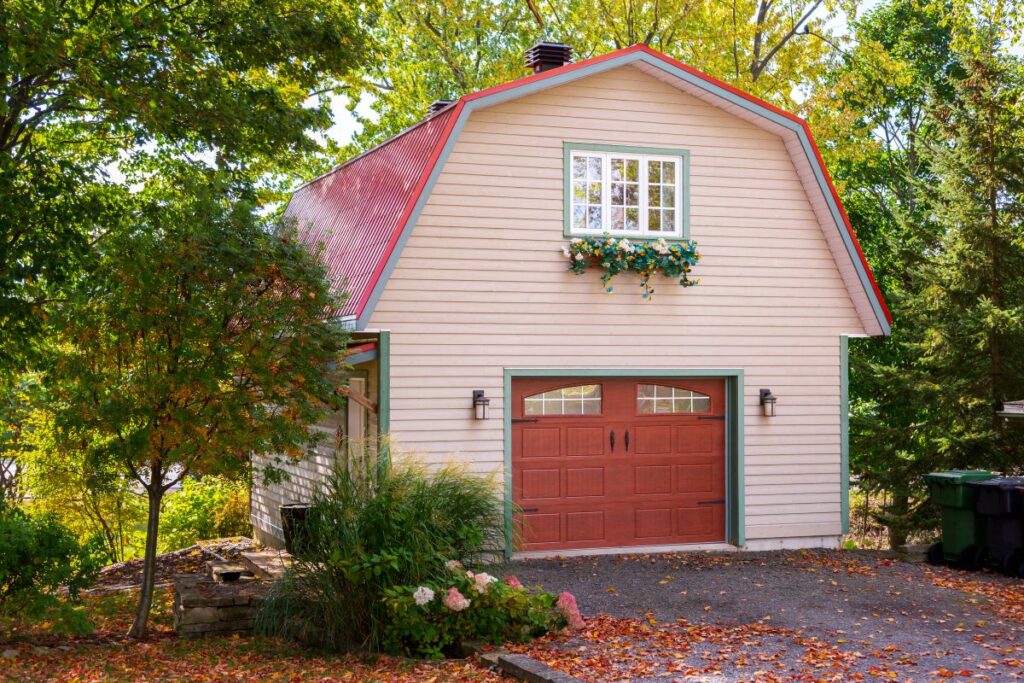
Gambrel roofs originated in Dutch architecture in the 16th century and became closely associated with Dutch Colonial homes in America during the colonial period. The oldest known gambrel roof in America is on Harvard Hall at Harvard University, built in 1677, making this one of the most historically rooted roof styles in American architecture. Today the style is found on barn roofs, residential buildings in traditional and farmhouse architectural styles, garages, and outbuildings. In Burke and surrounding areas, where older colonial-era housing stock mixes with newer construction, gambrel roofs appear on a range of properties from historic homes to purpose-built storage structures. Common roofing materials include asphalt shingles, metal panels, and wood shakes. Proper load distribution is critical for gambrel roof construction due to the varying angles of the dual slopes, and trusses are typically spaced every 16 inches before plywood or OSB sheathing is applied across them.
- Space maximization: The steep lower slopes create near-vertical wall surfaces in the upper level, delivering 40 to 50 percent more usable attic space compared to a standard gable roof of equal building height.
- Architectural character: The gambrel profile has a distinctive silhouette that adds visual interest and curb appeal, particularly on colonial, Dutch, and farmhouse-style homes.
- Drainage performance: The steep lower slope facilitates efficient water runoff and snow shedding, reducing the risk of pooling, ice damming, and moisture intrusion on that portion of the roof surface.
- Construction efficiency: The gambrel design uses shorter rafters on the upper slope than a full gable would require for the same interior height, reducing material volume and labor time during framing.
These characteristics explain why the style has remained in use for so long. It is not merely decorative. It delivers real functional advantages that other common roof types cannot replicate without either increasing building height or adding more complex structural framing.
6 Pros and Cons of a Gambrel Roof
Every roof style involves trade-offs, and the gambrel is no exception. Understanding what this design does well and where it has limitations is the most useful framework for any homeowner weighing this option for their property. The breakdown below covers the most significant factors in both directions. Homeowners in Burke and surrounding areas dealing with an existing gambrel roof will find this useful for maintenance planning as well.
1. Pro: Maximum Usable Upper-Level Space
The gambrel’s defining advantage is increased interior space. The nearly vertical lower slope pushes the upper-floor walls outward, creating extra headroom and generous floor space directly beneath the roof surface. This makes gambrel-roofed upper levels practical for conversion into additional living areas such as bedrooms, home offices, playrooms, or storage lofts. Compared to a standard gable roof, the gambrel delivers that usable interior space without requiring a taller building footprint. The design of a gambrel roof also allows for easy integration of dormer windows, which further improve light and headroom in the upper level.
- Often provides enough headroom for a full-height room on the upper level
- Dormer windows can be added to improve natural light and ventilation in the space
- Particularly effective when combined with shed dormers for maximum square footage
2. Pro: Efficient Drainage and Snow Shedding
The steep lower slope handles precipitation effectively. Rainwater moves quickly off the steep lower section, and snow slides more readily from a steep surface than it accumulates on it. This natural shedding reduces the risk of water pooling, ice dam formation, and the structural stress that comes from heavy snow loads on the roof system. The upper slope, set at a shallower angle, handles lighter loads due to its lower pitch and shorter span.
- Lower slope angles typically 60 degrees or steeper for effective shedding
- Upper slope handles lighter snow loads due to its shallow angle and shorter span
- Proper gutter sizing and placement matters at the eave transition point
3. Pro: Cost-Effective Framing Compared to Alternatives
The gambrel roof achieves a large interior volume without requiring the full rafter length that a simple gable of equal interior height would need. The upper slope is shorter and uses fewer materials. When compared to a mansard roof, which achieves a similar interior effect with four sloped sides, the two-sided gambrel is simpler to frame, simpler to detail, and generally less expensive to build. Lower labor costs and cost-effective construction make it an appealing choice relative to other roof styles that deliver comparable interior space.
- Fewer gussets and structural supports required than many complex roof types
- Simpler geometry at the gable ends compared to mansard or hip designs
- Construction timeline tends to be shorter due to the straightforward framing approach
4. Con: Wind Vulnerability at the Ridge and Transitions
The gambrel’s geometry is less aerodynamic than a hip roof, which slopes on all four sides and presents a lower profile to wind. The flat upper slope and the angles where it meets the steeper lower slope create points of potential wind uplift, particularly during severe storms. In high-wind regions, gambrel roofs may require additional structural reinforcement at these transition points to resist uplift forces.
- Hip roofs offer superior wind resistance for hurricane or high-wind zones
- The slope transition seam requires precise flashing and detailing to remain watertight
- Reinforcement with hurricane straps or clips is advisable in storm-active climates
5. Con: Complex Detailing at the Slope Transition
The junction between the lower and upper slopes is the most vulnerable point on a gambrel roof. Flashing this transition correctly, ventilating the two separate slope planes, and maintaining watertightness at the ridge where the geometry changes all require careful workmanship. Installing gambrel roofs requires specialized knowledge and experience that not every contractor possesses, and improperly detailed transitions are one of the most common sources of leaks on this roof style.
- Sealants and flashing at the slope break must be installed to manufacturer specifications
- Ventilation design must account for the two distinct slope planes
- Regular inspection of this transition zone is the most important maintenance practice
6. Con: Higher Maintenance Demands at Vulnerable Points
The gambrel roof requires more frequent inspection than a simple gable or hip because of the transition seam, the potential for ice damming at the eave, and the exposure of the upper ridge. Homeowners who choose this style should plan for annual inspections and prompt attention to any flashing or sealant deterioration at the slope junction.
- Moss and algae can accumulate more easily in the transition zone
- Flashing inspection after major storm events is advisable
- Gutter maintenance is especially important given the steep drainage angle
Together, the pros and cons make the gambrel a strong choice for homeowners prioritizing interior volume and traditional aesthetics, but a less straightforward option for those in high-wind regions or looking to minimize long-term maintenance complexity.
How Gambrel Roofs Fit Different Architectural Styles
The gambrel roof is associated most strongly with specific architectural traditions, and understanding those associations helps homeowners assess whether the style is a natural fit for their property or a significant departure from it. The design can be adapted across several residential contexts, but it reads most naturally in certain settings.
- Dutch Colonial: The gambrel is essentially synonymous with Dutch Colonial architecture in America. Broad, low eaves and a characteristic flared overhang at the base of the lower slope are defining features of this style. Gambrel roofs on Dutch Colonial homes typically have generous overhangs that protect the siding and windows below.
- Farmhouse and Barn-Inspired: The gambrel’s association with agricultural buildings makes it a natural fit for farmhouse-style homes, rural properties, and homes with significant detached garages or outbuildings. The aesthetic connection to barn construction is part of the style’s appeal in these contexts.
- Colonial Revival: Many Colonial Revival homes built in the early twentieth century incorporated gambrel roofs as part of their historical reference vocabulary. These homes appear across established neighborhoods throughout Northern Virginia, including older parts of Burke and surrounding areas.
- Modern Adaptations: Some contemporary designers use gambrel geometry to create dramatic interior volumes in otherwise minimalist structures. Metal roofing, large windows, and simplified detailing can give the gambrel profile a modern character that departs significantly from its traditional associations.
Whether the home is a century-old Dutch Colonial or a newly built farmhouse-inspired structure, the gambrel roof tends to look intentional and appropriate where these traditions already exist. Attempting to add a gambrel to a home whose design language has no connection to these styles can produce results that feel architecturally mismatched.

Gambrel vs Other Common Roof Types
Understanding how the gambrel compares to the most common residential alternatives helps clarify when it is the right choice and when another design would serve better. The table below summarizes the key differences across the factors that matter most to homeowners making this decision.
| Feature | Gambrel | Gable | Hip | Mansard |
| Interior attic space | High | Moderate | Low | High |
| Wind resistance | Moderate | Moderate | High | Moderate |
| Construction cost | Moderate | Lower | Higher | Higher |
| Maintenance complexity | Higher | Lower | Moderate | Higher |
| Architectural character | Traditional, colonial | Versatile | Versatile | French, formal |
The gambrel is most competitive when interior space is the priority and the architectural style is a natural fit. It loses ground to the hip roof in wind-prone regions and to the simpler gable when budget and maintenance simplicity are the primary concerns. For homeowners choosing between a gambrel and a mansard, the gambrel wins on construction cost and simplicity while the mansard offers a more dramatic full-perimeter profile.
Is a Gambrel Roof Right for Your Home?
A gambrel roof rewards homeowners who value interior volume, architectural character, and the practicality of an expanded upper level. It is a particularly strong choice for homes where the attic is intended as livable space, for farmhouse and colonial-style properties where the silhouette fits naturally, and for outbuildings where storage volume is at a premium. The trade-offs around wind exposure and maintenance complexity at the slope transition are real, and they are worth weighing honestly against the benefits before committing to this design. Roof Troopers works with homeowners across Burke and surrounding areas on installations, repairs, and assessments for every roof type, including gambrel roofs with their specific flashing and maintenance requirements. When you are ready to discuss your roof’s condition or explore your options, contact us today and we will give you a straight assessment.
Don’t pay for your roof until 2027!
0% APR, same as cash for 24 months
Get Started Today!
"*" indicates required fields